MAPUTO PROTOCOL: ENHANCING AFRICAN WOMEN'S RIGHTS FOR A MORE RESILIENT CONTINENT
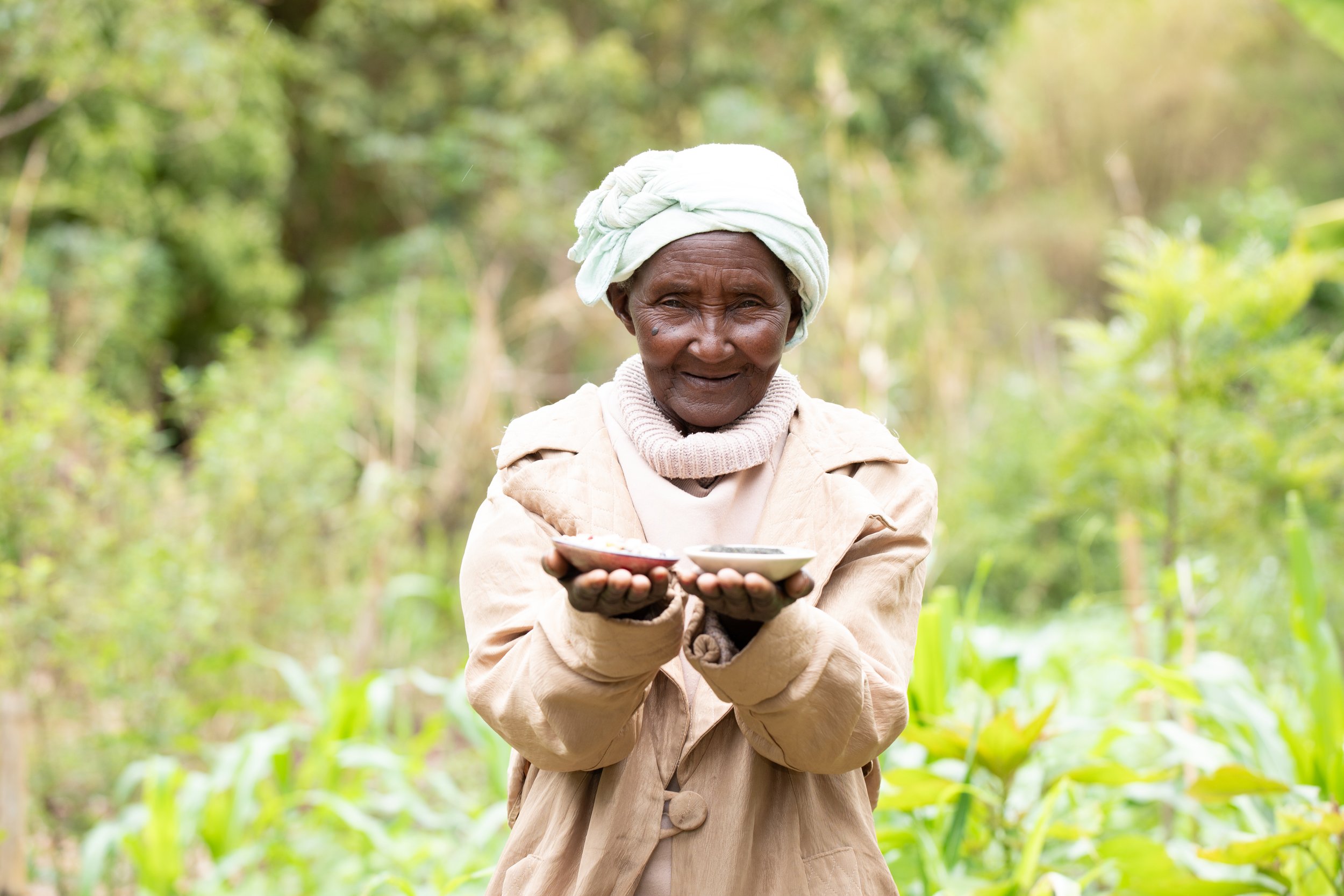
African women have been practicing adaptation long before it became a global policy priority under international climate negotiations. | PSA Media
BY NDIVILE GUGUSHE
In July 2026, Africa commemorated the 23rd anniversary of the Protocol to the African Charter on Human and Peoples’ Rights on the Rights of Women in Africa.
Famously known as the Maputo Protocol, and adopted in 2003, the framework marked a watershed moment in the continent’s history, recognising African women’s rights to equality, dignity, participation, health, education, land, inheritance, economic opportunity, freedom from violence and meaningful participation in public life.
More than two decades later, the context in which People’s rights must be realised has fundamentally changed, if not drastically expanded.
Climate change has emerged as one of the most defining challenges of our time, with women disproportionately impacted as the crisis threatens not only ecosystems and economies but also the hard-won gains made in advancing women’s rights. Fair distribution of labour, equality of wages, access to formal, protection against early marriage, reproductive health and hygiene are some of the gains under threat.
The question before us, therefore, is whether Africa’s climate adaptation efforts are sufficiently grounded in the rights and leadership that the Maputo Protocol envisioned.
The answer is simple and straightforward; a lot of bridging between the realities faced by African women and the fundamental aspirations of the Maputo Protocol must happen.
Climate change is often discussed through the language of rising temperatures, greenhouse gas emissions, and extreme weather events. While these are important, they often obscure the lived realities behind the statistics.
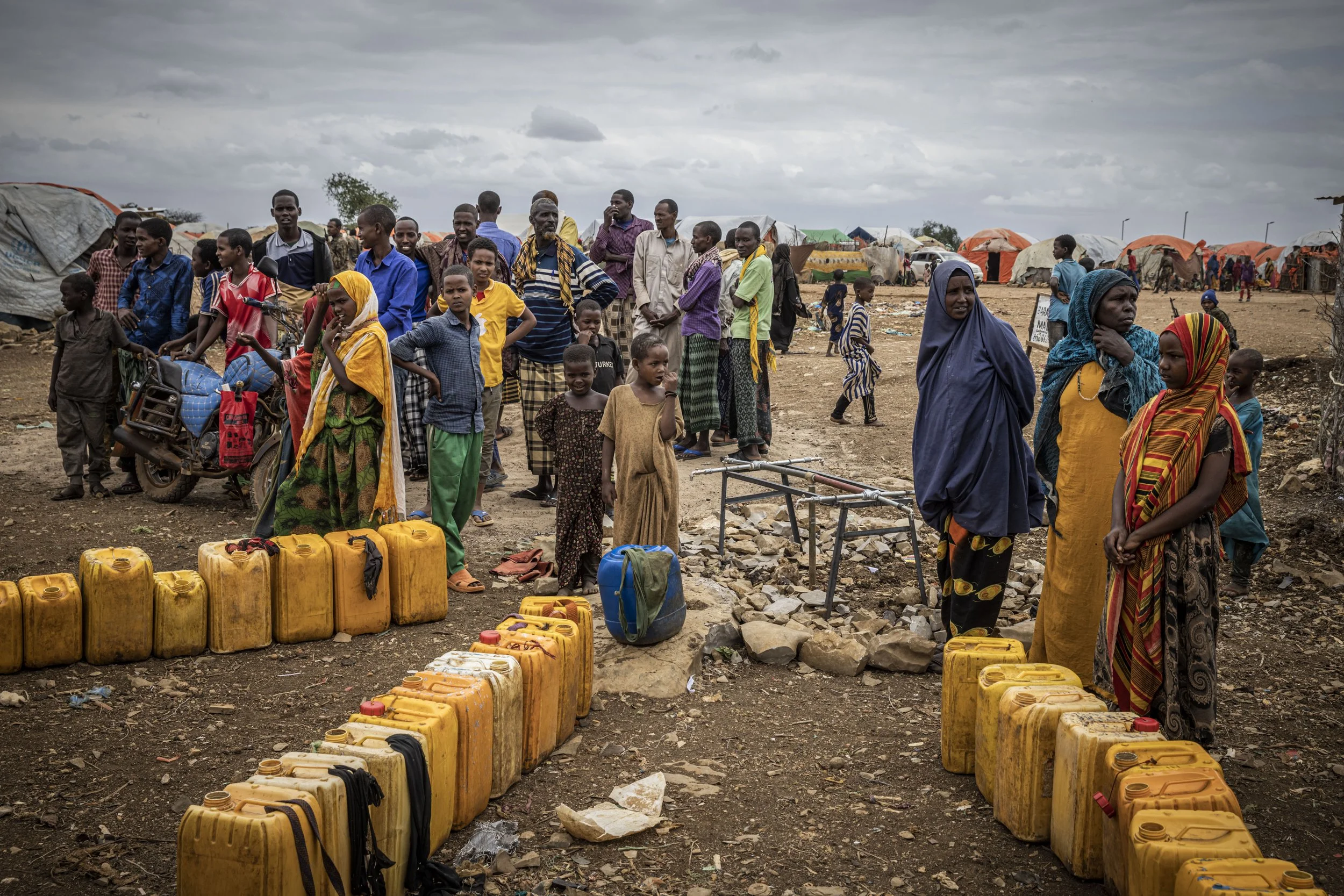
For millions of African women, climate change is experienced in very practical ways. It is a longer journey to collect water after prolonged drought; the loss of crops that feed and generate household income; the increased unpaid care responsibilities when disasters strike, children fall ill, or elderly relatives requiring additional support.
Climate change also manifests through the heightened risk of Gender-Based Violence arising out of displacement following floods, cyclones, and other climate-related disasters; and water stress that strains personal hygiene.
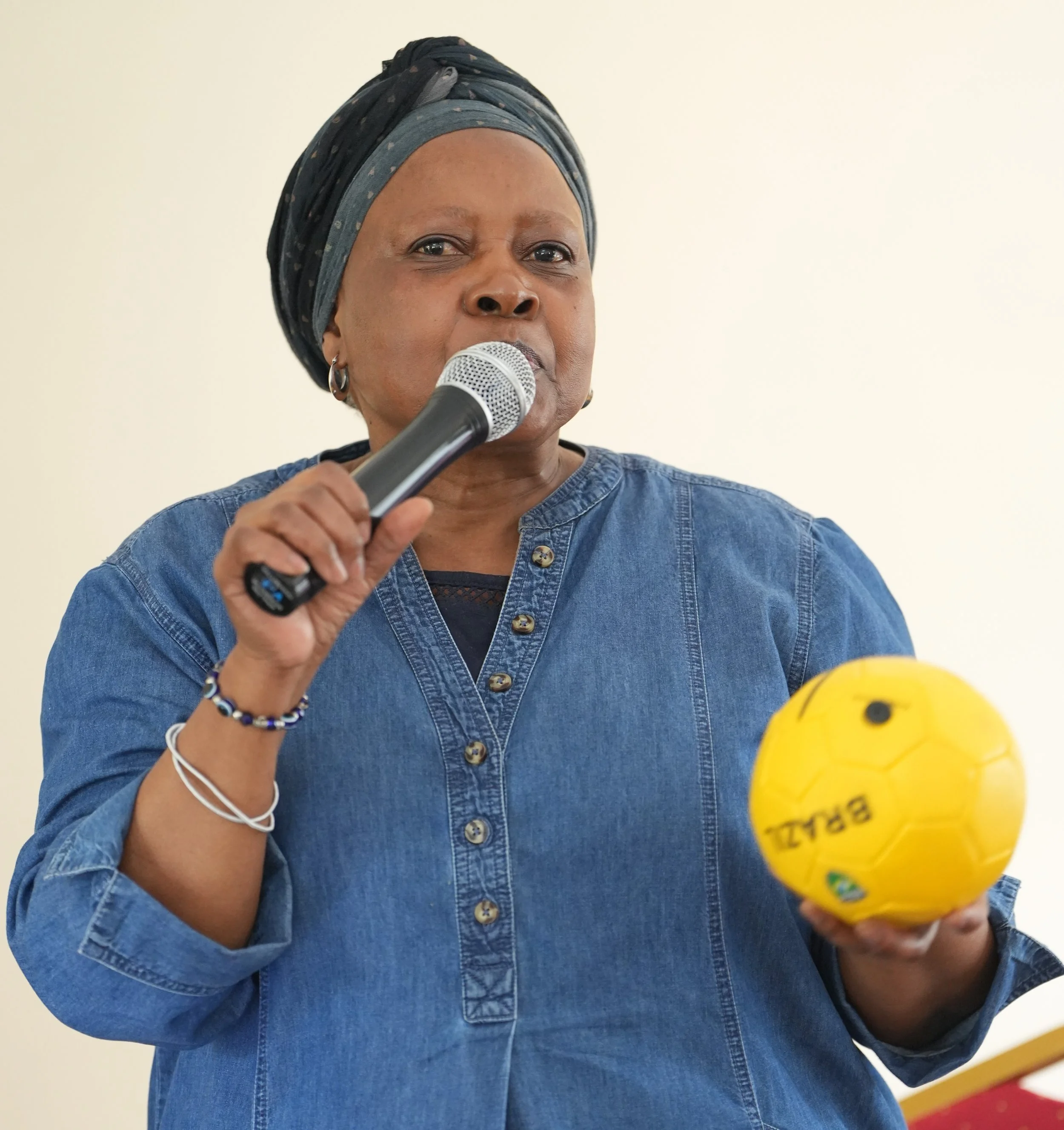
Ndivie Gugushe is the Project Coordinator and Co-founder of GenderCC, South Africa. | PSA Media
The scope of impacts stretches beyond just a temperature rise and sets in motion multiple other impacts that may not be covered through overhead statistics. It is more than just an environmental crisis. It is a social justice and a human rights challenge which must be tackled as such – with women at its centre.
Importantly, women are inherently vulnerable to climate change, because its impacts expose and amplify long-standing structural inequalities such as unequal access to land, finance, technology, education, climate information services and decision-making spaces. These inequalities mean that women often have fewer resources to prepare for, respond to and recover from climate shocks.
The climate crisis did not create gender inequality. It was there. What it has done is magnify it. Even so, the dominant portrayal of women is that of victims of climate change in a framing that overlooks these structural factors.
Still, African women have been adapting for generations. Long before adaptation became a global policy priority under international climate negotiations, women were already developing practical solutions to changing environmental conditions. They have been conserving indigenous seed varieties, managing scarce water resources, restoring degraded landscapes.
Women have also been working to diversify their livelihoods, organising savings groups, strengthening food security, preserving biodiversity and passing invaluable Indigenous knowledge from one generation to the next.
Adaptation Finance Must Benefit Women
African women haven’t been waiting to be rescued by climate policies. From homes to farms, and communities, women lead adaptation efforts in different capacities. Their leadership is, however, often invisible, undervalued, and significantly underfunded.
As governments and development partners increase investments in climate adaptation, they must confront the nagging question: Who actually benefits from adaptation finance?
Despite the compelling climate leadership that women, in their diversity have demonstrated, financing climate change does not directly reach them at a scale that can support transformation of their livelihoods, scale up their ventures and attain socio-economic freedom.
African women have been carrying out adaptation practices for generations. | STOCK
“While global commitments to increase adaptation funding are encouraging, only a small proprotion of this finance reaches grassroots women’s organisations, rural communities, Indigenous Peoples and other frontline communities.
”
Despite their deep knowledge and trusted relationships within communities, women’s organisations continue to face significant barriers in accessing climate finance directly. That is dangerous.
If adaptation of finance fails to reach those who are already leading resilience efforts, it risks reinforcing existing inequalities rather than transforming them. Adaptation cannot simply become another technical intervention measured only by the number of infrastructure projects completed or hectares of land restored.
It must also be measured by basic but consequential facts; whether women have secure land rights, girls remain in school after climate shocks, women farmers have access to climate information services and technology, and women-led organisations receive direct funding, and their voices genuinely influence adaptation planning and implementation.
In other words, adaptation should be assessed not only by what is built, but by the level of vulnerabilities reduced and resilience strengthened.
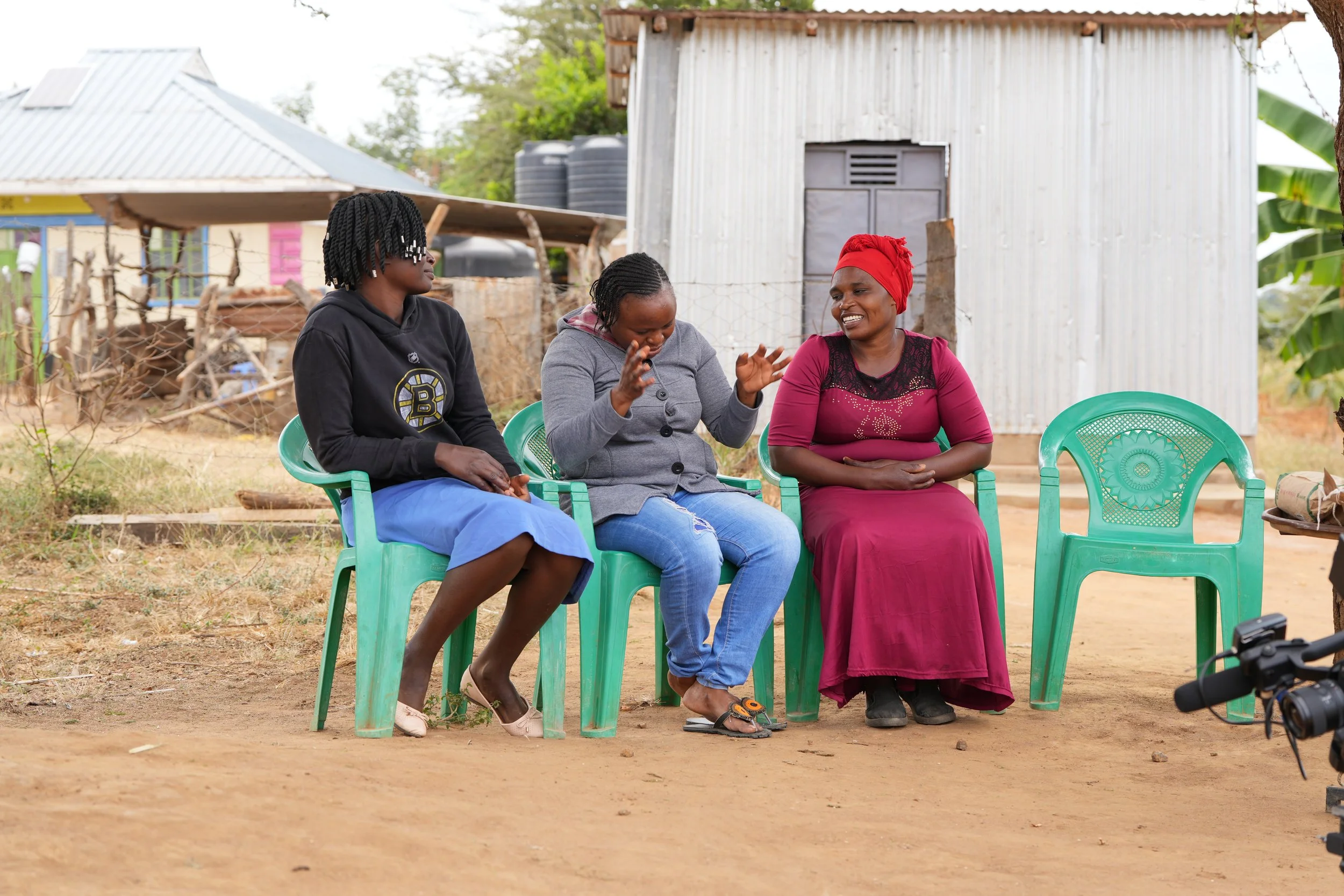
Women pass on Indigenous knowledge through informal conversations. | PSA Media
“One of the most powerful yet underappreciated aspects of the Maputo Protocol is its strong connection with climate resilience.
”
The right to food becomes increasingly important as agricultural production is threatened by drought and changing rainfall patterns. The right to health is tested by heat stress, disease outbreaks, and climate-related disasters. The right to water becomes central in regions facing prolonged water scarcity.
Women’s rights to land and property are essential foundations for investing in climate-resilient agriculture and sustainable livelihoods. The right to participate in public decision-making is critical as governments develop National Adaptation Plans (NAPs), and other local and national resilience frameworks.
Viewed through this lens, the Maputo Protocol is not simply a women’s rights instrument but also a framework for climate justice.
“The Maputo Protocol reminds us that adaptation is ultimately about protecting people’s dignity, expanding opportunities, and ensuring that development remains equitable in an increasingly uncertain climate.
”
Too often, adaptation projects are designed for communities rather than with communities. Local people are consulted after decisions have already been made. Scientific knowledge is prioritised while Indigenous and local knowledge is treated as secondary. Women are often invited to participate but are rarely positioned as decision-makers.
This approach limits both effectiveness and sustainability.
Adaptation is strongest when it is built on local knowledge, recognises community leadership and values the lived experiences of those directly affected by climate change. This also requires embracing an intersectional approach as women are not a homogeneous group. Rural women, Indigenous women, young women, women with disabilities, older women and women living in informal settlements experience climate risks differently. Effective adaptation can only be achieved by responding to these diverse realities rather than adopting a one-size-fits-all approach.
‘‘Leaving no one behind’’ is not simply a development slogan but a prerequisite for climate resilience. As we celebrate 23 years of the Maputo Protocol, therefore, we should go beyond reflecting on our progress so far and start to imagine what the next twenty-three years should look like for African women.
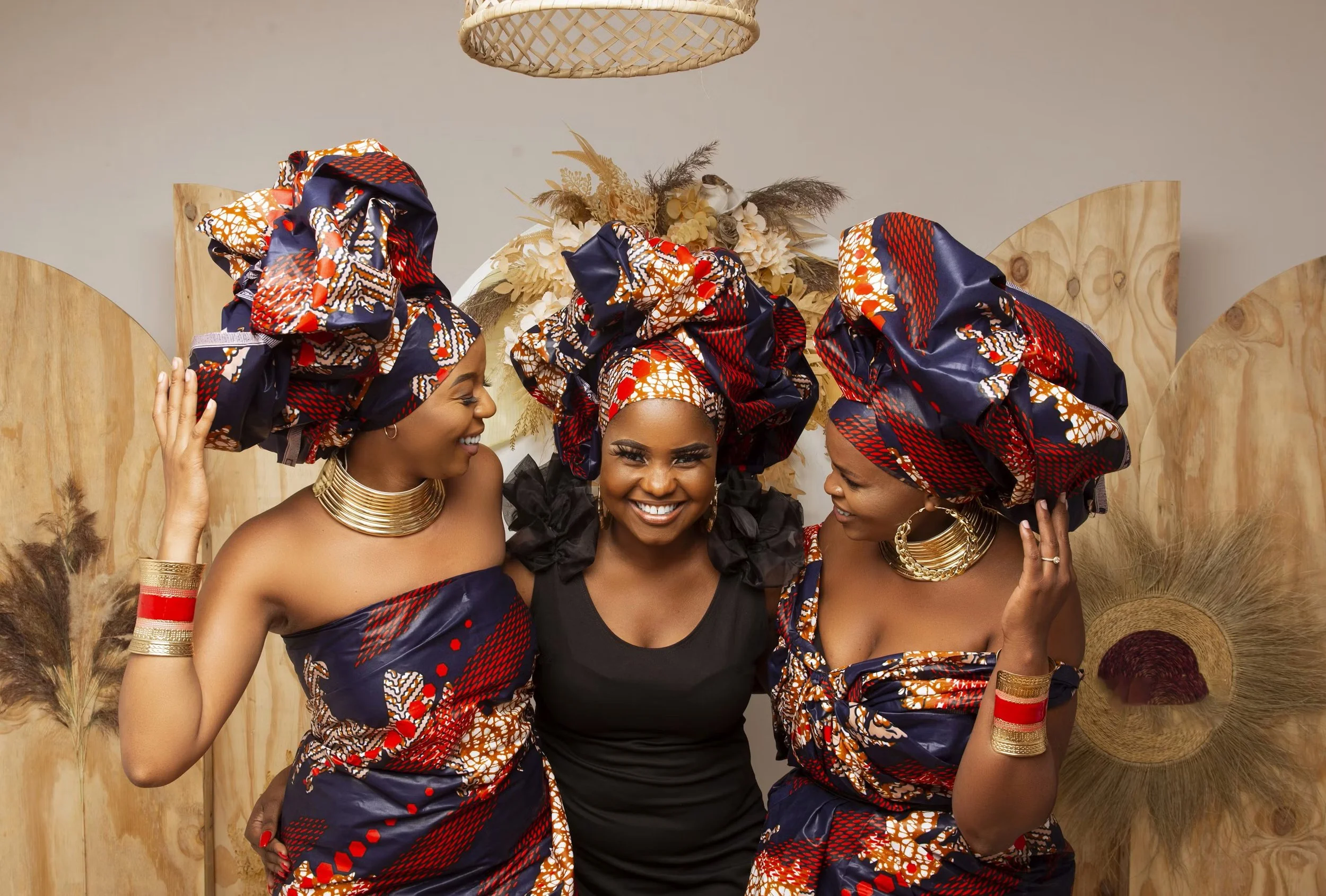
Securing and enhancing women’s rights is one of the strongest foundations for a resilient Africa. | STOCK
Africa’s future climate resilience depends on more than infrastructure, technology, and finance. It depends on governance that places women’s rights at the center of adaptation planning, policies that secure women’s access to land, resources, and climate finance, and recognising Indigenous and local knowledge as valuable tools to sources of innovation.
It also depends on investing directly in women-led organisations’ that are already building resilience from the ground up and, most importantly, understanding that adaptation is not simply about surviving climate change. It is about transforming the inequalities that the crisis continues to expose.
“The Maputo Protocol challenged Africa to recognise women as equal rights holders. Today’s climate crisis challenges us to honour that vision by ensuring that every adaptation policy, investment and decision strengthens those rights rather than leaving them behind.
”
Adaptation is not only about protecting the environment but the people as well.
And the vision of a climate-resilient Africa cannot be achieved without gender equality and justice.
As we celebrate twenty-three years of the Maputo Protocol, we must reaffirm a simple but profound truth: securing and enhancing women’s rights is one of the strongest foundations for a resilient Africa.
Ndivie Gugushe is a Project Coordinator and Co-founder of GenderCC, South Africa