AFRICA'S AGITATION AT NAIROBI BIODIVERSITY CONFERENCE
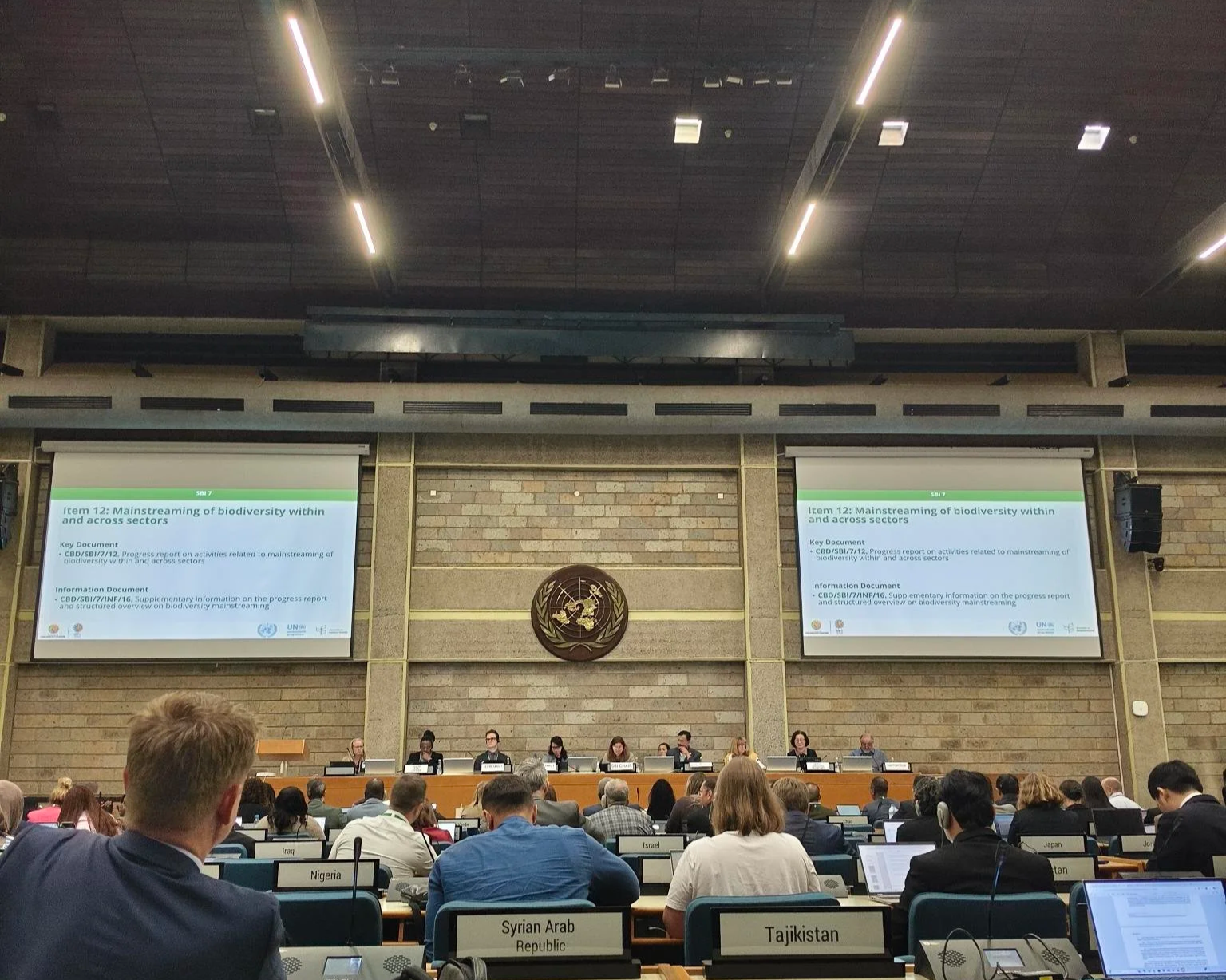
Delegates attending the UN Conference on Biodiversity and Desertification (UNCBD) that is currently under way in Nairobi, Kenya. | PSA Media
BY MARY KYANYI
At the ongoing conference on biodiversity in Nairobi, Kenya, the continent has an opportunity to leverage Africa-led local actions to ensure the implementation of global targets.
Similarly, this key moment offers a rare chance to ensure marginalised communities receive funding to support conservation efforts at the local, national and regional levels.
So far, that hasn’t been the case after discussions hit a snag last week, setting the Parties up for a bruising battle as the talks entered the second and final week.
Hosting SBSTTA 28 and SBI 7 in Africa isn’t just an acknowledgement of the role of Africa in biodiversity protection. It’s also an opportunity for the continent to accelerate actions that promote the protection of critically endangered species and their habitats, as well as the restoration of degraded ecosystems.
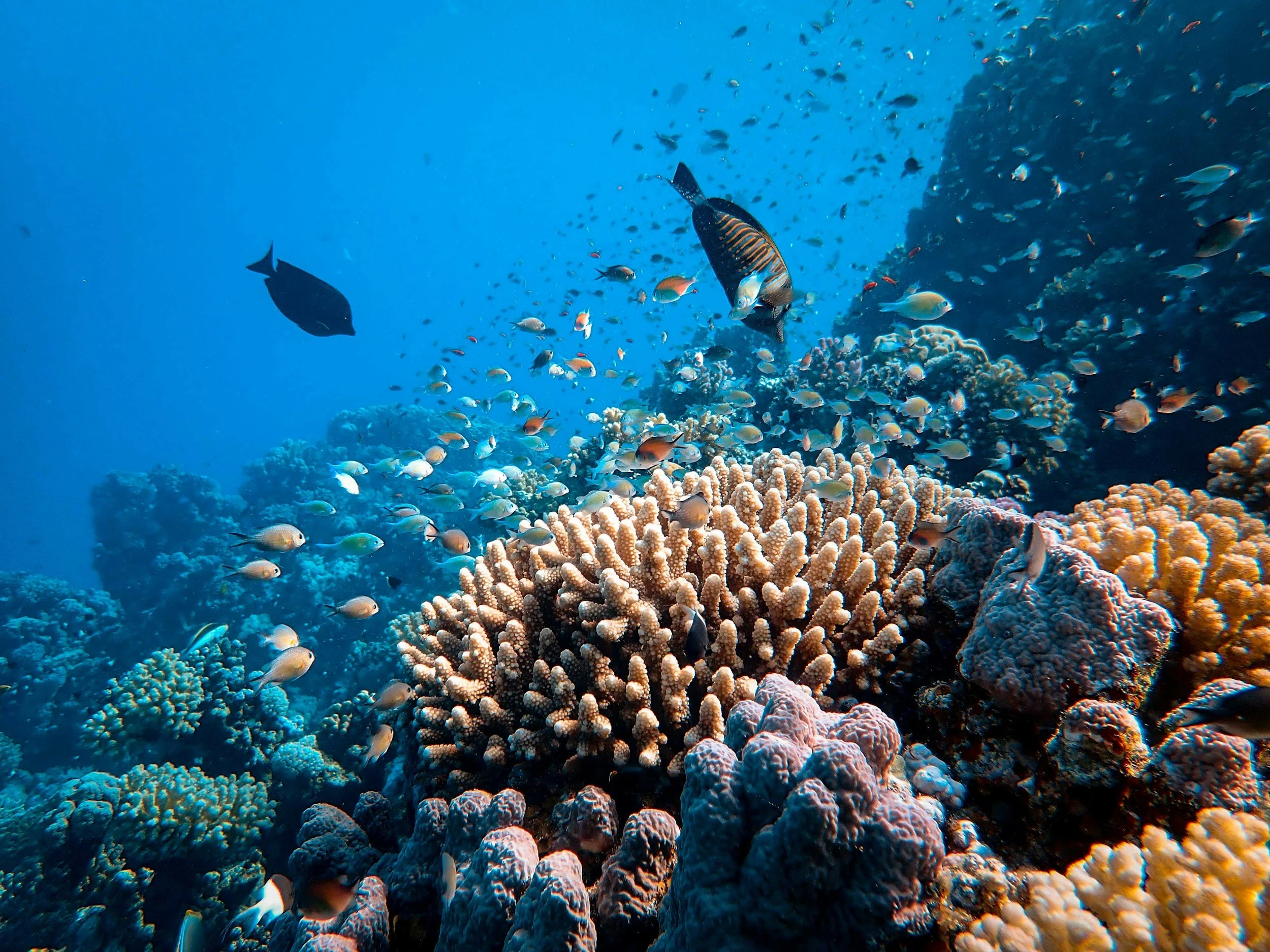
Over the next few days, all eyes will be on the Nairobi conference. | STOCK
Throughout the discussions, developed and developing country Parties clashed over all the items, with Sustainable Wildlife Management the only item adopted without divisions.
Many claimed that important elements were omitted from contact group discussions due to limited time. This included not integrating capacity building, scientific and technology transfer, as well as inclusion of a whole-of-society approach.
This led to sidelining not only of recommendations from women, youth and IPLCs but also the representation of gender responsive metrics in the text. Delegates, however, expressed hope that there would be time to further negotiate them at COP17 before the final decision.
About UNCBD: SBSTTA & SBI
The UN Convention on Biological Diversity (CBD) has two Subsidiary Bodies: the Subsidiary Body on Scientific, Technical and Technological Advice (SBSTTA) and the Subsidiary Body on Implementation (SBI).
On the one hand, the SBSTTA is the scientific body that addresses science and data and provides technical and scientific recommendations bridging the gap between policy and science.
On the other hand, the SBI’s co-mandate is to provide implementation through financial mechanisms and policy review.
The CBD’s supreme decision-making body is the Conference of the Parties (COP), which meets every 2 years to discuss and evaluate ecological processes and adopt policy decisions that are consensus-based.
The CBD SBSTTA and SBI bodies meet once or twice every two years ahead of the CBD COP. This is to measure scientific and implementation of ecological progress, negotiate, and prepare for the CBD COP.
Despite the 30 by 30 targets (targets 2 and 3 of the Kunming Montreal Global Biodiversity Framework (KMGBF)) being off track, there was a lack of consensus on matters relating to capacity building, inclusion, finance and technology transfer for implementation.

Africa is home to rich biodiversity. Biodiversity provides the essential life support systems that all living things rely on, including ecosystem stability, food security, and human health. It ensures that nature remains resilient and adaptable to changes, including climate change. | STOCK
Under Programme Work on Protected Areas (PoWPA), countries clashed again over the definition of Protected Areas and Conserved Areas as of Indigenous Traditional Territories (ITTs). Globally, countries have different legal frameworks on land and ownership. This creates difficulty in reporting progress.
As SB7 progresses this week, nations must seek consensus on ways to provide the Means of Implementation to halt and reverse biodiversity loss and achieve the 2030 targets. Only then can we guarantee living in harmony with nature by midcentury.
Meanwhile, the Global Review on Collective Progress achieved minimal progress during the SBSTTA 28 contact groups.
Even though science was key in this review, the final document ended up with multiple brackets. This is partly because of the gap between science and policy, where implementation realities face economic challenges, leading to a lack of technical tools to measure metrics across KMGBF targets.
At the same time, the Review on Collective progress concluded with a weak text on the inclusion of women, youth, Indigenous People and Local Communities as crucial stakeholders in making implementation of the KMGBF a success.
One of the decisions Parties must make at SBI 7 is to operationalize and actualize target 22 of the KMGBF on ensuring inclusive participation in decision-making, access to justice, and rights-based approaches to conservation.

As SB7 progresses this week, nations must seek consensus on ways to provide the Means of Implementation to halt and reverse biodiversity loss and achieve the 2030 targets. | PSA Media
So far, the omission of non-state actors during the contact groups sessions has stood out. Attempts by non-state actors to push for inclusion through Party delegates at the closing plenary failed in what was described as attempts to reopen the text.
This is a worrisome trend.
“Around the world and in Africa, non-state actors are at the forefront of restoring degraded ecosystems. There cannot be practical conservation efforts when their voices are ignored. ”
What CBD SBI-7 Must Deliver
To achieve 2030 and 2050 goals on biodiversity, SBI must lift the bracketed text on ‘‘Whole of Society’’ approach and instead uphold the rights-based approach. This is necessary to guarantee the future of biodiversity and ecosystems.
At this conference, delegates must answer the question of who makes the rules and who does the work. The two aren’t mutually exclusive.
Nature, future generations and the work that is yet to be done heavily depend on answers to these questions.
Over the next few days, all eyes will be on the conference to see if it lives up to its billing. The world’s biodiversity depends on the decisions taken by delegates in Gigiri, Nairobi.
Marry Kyanyi is an Adaptation and Resilience Fellow at Power Shift Africa