Explainer: What is the UN Convention on Biological Diversity?

Hundreds of delegates are attending COP17 under the United Nations Convention on Biological Diversity (UN CBD) in Yerevan, Armenia. | IISD
BY MARY KYANYI
The 17th Conference of the Parties of the United Nations Convention on Biological Diversity (UN CBD, COP17) began on Monday in Yerevan, Armenia, aiming to conduct the first global review of collective progress in implementing the Kunming-Montreal Global Biodiversity Framework. The COP will run until October 30.
So, what is the UNCBD? What’s its specific mandate?
In this article, I will look at what the UN CDB is, its decision-making bodies, protocols, implementation frameworks, and how it’s financed.
Foremost, the UN CBD is a legally binding international treaty adopted in 1992 at the Earth Summit in Rio de Janeiro to halt global biodiversity and ecosystem loss.
It’s one of the 3 Rio Conventions alongside the United Nations Framework Convention on Climate Change (UNFCCC) and the United Nations Convention to Combat Desertification (UN CCD).
The 3 main goals of the CBD are:
Sustainable use of the biodiversity
Conservation of biodiversity
Fair and equitable sharing of genetic resource benefits
The CBD covers biodiversity at all levels, ecosystems, species, genetic resources through the Nagoya Protocol, and biotechnology through Cartagena Protocol on Biosafety.
Decision-making and governing bodies
The supreme bodies that exercise legal and political authority are the Conference of the Parties (COP) and the COP Bureau.
Every two years, member states meet at the CBD COP to set global goals, review nature protection progress, and make binding decisions to save plants, animals, and ecosystems.
The COP Bureau is the steering committee of the Conference of the Parties (COP) to the United Nations Convention on Biological Diversity (CBD). It guides the administration, organisation, and political direction of the convention between and during official COP meetings.

The UN CBD aims to conserve biodiversity and ensure its sustainable use, and promote fair and equitable sharing of genetic resource benefits.
The CBD also has multiple advisory bodies. These advise, provide expert reaccommodation, research, technical and scientific assessments and strategies for implementation. They include the Subsidiary Body on Scientific, Technical and Technological Advice (SBSTTA), Subsidiary Body on Implementation (SBI), Ad-hoc Open Ended Working Group, Liaison Groups as well as Subsidiary Body on Article 8(j) and Related Provisions (SB8j).
SBSTTA
This is the scientific body that addresses science and data and provides technical and scientific recommendations bridging the gap between biodiversity policy and science.
SBI
Its core mandate is to provide implementation through financial mechanisms and policy review.
Ad-hoc Open Ended Working Group
The main role of this body is to bridge the gap between technical and political decisions and to resolve diplomatic and political issues.
Liaison Groups
These ensure smooth coordination between international treaties, agencies and scientific organisations and that institutions don’t work in silos while aligning and harmonising global policies.
SB8(j) and related provisions
This advises the COP, subsidiary and protocol bodies on matters relating to Indigenous People and Local Communities (IPLCs), ensuring their participation and contribution to biodiversity issues around the world.
CBD Secretariat
The secretariat is headquartered in Montreal, Canada, and is headed by the Executive Secretary. The position is currently held by Astrid Schomaker. The secretariat handles al intergovernmental affairs and is responsible for administration and implementation support.
CBD Intersessional meetings, COP process
The SBSTTA and SBI are the main engines of the CBD intersessional meetings. These meet a few months ahead of the COP. This year’s meetings were held in Nairobi, Kenya, in July and August to lay the scientific and implementation groundwork for the ongoing COP.
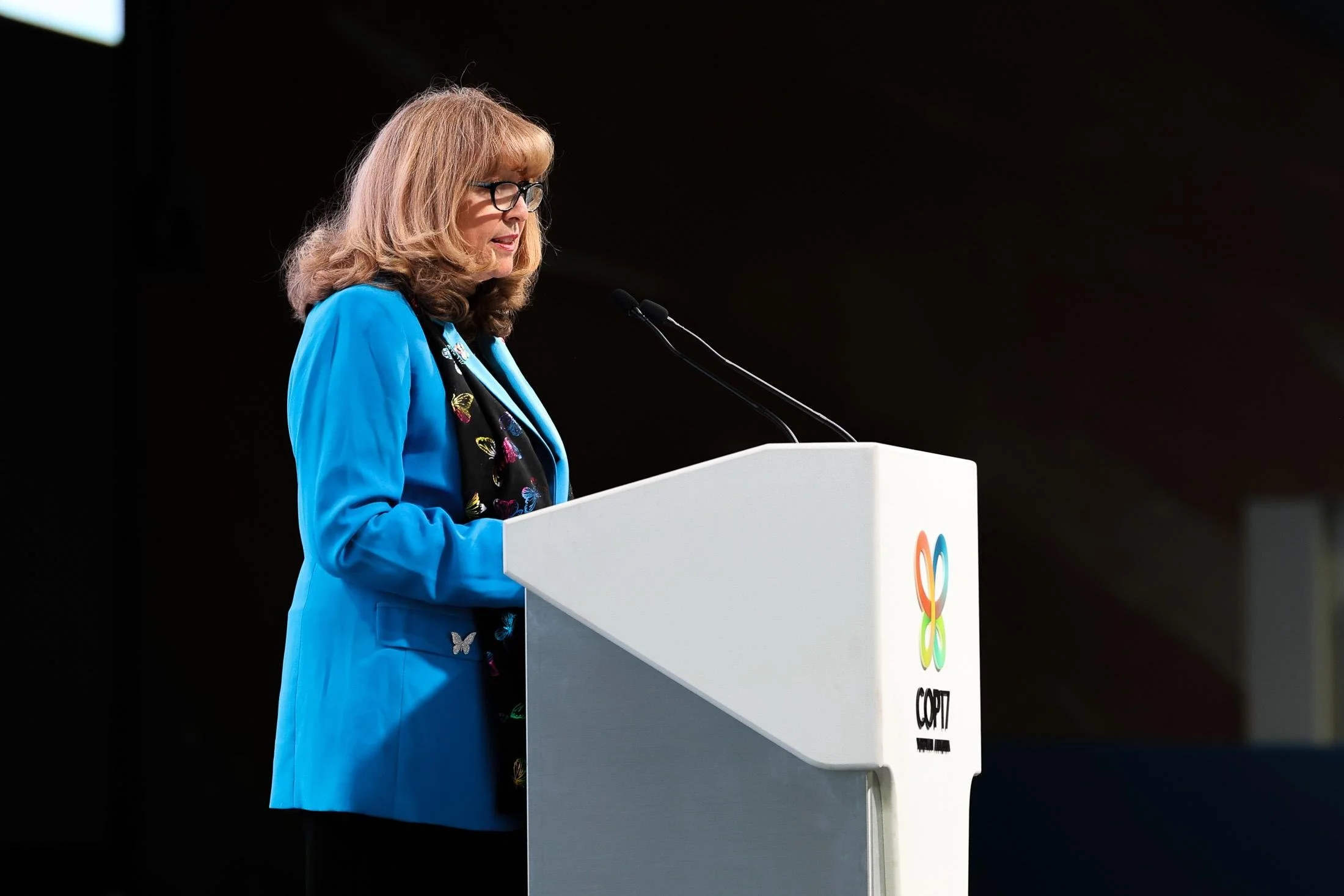
Astrid Schomaker is the Executive Secretary of the Convention on Biological Diversity (CBD) and the head of its secretariat. | IISD
Implementation frameworks
Kunming Montreal Global Biodiversity Framework (KMGBF)
This is the main operational framework and strategic plan for implementing the CBD Convention. It was adopted in 2022 at COP15 to halt and reverse global biodiversity loss. The framework has 23 global short-term and long-term targets set to be achieved by 2030 and 2050, respectively.
National Biodiversity Strategies and Action Plans (NBSAPs)
At national level, this is the primary CBD Convention implementation strategy. It helps translate international commitments into actions at the national level.
National Reporting
Under Article 26 of the Convention, Parties are required to submit national reports every 4-5 years, to help track how effectively parties are implementing the UN Convention on Biological Diversity (CBD).
How the CBD is financed
To help developing countries meet their commitments, the UNCBD relies on external institutional frameworks designated as its official financial mechanisms.
Global Environmental Facility (GEF)
The GEF serves as the primary financial mechanism for the CBD, pooling resources provided by donor nations to issue grants and blended finance for biodiversity conservation, habitat restoration, and biosafety projects in developing countries.
The Global Biodiversity Framework Fund (GBFF)
In 2022, during COP15 the GEF launched the GBFF to support execution of the KMGBF 2030 targets. The GBFF is a dedicated fund hosted by the GEF that funnels public, private, and philanthropic money toward achieving the ‘‘30x30’’ target, that is, protecting 30 percent of Earth’s land and sea by 2030.
The Kunming Fund
This is a public capital grant mechanism that provides developing countries with grants to specifically support projects under the KMGBF goals.
The Cali Fund (Digital Sequence Information Mechanism)
This is a market-driven finance mechanism under the CBD Convention set to leverage capital from the private sectors but specifically targeting companies in sectors that utilise Digital Sequence Information (DSI) on genetic resources.
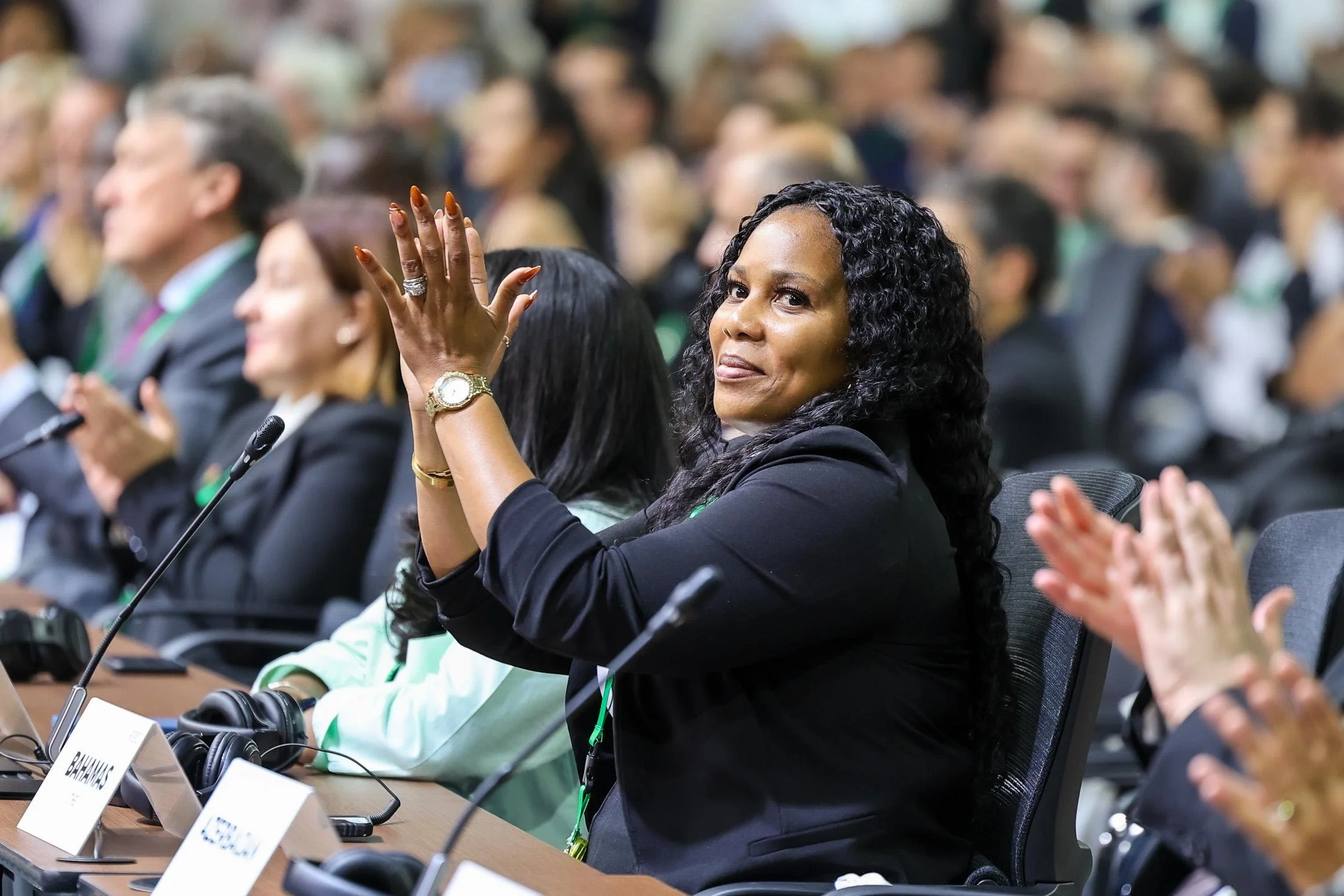
Member states meet at the CBD COP biennially to set global goals, review nature protection progress, and make binding decisions to save plants, animals, and ecosystems. | IISD
CBD protocols
The CBD protocols are legally binding international treaties that establish the actual regulations and compliance mechanisms required to enforce the CBD Convention core pillars.
They include:
The Nagoya Protocol on Access and Benefit-Sharing
Nagoya protocol was adopted in 2010 and sets clear rules of how resources are accessed and handled. The treaty gives nations a reliable way to protect their natural wealth from being taken without permission.
Cartagena Protocol on Biosafety
It is an international agreement designed to balance the benefits of biotechnology with environmental and health safety. It creates rules for the safe transfer, handling, and use of Living Modified Organisms (LMOs/GMOs) across international borders.
Mary Kyanyi is an adaptation and resilience fellow at Power Shift Africa