UNCBD COP17: 5 Things to know
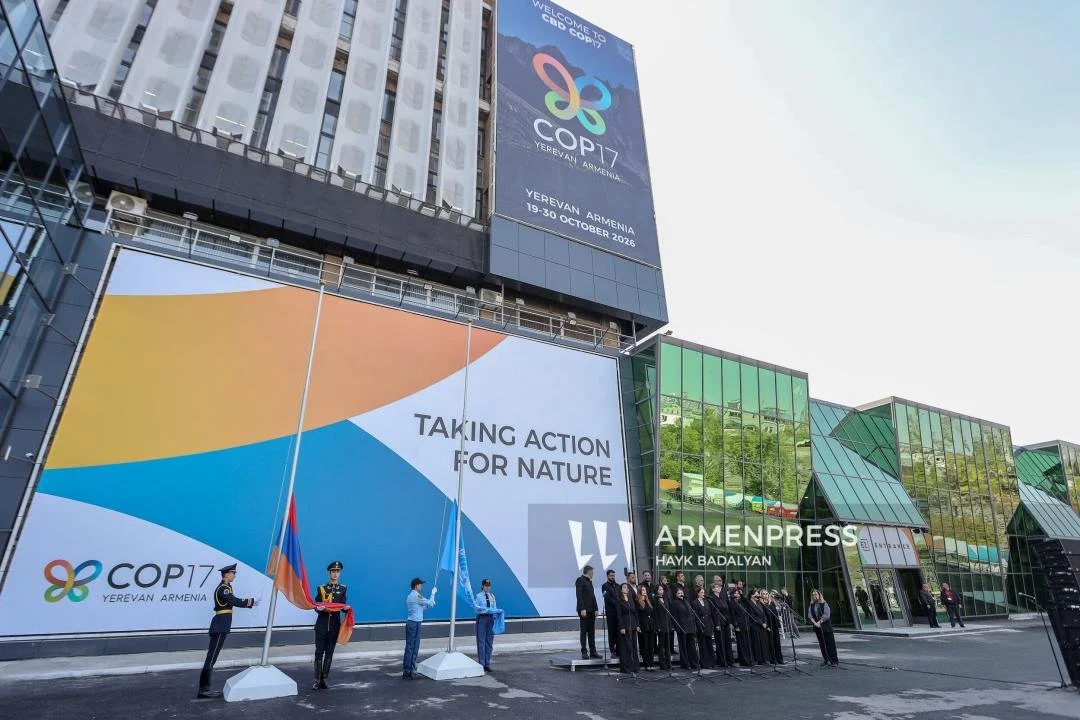
UNCBD COP17 will conduct the first global stocktake of progress made so far in protecting and conserving biodiversity around the world. | IISD
BY MARY KYANYI
COP17 under the United Nations Convention on Biological Diversity (UNCBD) kicked off on Monday, in Yerevan, Armenia, under the theme of “Taking action for nature”. This year marks the halfway point between its framework’s historic adoption in 2022 and the 2030 deadline for meeting its ambitious set of interconnected targets.
A slew of discussions are set to take place for the next two weeks.
These 5 top the list.
Global Stocktake: Implementation of the Kunming-Montreal Global Biodiversity Framework
This is the highlight of this COP. The stocktake comes days after the UN’s first global review confirmed that countries are completely off track on all 23 GBF 2030 targets. Conservation of marine, coastal, and island ecosystems is not happening at scale. COP17 discussions must, therefore, provide ways to accelerate actions for the off-track targets.
Countries will have an opportunity to analyse the findings of the State of Biodiversity Action report and identify the implementation gaps for 22 of the 23 global targets.
“Discussions in the Armenian capital should provide a structured and transparent assessment process to identify and catch shortfalls across all 23 targets. Parties must also prioritise a tracking framework for course correction before the 2030 deadline.”
Marine, Coastal, and Island Biodiversity
Marine ecosystems are essential for food security, climate resilience, and the blue economy. COP17 must put in placed mechanisms that ensure at least 30 percent of oceans globally are protected. At the same time, negotiations in Yerevan must map out the technical implementation guidelines for Target 3 and practical strategies required to scale up Marine Protected Areas (MPAs) by 2030.
Resource Mobilisation
Funding global biodiversity goals remains the elephant in the room. At COP17, the Cali Strategy Review discussion will evaluate how the target of mobilising 200 billion dollars (Target 19) annually by 2030 will be operationalised and achieved.
This is not just a matter of uncovering new revenue. It is about halting the damage wrought on our biological diversity by harmful activities by the global economy.

Mary Kyanyi is an adaptation and resilience fellow at Power Shift Africa. | PSA Media
“Progress on cutting or repurposing harmful subsidies has been slow. COP17 must serve as a turning point to ensure domestic budgets are decisively scaled up toward biodiversity conservation..”
Gender Plan of Action
Discussions around this item will revolve around activating Target 23 of the KMGBF on ensuring gender equality and a gender-responsive approach across all biodiversity actions.
The goals of the Kunming-Montreal Global Biodiversity Framework cannot be realised while neglecting the people who protect it.
“Implementing this framework successfully requires that women, local communities, and Indigenous peoples are put at the forefront of COP17 discussions.”
This is not just about giving them a seat at the table but also acting on their contributions and recommendations. These groups must also be resourced and given equal leadership positions to shape biodiversity and ecosystem discourse.

World leaders, ministers, and delegates from more than 190 countries are gathering in the city of Yerevan, Armenia, to evaluate global progress on halting and reversing nature loss by 2030.
The CALI Fund
This is the financial arm of the multilateral mechanism under the UN Convention on Biological Diversity (UNCBD). Launched in 2025, the fund collects and shares benefits from companies using Digital Sequence Information (DSI) on genetic resources to support global biodiversity and indigenous communities.
Building on the foundation laid at COP16, negotiators are working out the legal structures for the fund. This benefit-sharing mechanism dictates how commercial sectors, including pharmaceuticals and biotechnology, pay into a global fund when utilising Digital Sequence Information (DSI) from genetic resources.
The core debate at COP17 will revolve around shifting the fund from volatile voluntary contributions to structured, mandatory corporate payouts by corporations.
Mary Kyanyi is an adaptation and resilience fellow at Power Shift Africa