Blogs
UNCBD COP17: 5 Things to know
COP17 under the United Nations Convention on Biological Diversity (UNCBD) kicked off on Monday, in Yerevan, Armenia, under the theme of “Taking action for nature”. This year marks the halfway point between its framework’s historic adoption in 2022 and the 2030 deadline for meeting its ambitious set of interconnected targets. This article looks at some of the top discussions set to take place for the next two weeks.
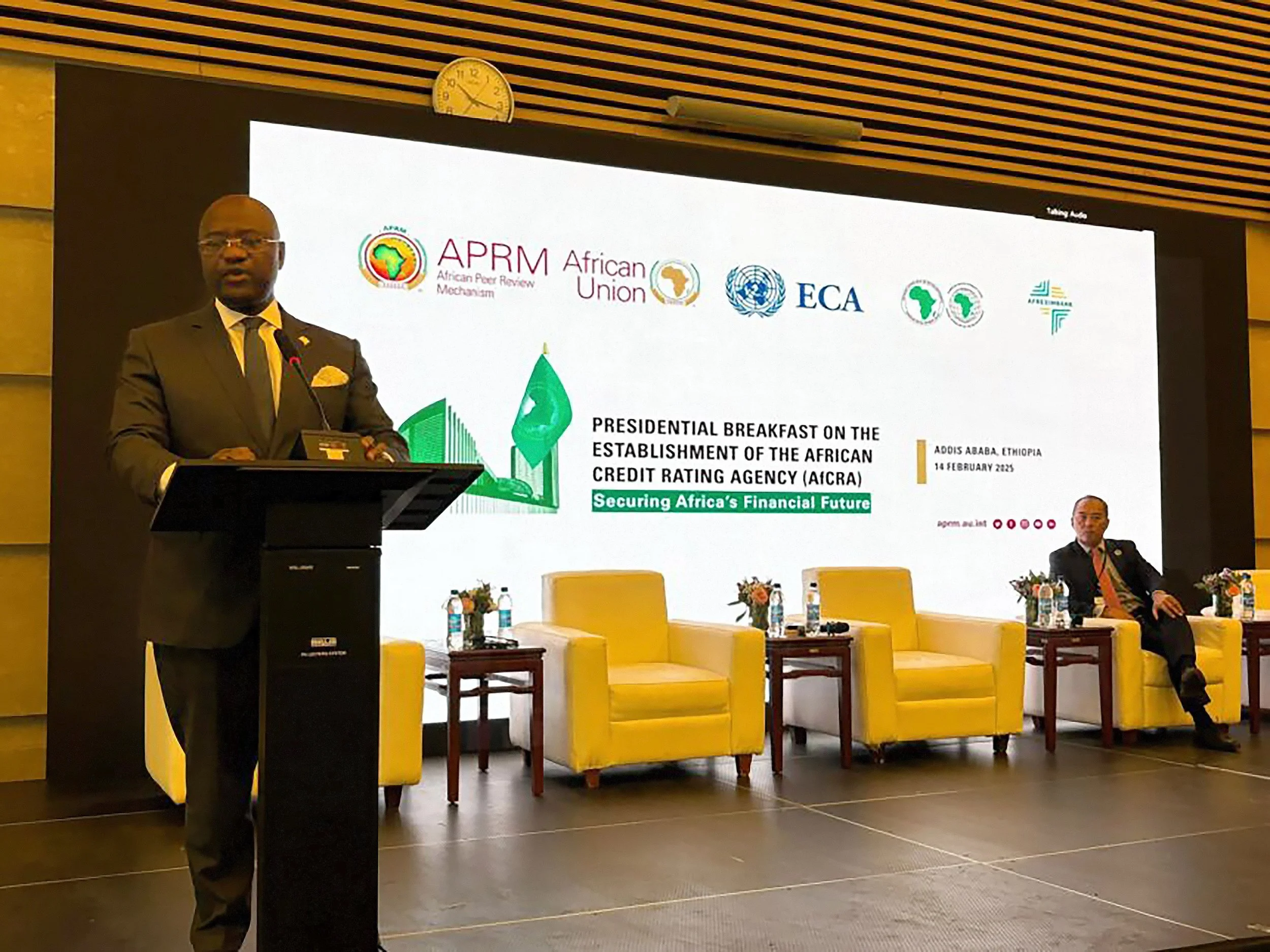
FINALLY, AN AFRICAN CREDIT RATING AGENCY THAT COULD CHANGE HOW WE PRICE ADAPTATION
Africa is about to get its own credit-rating agency, and how it chooses to assess climate risk could have major implications for the cost of borrowing across the continent. The African Credit Rating Agency (AfCRA), endorsed by the African Union in February 2025, is intended to…

BRIDGING THE INCLUSIVITY GAP IN OCEAN DIALOGUES
This is how the 11th Our Oceans Conference can help bridge the inclusivity gap.
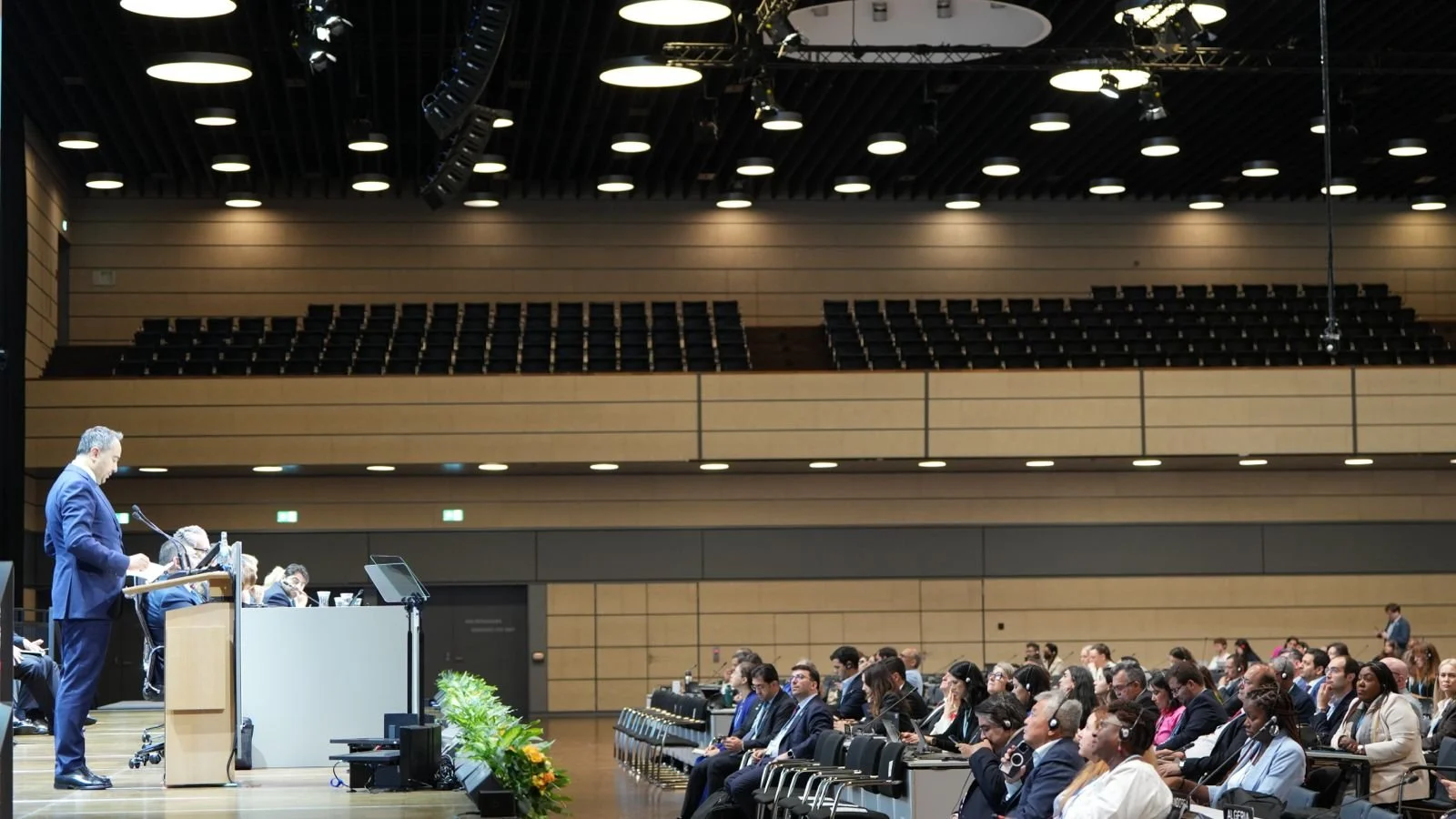
FIGHT FOR THE SOUL OF PUBLIC FINANCE RETURNS TO SB64
The centrality of public finance for climate action is now more critical and timelier than ever for Global South nations.
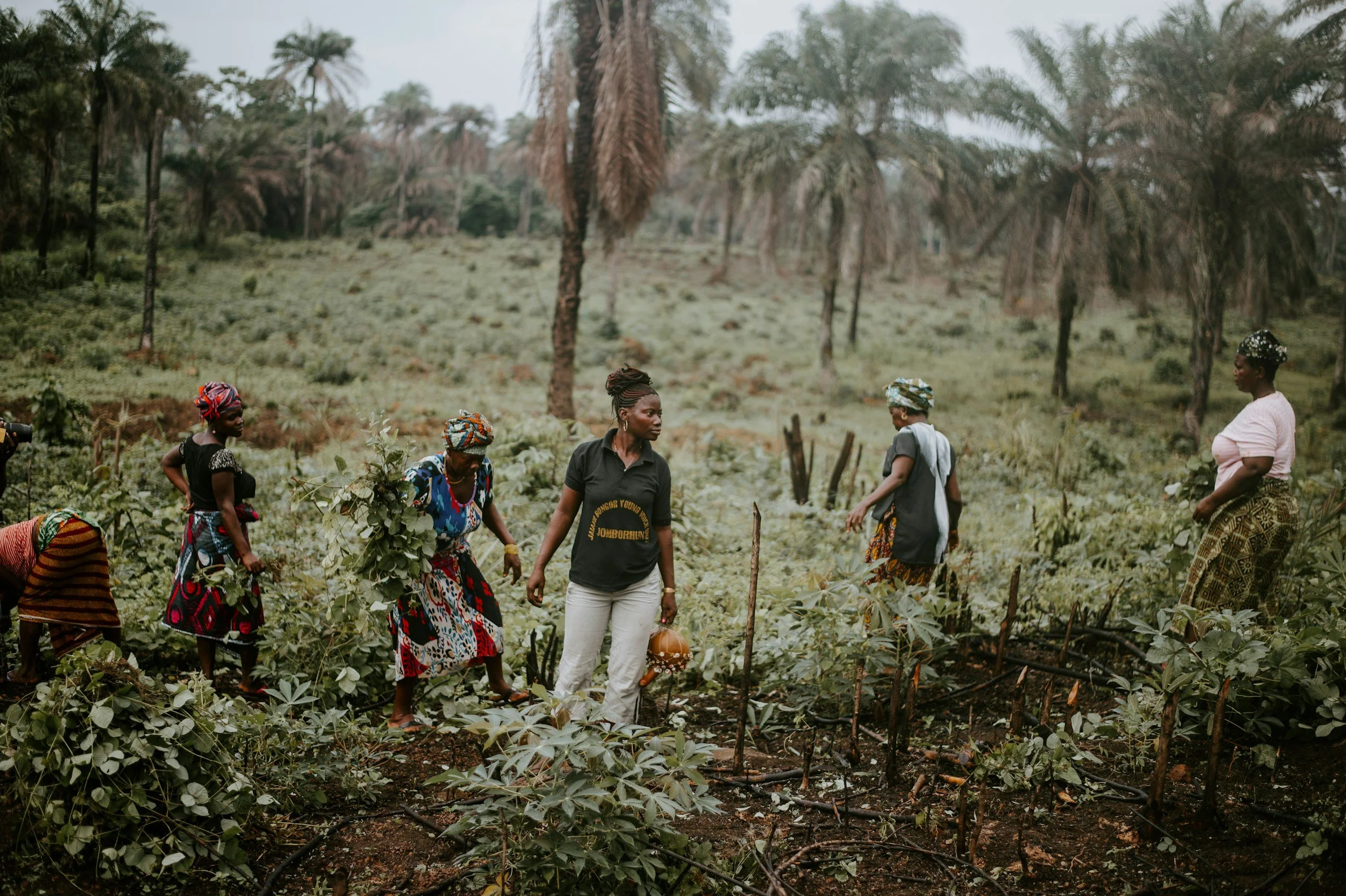
CENTRING WOMEN IN CLIMATE ACTION
For generations, our mothers and sisters have responded to climate hazards such as floods and drought situations, drawing from their gendered roles and socio-economic circumstances.
To challenge the climate crisis, therefore, the role of women cannot be overstated.
Including women in climate policy design and implementation corrects both their historical neglect and contributes degenderised solutions to address context-specific climate needs.
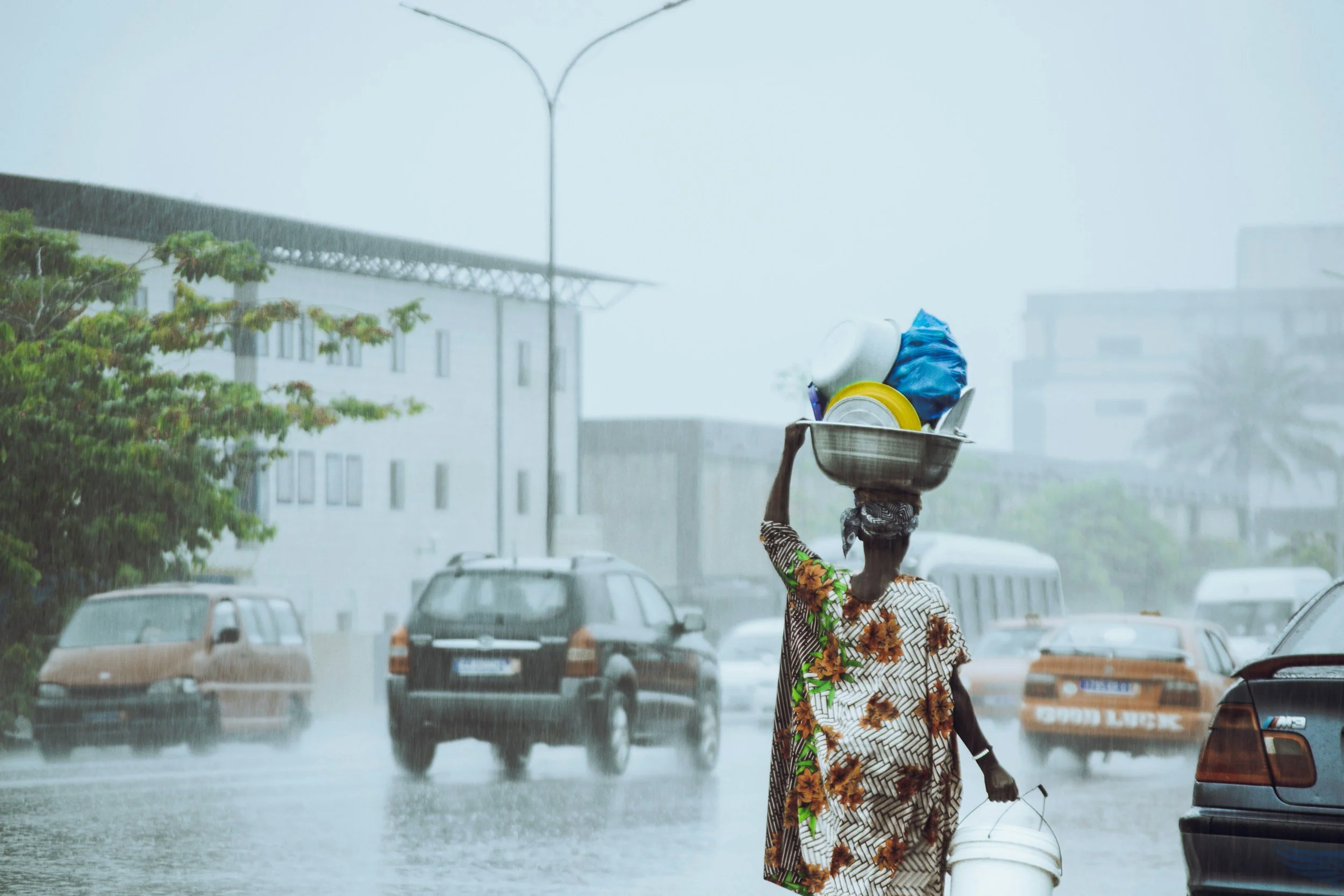
CLIMATE FRAMING: AFRICAN MEDIA MUST RETHINK DISASTER REPORTING
Climate change must not remain an exclusive subject. It must involve the people who bear the brunt of its impacts. For this to happen, climate reporting must shift. Floods and droughts must stop being reported as humanitarian crises. News reports must start to reflect the historical responsibility of developed nations.
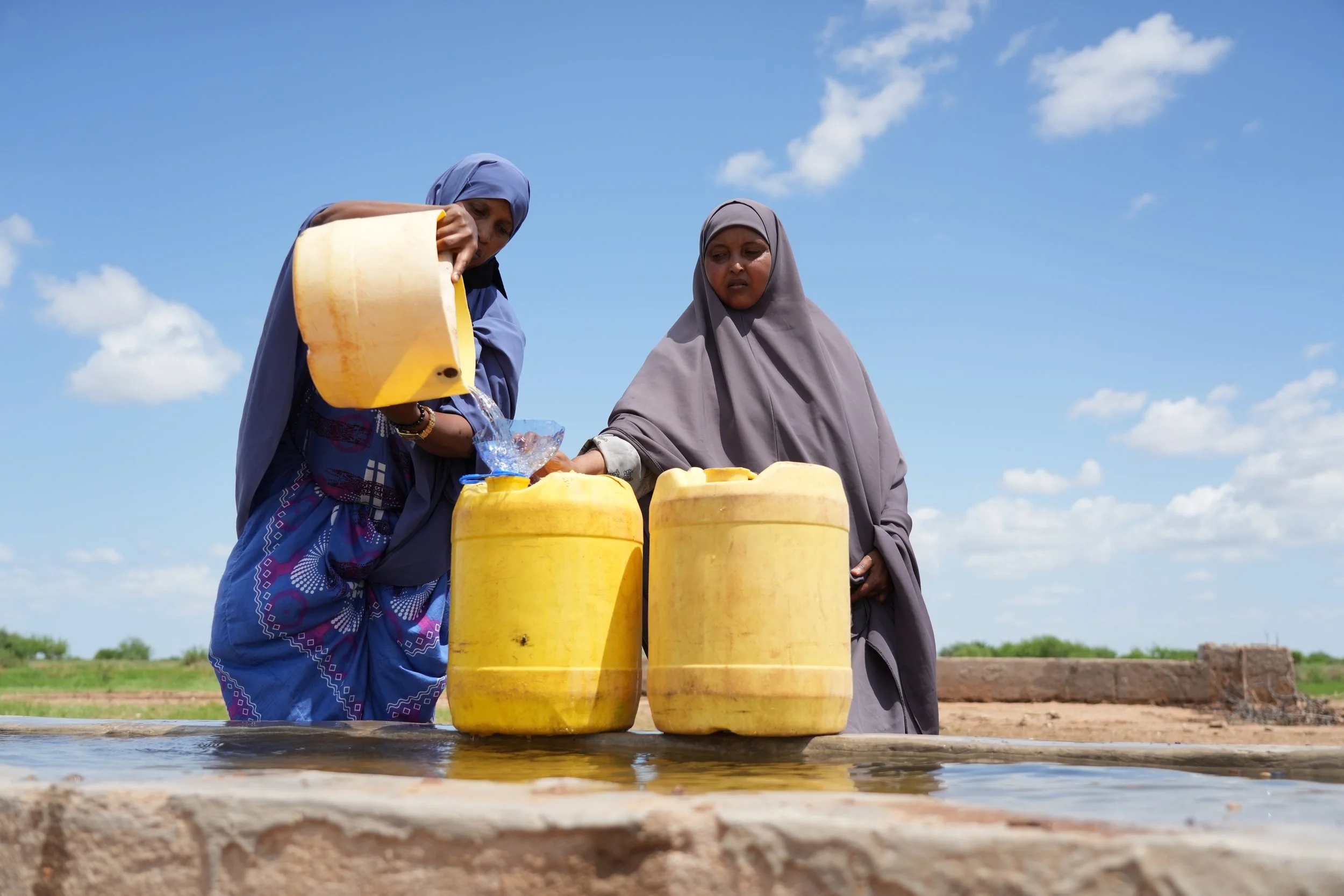
This is How to Make Water Governance in Africa More Inclusive
Despite being disproportionately affected by water scarcity, women around the world, especially in developing countries in Africa, remain underrepresented in water governance. This blog explores ways to make water governance in Africa more inclusive.
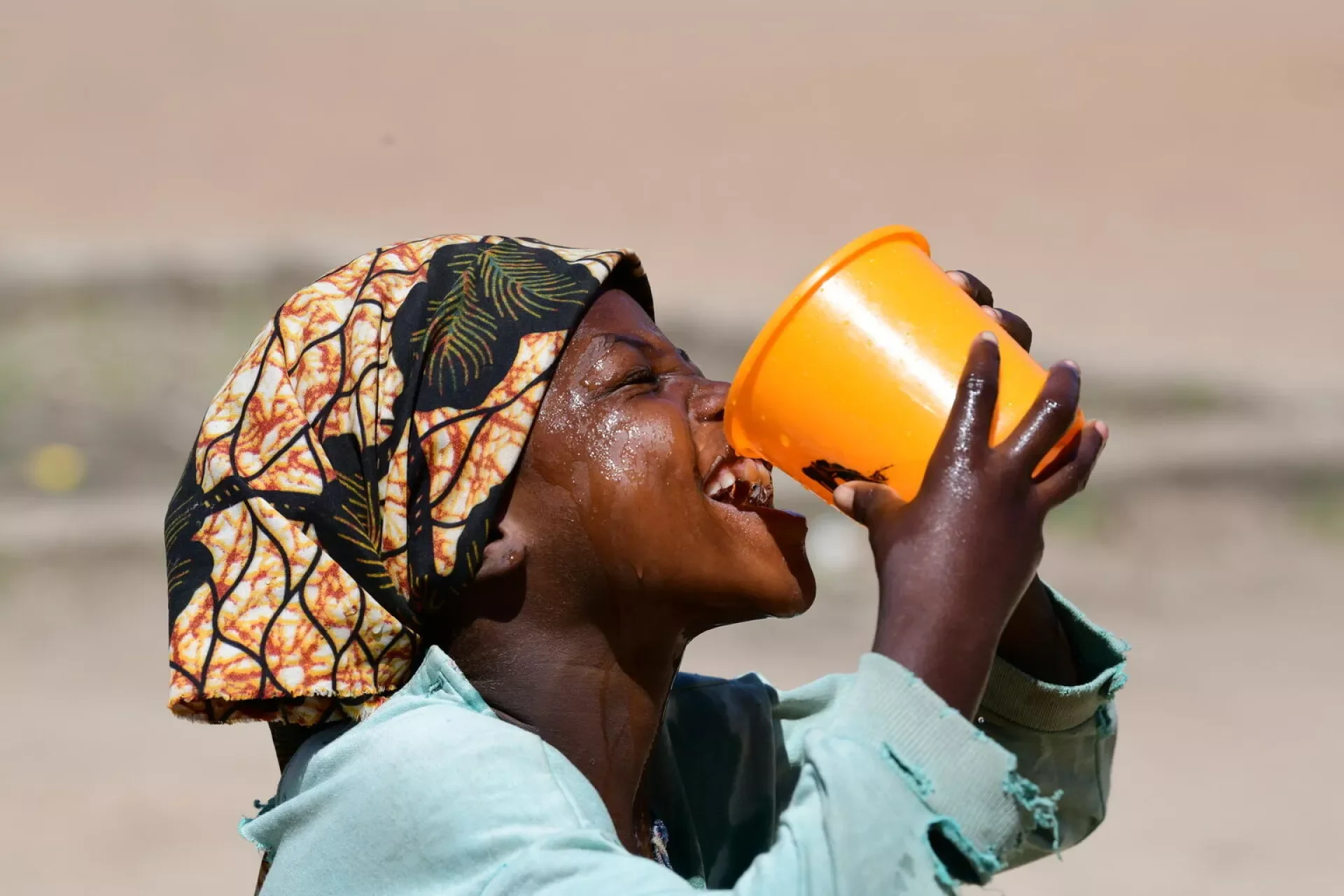
SDG6: SIX WATER NUMBERS THAT MATTER
Experts say severe water scarcity, worsened by the impacts of climate change and rapid population growth, poses an immediate threat to the continent’s stability, economic development, and health.

Inside the Manhize Blueprint: How Zimbabwe is Betting on The Steel Industry to drive Industrialization
Zimbabwe has positioned the Manhize steel plant as the anchor of a new integrated industrial era—one designed to slash the country’s US$1.9 billion steel import bill, deepen value addition, and pull downstream industries into a regional manufacturing hub.
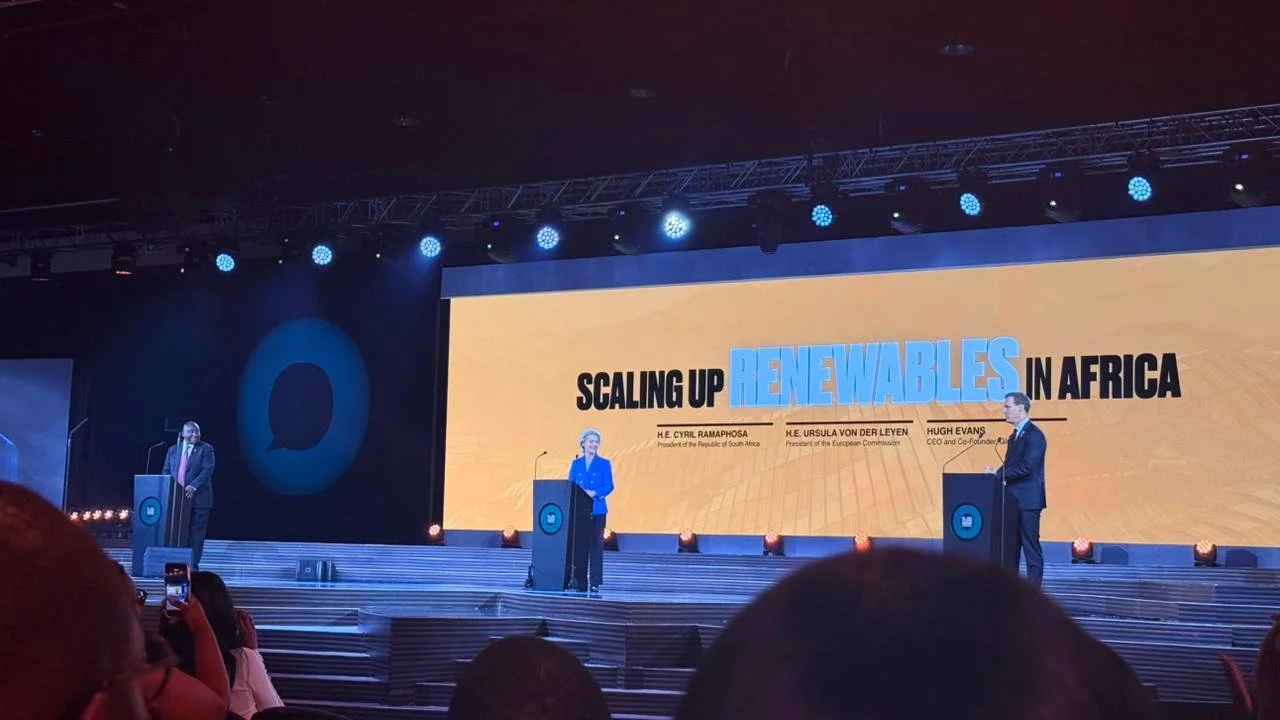
Africa’s Renewable Future: The Money Is Finally Moving — is it Enough, Fair and Free?
Last week, South Africa’s President Cyril Ramaphosa and European Commission President Ursula von der Leyen trumpeted a new wave of commitments by the bloc for the Scaling Up Renewables in Africa campaign, a push that aims to finally unlock the clean energy revolution Africa has been waiting for.

IN BELEM, BRAZIL IS PUSHING FOR BIOFUELS, AND THAT’S BAD FOR OUR TUMMIES
As the Belem climate talks take shape, a striking tension is emerging. On one hand, the Presidency is loudly promoting “Sustainable Agriculture and Resilient Food Systems” as a key agenda, and for us this is a logical and much-needed focus, given the climate burden borne by vulnerable regions. On the other hand, a draft plan leaked ahead of the summit reveals that COP30 is likely to push for a dramatic scale-up of biofuels and other “sustainable fuels”, aligning with paragraph 28’s iteration on fossil fuels from COP28 in Dubai.

AFRICA’S MOMENT AT COP30: SHAPING THE GLOBAL GOAL ON ADAPTATION INDICATORS FOR JUSTICE, RESILIENCE AND REAL ACTION
At COP30 in Belém, Brazil, adaptation is finally centrestage. This conference marks a political crossroads for climate-vulnerable nations, especially across Africa. Two milestones are on the line: the finalisation of indicators to track progress towards the Global Goal on Adaptation (GGA), and the long-overdue delivery of the Glasgow commitment to double adaptation finance by 2025. For the Global South, this is a survival mechanism, a kind of Southern Cross guiding those most exposed to climate shocks toward a more resilient future. But it’s also a test of whether the global community truly intends to make adaptation a shared responsibility, not just a polite conversation topic for diplomats

EXPLAINER: Baku to Belém Roadmap to US$1.3 Trillion
In this explainer, we explore what the Baku to Belém Roadmap to US$1.3 trillion is, its role in mobilising resources for climate action in developing countries, and the perspectives of Africa’s civil society.

A BEGINNER’S GUIDE TO ARTICLE 9.1 OF THE PARIS AGREEMENT
When you open the Paris Agreement and read Article 9.1, you’ll find a seemingly simple sentence with monumental implications. It reads: “Developed country Parties shall provide financial resources to assist developing country Parties with respect to both mitigation and adaptation in continuation of their existing obligations under the Convention.” But don’t let its brevity fool you. That “shall provide” is the foundation of the global climate finance architecture. For Africa and the developing world, Article 9.1 is a lynchpin of fairness, feasibility and trust in climate action.

TIME IS NIGH FOR RECOGNITION OF AFRICA’S SPECIAL NEEDS WITHIN THE UNITED NATIONS CLIMATE REGIME
For Africa, the political symbolism of recognition would be significant. It would signal that the international community understands that climate justice cannot be achieved through generic frameworks alone and reaffirm that the climate regime is not blind to the particularities of geography, history, and structural inequality. And, most importantly, it would show that multilateralism can still deliver fairness in an increasingly fragmented global order

Running on Empty: 10 Quick Takes from the Adaptation Gap Report, 2025
The 2025 edition of the annual Adaptation Gap Report by the United Nations Environment Programme (UNEP) was launched yesterday, highlighting, once again, the growing disparity between adaptation needs and the finance required to mount robust resilience against climate change in the world. ‘‘The world is gearing up for climate resilience — without the money to get there,’’ warns the report, poignantly titled ‘‘Running on Empty’’. In this blog, we analyse some of the key findings and recommendations of the report.
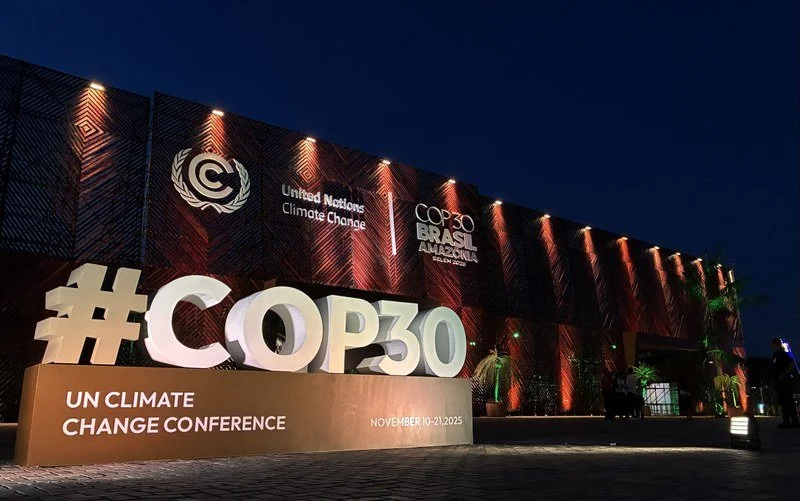
COP30 Action Agenda: what it is and why it matters
With just days to COP30 in Belém, Brazil, the summit’s Action Agenda has been referenced multiple times in different conversations. The African Group of Negotiators (AGN) has been advised to engage with this action agenda ‘‘constructively but firmly’’. In this blog, we explain what the Action Agenda is and why it’s important in global climate action.

ADAPT2WIN: WHEN CHAMPIONS TURN CLIMATE WARRIORS
As the world sprints toward COP30 in Belém, Brazil, one unlikely front has emerged in the race against climate change, and that is sport. It’s where flooded football pitches, melting ski slopes, and parched running tracks tell a story no scoreboard can capture. And it’s where the new global campaign, Adapt2Win, is rallying athletes to use their star power to push for serious action on climate adaptation.

COP30 Adaptation Letter is Welcome but Not Enough
Brazil’s 8th COP30 welcome letter should be received with both hope and caution.
Yes, it signals ambition. Yes, it speaks of unity and urgency. But from where we stand, in communities losing homes to floods, farmers battling unpredictable rains, and countries drowning in debt while paying for a crisis they didn’t create, warm words are not enough.
The Global South, especially Africa, has heard visionary speeches before. What we need now is clarity on who will act, who will pay, and who will finally take responsibility.
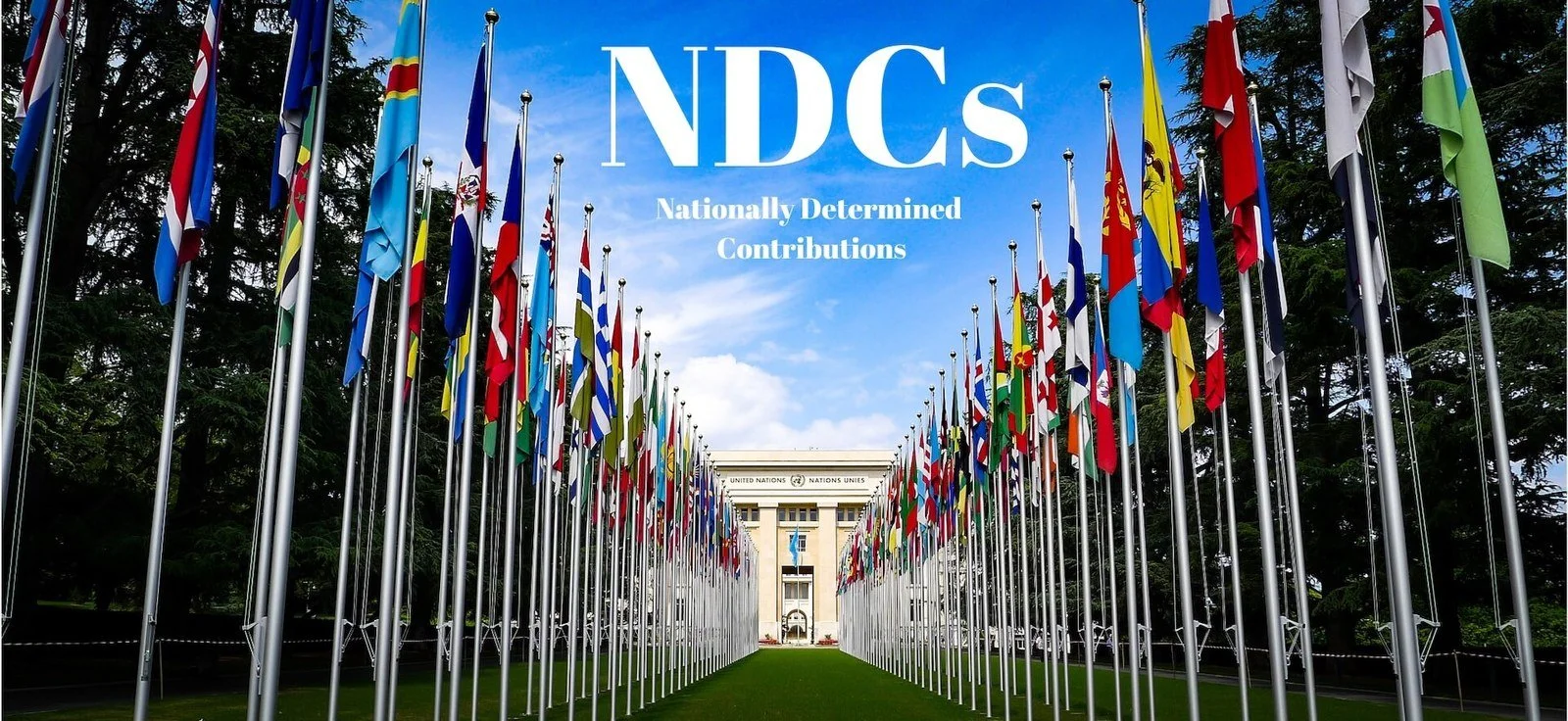
Leading from the Tail: Major countries that failed to submit their NDCs
When the deadline for submitting Nationally Determined Contributions (NDC) lapsed last month, more than 100 countries had yet to update their commitments. The UN had extended the deadline to September after 90 percent of the world's nations failed to meet the initial target of February. Seven of these countries, and a regional bloc, are industrial powerhouses with carbon-intensive economies and significant diplomatic sway globally. So, where do they rank in the global emissions output? In this list of shame, we will highlight the main drivers of their emissions, the composition of their electricity mix, and the last time they updated their NDCs.