BRIDGING THE INCLUSIVITY GAP IN OCEAN DIALOGUES

BY MARY KYANYI
More than 70 percent of Earth is covered by oceans. These connect continents, sustain economies, harbour biodiversity, and regulate the planet’s energy balance.
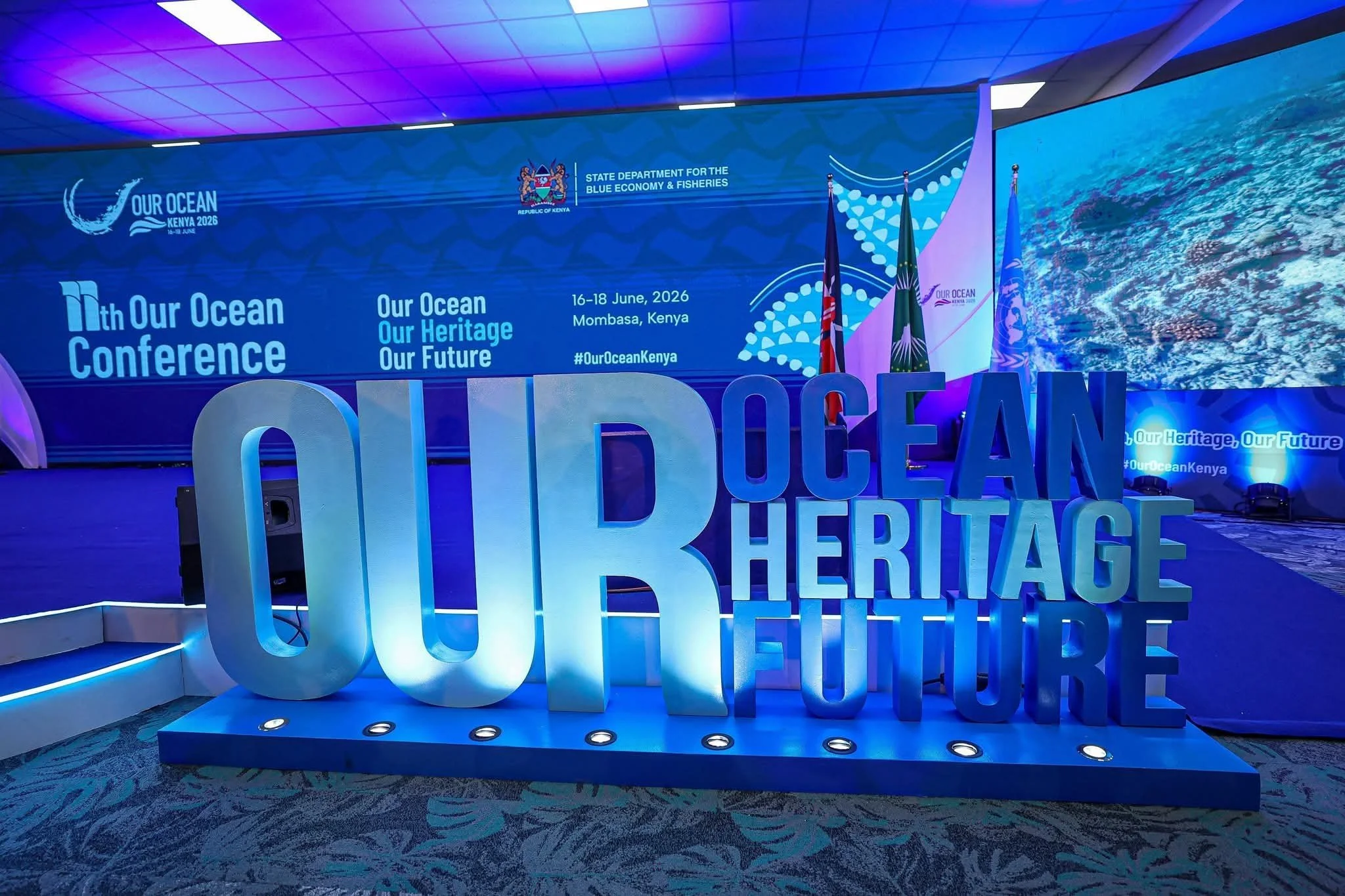
The eleventh edition of Our Oceans Conference, happening in Kenya, therefore, holds immense value, especially following the entry into force of the Biodiversity Beyond National Jurisdiction Agreement and the Third World Ocean Assessment.
The third World Ocean Assessment is a priceless guide towards successfully delivering ‘‘Our Ocean Conference’’ by not only informing decisions but also providing opportunities towards the achievement of SDG14 and beyond.
This is because the assessment carries important cross-cutting ingredients, largely omitted from conferences, including, notably, Indigenous Peoples, Local Communities, and the youth. Just like food can’t have taste without seasoning, it is practically impossible to have a prosperous and promising ocean governance mechanism without these.
Every ocean conference in the past has offered a wide range of solutions, from the restoration of mangroves to the eradication of ocean pollution. Yet these cannot be implemented without the relevant stakeholders at the center of the decision-making process.
The youth, local communities, and indigenous people are at the forefront of marine conservation, from leading community-based mangrove and coral restoration to influencing international policy dialogues on sustainable fisheries.
In the past, indigenous people, local communities, and young people have been overlooked in ocean dialogues. During the third United Nations Oceans Conference in 2025, for instance, these groups were marginalised.
“The past 10 years have been marked by the continued exclusion of these grassroots formations in ocean conservation dialogues by a system that only commits but fails to deliver. ”
This raises an important question: How will commitments be delivered if grassroots communities and youth continue to struggle to gain recognition, access to opportunities, and influence high-level discussions and decision-making processes on ocean governance?
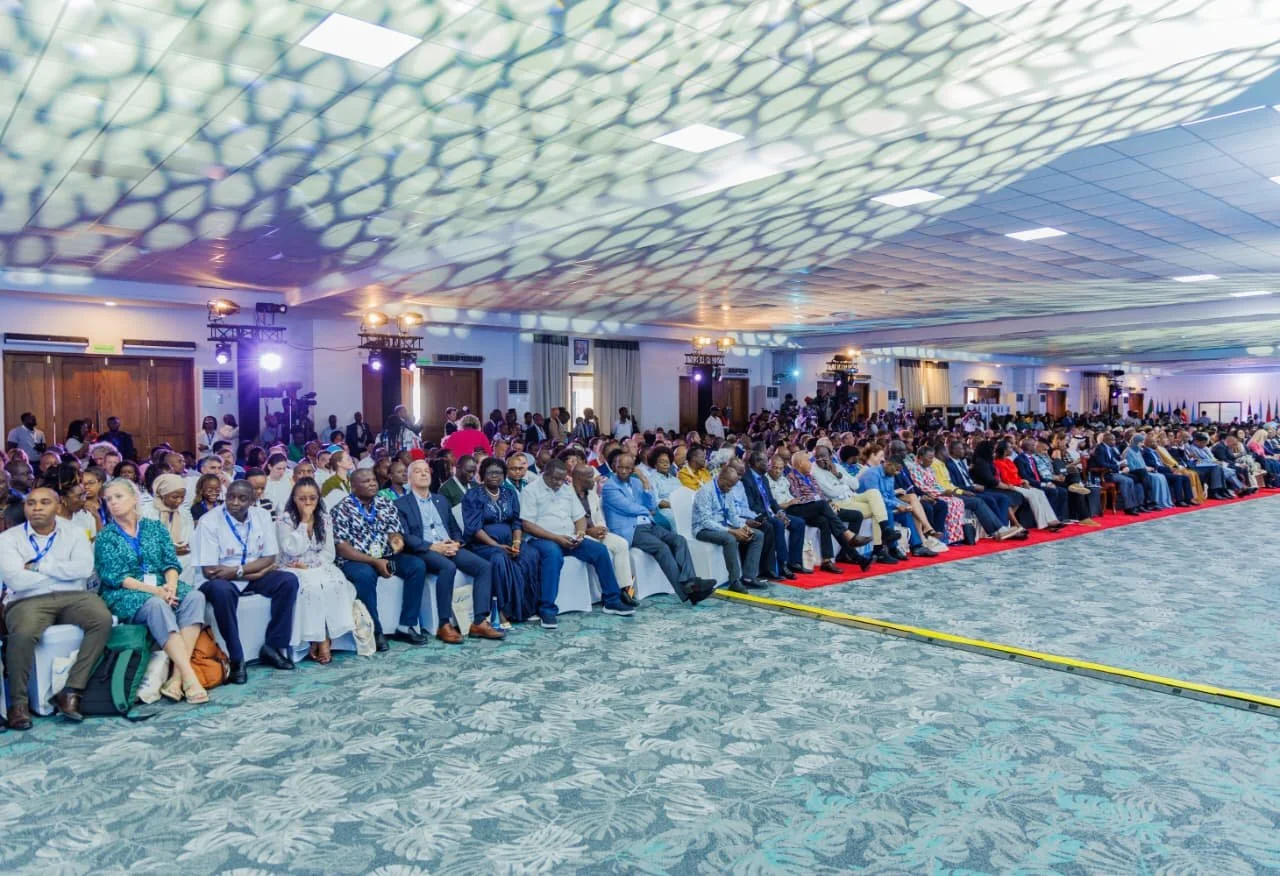
The 11th Oceans Conference has an opportunity to change this. In Mombasa, the unfair power balance structure that has existed for years must start to be broken. This is the time to give them the room to contribute to the discussions that are the basis of implementation.
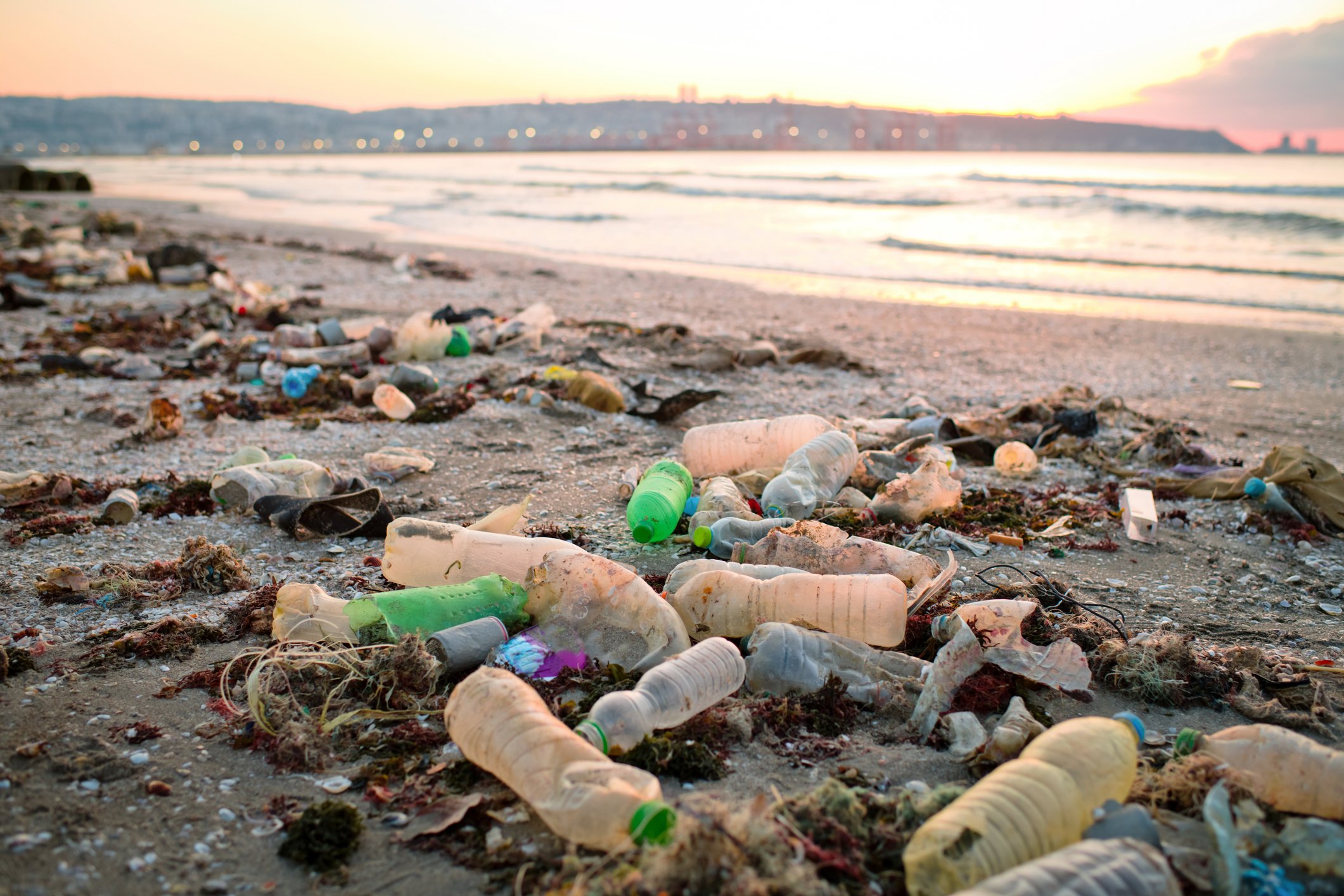
The successful conservation and protection efforts for oceans and coastal areas require integrated approaches, including ecosystem and locally led-based adaptation, reduction of land-based sources of pollution, effective sea-to-source management, and sustainable fisheries.
“Our oceans sustain life on Earth. To promote sustainable livelihoods, prosperous blue economies, and development, conservation of these water bodies is nonnegotiable.
”
There’s a need for concerted global, regional, and local action to respond to the challenges facing our oceans.
Even more crucially, governments globally must partner with Indigenous Peoples and local communities, women, youth, and other actors to ensure equitable and inclusive ocean governance.
Mary Kyanyi is an adaptation and resilience fellow at Power Shift Africa
There are also concerns regarding the Adaptation Fund operating on less than half of its minimum annual target of $300 million for the third consecutive year. This is a 27 percent drop in the current Global Environment Facility replenishment cycle.
“Restoring trust in the multilateral climate process depends entirely on whether developed nations will treat their financial obligations with the same urgency as the climate impacts currently battering the world’s most vulnerable. ”
These downward trajectories signal growing risks to the successful delivery of the New Collective Quantified Goal (NCQG). The trends have to be reversed immediately.
Developing countries have demanded a shift from dialogues to concrete outputs and action as a path forward. They warn against repetitive and unconstructive dialogues and technical reports, calling instead for a Party-driven process that leads to concrete decisions at the political level.
This includes an operational action plan, with concrete milestones and accountability mechanisms, that ensures predictable and accessible finance for vulnerable countries.
The centrality of public finance for climate action is now more critical and timelier than ever for Global South nations.
Restoring trust in the multilateral climate process depends entirely on whether developed nations will treat their financial obligations with the same urgency as the climate impacts currently battering the world’s most vulnerable.
Saada Mohamed is a Climate Finance Advisor at Power Shift Africa