FIGHT FOR THE SOUL OF PUBLIC FINANCE RETURNS TO SB64
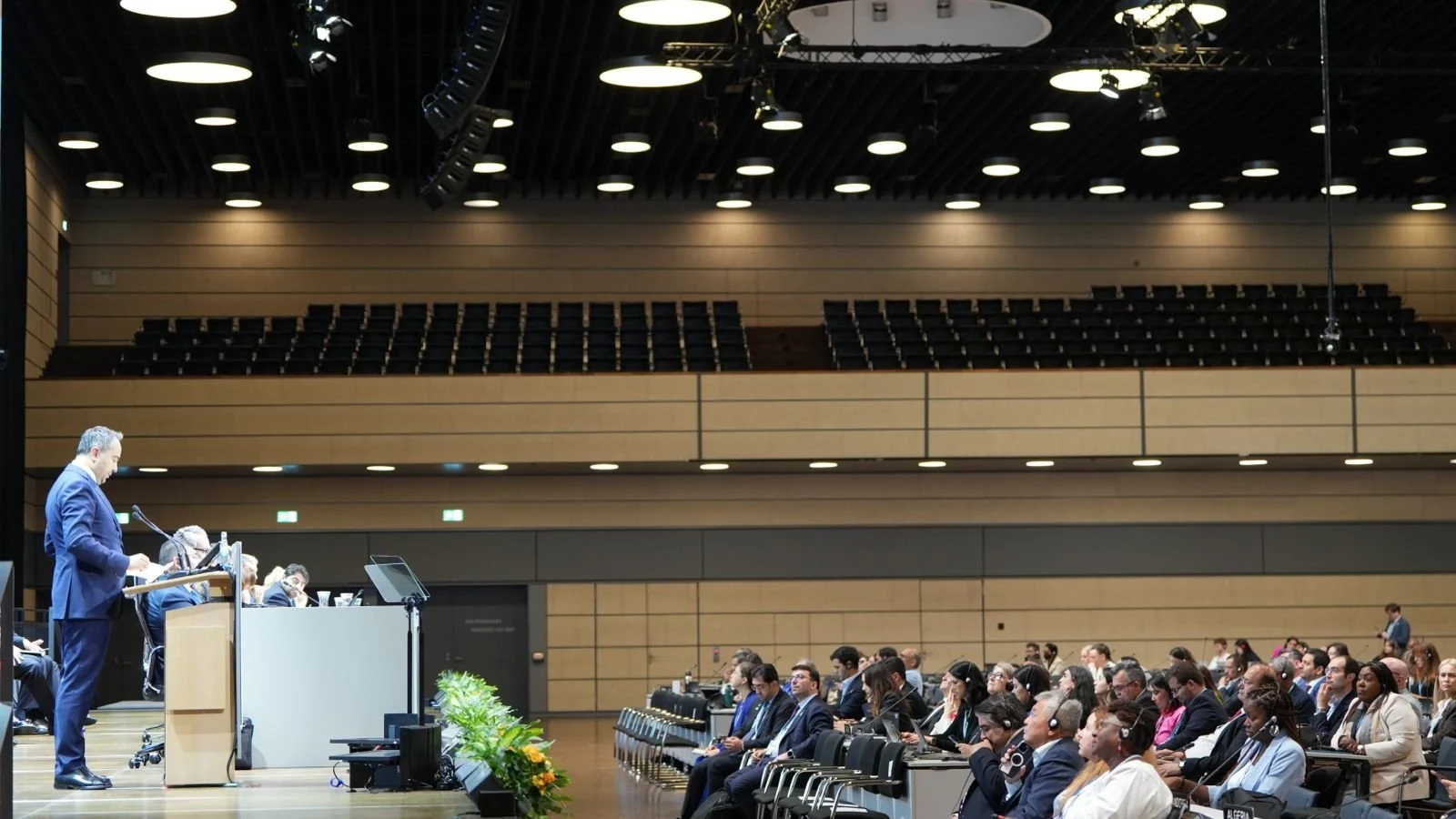
Delegates attending the launch of the roadmap and priorities for COP31 at the Bonn Climate Conference in Bonn, Germany. | PSA Media
BY SAADA MOHAMED
The centrality of public finance for climate action is now more critical and timelier than ever for Global South nations.
As the global community gathers for the June climate talks in Bonn this year, the negotiation halls are witnessing a familiar pattern of intense friction.
At SB64 this year, climate-vulnerable countries and rich nations have renewed the fight for the future of public climate finance as the soul of the Paris Agreement. This tension revives memories of last year’s agenda fight at SB62 that famously delayed the 2025 Bonn session by two days, before spilling over to COP30 in Belem.
In Bonn, finance discussions are informed by the ‘‘Mutirão’’ decision of COP30, which established a two-year Work Programme on climate finance, including Article 9.1 in the context of the entire Article 9 of the Paris Agreement.
Article 9.1 of the Paris Agreement explicitly requires developed countries to provide public and grant-based financial resources to assist developing nations in accelerating climate action.

Saada Mohamed is a Climate Finance Advisor at Power Shift Africa | PSA Media
For years, developing country blocs have expressed deep frustration with the dwindling political will from wealthy nations to honour these legal obligations.
“Failure to honour climate finance commitments has led to accountability gaps, deflection of responsibility, and the erosion of trust over time. ”
The 2026 Bonn discussions have been heated yet again, with Parties largely rehashing their long-standing divisions on the work programme while debating the scope of the mandate, the nature of finance, and the process of governance.
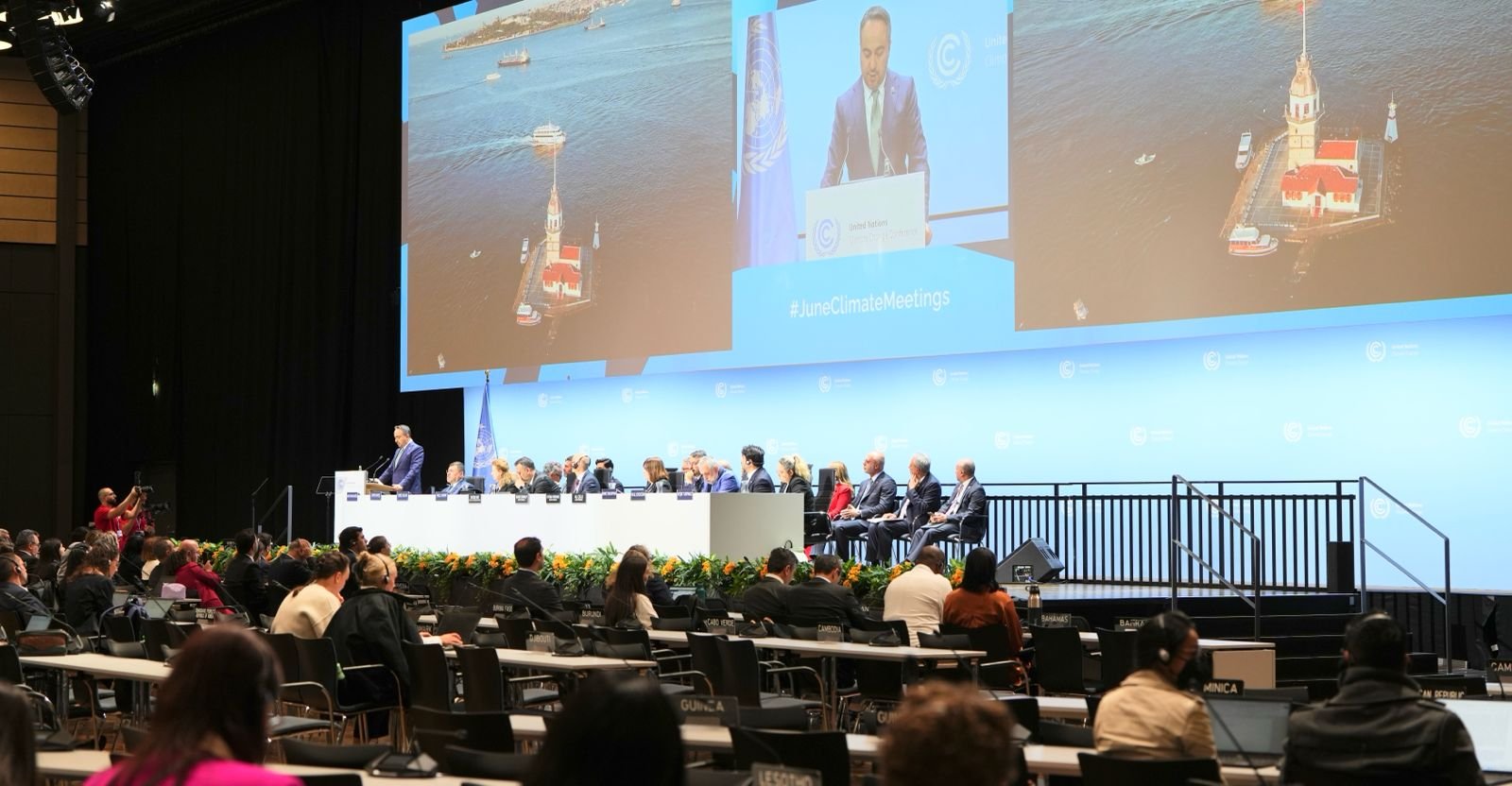
Delegates during a session at the 2026 Bonn Climate Conference | PSA Media
For climate-vulnerable countries, the red lines have been firmly anchored in the following non‑negotiable positions. They have repeatedly maintained that the scope of the work programme should preserve the centrality of public finance under Article 9.1 as a legal obligation.
This is critical to ensure that climate finance is not treated as a voluntary gesture or charitable contribution but as a legal obligation.
“Private finance merely complements rather than substitutes public, grant-based funding essential for climate adaptation and loss and damage. ”
As such, the immediate priority of developing countries remains enhancing predictability, adequacy, and transparency of public finance provision and delivery as a cornerstone of climate action.
In response, developed countries have continued with their dangerous attempt to dilute their existing obligations while shifting responsibility. They have continuously argued that the scope should include mobilisation of finance from a variety of sources, including private sector actors and even voluntary contributions from developing countries themselves.
While acknowledging the role of private finance, developing countries have throughout the session maintained that private finance merely complements rather than substitutes public, grant-based funding essential for climate adaptation and loss and damage.
Most importantly, the revival of the public finance fight at SB64 is fuelled by the alarming reality of funding cuts occasioned by the ongoing deprioritisation of the climate agenda by the rich countries.
Just before the Bonn talks, France and Germany announced funding cuts to multilateral climate funds. Developing countries have repeatedly cited the withdrawal of $4 billion and $1.1bn pledges by the United States and the UK from the GCF, respectively.

Delegates chat on the sidelines of SB64 in Bonn, Germany | PSA Media
There are also concerns regarding the Adaptation Fund operating on less than half of its minimum annual target of $300 million for the third consecutive year. This is a 27 percent drop in the current Global Environment Facility replenishment cycle.
“Restoring trust in the multilateral climate process depends entirely on whether developed nations will treat their financial obligations with the same urgency as the climate impacts currently battering the world’s most vulnerable. ”
These downward trajectories signal growing risks to the successful delivery of the New Collective Quantified Goal (NCQG). The trends have to be reversed immediately.
Developing countries have demanded a shift from dialogues to concrete outputs and action as a path forward. They warn against repetitive and unconstructive dialogues and technical reports, calling instead for a Party-driven process that leads to concrete decisions at the political level.
This includes an operational action plan, with concrete milestones and accountability mechanisms, that ensures predictable and accessible finance for vulnerable countries.
The centrality of public finance for climate action is now more critical and timelier than ever for Global South nations.
Restoring trust in the multilateral climate process depends entirely on whether developed nations will treat their financial obligations with the same urgency as the climate impacts currently battering the world’s most vulnerable.
Saada Mohamed is a Climate Finance Advisor at Power Shift Africa