CENTRING WOMEN IN CLIMATE ACTION
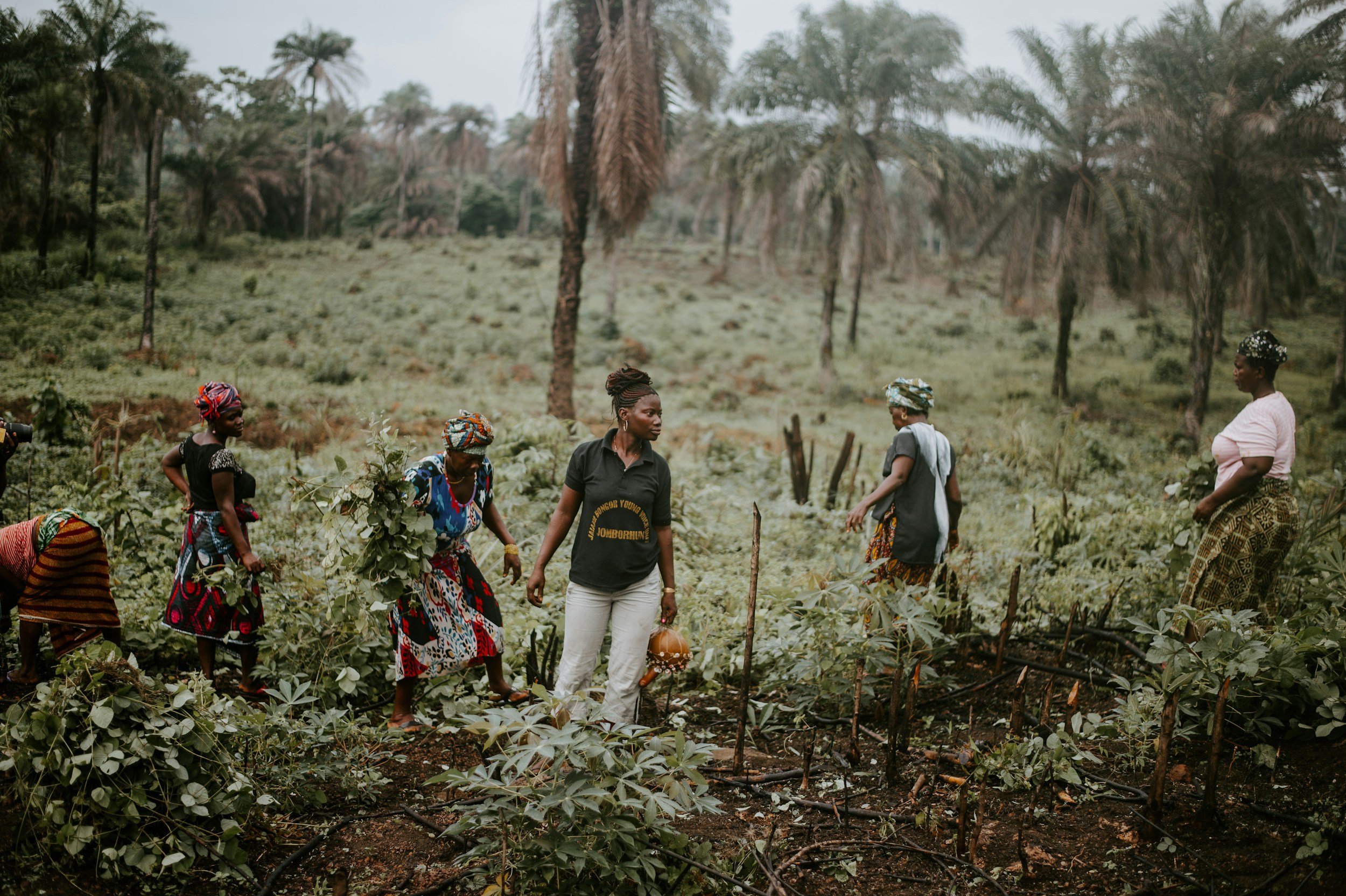
African women working in a farm. | STOCK
BY NDIVILE MOKOENA AND FREDRICK OTIENO
How can we center women in climate action? How can we support them to nurture and scale nature-based adaptation, resource-use efficiency, clean cooking, and sustainable agriculture?
In the documentary Washed Away by Power Shift Africa, it’s evident that women are not only uniquely exposed to climate hazards but are also resilient to rebuild life after disasters.
At the same time, the power in climate innovations and solutions such as agroecology, water conservation, ecosystem restoration, and caregiving is largely wielded by women.
For generations, our mothers and sisters have responded to climate hazards such as floods and drought situations, drawing from their gendered roles and socio-economic circumstances.
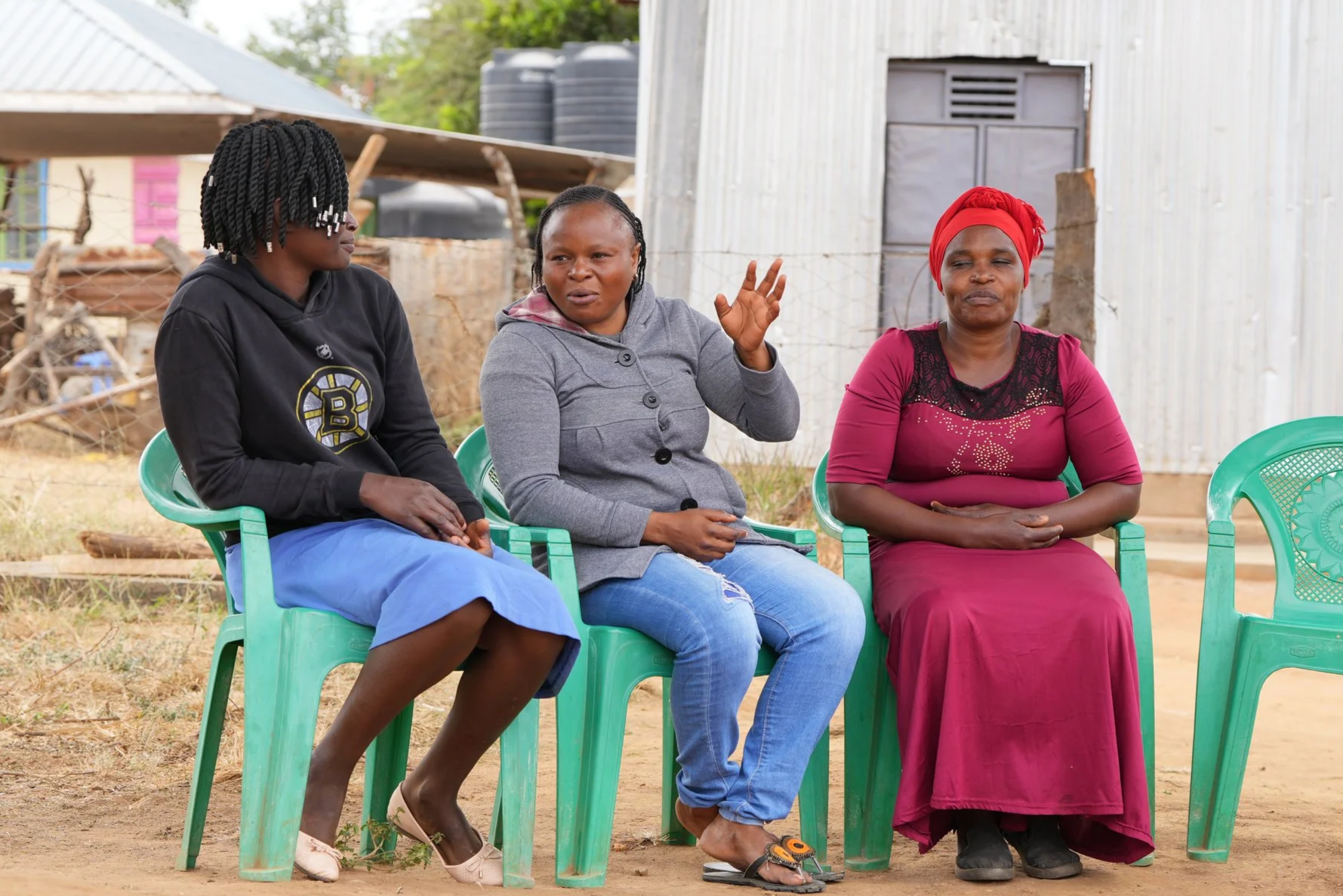
Evidence shows that women are not mere bystanders or entirely helpless. | PSA Media
To challenge the climate crisis, therefore, the role of women cannot be overstated.
Including women in climate policy design and implementation corrects both their historical neglect and contributes degenderised solutions to address context-specific climate needs.
“Involving women in developing climate-positive interventions such as Nature-Based Solutions (NBS) could strengthen food security and bolster community resilience. ”
To do this, Gender Equality, Disability and Social Inclusion (GEDSI) principle must be embedded in the implementation of NBS to ensure that climate action is inclusive, intergenerational, and transformative.
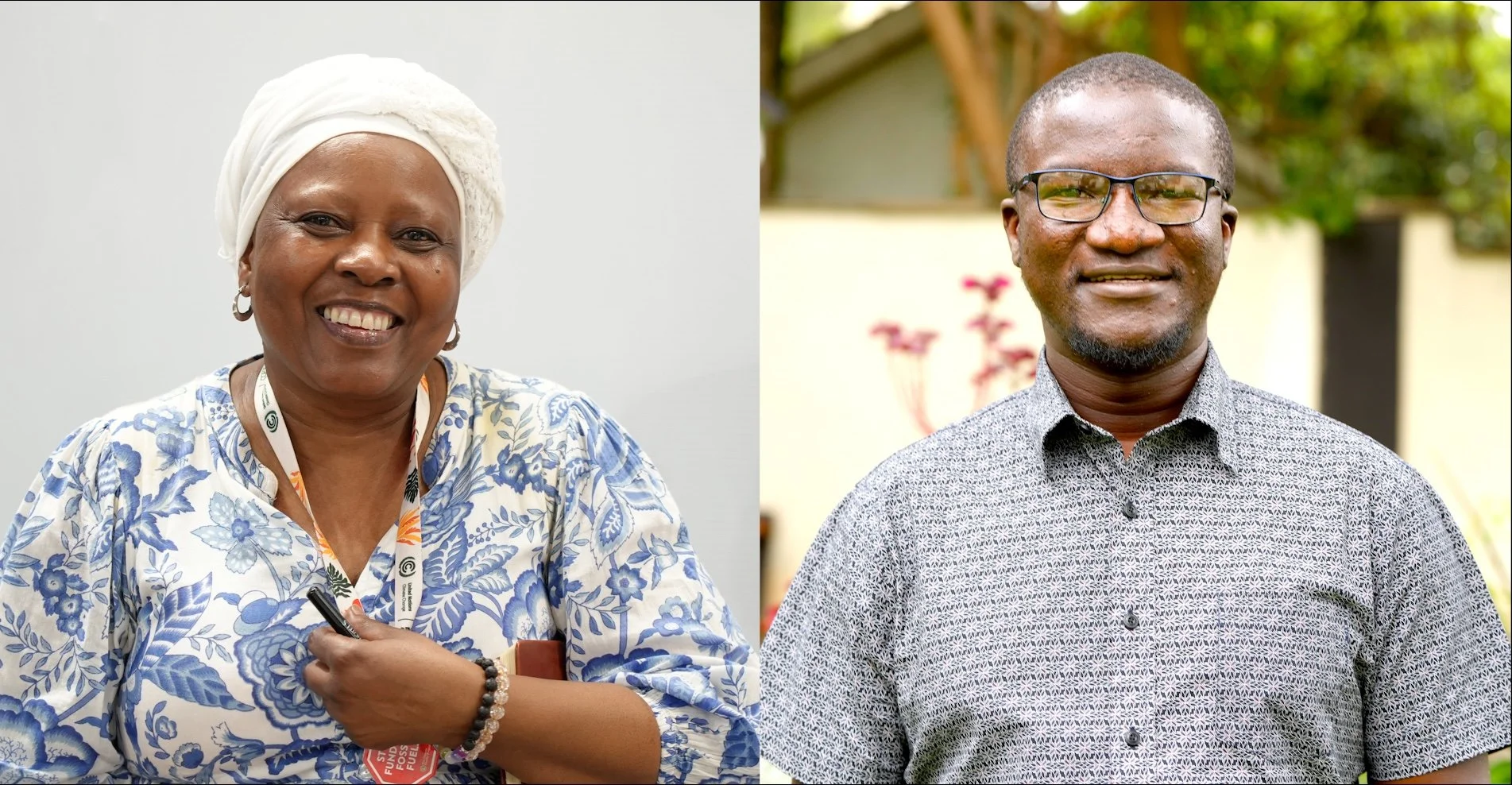
Ndivile Mokoena and Fredrick Otieno. | PSA Media
Already, gender inequalities undermine women farmers who often lack land rights, credit, and access to climate-smart technologies. This only pushes them further down the trap of hunger, poverty, and dependency.
Empowering and deliberately valuing their ideas and incorporating them in policy frameworks contribute to their general well-being and societal prosperity.
Evidence shows that women are not mere bystanders or entirely helpless.
“Despite the sociocultural limitations, African women are contributing groundbreaking solutions to some of today’s most pressing problems. ”
In South Africa, women are mustering the power to rewrite their story. In the Soweto suburb of Cape Town, South Africa, for instance, most community urban forestry are spearheaded by women. These women plant fruit trees to combat food insecurity and create green jobs. In Nigeria, Women in Nature Conservation (WINCO) carries out similar initiatives.
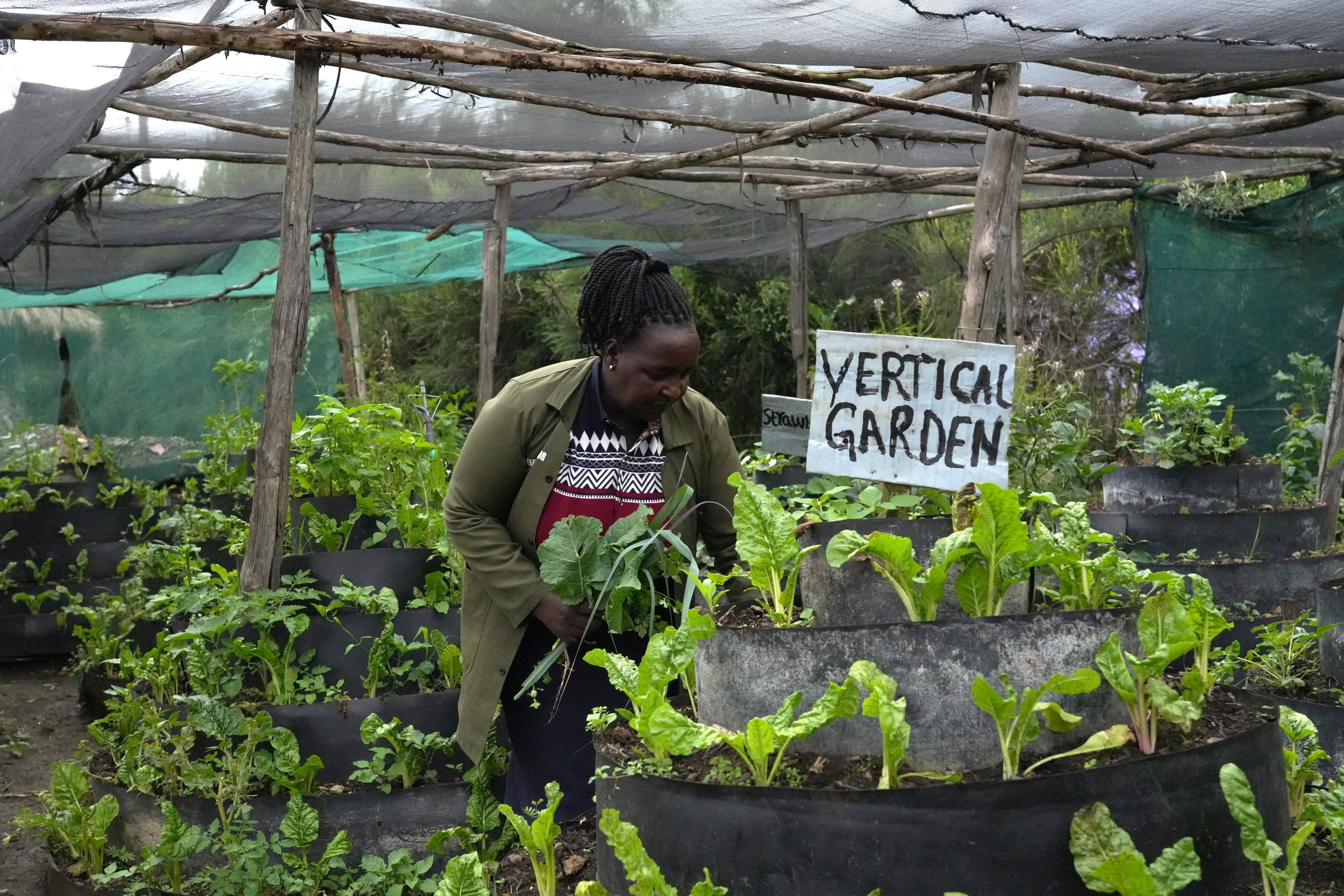
Beatrice Wangui working in her garden in Gilgil, Kenya. | PSA Media
Causes like the Green Belt Movement in Kenya, founded by Wangari Maathai, and others across the continent, show how women’s leadership can restore ecosystems and empower communities. The Shea Empowerment Foundation in Nigeria, Herou Alliance in Mali, and Baobab des Saveurs in Senegal have all been inspired by Maathai’s bold vision.
In Uganda, women’s cooperatives are driving wetland restoration to secure water and livelihoods, while in Senegal, women farmers are adopting agroforestry practices to improve soil fertility and nutrition.
Justice, gender, and climate aren’t isolated from one another. Having limited access to land, low financial inclusion, patriarchy and limited ability to own property by women is a justice issue that reduces the resilience of women. There’s a need to harmonise laws with existing guidelines such as the Maputo Protocol and the African Union Convention.
Around the world, and especially in Africa, multiple hindrances undermine women’s power, notable among them the shrinking civic space, anti-rights rhetoric, and weak legal systems. Collectively, these threaten progress.
However, these challenges can be overcome by deliberately embedding the GEDSI principle into climate governance to foster inclusive strategies that guarantee the resilience of women.
The only certain way to build this resilience and achieve sustainable development is to link climate action to women’s rights and access to justice.
Ndivile Mokoena is a co-director for GenderCC SA
Fredrick is a Project Associate at Power Shift Africa