
Delegates from around the world are pictured here attending COP16 in Cancun, Mexico, in 2010, where the National Adaptation Plans (NAPs) were established. | UNFCCC
BY MARY KYANYI
When COP 16 in Cancun, Mexico, established the process to formulate and implement National Adaptation Plans (NAPs), it marked a significant step towards realising adaptation action within national contexts. The decision brought adaptation to the limelight of global climate action, with the UNFCCC officially agreeing to support vulnerable countries in fighting the negative impacts of climate change.
Effectively, NAPs became a tool to help developing countries in Africa and elsewhere elevate locally led adaptation, support the development of national policies, structure climate plans, as well as protect the lives of people at the forefront of climate impacts.
Yet more than a decade after Cancun, many developing countries are still struggling to formulate and implement their NAPs even as communities continue to suffer the worst impacts of climate change.
According to a new report by Power Shift Africa, ''A Just Transition for Adaptation'', Africa requires roughly $70 billion annually to adapt to the worsening climate impacts but only received $14 billion in 2023. Despite more than 140 vulnerable countries initiating their NAPs process and identifying needs, lack of finance and persistent capacity gaps have made NAPs only a plan on paper.
To fully implement the current NAPs, the world requires between $310–$365 billion, according to the UNEP’s Adaptation Gap Report, 2025. Despite the financing shortfall, NAPs have not been a complete failure. Vulnerable countries like Kenya, through FLoCCA, have been able to drive locally led and community adaptation, including in agriculture and water access. The NAPs are mainstreaming climate actions directly into national reports, bridging the gap between local communities and national government as well as creating narratives of building resilience at the regional level.
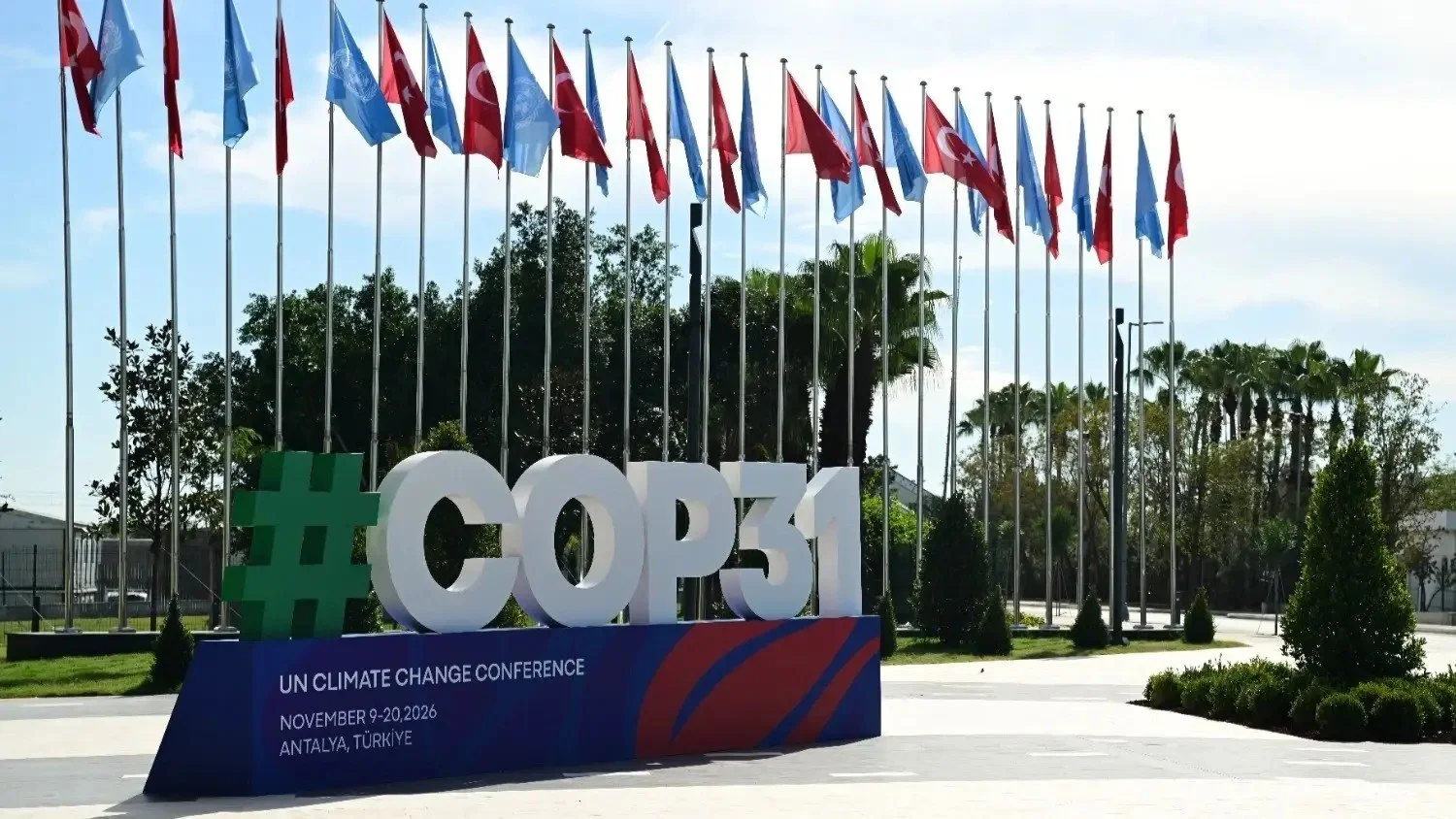
COP31 in Antalya, Turkey, will mark 16 years since National Adaptation Plans (NAPs) were established under the UNFCCC. | STOCK
Bridging the NAPs formulation and implementation Gap
A full implementation of locally led adaptation that matches the contextual reality is the only pathway to ensuring long-term resilience. NAPs provide the ideal vehicle for building collective prosperity amidst a changing climate. To deliver the aspirations and shift NAPs from being a mere tool for planning to a strategy for delivering true transformation, a couple of things must happen, including:
Delivering on the NCQG
Africa and vulnerable countries are already footing a significant portion of the bill of adapting to the severe impacts of climate change. The only thing that is needed to drive adaptation actions is unleashing the Means of Implementation as mandated under the newly established finance goal.
Equally important, Parties must ensure that at least 70 percent or more of public adaptation finance flows to developed countries in form of grants. Enabling direct access to funding will ensure nations operationalise NAPs while securing funding for projects in communities that need to protect their homes and livelihoods or rebuild after disasters.
Emotional appeal? Africa must stop begging
NAPs shield the continent's more than 1.4 billion people's right to food, clean water, safe housing, and life itself. As such, Africa and other developing countries need to operationalise their NAPs. To do that, they need finance. Adaptation finance is not charity but a human right. Its delivery is a central component of the global climate justice imperative. Africa, therefore, must not beg for this support. Years of begging have not yielded predictable support.
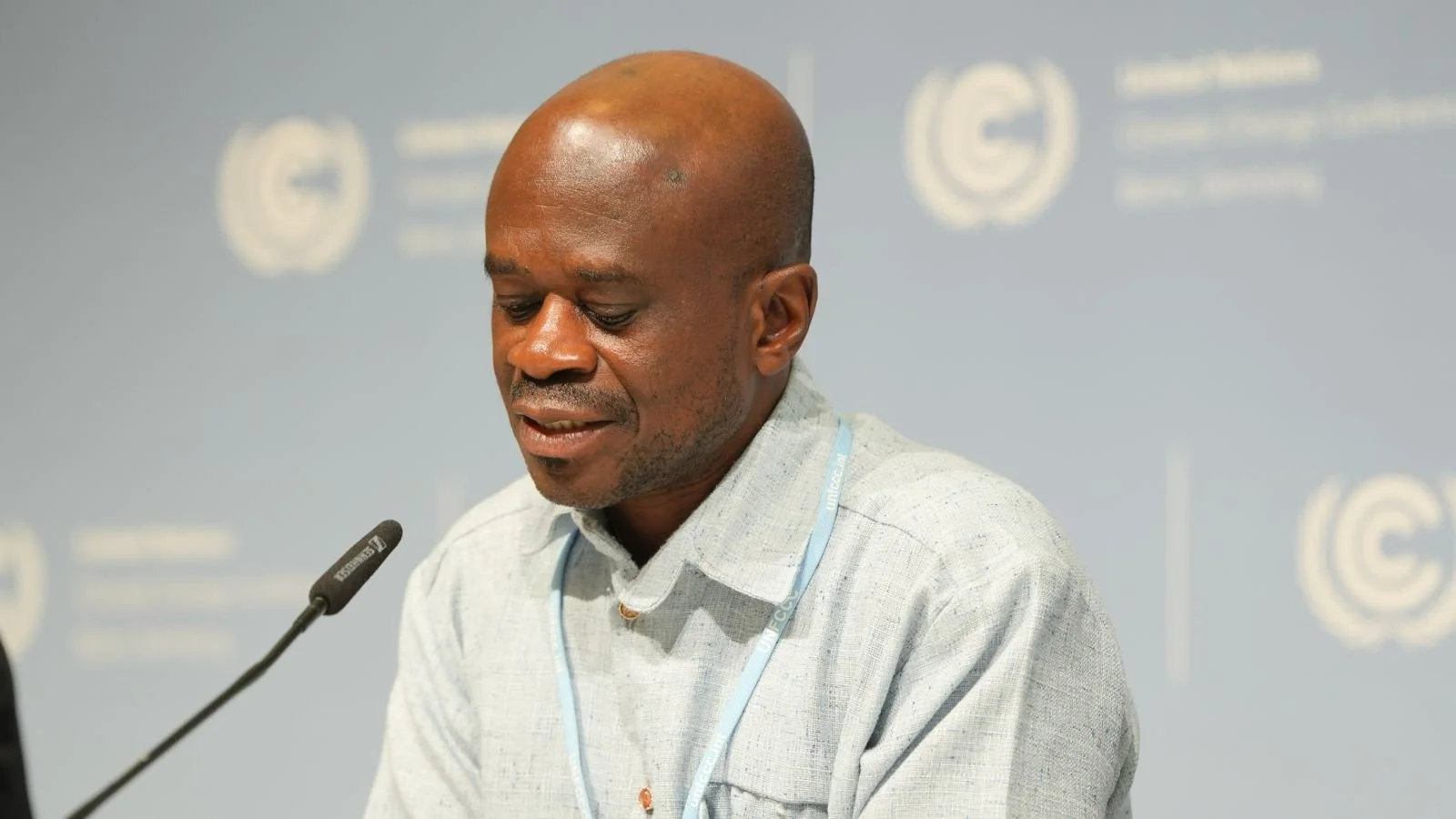
The Chair of the African Group of Negotiators, Nana Dr Antwi-Boasiako, will lead the negotiations on behalf of the continent at COP31 in Antalya, Turkey. Africa wants adaptation finance to be part of the agenda at the summit. | STOCK
Shifting the climate narrative
Firsthand climate experiences are not mere stories. They are evidence of economic distress, displacement, and loss of life. As such, lived realities of Indigenous Peoples, Local Communities, women and youth across the Global South must become an international conversation to help demand justice for them. These stories must start to be woven into demands for climate reparations and accountability to drive action beyond mentions in policy documents. The world cannot continue to treat climate vulnerability like ordinary, inconsequential experiences.
Operationalise the GGA through NAPs
NAPs remain an important avenue for delivering the Global Goal on Adaptation and its indicators. This is important to ensure that the targets are directly integrated into national targets. This is also crucial to ensure that resources trickle down from the national to the subnational levels and that they reach frontline communities.
This is necessary to achieve the aspirations of the UAE Framework for Global Climate Resilience. It will also promote accountability, transparency, and effective tracking of finances channeled to adaptation projects at the local level. Ultimately, this will help scale adaptation work.
Mary Kyanyi is an Adaptation and Resilience Fellow at Power Shift Africa