The AfDB is sinking billions into a violent Mozambique fossil gas project; it surely can do better than this
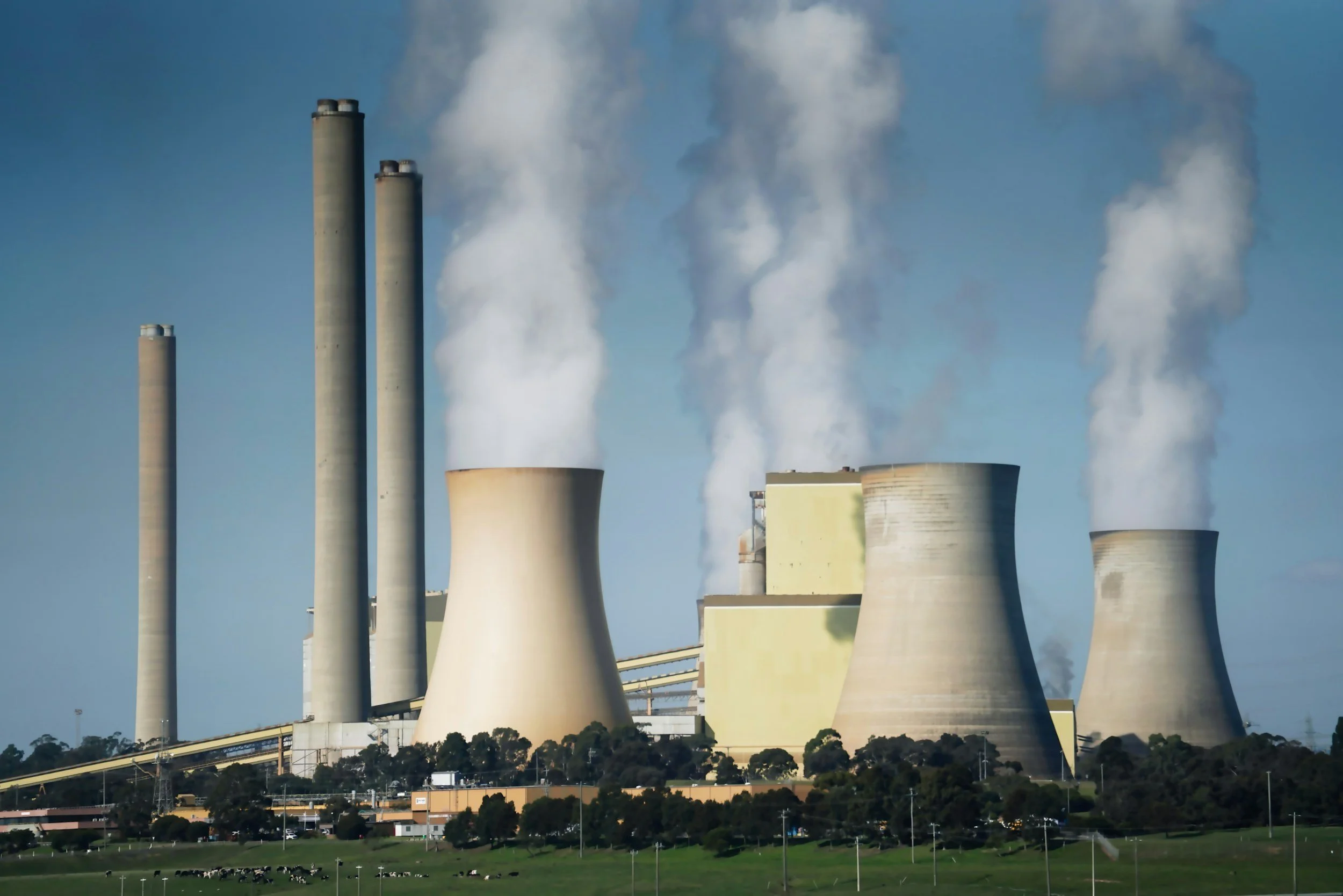
This is a gas plant
BY CHRISRIAN HOUNKANNOU AND KARABO MOKGONYANA
The African Development Bank (AfDB) likes to present itself as the champion of Africa’s sustainable future, but its growing financial support for large liquefied natural gas (LNG) projects in Mozambique tells a different story; one that risks deepening local fragility, undermining climate commitments, and locking an already vulnerable country into a risky fossil-fuel path.
Since 2020, the AfDB has put more than US$550 million into LNG developments in Mozambique, including a recent US$150 million stake in the Coral North Floating LNG project.
For a bank that has pledged to align its investments with the Paris Agreement, this direction is deeply concerning.
Cabo Delgado, the heart of Mozambique’s LNG boom, has suffered a violent insurgency since 2017. At least 6,257 people have been killed, including more than 2,600 civilians. Over 1.1 million people have been displaced from their homes, and in 2021 Afungi, one of the flagship LNG projects, was forced to halt operations after deadly attacks. While vast gas reserves in the region promised economic transformation, local communities have faced disruption rather than opportunity. There have been growing concerns over land dispossession, loss of livelihoods, limited access to jobs, and exclusion from the benefits linked to LNG projects.
At the same time, the expansion of LNG projects has been accompanied by increased militarisation to secure energy infrastructure. This has reshaped local dynamics, sometimes intensifying tensions between communities, the state, and private actors, particularly in contexts where concerns about human rights abuses and lack of accountability have been raised
This is not the environment for a megaproject sold as a development engine. Large extractive projects in fragile regions like Cabo Delgado often inflame tensions rather than calm them. Communities lose access to land and natural resources, livelihoods are disrupted, benefits are uneven, and grievances deepen. For a development bank, this should trigger the highest level of caution.
In Cabo Delgado, the overlap between resource extraction, weak governance, and social exclusion has created conditions where conflict can deepen rather than be resolved Yet so far, there is little publicly available evidence showing that the AfDB has fully assessed the conflict risks or ensured that project security operations respect human rights.
Without transparency and community engagement, these projects risk worsening instability rather than supporting peace.
A climate time bomb
Mozambique’s contribution to global emissions is tiny, but it sits on the frontlines of climate change, battered by cyclones, floods, and rising food insecurity year after year.
The environmental risks are immediate. The LNG projects sit along a coastline that sustains thousands of families through fishing and small-scale marine economies. Construction, dredging, and increased ship traffic threaten habitats, biodiversity, and local livelihoods.
But the public can’t properly assess these risks, because many of the key environmental and social studies have not been fully disclosed. When communities are left in the dark, they cannot protect their rights, negotiate fair compensation, or understand the full consequences of the changes coming their way.
Supporters of the LNG projects often tout massive revenue projections of US$35 billion over decades, along with thousands of jobs. But experience from other resource-rich African countries paints a more complicated picture.
Extractive industries often create few long-term jobs, benefit elites over local communities, and leave countries vulnerable to global price swings.
Most benefits flow to multinational companies and political elites, not the communities living near the projects. Meanwhile, investment in LNG can crowd out funding for renewable energy and clean cooking solutions that would directly improve lives in the short term. Mozambique’s future should not be reduced to a gamble on volatile fossil fuel markets.
The AfDB can and must do better
None of these concerns are abstract. They touch on the Bank’s own policies on safeguards, conflict sensitivity, climate alignment, and inclusive development. The issue here is not opposition to development, but insisting on development that is sustainable, transparent, and just.
Before AfDB pushes ahead with more LNG financing, it should release all conflict and environmental risk assessments; engage in transparent and inclusive consultations with affected communities; assess credible alternatives, including renewable energy pathways; and demonstrate alignment with a 1.5°C-compatible future. These are basic standards for responsible development finance.
Mozambique deserves a path that brings stability, resilience, and prosperity. Africa deserves institutions that lead the continent into a clean energy future, not deeper into fossil dependence. The AfDB still has a choice: to lead Africa toward a just and sustainable energy future, or to reinforce the very systems that undermine it.
Christian Hounkannou is an Energy Coordinator and Karabo Mokgonyana Campaigns and Energy Advisor at Power Shift Africa.