UNGA81: DON’T RESCUE US, PROVIDE CONDITIONS THAT ALLOW US TO BUILD
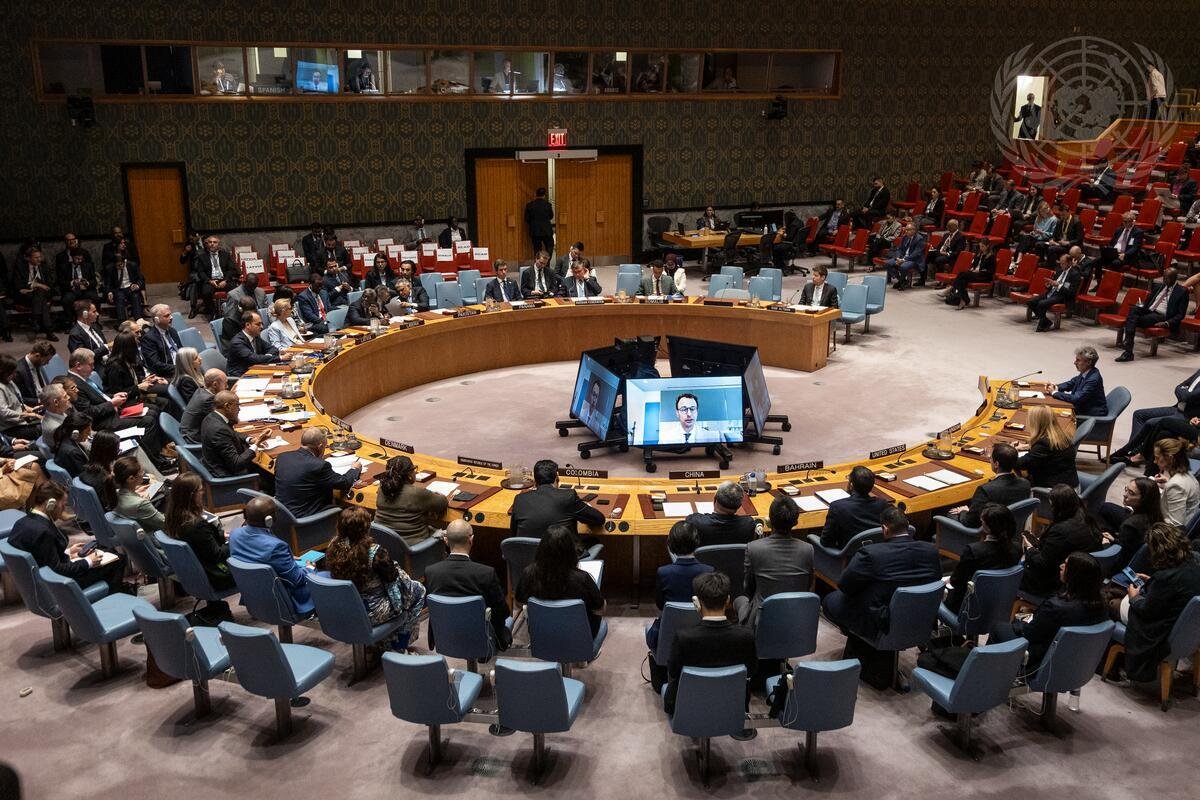
Delegates attending a meeting at the ongoing UN General Assembly (UNGA 81) in New York City, US. | United Nations
BY MOHAMED ADOW
The world is running out of time on climate change.
At the same time, Africa faces a huge development challenge. Millions on the continent still lack reliable access to electricity. Its young populations need jobs. Countries in Africa need faster economic growth.
The good thing is, Africa can help meet both challenges.
The continent has the greatest renewable energy resources found anywhere in the world. Around 60 percent of the world’s best solar resources are in Africa. Ironically, though, the continent receives only around 2 percent of global clean energy investment.
We cannot afford to leave that potential stranded.
Africa needs to be recognised not simply as a continent on the front line of the climate crisis, but as a place where some of the solutions can be built at scale.
The opportunity is enormous, and the window to seize it is now.
Across the continent, an energy transformation is already beginning from the ground up.
Solar power is becoming cheaper and more accessible. Countries across Africa have enormous potential in wind, geothermal, and other renewable sources. Renewables are today the cheapest and fastest way to add new power, creating opportunities to expand electricity access, support businesses, create jobs, and drive economic growth.
But the opportunity goes beyond generating electricity.
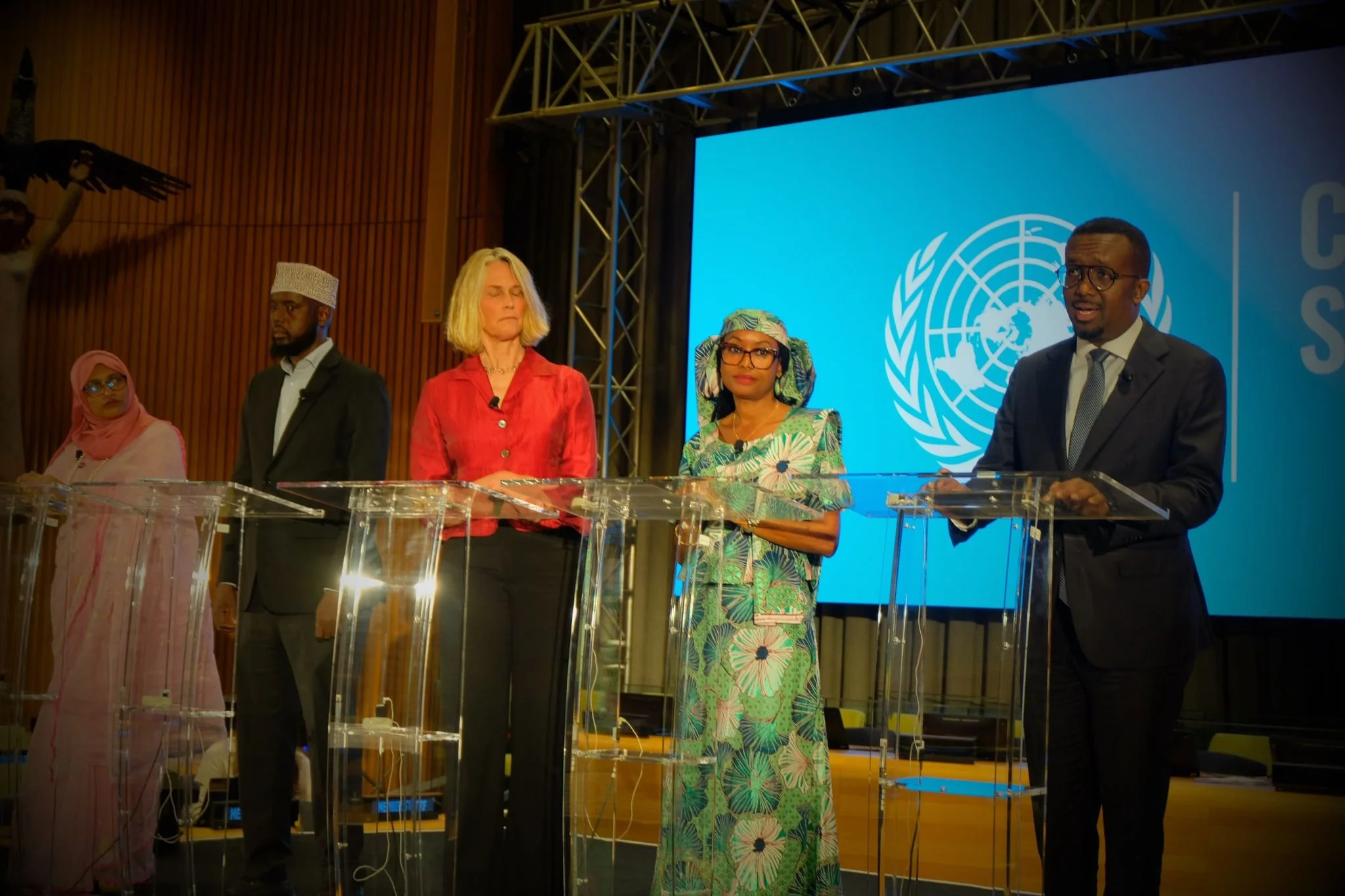
Power Shift Africa director Mohamed Adow at the UN General Assembly in New York in September 2026. | STOCK
Africa needs to use clean, affordable energy to industrialise. We need to power factories, process our own resources, manufacture goods, build new industries, and create jobs for a growing population.
That is what African climate leadership should be: using clean energy to transition to a low-carbon economy, to accelerate development, and raise living standards.
We cannot repeat a model in which Africa exports raw materials and imports finished products. The energy transition should help African countries capture more value from their resources and build competitive industries at home.
That requires investment at a scale that Africa cannot provide on its own.
As the Secretary-General said this week, we need reform of the international financial system, effective debt relief, and action to stop illicit financial flows draining resources from the world’s developing countries, including in Africa.
These issues are directly connected to the climate transition.
The cost of capital remains far too high for many African countries. Renewable-energy projects that are economically viable become much more expensive when they have to be financed at substantially higher interest rates than comparable projects in wealthier economies.
That raises the cost of clean energy, discourages investment, and slows the expansion of electricity access and productive capacity.
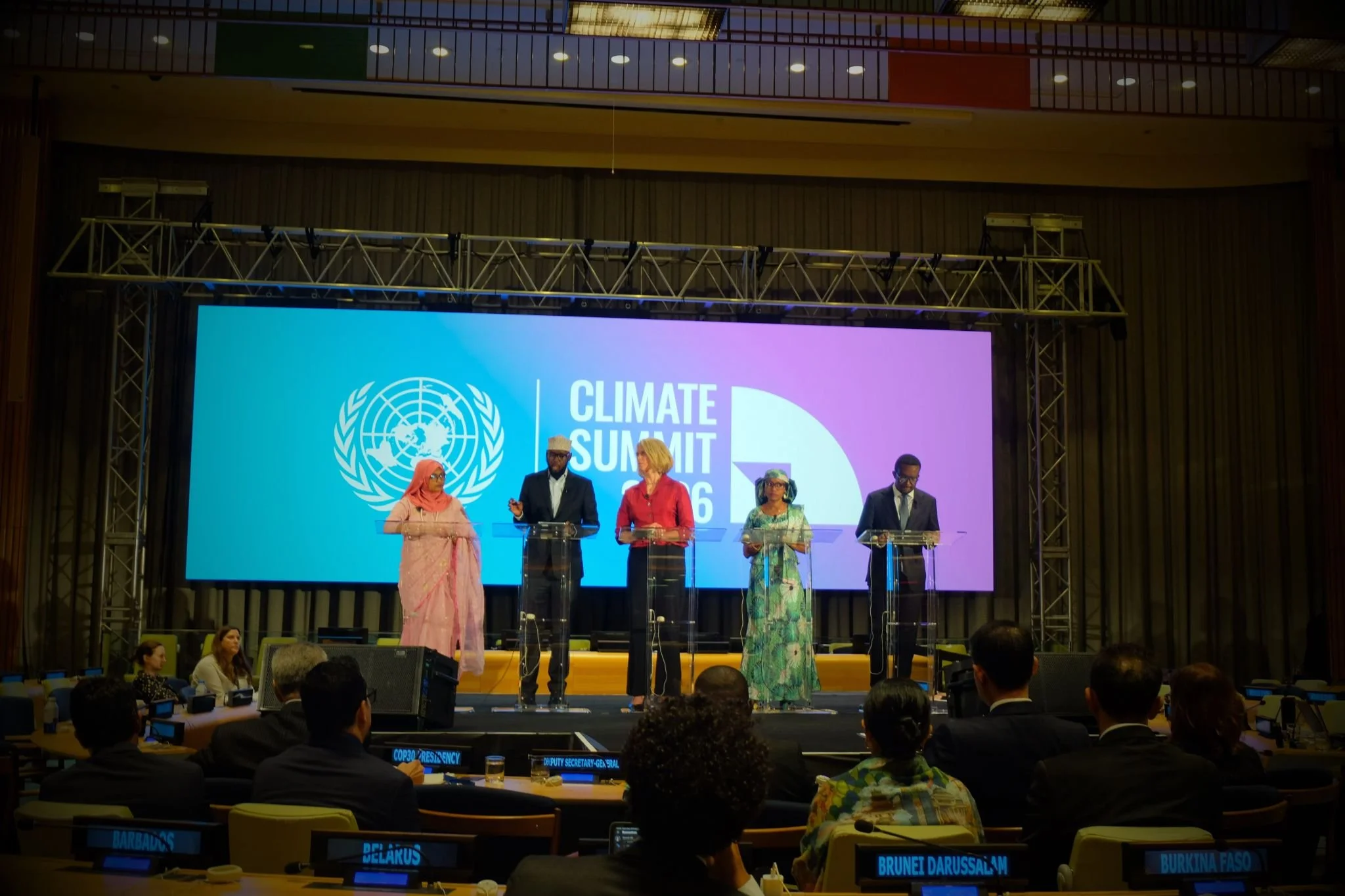
Director of Power Shift Africa, Mohamed Adow, speaking at an event during the UN General Assembly in New York in September 2026. | STOCK
If the world wants Africa to accelerate its clean-energy transition, then the financial system has to make that possible.
Climate justice also requires serious support for adaptation and meaningful action on loss and damage. Many African countries are already dealing with the consequences of a changing climate, despite having contributed relatively little to the cumulative global emissions.
Africa should have the resources to protect communities, strengthen infrastructure and build economies that can withstand those impacts.
So my message is: Africa is not asking the world to come and rescue us. We are asking for the conditions that allow Africa to build.
We want to turn our renewable resources into reliable electricity. We want to use that electricity to power industries, create jobs, and build businesses. We want African countries to manufacture more of what they currently import and capture more value from the resources they already possess.
And we want to do that while helping the world meet its climate goals.
Mohamed Adow is the Director of Power Shift Africa