SDG MOMENT AT UNGA81: MOVING FROM COMMITMENT TO ACCOUNTABILITY
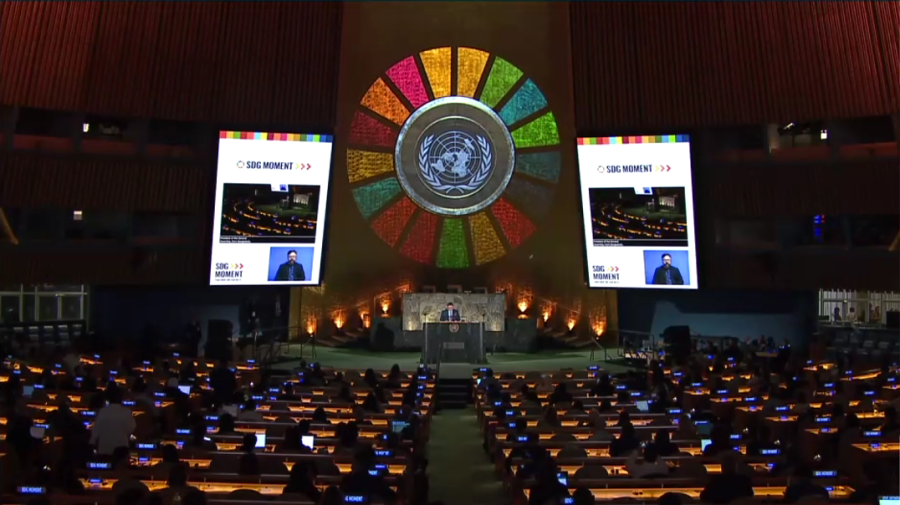
Delegates attending the SDG Moment event at the ongoing UN General Assembly (UNGA 81) in New York City, US. | United Nations
BY NDIVILE GUGUSHE
At the 81st United Nations General Assembly last week, the Secretary-General convened the 2026 SDG Moment, under the theme, “Together, We Can Get There”.
For Africa, the question ahead of this event wasn't simply whether progress is being made towards achieving the Sustainable Development Goals (SDGs) but whether the pace, scale and quality of progress is sufficient to deliver the Africa we want by 2030.
But another equally important question that lingered: who is accountable for the persistent gaps in attaining the SDGs?
This year's SDG Moment offered an opportunity to take stock of our progress so far and collectively highlight the catalytic actions, partnerships, and investments necessary to bridge implementation gaps and accelerate action.
For most developing countries, achieving the SDGs is not simply a development imperative. It is the key determinant of whether these countries attain prosperity and long-term resilience in a fast-changing world marked by the impacts of climate change and geopolitical uncertainty.
The theme screams solidarity. Yet only 36 percent of measurable SDG targets are assessed as being on track or showing moderate progress globally. The 2026 Africa Sustainable Development Report stresses the need to accelerate implementation of the 2030 Agenda alongside Agenda 2063.
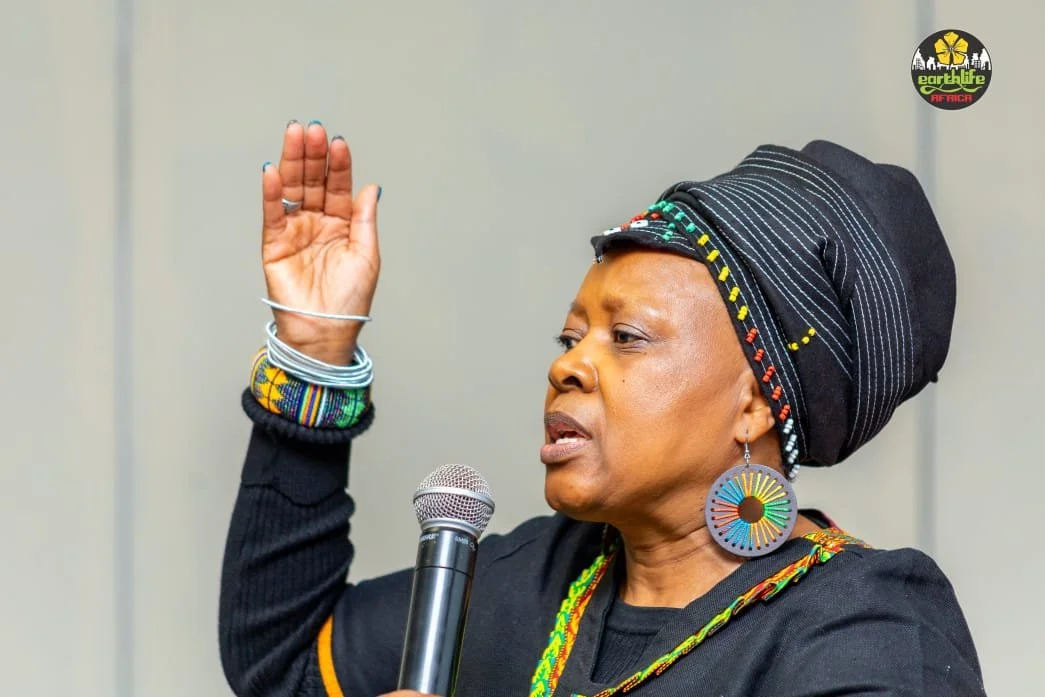
Ndivile Gugushe is an independent consultant on climate, gender, disability and social justice. | STOCK
The 2030 Agenda and its universal commitment to ''leaving no one behind" exists alongside the African Union's Agenda 2063 and its vision of “The Africa We Want.” The two are not separate aspirations, rather interconnected commitments to eradicate poverty, reduce inequality, advance gender equality, protect the environment, promote decent work, strengthen institutions and build inclusive, resilient societies.
Yet, with less than four years remaining to 2030, progress toward these aspirations is neither fast enough nor equitable.
Since 2015, Africa has recorded expansion of electricity access, digital connectivity, improvements in access to water and progress in technology. The continent has also demonstrated considerable resilience in the face of COVID-19, climate shocks, economic instability, conflict and rising debt pressures. The challenge is that these gains remain uneven.
This demonstrates that transformation is possible but must be deliberately tackled.
While progress has been made towards achieving the SDGs across Africa, as the 2026 Africa Sustainable Development report reveals, there's an urgent need to accelerate the gains.
To this end, the SDGs Moment should not be an avenue for renewing commitments. It must be a platform for honest reflection, accountability, and political action. Progress should be recognised but not overstated.
“The real measure of SDG progress is when development reaches those who have historically been excluded from decision-making and economic opportunity.
”
Today, many African countries are confronting a combination of climate vulnerability, debt distress, inadequate fiscal space, inequality, conflict, unemployment, food insecurity, and limited access to affordable development finance. Across the continent, climate change is undermining development and the SDGs gains; deepening poverty, hunger, health burden, water insecurity, livelihoods, and economic vulnerability.
The SDG debate must, therefore, be connected to the climate justice debate.
Africa needs climate-resilient development pathways, socially just and locally owned. This includes investment in adaptation, resilient food systems, renewable energy, ecosystem restoration, sustainable cities and locally led solutions.
As such, the question of SDG accountability must extend beyond national governments. It must also examine the international economic and financial systems that shape Africa's ability to achieve its development objectives.
Countries must also note that the SDG gap is an inequality gap since headline figures in reports can conceal profound differences between and within countries. An improvement in national GDP does not always mean better quality of life for rural women and communities. Increased electricity generation does not automatically mean affordable and reliable energy for low-income households. Economic growth does not always translate into decent work for young people.
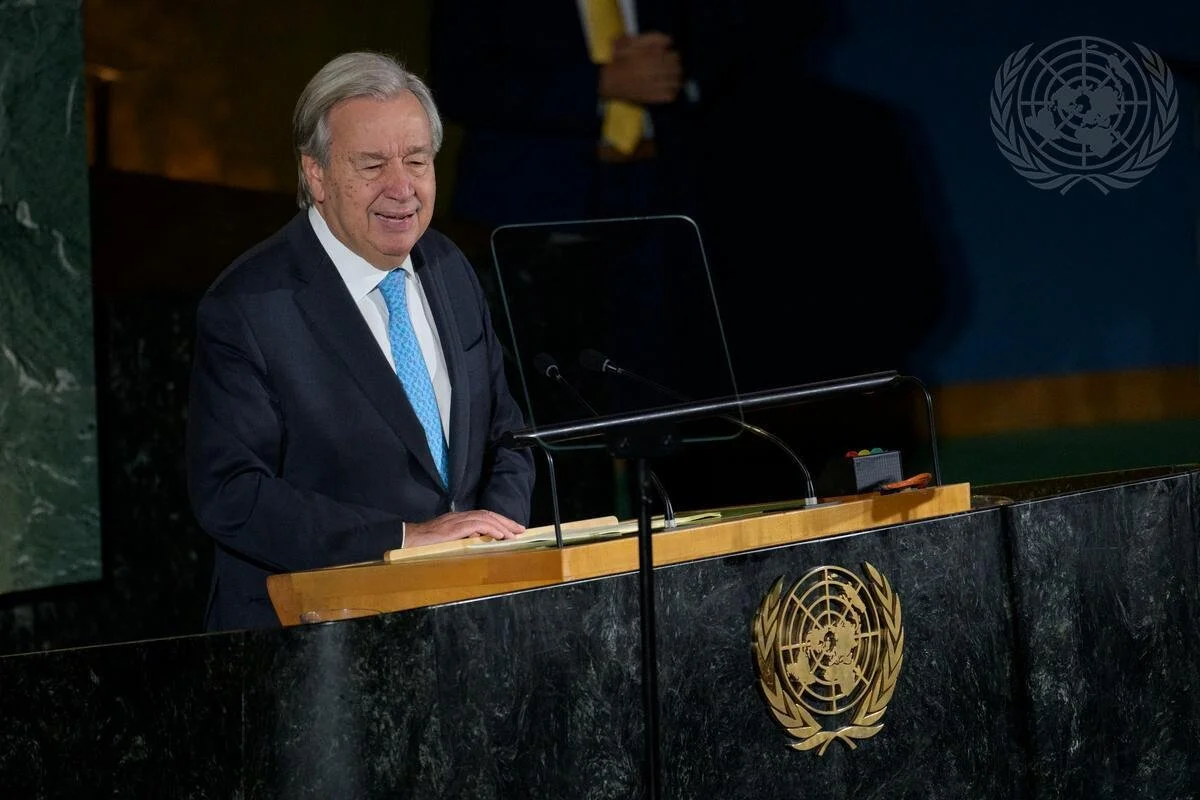
UN Secretary-General Antonio Guterres attending the SDG Moment event in New York in September 2026. | United Nations
SDG 5 on gender equality is profound, but progress towards gender equality remains slow. Women continue to experience disproportionate burdens related to unpaid care work, food insecurity, climate change, poverty, insecure livelihoods, and limited access to productive resources.
For Africa, this means that SDG implementation must move beyond the inclusion of women as participants in programmes towards transforming the structures that reproduce inequality.
It also requires climate finance that reaches communities rather than remaining concentrated within international institutions and large-scale projects. A just transition cannot simply mean shifting from fossil fuels to renewable energy. It must equally address jobs, livelihoods, gender equality, energy access, land rights, social protection and community participation.
Accountability for the SDGs must seek answers to certain fundamental questions. What commitments were made? What resources were allocated? Who benefited? Who was excluded? What targets were missed and why? What corrective action is being taken? Who is responsible for implementation? And can citizens meaningfully hold decision-makers accountable?
Crucially, accountability must transcend national capitals to reach local governments, communities, parliaments, development institutions, financial institutions, businesses, and international partners.
“Civil society must have a meaningful role in this process. This includes the ability to independently assess implementation and challenge official narratives where evidence points to gaps. ”
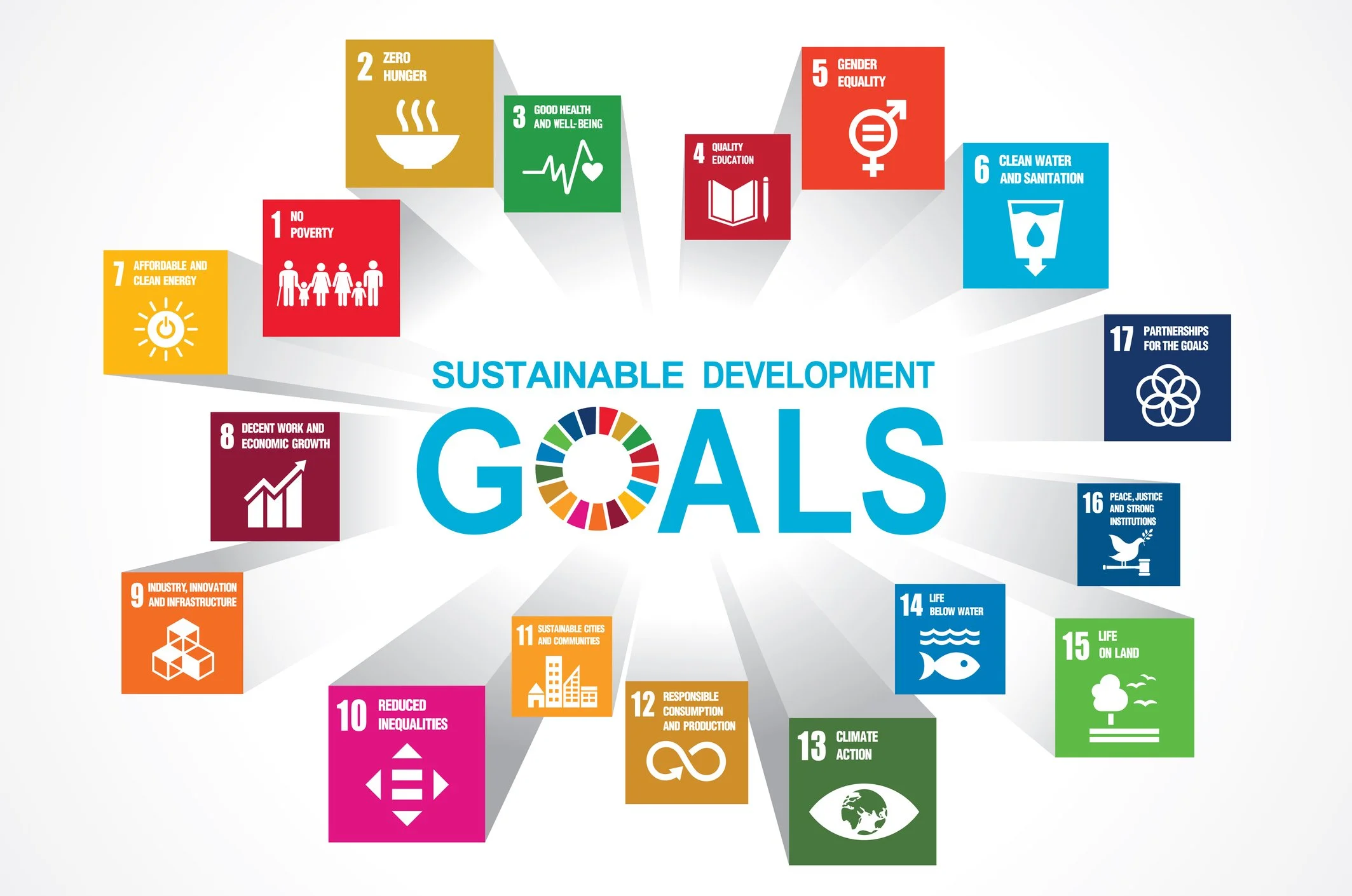
The success of the Sustainable Development Goals will be measured against the number of people whose lives have been meaningfully transformed. | STOCK
The 2026 SDG Moment comes at a point that the United Nations describes as a decisive final stretch towards 2030. At this juncture, progress remains possible only if proven solutions are scaled and implementation is accelerated. This last four years must be different. They must move beyond “leaving no one behind” to “putting people first.” For Africa, this stretch requires moving beyond a culture of commitments towards a culture of delivery, transparency and accountability.
The continent does not lack ambition. Africa has Agenda 2063, backed by national development plans. It has climate commitments. It has the SDGs. Importantly, it has enormous human, cultural, ecological, and economic resources. It has communities developing innovative solutions every day.
To make the next four years count, political will, financing, institutional capacity, and international solidarity are key to scale solutions and address the structural inequalities that inhibit progress.
This year's SDG moment is more than just celebrating current achievements. Instead, it is a moment of reckoning, accountability, and renewed action.
“As we approach the 2030 deadline for SDGs, Africa doesn’t need another decade of promises. We need accelerated implementation, accessible resources, democratic participation, and accountability for results.
”
Ultimately, success will be measured against the number of people whose lives have been meaningfully transformed. That is, whether our children can eat nutritious food, women can live and work with dignity, and young people can access decent livelihoods.
It will also be measured against the capacity of African communities to withstand climate shocks and the equal participation of people living with disabilities in this journey. “Leaving no one behind” means our farmers can sustain their livelihoods and that all citizens can exercise their rights. That is what “The Africa We Want” should look like.
Ndivile Gugushe is an independent consultant on climate, gender, disability and social justice