ADAPTATION FINANCE: STALLED PROGRESS DEEPENS CLIMATE TRUST DEFICIT
BY SAADA MOHAMED
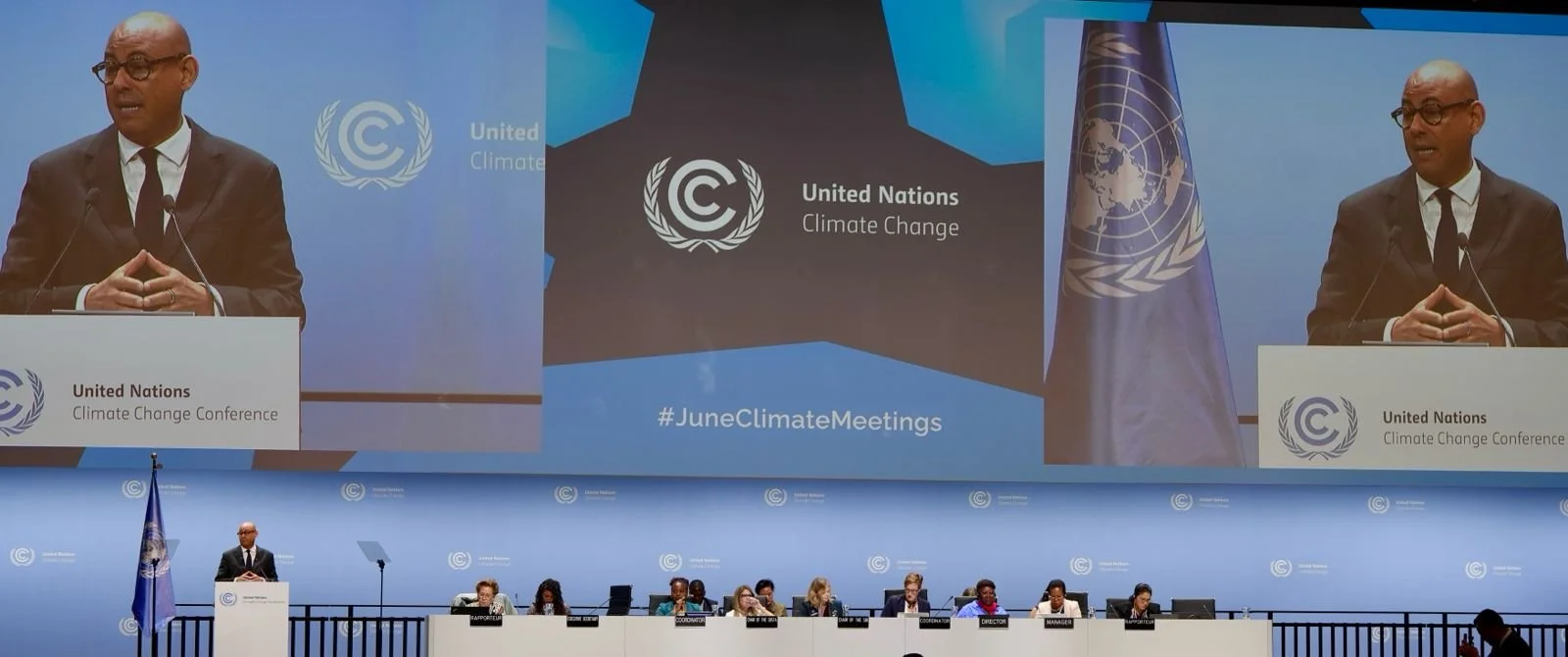
The two weeks of mid-year climate negotiations in Bonn, Germany, ended on a somber note. The outcomes cast a troubling shadow on the integrity of the climate process. It remains to be seen if decisions made at SB64 can drive any meaningful progress at COP31 in Antalya, Turkey, later this year.
From the start, this Bonn session was overshadowed by controversies, notably the omission of critical issues such as loss and damage and National Adaptation Plans (NAPs) on the agenda. This omission didn’t go unchallenged, with the African Group of Negotiators in particular faulting the process for failing to reflect the urgency of climate action and the needs of frontline communities around the world.
“Vulnerable countries returned home empty-handed once again, burdened not only by their unmet demands but also by the growing uncertainty around the delivery of climate finance, especially for adaptation. ”
The Adaptation Fund was the only substantive agenda item, aimed at finalising negotiations on new legal and institutional arrangements to allow it to access additional resources from the carbon market mechanisms of the Paris Agreement.
However, progress was effectively stalled by developed countries, who insisted on legal technicalities that would alter the Fund’s governance structures and redefine key terminologies under the pretext of transition.
These tactics are geared towards diluting wealthy nations’ binding obligations to provide climate finance, while also shifting the burden of contributions to vulnerable nations.
Worse still, it uncovers an attempt to consolidate control over the Fund’s operations. With this control, they can choose to restrict access to resources by frontline communities.
Bonn ended with procedural conclusions to allow further consideration of the agenda at COP31.
This stalemate continues to keep the Fund’s stability in limbo by blocking the monetisation and transfer of the proceeds from carbon market activities to its account.
Road to COP31: A call for urgency over bureaucracy
As the international community prepares for COP31, a growing disconnect is emerging between the sluggish transition of the climate process from negotiations to implementation and the accelerating pace of climate-induced catastrophes.
The ‘‘State of the Climate in Africa 2025’’ report reveals that 13 million Africans were affected by climate impacts last year. About 3000 others lost their lives. Multiple projections point to a grimmer future.
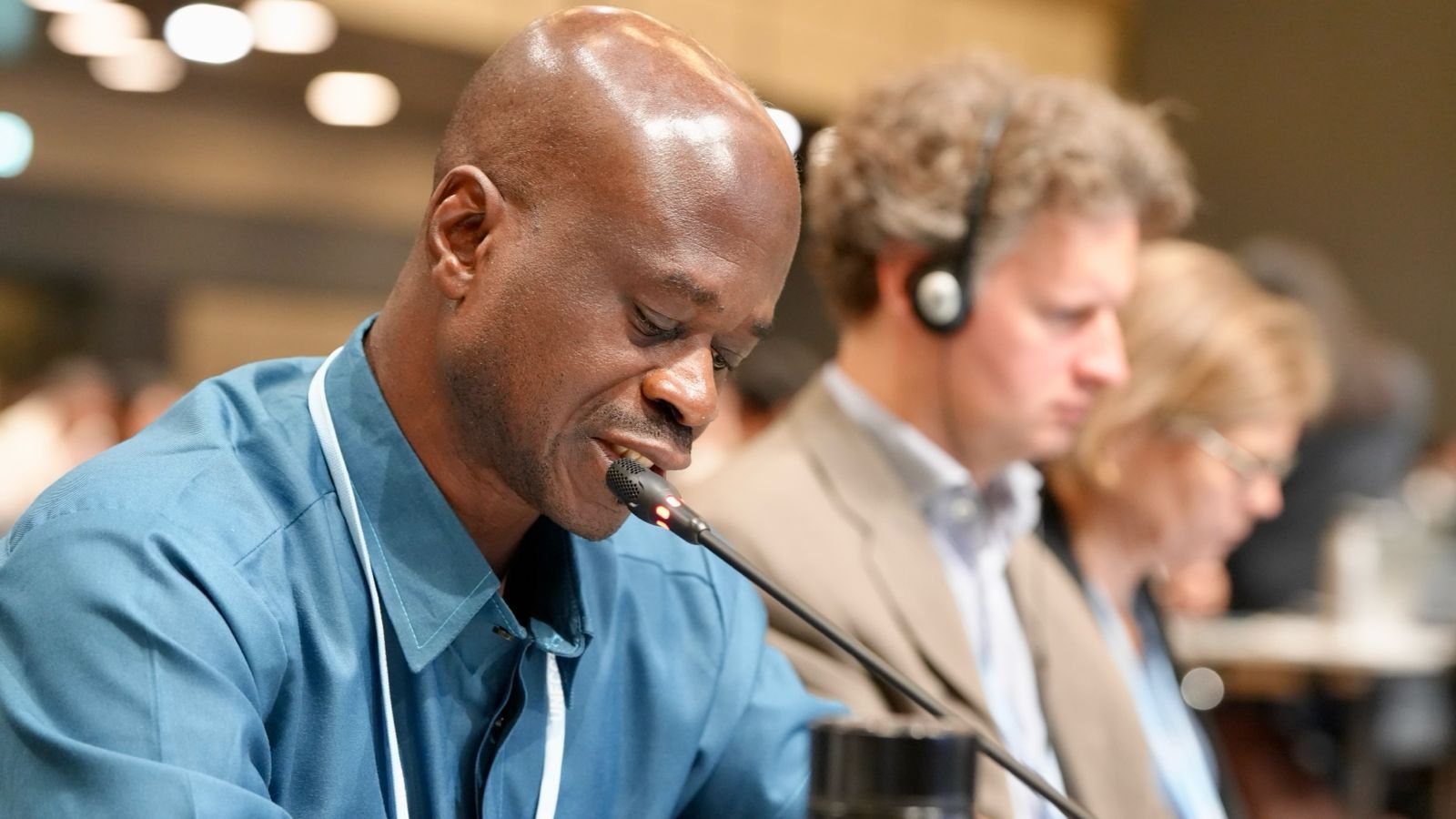
Chair of the African Group of Negotiators, Nana Dr Antwi-Boasiako, at the Bonn Climate Conference. | aPSA Media
The system is not short of climate finance commitments to support developing countries in advancing meaningful climate action. The New Collective Quantified Goal (NCQG), set at a minimum of USD 300 billion annually, including the tripling of adaptation finance flows by 2035, has already been established with implementation already underway.
The question, therefore, is: are these commitments just numbers on paper or enablers of real implementation? The responsibility for developed countries is clear, except that they aren’t meeting their climate finance obligations.
“Without rapid and large-scale delivery of finance commitments, the call for implementation will remain just that: a symbolic gesture. ”
Central to this is the provision of public finance, directed primarily through multilateral funds, to ensure that pledges translate into real support for developing countries.
At the June Climate Meetings, COP31 president-designate underscored the importance of the NCQG and access to finance as a central priority.
The Adaptation Fund remains the only mechanism that guarantees direct access to full-cost, grant-based financing for locally led adaptation and resilience initiatives.
Even more importantly, these priorities must be discussed under a dedicated negotiation track of the climate finance work programme, as opposed to broad consultations under the presidency, or even its action agenda.
This formality will enable constructive engagements that could potentially result in concrete pathways for reducing existing access barriers to climate finance, including debt, high cost of capital, co-financing requirements, and complex application processes. These are critical to facilitate the implementation of the NCQG.
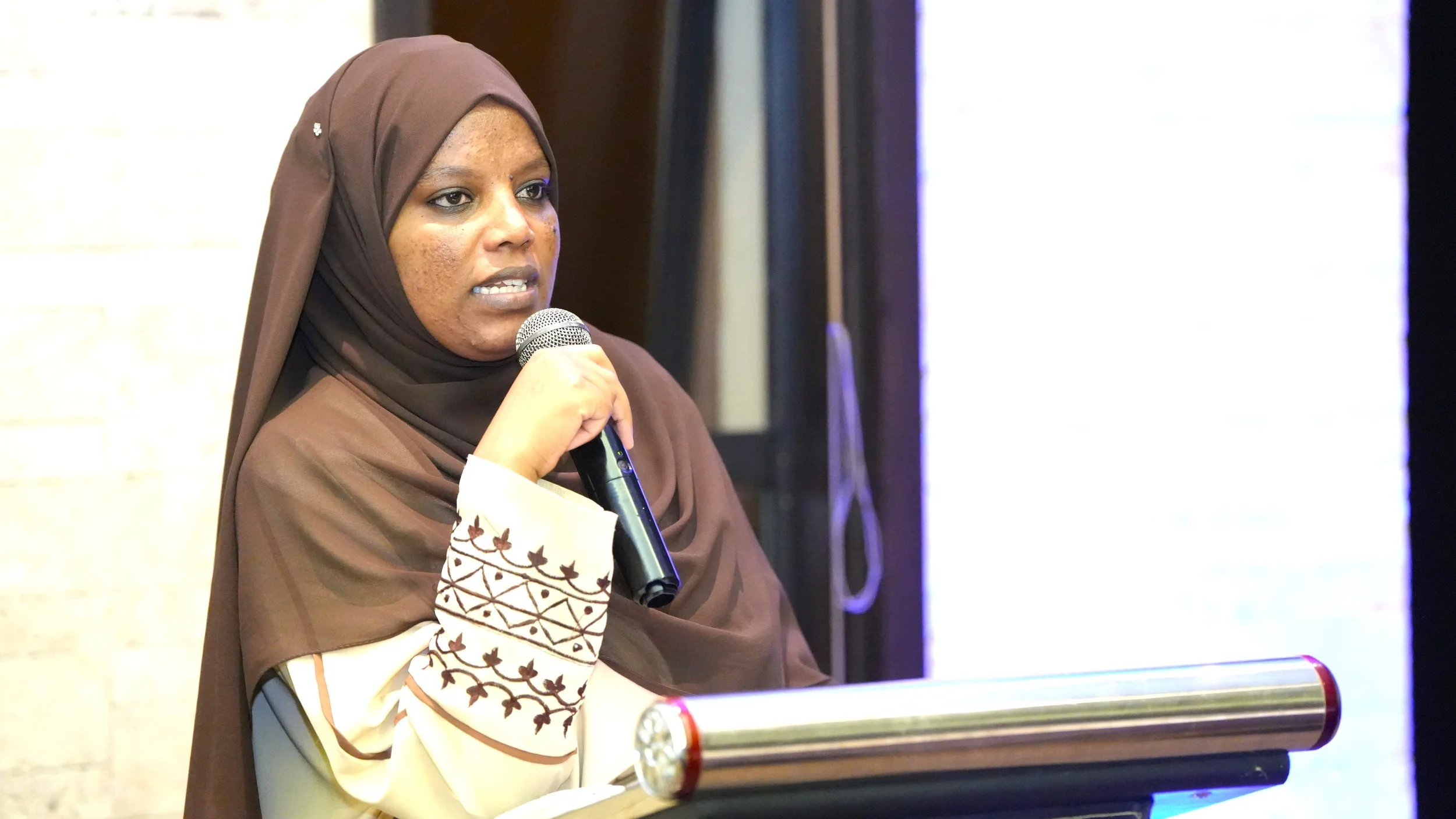
Saada Mohamed is a Climate Finance Advisor at Power Shift Africa. PSA Media
Tripling of adaptation finance through debt-inducing instruments will simply push vulnerable nations further into insolvency rather than scaling significant resources for true resilience.
To this end, access must remain an integral element of delivering scaled-up, grant-based, non-debt-inducing, and highly concessional quality finance.
For vulnerable countries, public climate finance remains a central priority to advance effective climate action.
Antalya must, therefore, sustain the momentum of Belém’s mutirão decision and spirit of cooperation to safeguard the political elevation for adaptation finance.
“Resolving the deadlock over the Fund’s transition agenda will be the first real test of the incoming presidency’s commitment to implementation. ”
This is necessary to reaffirm that climate finance is unconditional and that it must be provided on the most favorable terms to countries that need it most.
Saada Mohamed is a Climate Finance Advisor at Power Shift Africa