
The age of adaptation is here; what we do with it is up to us
Bonn is often described as the technical bridge between COPs, yet the decisions and discussions that take place at SB64 will shape the trajectory toward COP32 in Addis Ababa. For Africa, this is a defining moment. The continent is increasingly united around a simple but powerful proposition; that adaptation is not a side issue, a humanitarian concern, or an environmental add-on, but the foundation upon which future development will be built.
By Amos Wemanya
For decades, adaptation occupied the margins of climate policy. It was often framed as a technical exercise managed by environmental ministries, supported by small donor-funded projects, and discussed largely as a humanitarian response to disasters. Yet economic planning, infrastructure development, food system strategies, and national budgets continued to be designed and implemented on separate tracks.
That era is over. Across Africa, droughts, floods, heatwaves, crop failures, and water shortages are no longer future climate risks; they are present-day economic realities disrupting national development pathways. The question is no longer whether countries should invest in adaptation, but whether development can happen at all without it.
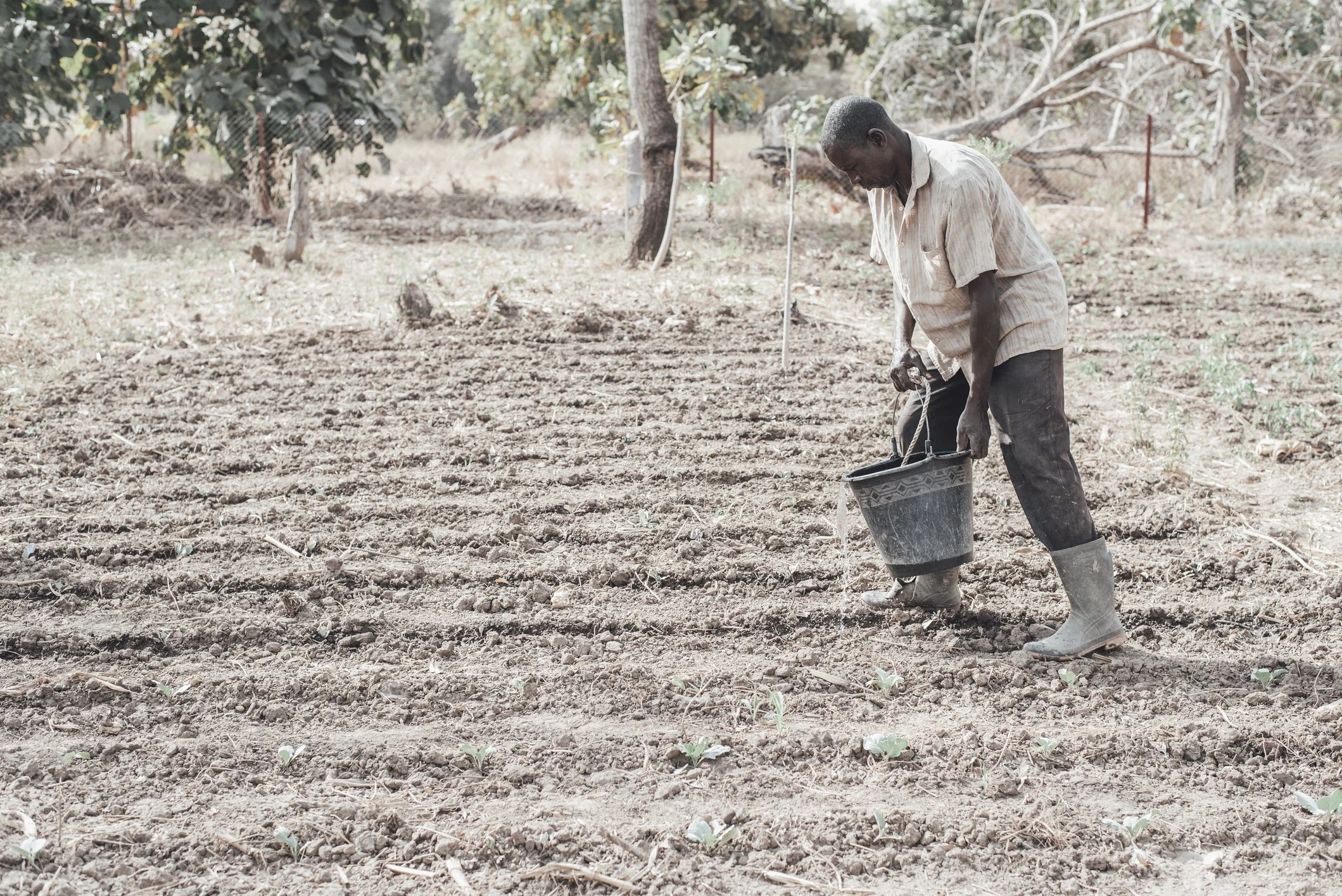
A farmer works in his field on the outskirts of Ouagadougou, Burkina Faso.
As Africa heads toward COP32 in Addis Ababa and engages in critical negotiations at SB64 in Bonn, adaptation should move from the sidelines to the centre of global climate governance.
For Africa, the need is more urgent than ever. The continent is warming faster than many parts of the world, forcing communities that have contributed the least to global emissions to face some of the most severe climate impacts.
In the Horn of Africa, a devastating drought following failed rainy seasons has left 3.5 million Kenyans facing acute food insecurity, severely compromising crop production and livestock productivity.
Across Southern Africa, relentless downpours and cyclones triggered historic flooding in Mozambique, affecting over 720,000 people and wiping out 440,000 hectares of vital crops. Meanwhile, in West and Central Africa, escalating climate disasters are displacing hundreds of thousands of people, straining limited public resources and forcing governments to rely heavily on international emergency funding.
These climate shocks are exposing vulnerabilities that run much deeper than weather. Food systems collapse because they remain heavily dependent on rain-fed agriculture. Water insecurity worsens because investment in resilience has lagged behind climate realities. Social protection systems become overwhelmed because climate risks compound existing poverty and inequality.
Climate impacts are no longer simply environmental events as they have transformed to economic, fiscal, food security, and governance shocks. This is why adaptation can no longer be treated as an environmental sector issue; it is now central to national development planning, economic stability, and state resilience.
Africa already loses billions of dollars annually from climate-related disasters. Some estimates suggest that climate impacts are reducing economic growth by as much as five per cent of GDP in several countries. Compounding these challenges, geopolitical crises are magnifying climate vulnerability.
The recent global food and energy price shocks triggered by conflicts beyond Africa’s borders exposed the dangerous interconnectedness of climate risks, energy insecurity, and food dependence. Rising fuel prices increased transportation and agricultural production costs, fertiliser prices surged, food imports became more expensive, inflation rose, and household vulnerability deepened.
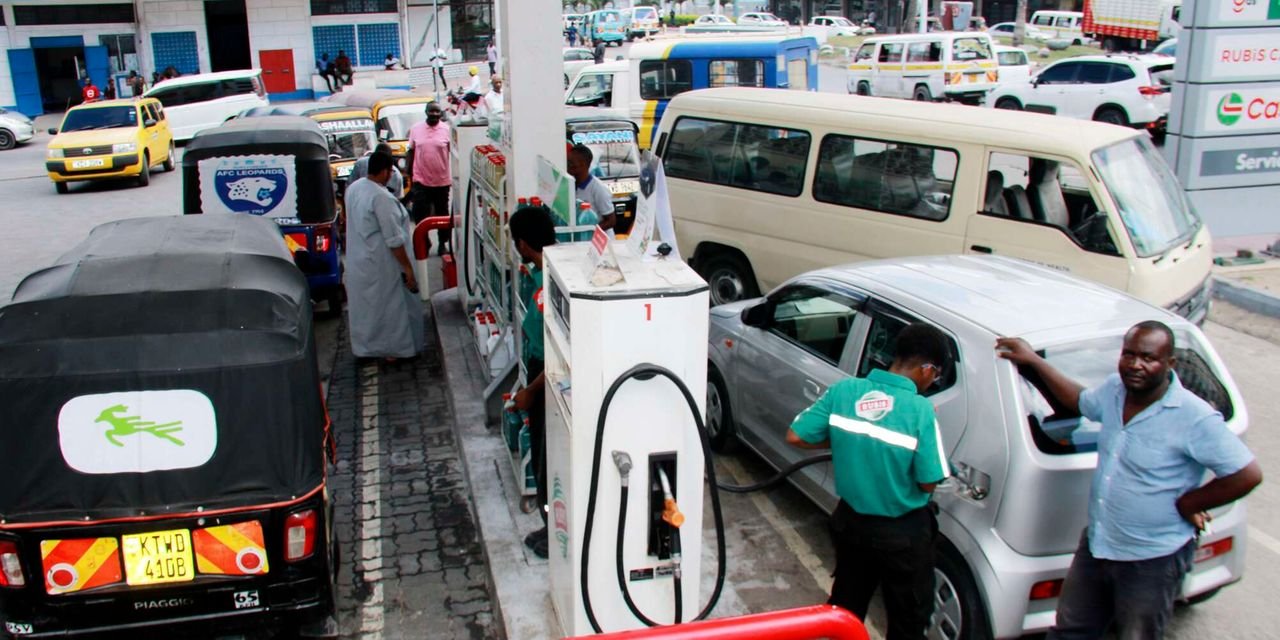
Motorists fuel their vehicles at Rubis Petrol Station along the Moi Avenue in Mombasa as fuel shortage hits the country, on April 8, 2026. Credit:Kevin Odit | Nation Media Group
For millions of Africans, climate vulnerability is no longer driven solely by rainfall patterns, but by a complex combination of climate shocks, debt pressures, global market volatility, and fragile supply chains. Adaptation cannot be viewed simply as responding to climate hazards, and must instead become part of a broader strategy for economic transformation, resilience, and sovereignty.
For too long, adaptation has been reduced to isolated projects — a seawall here, an irrigation scheme there, a flood barrier somewhere else. While such interventions remain important, they often fail to address the deeper structural drivers of vulnerability.
Africa needs to move away from incremental adaptation toward transformational adaptation as the latter recognises that resilience requires systemic change. It requires climate considerations to shape how countries plan cities, design infrastructure, manage water resources, support farmers, structure social protection systems, and allocate public finance.
Perhaps the most important shift taking place is the growing recognition that Africa already possesses many of the solutions needed to build resilience. Across the continent, communities have developed adaptation practices over generations. Farmers have preserved traditional seed systems capable of withstanding climate variability. Pastoralists have developed mobility systems that respond to changing environmental conditions. Communities have refined water harvesting technologies and land restoration approaches adapted to local ecosystems.Yet these solutions remain undervalued within many global climate processes.
The dominant climate narrative often portrays Africa as vulnerable, dependent, and lacking solutions, but the reality is very different. Africa is rich in knowledge, innovation, and resilience. There is need for stronger recognition of indigenous knowledge systems, agroecology, traditional farming practices, community-based resource management, and locally driven adaptation models.
The future of adaptation in Africa cannot be imported. It must be co-created with the communities already living on the frontlines of the climate crisis. This means placing farmers, women, youth, Indigenous Peoples, and local communities at the centre of adaptation planning and implementation.
Bonn is often described as the technical bridge between COPs, yet the decisions and discussions that take place at SB64 will shape the trajectory toward COP32 in Addis Ababa. For Africa, this is a defining moment. The continent is increasingly united around a simple but powerful proposition; that adaptation is not a side issue, a humanitarian concern, or an environmental add-on, but the foundation upon which future development will be built.
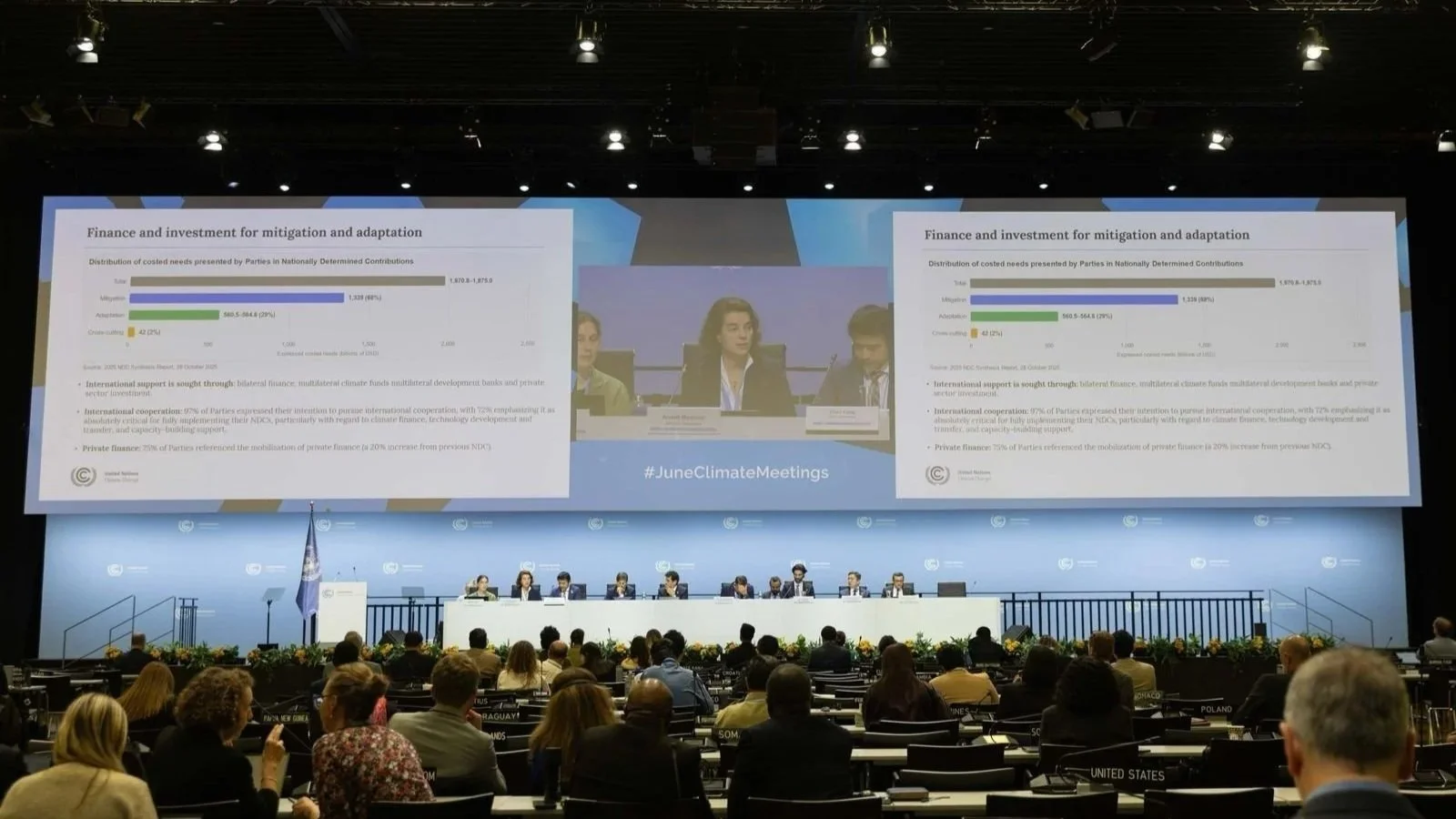
Bonn Climate Conference 2026. UNFCCC
As climate impacts intensify, the distinction between adaptation policy and development policy is rapidly disappearing. The countries that succeed in the coming decades will not necessarily be those with the most resources, but those that successfully integrate climate resilience into every aspect of national planning.
The Bonn talks must help move adaptation from the margins of climate negotiations into the centre of economic decision-making, finance reform, and international cooperation. Because for Africa, adaptation is no longer a side quest; it is the main mission.