What the US’s Exit from these Critical Organisations Means
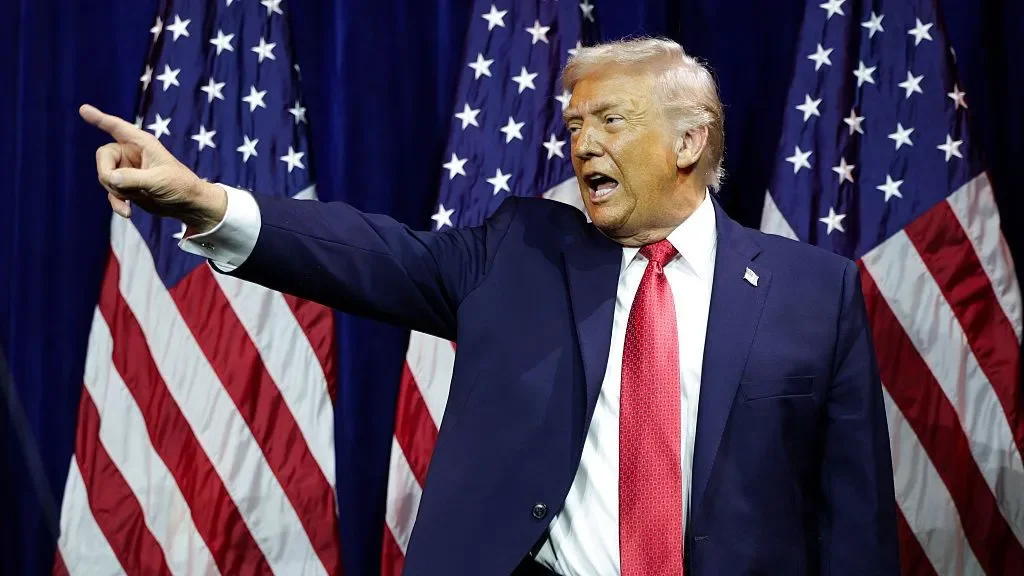
CC Getty Images
If the events coming out of the United States this week have been disturbing, developments on Thursday morning left everyone gasping for air.
In a memorandum sent to heads of departments and agencies, President Donald Trump announced the US’s exit from and end of funding for at least 66 intergovernmental organisations, citing non-alignment with the interests of the United States.
The decision follows Trump’s order last February to officials in his administration to conduct a review of all international organisations, conventions, and treaties supported or funded by the United States.
‘‘After deliberating with my Cabinet, I have determined that it is contrary to the interests of the United States to remain a member of, participate in, or otherwise provide support to the organisations,’’ reads the memorandum.
Trump has ordered departmental heads to ‘‘take immediate steps to effectuate the withdrawal’’ of the US ‘‘as soon as possible.’’
Withdrawal of the US from UN entities ‘‘means ceasing participation in or funding’’ to those entities, he said.
As the world’s biggest economy, the US pays the largest share of the UN budget, about 22 percent, an obligation under the UN Charter. This funding ensures continuity of UN operations around the world while guaranteeing its seat and vote in the United Nations General Assembly (UNGA).
Power Shift Africa Press Release on US Withdrawal
What are some of the affected organisations? What implications will the withdrawal have on them?
United Nations Framework Convention on Climate Change (UNFCCC)
Even after its withdrawal from the Paris Agreement last year, the US remained party to the UNFCCC. This meant the country would continue to participate in the UN climate process. Its departure from the convention means an end to these engagements. It also means a big blow to the UN climate work, given the US’s significant contributions to the UNFCCC. Historically, the United States has met between 20 and 22 percent of the body’s core budget, including financing its secretariat and operations.
Funding gaps have emerged in recent years owing to policy shifts in Washington. Its $3 billion commitment for the Green Climate Fund, for instance, has not been honoured. This has seen private entities, including Michael Bloomberg, step in to cover shortfalls.
Intergovernmental Panel on Climate (IPCC)
The Intergovernmental Panel on Climate Change is the leading UN body that assesses climate change science, providing policymakers with comprehensive reports on the science, impacts, risks, and solutions, including in adaptation and mitigation, to guide climate policy in the world. Thousands of scientists contribute to its analyses, making the IPCC the leading authority in climate science and a reference point for global climate negotiations. The US has traditionally contributed the highest number of scientists participating in IPCC assessments, with 46 of them involved in the seventh cycle, due for release in 2029. At roughly $2 million annually, the US is the largest donor to the IPCC.
International Renewable Energy Agency (IRENA)
IRENA is an intergovernmental organisation that acts as the primary platform for international cooperation on renewable energy. It supports countries in transitioning to a sustainable energy future by promoting the adoption and use of all forms of renewable energy, notably solar, wind, hydro, and others. IRENA serves as a knowledge center, a repository of information, and a facilitator for policy, technology, and finance in the renewable energy sector. The entity operates on a budget of about $25 million. Funding from the US to IRENA is considered modest compared to the size of its economy and spending on clean energy domestically.
Office of the Special Adviser on Africa (OSAA)
An agency of the United Nations, the OSAA enhances international support for Africa’s peace, security, and development through advocacy, analytical work, and coordination. The body acts as a key link between African nations, the UN system, and global partners to monitor commitments, promote African priorities, and facilitate discussions on achieving Sustainable Development Goals (SDGs) and Agenda 2063. The US doesn’t directly fund the OSAA. Its budget is drawn from the UN’s general budget. Withdrawal of support from the office points to Donald Trump’s transactional, ‘‘America First’’ approach that prioritises U.S. economic and security interests over traditional aid and multilateral diplomacy, for which Africa has been a beneficiary for decades.
Intergovernmental Forum on Mining, Minerals, Metals, and Sustainable Development;
This organisation helps governments improve mining governance for sustainable development by providing a platform for dialogue, sharing best practices, and offering technical support to create better laws and policies. The IGF focuses on economic, social, and environmental aspects such as gender equality, community benefits, and environmental protection across all mining scales. This global venue connects governments, industry, and civil society to advance responsible resource management. Core funding for the IGF comes from Canada and the Netherlands, with other programmatic support being contributed by various entities.
Other organisations that the US has exited include UN Oceans, UN Water, UN Energy, International Energy Forum, and the Renewable Energy Policy Network for 21st Century.