This is How to Make Water Governance in Africa More Inclusive
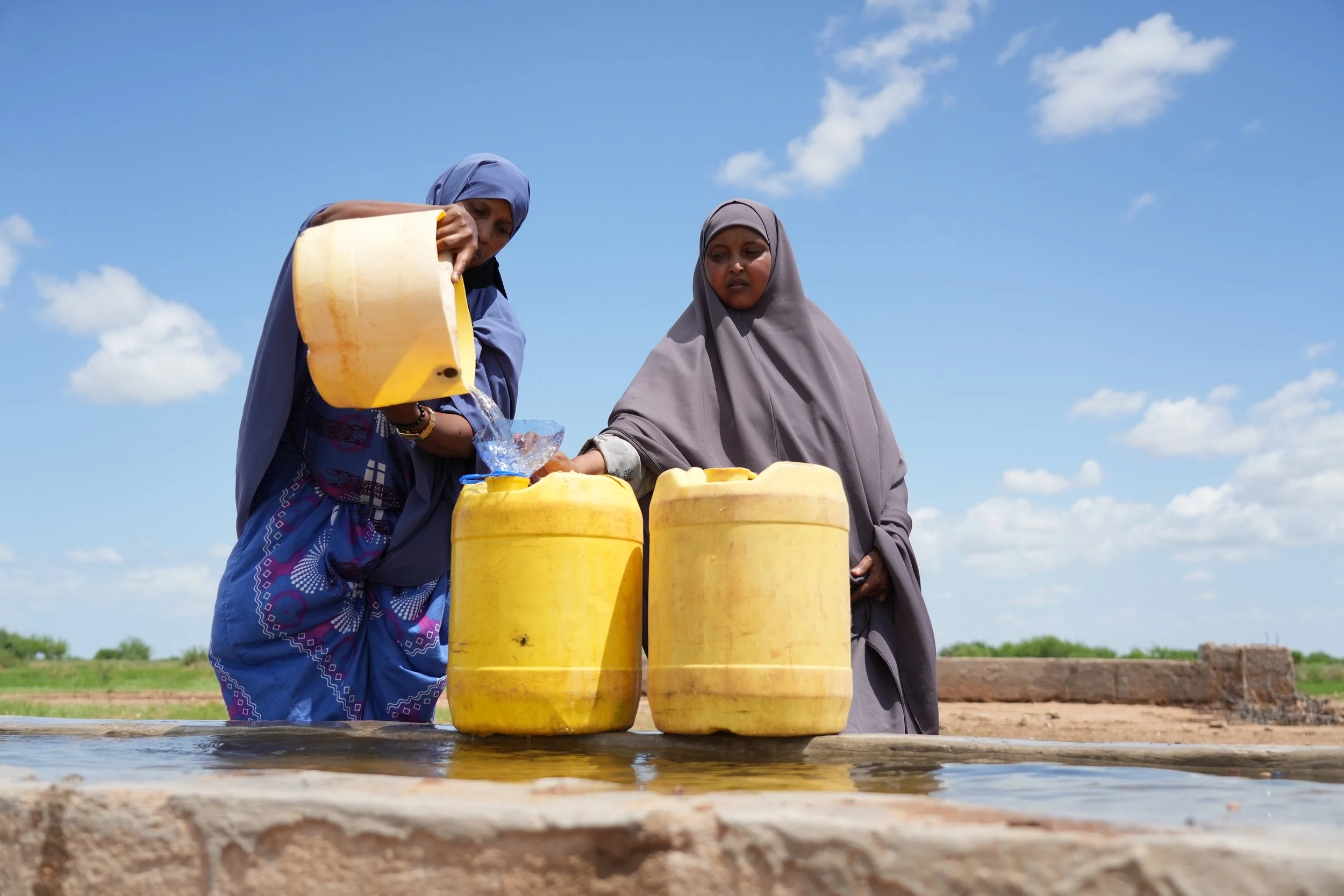
Women fetching water at a solar-powered borehole in Garissa County in Kenya | PSA Media
BY NDIVILE MOKOENA AND FREDRICK OTIENO
To millions of African women, the phrase “water is life” means the world. Many of them, by virtue of traditional gender roles, have a close relationship with water.
To say that more than four hundred million Africans lack access to basic drinking water generalises the situation and risks crowding African women’s water issues in numbers that may not make sense to ordinary people.
Climate change-induced droughts and floods, now common in Africa, further worsen the challenges to women arising from water stress.
This year’s theme of “Water and Gender” on World Water Day reminds us that water access is not only a matter of survival but also of justice and equality.
In Africa, the gendered dimensions of water scarcity are stark: women and girls carry the heaviest burden yet remain sidelined in decision-making about water governance. This imbalance must change if we are to achieve both SDG 6 (Clean Water and Sanitation) and SDG 5 (Gender Equality). The Gendered Burden of Water Scarcity
Water infrastructure across Africa remains poorly developed, making tap water inaccessible to millions of people. Populations draw water from natural sources, including springs, ponds, rivers, and natural dams.
There is always a health risk lurking about the use of water from these sources, as it falls short of the standards set by the World Health Organisation. But the issue extends to the gendered aspect of water.
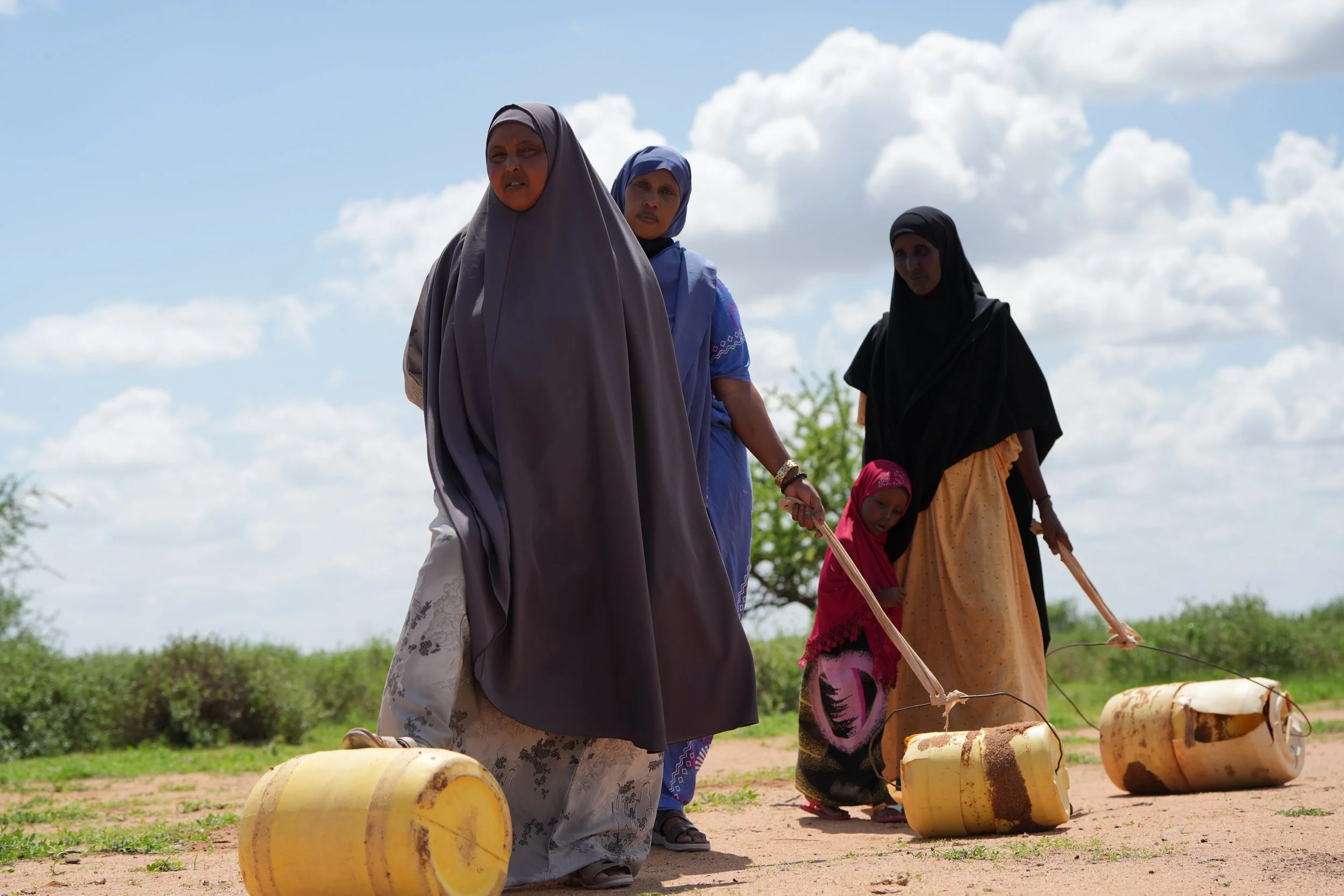
By virtue of traditional gender roles, African women are responsible for fetching water for their households. | PSA Media
Despite years of advocacy to degenderise chores, African women and girls are primarily responsible for water collection and sanitation. They are expected to ensure that their households have enough water for drinking, cooking, cleaning, and watering animals.
Water stress, now worsened by climate change, means that women and girls walk for up to six kilometres daily, carrying heavy loads of water, and sacrificing time that could be spent in school or income-generating activities. This burden not only takes a toll on their physical health but also deprives them of the opportunity to contribute to and influence other social aspects.
Consequently, this “time poverty” entrenches cycles of inequality and relegates women to the periphery of societal order.
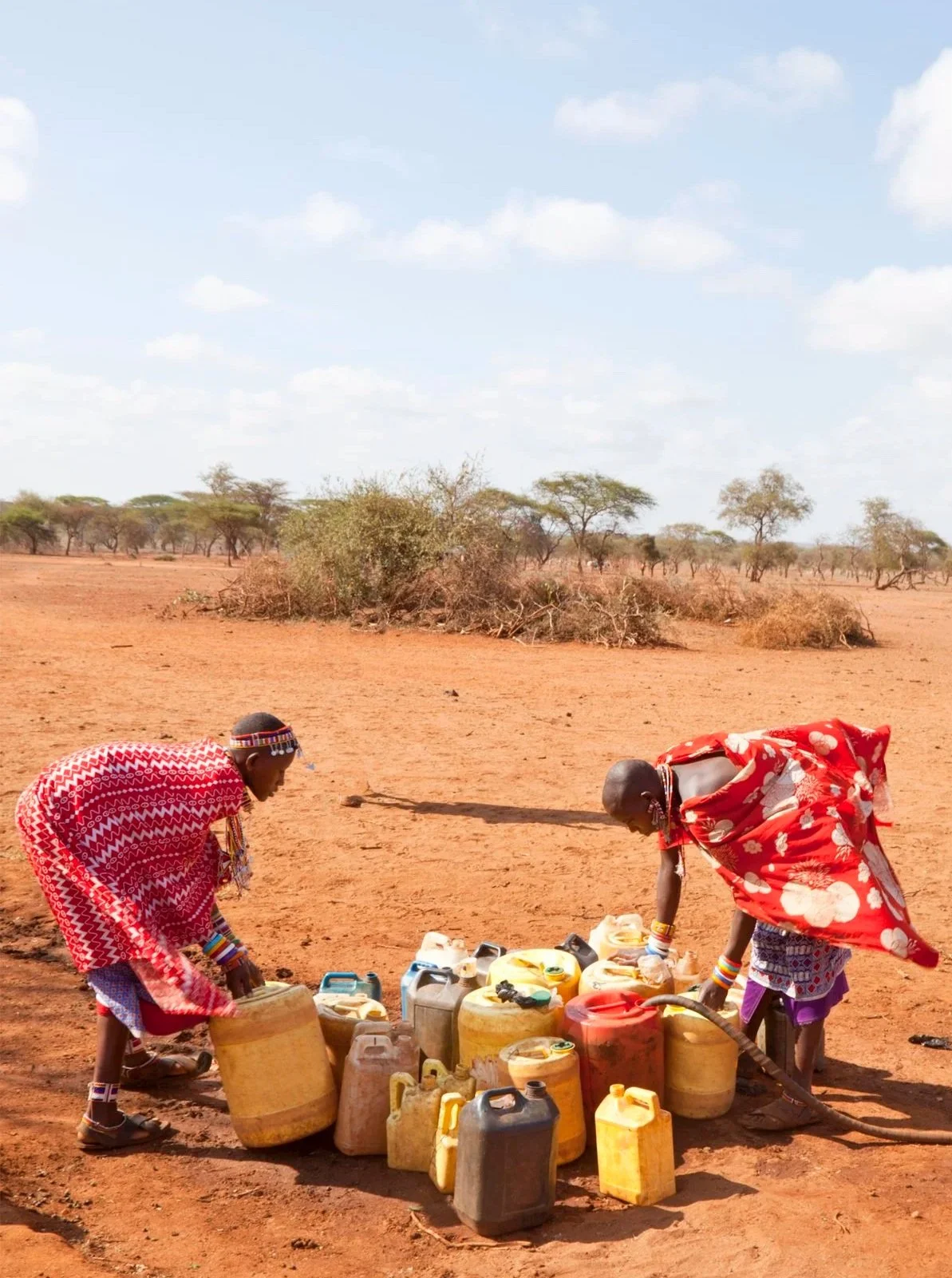
Women filling their containers with water from a tap. | STOCK
The health consequences of trekking for miles in search of water throughout one’s lifetime are equally severe. Moreover, lack of safe water undermines menstrual hygiene, maternal health, and quality childcare. When fetching water in insecure areas, women are further exposed to gender-based violence (GBV).
Water scarcity magnifies the risk of exploitation and abuse during conflict, when populations are internally displaced and settled in camps and other temporary shelters.
Despite being disproportionately affected by water scarcity, women around the world, especially in developing countries, remain underrepresented in water governance. At the same time, the participation of women in water resource users’ associations and similar forums remains nominal. This has led to the development of water policies that are grossly disconnected from women lived realities.
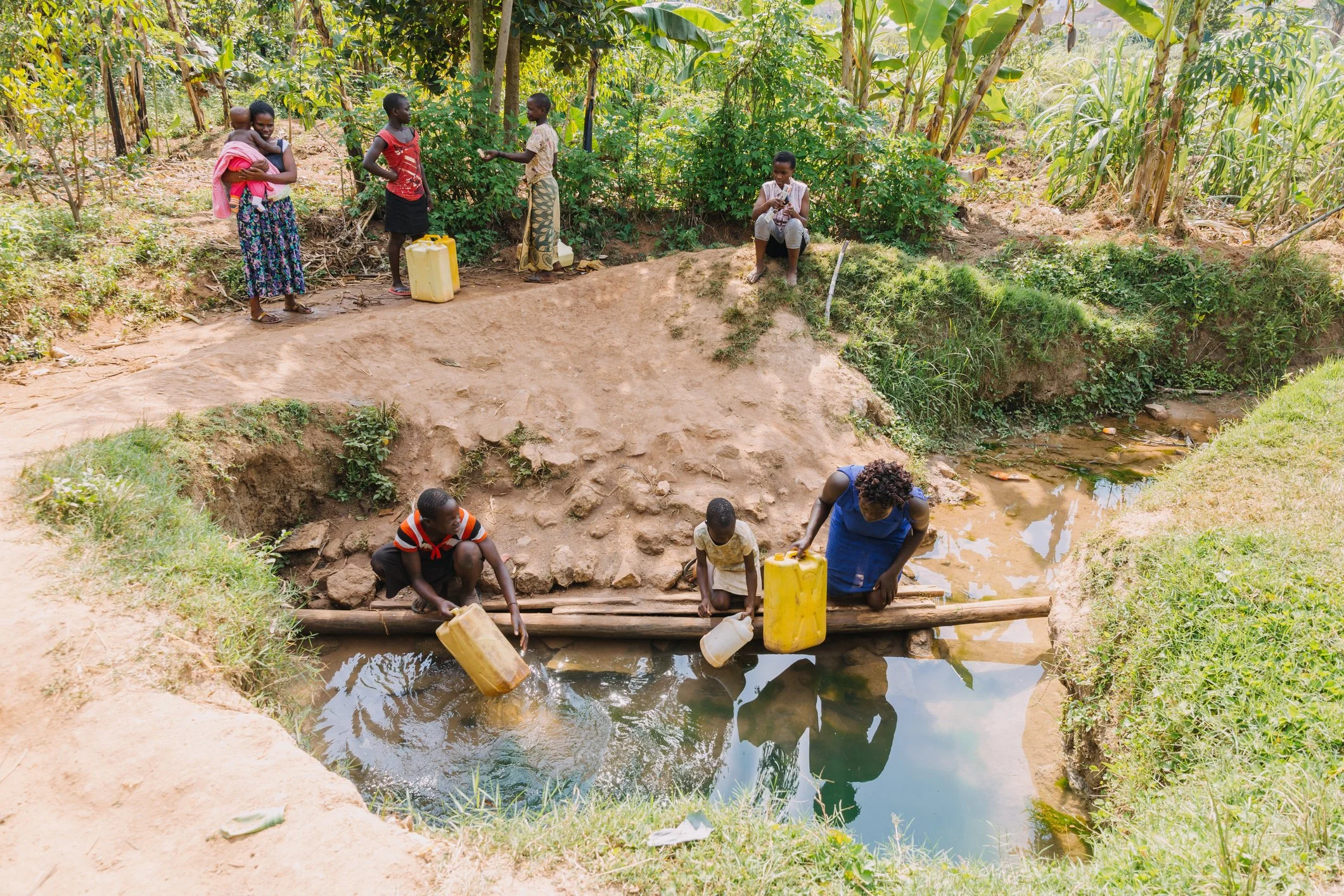
African women and girls often have to divide their time between caring for their families and looking for water.
Access to safe water and sanitation The United Nations emphasises, is a fundamental human right. It is also a critical enabler of gender equality. This underscores the urgent need to embed justice and inclusion into water strategies in Africa and around the world.
For centuries, women have had a close relationship with water and water resources. As such, national initiatives, including those under the National Adaptation Plans (NAPs) must deliberately involve women at all stages. Their experiences should inform the design and implementation of water sector plans that deliver quality and accessible water services equally and justly.
Women’s leadership in the water sector is not just a matter of gender parity. It is about addressing the deep challenges they face in trying to secure water for their households.
“Governments must ensure women representation in water governance at all levels and embed social inclusion in water policy frameworks.
”
Globally, encroachment and climate change are accelerating the degradation of watersheds, further straining access to water. For centuries, women have nurtured nature by restoring wetlands, harvesting rainwater, and managing watersheds sustainably.
To advance these practices, national governments must support women. This would allow them to develop useful control of water resources, actively engage in strengthening their resilience and equal access to water distribution.
Water is life, but without gender justice, water solutions will remain incomplete. In keeping with the African Union’s theme of water and sanitation availability and sustainability in 2026, governments on the continent must commit to embedding GEDSI principles in water governance.
“Women must be recognised not only as water carriers but also as water leaders, innovators, and custodians of water resources’ resilience.
”
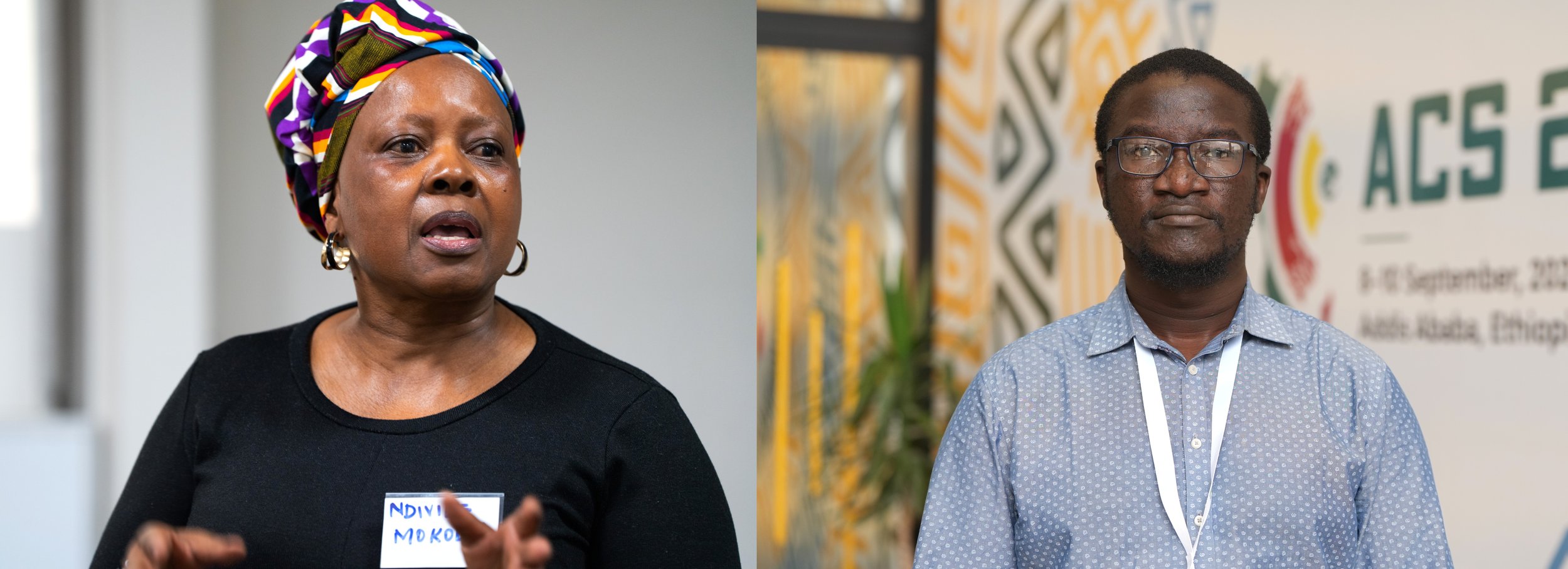
Ndivile Mokoena and Fredrick Otieno. | PSA Media
Opportunity for Change
Opportunities for change lie in reshaping water governance across Africa to be more inclusive and equitable, aligning water strategies with both SDG 6 on Clean Water and Sanitation and SDG 5 on Gender Equality. This ensures that access to water is recognised as both a basic right and a driver of empowerment.
Women’s cooperatives worldwide have demonstrated the power of community-led solutions, notably innovations in rainwater harvesting, small-scale irrigation, and local water committees that strengthen resilience at the grassroots level. With support, these solutions can scale.
Expanding leadership development is vital. Increasing women’s representation in water boards and ministries ensures that policies reflect lived realities rather than merely meet the requirements of abstract frameworks.
Finally, to guarantee a truly inclusive water governance approach, an intersectional outlook is needed. This will help address the specific needs of rural women, youth, persons with disabilities, and marginalised communities.
Ndivile Mokoena is a co-Director at GenderCC SA
Fredrick Otieno is a Project Associate at Power Shift Africa