
5 Trends to Watch in Renewable Energy in 2026
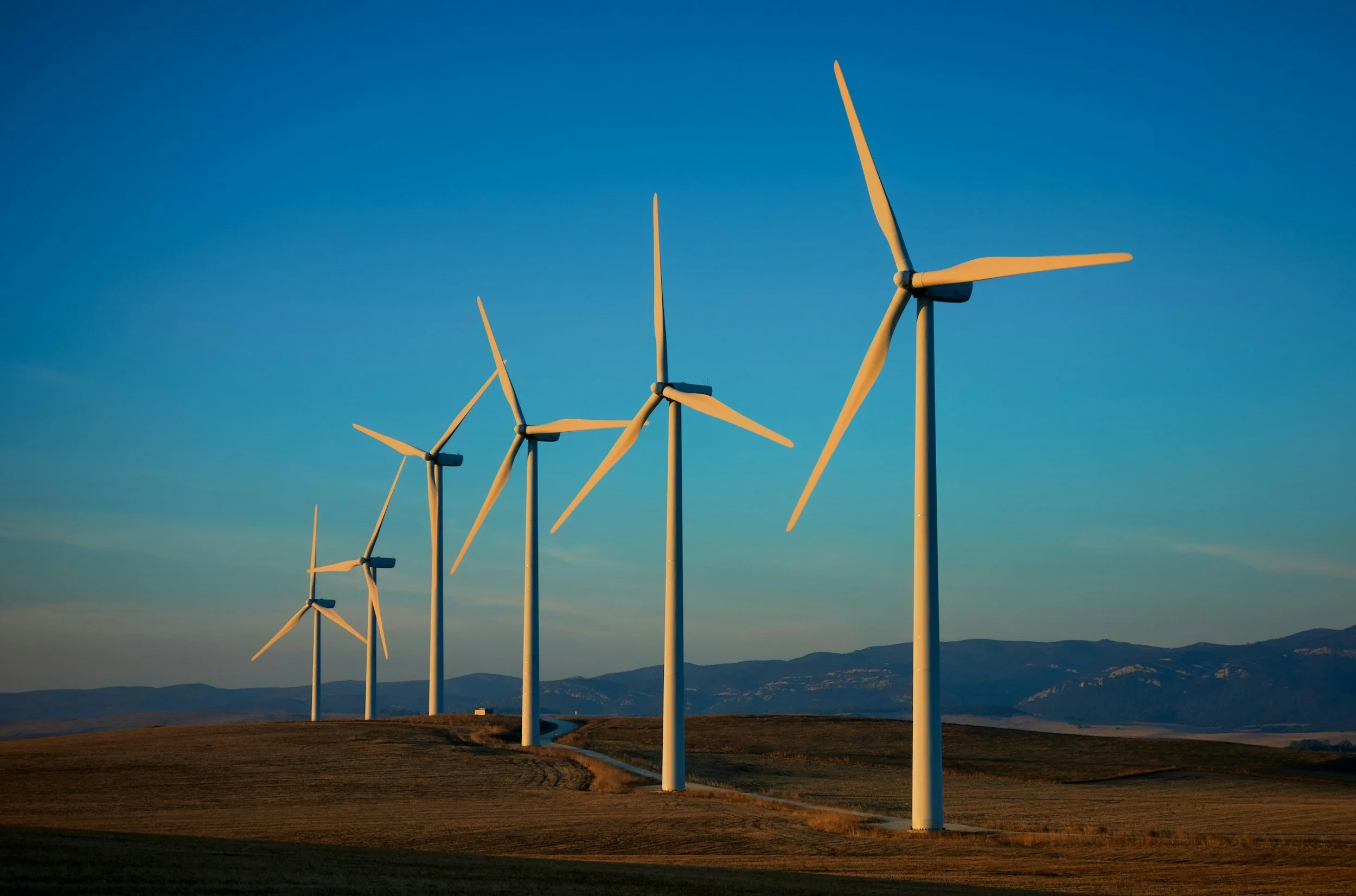
This is expected to be the year of accelerated growth in renewable energy adoption and investments globally, driven by falling costs, advancements in battery and storage technology, smart grids, increased finance, and favourable regulations in many countries around the world.
Between 2026 and 2030, projections show renewable energy will become the largest source of electricity generation around the world. During this period, capacity is expected to more than double from 2022 levels, hitting about 10TW.
China will continue to assert its dominance in the industry, accounting for a staggering 60 percent of the total capacity expansion, with India in second. Multiple analyses indicate that the era of renewables is finally here.
Read this report that makes the case for achieving 100 percent renewable energy in Africa.
So, what are some of the trends to watch in the sector in 2026?
Renewable Energy Costs To Fall Further. Yes, the cost of investing in renewable energy projects will continue its downward trend this year. Notably, wind and solar power will go further lower as cost competitiveness remains the defining characteristic of renewable energy sources. In 2024, for instance, 91 percent of all newly commissioned utility-scale renewable projects delivered electricity at a lower cost than the cheapest new fossil fuel-fired alternative, according to findings of a study by the International Renewable Energy Agency (IRENA). Enhanced efficiency, reduced manufacturing expenses, and new installation technologies will continue to drive this downward trend, making renewables increasingly affordable.
Year of Accelerated Adoption. This year, renewable energy deployment will accelerate significantly around the world. At the heart of its increased adoption will be strong economics, technological advancements, and a push for energy security and sovereignty, especially in Africa, where 600 million people live in the dark and cold. In many parts of the world, new renewable energy projects are already cheaper than fossil fuel alternatives. This makes them an attractive economic choice, with a steady decline in solar and wind costs further strengthening this trend. This forecast by the International Energy Agency (IEA) reveals that renewables will surpass coal to become the world’s primary source of electricity generation. Consequently, this could see clean power account for up to 90 percent of all new power capacity added globally this year, with solar PV and wind energy as the primary drivers of this expansion.
Smart Grids and Artificial Intelligence. Innovations in energy storage (batteries), smart grids, and AI are growing, helping to overcome the agonising challenge of intermittency associated with solar and wind power. Intelligent grid management through AI will help balance supply and demand in real-time, predict demand surges, and manage distributed energy resources (DERs) like rooftop solar and electric vehicles (EVs). In turn, this will reduce reliance on fossil fuels to stabilise the grid against intermittency and ensure continuity in energy supply. Additionally, AI provides more accurate forecasts by analysing weather patterns and historical data, allowing grid operators to plan better and integrate wind and solar power into the energy mix.
Advanced Battery and Storage Capacity. One of the biggest headaches for renewables is storage, owing to the intermittent nature of solar and wind power. Today, existing storage solutions are expensive, limited in scale, and often struggle with long-duration needs. This complicates the supply of reliable power, with a lot of energy produced going to waste. But this could be the year all this changes. New technologies will make it possible to diversify battery chemistries, while integrating AI-powered energy management systems will improve battery capacity. This year could witness increased deployment of long-duration storage (LDES) solutions to tackle a longstanding problem of short-duration needs, emblematic of most storage solutions in the market. In 2026, sodium-ion batteries, solid-state batteries, and flow batteries will finally start to compete with the more common lithium-ion batteries as the world responds to the demand for different battery performance needs.
Financing for Renewables to Increase. This is the good news part. Funding for green energy projects is expected to increase in 2026, driven by, among other factors, falling costs, growing demand, supportive policies such as tax credits, and a clean energy transition that’s gathering speed globally. When corporates make commitments to decarbonise their business, this will create consistent demand for renewables. At the same time, innovations in clean energy storage will continue to attract new capital. For emerging markets in Africa and the Global South, more funding will continue to flow to support them in building their foundational energy systems. According to the 2026 Renewable Energy Industry Outlook by Deloitte, developers will continue to tap into flexible financing to bridge construction costs and fast-track projects before credit expiration, bringing more resources into renewable energy.