AFRICA FORWARD SUMMIT: WHAT DECLARATION ON FINANCE MEANS FOR THE CONTINENT
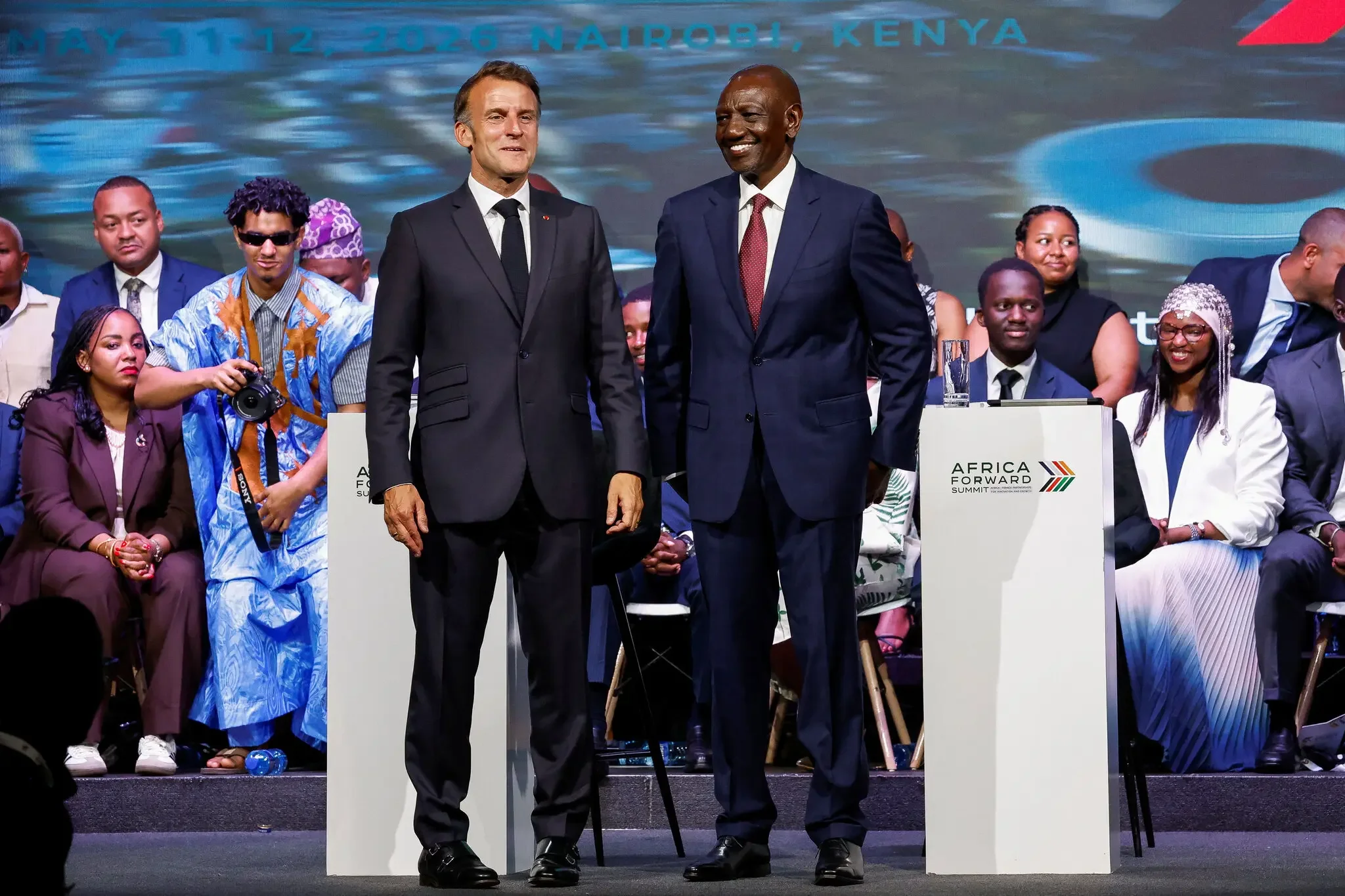
Kenya’s president William Ruto and his French counterpart Emmanuel Macron at the Africa Forward Summit in Nairobi. | NYT
The much-anticipated Africa-Forward Summit in Nairobi, Kenya, ended on Tuesday with an 11-point declaration. The hosts, Kenya and France, say the Nairobi Declaration will serve as the ‘‘framework for a strengthened Africa-France partnership to advance inclusive growth and innovation.‘‘
Power Shift Africa’s Saada Mohamed analyses some of the progressive outcomes on finance.
‘‘The Nairobi Declaration represents an opportunity for Africa to redefine its role in the global order to move from dependency to autonomy and leadership,’’ Ms Mohamed says.
The partnership, she notes, aims to correct historical imbalances in global finance governance through 3 key priority areas.
Reforms in the International Financial Architecture
The declaration amplifies the continent’s longstanding efforts to address historical imbalances in global finance governance to reflect Africa’s current fiscal and macroeconomic realities.
“Reviewing the IMF and World Bank’s governance structure, for instance, will ensure stronger representation of African interests, needs, and priorities in influencing decision-making on the needed reforms.’’
”
‘‘Reviewing the International Monetary Fund’s and World Bank’s governance structure, for instance, will ensure stronger representation of African interests, needs, and priorities in influencing decision-making on the needed reforms,’’

Saada Mohamed is the Climate Finance Advisor at Power Shift Africa. | PSA Media
She argues that these reforms are important to ‘‘align international flows with Africa’s sustainable development agenda’’ and to support the continent’s industrialisation and green transition.
‘‘Additionally, the reforms will accelerate debt restructuring and sustainability mechanisms to unlock affordable finance and expand Africa’s fiscal space for development and climate investments,’’ Ms Mohamed argues.
Global Tax Integrity and Transparency
For years, Africa has been demanding a fairer and more inclusive global tax system. Through the Nairobi Declaration, the France-Africa partnership strengthens Africa’s calls for these reforms.
‘‘This is essential to improve Africa’s financial sovereignty and protect its resources from tax evasion, profit shifting, and illicit financial flows.’’
Strengthening Domestic Resource Mobilisation and Institutional Capacity in Africa
‘‘The declaration reaffirms that Africa’s self-resilience depends on its ability to generate revenue and commits to enhancing Africa’s financial ecosystem.
Consequently, the summit supports the creation of a “New African Financial Architecture’’ while calling for increased synergy between the African Development Bank and other regional partners to enhance the continent’s own resources and regional ownership of financial solutions.
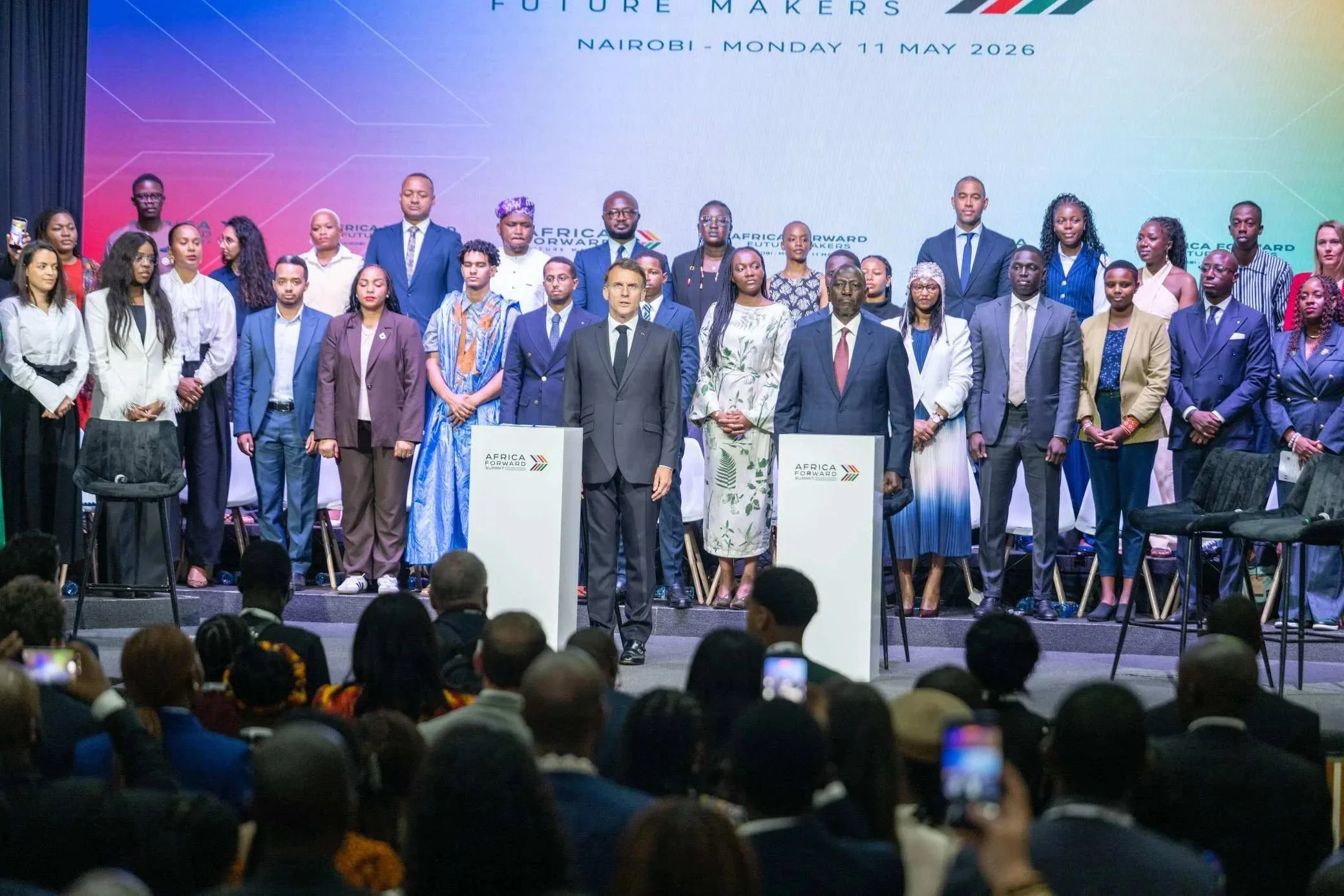
Leaders at the Africa Forward Summit in Nairobi, Kenya, in May 2026.
‘‘If done and done right, this could improve Africa’s risk profile through guarantees and de-risking mechanisms and ultimately lower the cost of capital, unlock investments, and scale mobilisation of Africa’s resources,’’ Ms Mohamed says.
The France-Africa partnership represents a stepping stone for Africa to advance its priorities into the G7 agenda, particularly on global finance and debt reforms, green growth, and sustainable development.
The successful inclusion of Africa’s priorities at the G7 will elevate the continent’s position as a co-architect of solutions to improve global finance governance.