World Bank’s New Minerals Strategy Could Make or Break Africa
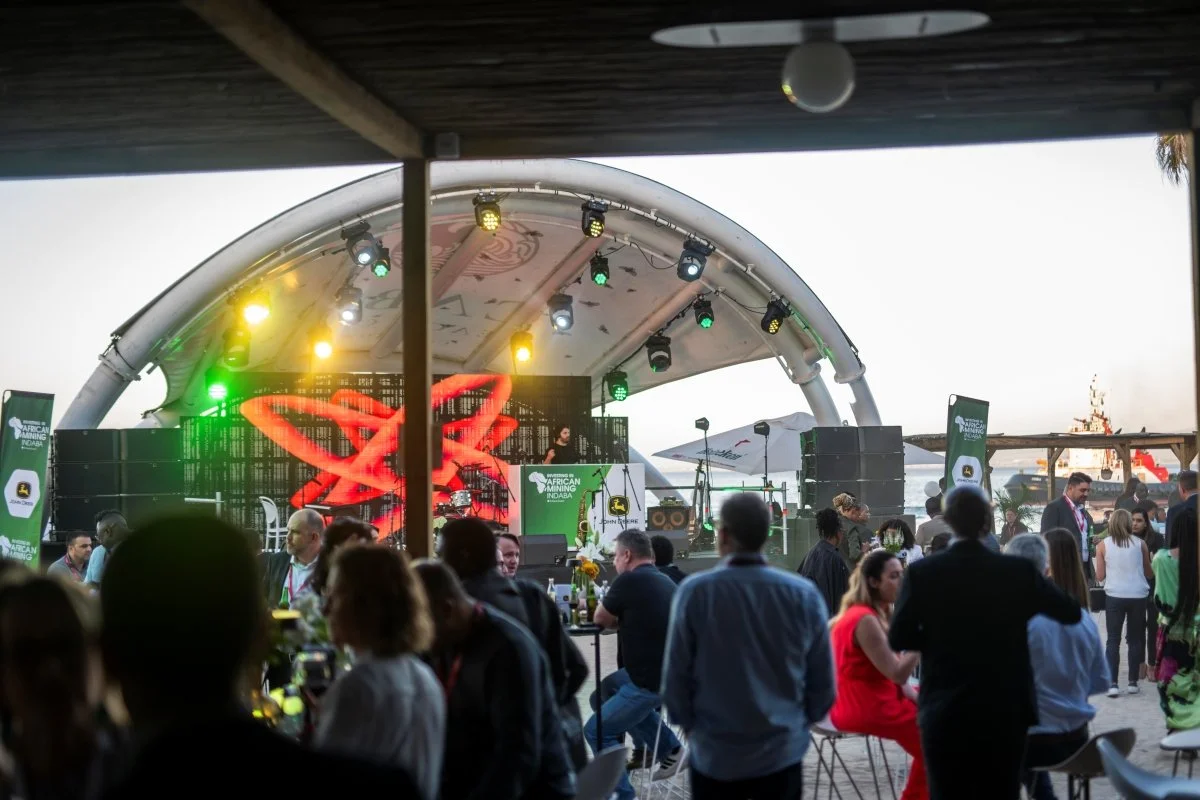
An exhibition at the 2026 African Mining Indaba in Cape Town, South Africa | African Mining Indaba
BY KARABO MOKGONYANA
When the World Bank Group announced that it would increase its financing for metals and minerals five-fold over the next five years at the 2026 Africa Mining Indaba in Cape Town, South Africa, it did more than signal a scaling up of capital.
It put itself at the heart of the defining geopolitical and economic contest of our time: the race for critical minerals.
While this commitment is not Africa-specific, it lands most heavily on Africa, because that is where a substantial share of the world’s untapped critical mineral wealth lies, and where the consequences of a misstep would be most profound.
“Africa is not peripheral to the critical minerals transition; it is central to it. And the bank’s new minerals strategy will shape how that centrality translates into either structural transformation or a more sophisticated edition of extractive dependency.
”
We are living through a minerals super cycle driven not by construction booms or fossil fuel expansion, but by decarbonisation and digitalisation. The International Energy Agency (IEA) projects that under a net-zero pathway, the demand for lithium could increase more than fortyfold by 2040, while the demand for graphite, cobalt, and nickel could grow by over twenty times.
For copper, the demand is expected to double due to electrification, grid expansion, electric vehicles, and renewable energy deployment. Solar panels, wind turbines, batteries, hydrogen electrolyzers, and transmission lines are mineral-intensive technologies. This makes the clean energy transition, in material terms, a metals transition.
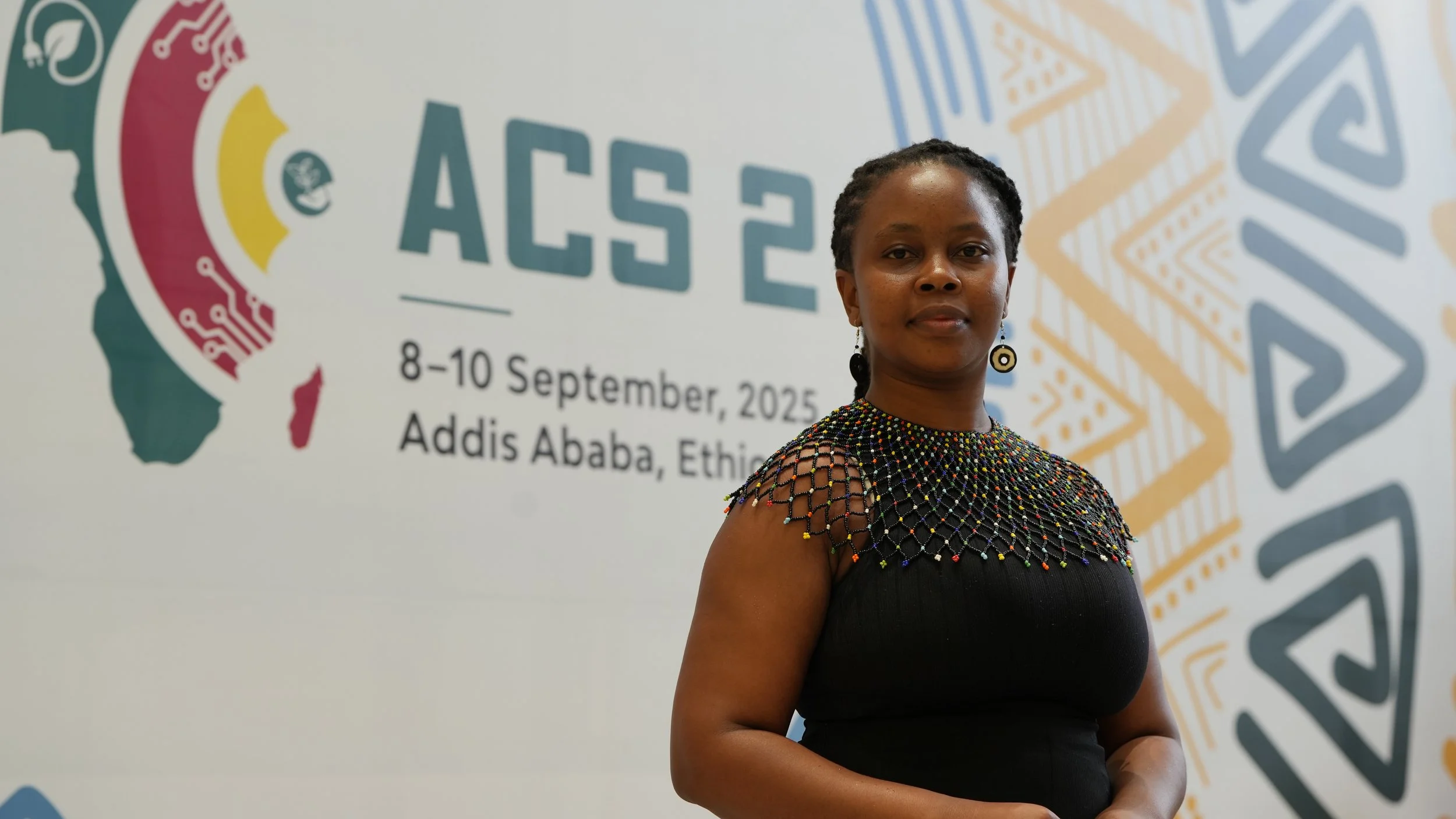
Karabo Mokgonyana is the Energy co-lead at Power Shift Africa | PSA
Africa’s geological endowment positions it at the heart of this shift. The continent holds roughly 30 percent of the world’s known mineral reserves. The Democratic Republic of Congo produces around 70 percent of global cobalt supply and is a major copper producer. South Africa dominates platinum group metals and manganese. Guinea accounts for a substantial share of global bauxite. Zimbabwe and Namibia are emerging lithium producers. Zambia is central to copper expansion strategies.
Yet with all its plentiful deposits, Africa processes less than 10–15 percent of its mineral output domestically.
The bulk of these minerals is exported in raw or minimally processed form, refined elsewhere, and reintegrated into global value chains as high-value components. This is the structural paradox the World Bank’s expanded minerals investment must confront.
Historically, extraction in Africa has generated foreign exchange and fiscal revenue, but limited industrialisation. Colonial and post-colonial economic models embedded a division of labour in which Africa supplied raw materials while manufacturing and technological upgrading occurred elsewhere. The energy transition risks entrenching this pattern unless deliberate interventions shift the continent up the value chain.
The bank’s pending new and amended minerals strategy seeks to build on its Climate-Smart Mining Initiative and broader extractives governance programs like RISE. It emphasises responsible sourcing, environmental and social safeguards, infrastructure development, regulatory reform, and capital mobilisation.
Over the past decade, the World Bank Group has financed billions of dollars in extractives-related projects globally, combining sovereign lending, IFC investments, and advisory services. A fivefold increase in minerals financing signals that development finance institutions see critical minerals not as a niche sector, but as a macroeconomic and geopolitical priority.
For Africa, the implications hinge on how this financing is structured.
“If capital flows predominantly toward upstream extraction designed to secure global supply chains, the continent risks remaining a quarry for other regions’ industrial policies.
”
If, however, the bank aligns its financing with domestic value addition and beneficiation strategies, the minerals boom could spur Africa’s industrial transformation.
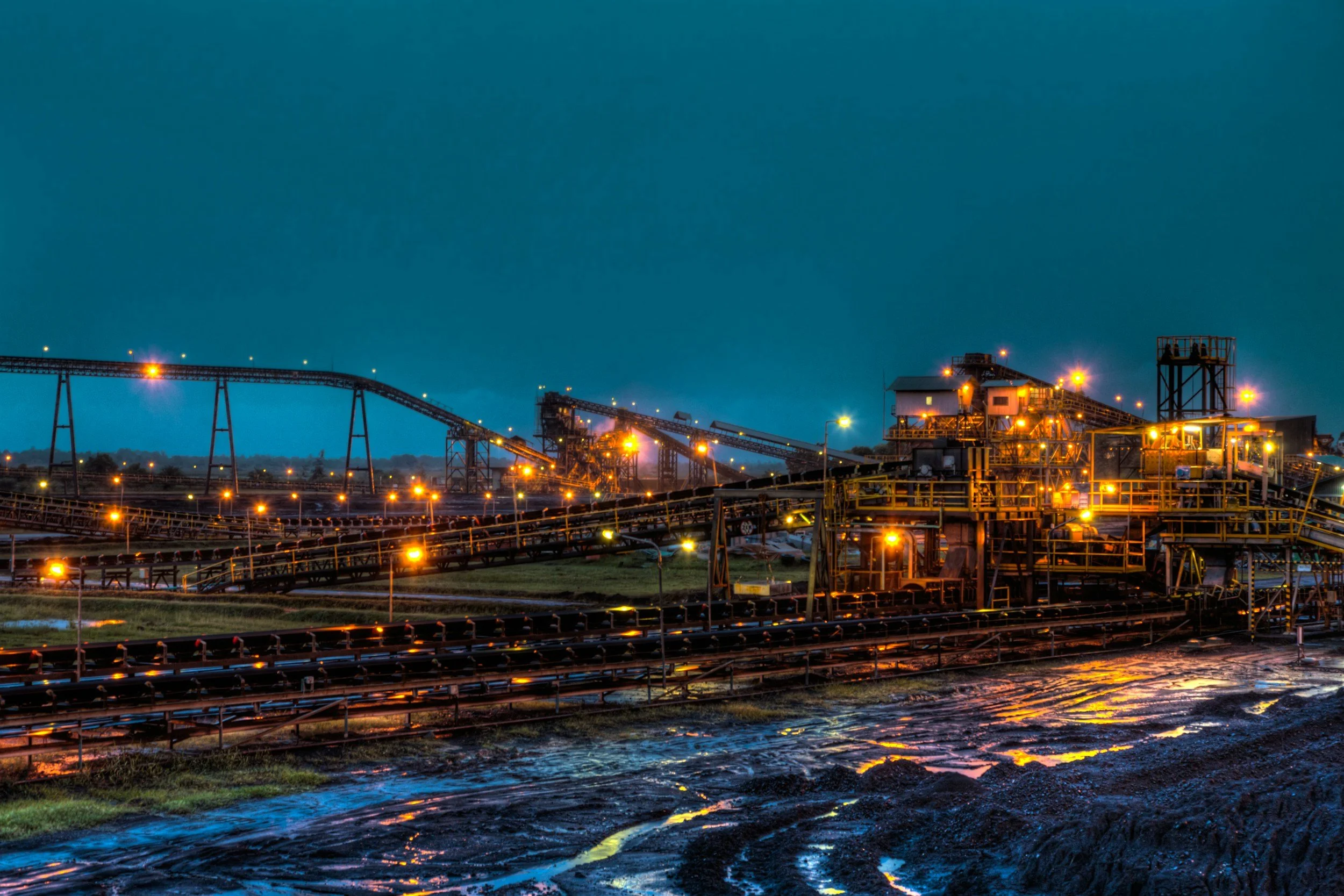
Beneficiation is not a rhetorical flourish. The value differential between raw ore and refined, battery-grade material can be multiple times over. Processing lithium into battery-grade lithium hydroxide or carbonate significantly increases export value compared to shipping spodumene concentrate. Refining cobalt and producing precursor cathode active materials captures far more economic value than exporting cobalt hydroxide.
Downstream integration into battery cell assembly or component manufacturing multiplies employment intensity and technology spillovers. Even moving one step along the value chain can increase export earnings by 30 to 300 percent, depending on the commodity and market conditions.
But beneficiation requires energy, infrastructure, and institutional coherence. Mineral processing is energy-intensive; unreliable grids undermine competitiveness. Many African mining regions face chronic power shortages. Logistics corridors, rail, roads, and ports, are often inadequate, increasing transport costs and reducing margins. Technical skills gaps constrain domestic participation in high-value segments. Fiscal regimes sometimes fail to capture adequate rents, while illicit financial flows and transfer pricing erode public revenues.
It's here that the World Bank’s role could be decisive. Its financing can support transmission infrastructure, renewable energy generation dedicated to industrial clusters, cross-border power pools, rail modernisation, and port upgrades. Its advisory services can strengthen contract negotiation capacity, revenue management systems, geological data transparency, and regulatory harmonisation. If deployed strategically, the Bank’s 5x commitment could address the systemic bottlenecks that have historically limited Africa’s capacity to industrialise around its resources.
Yet expansion without accountability would be reckless.
“The socioeconomic and environmental footprint of poor mining practices in Africa is well-documented: land dispossession, water contamination, tailings dam failures, deforestation, biodiversity loss, and unsafe artisanal mining conditions.
”
In parts of the DRC, cobalt extraction has been linked to hazardous artisanal labour practices. Copper belts are synonymous with pollution legacies. At the same time, platinum mining communities in Southern Africa continue to grapple with inequality and underdevelopment despite decades of extraction. Scaling mineral production to meet global clean energy demand could intensify these pressures.
It must meet enforceable environmental standards, rigorous tailings management, mine closure planning from project inception, water stewardship frameworks, and community development agreements with binding commitments. Free, Prior, and Informed Consent for affected communities cannot be procedural theatre; it must shape project design.
“Responsible and sustainable mining must move beyond ESG branding. ”
To prevent elite capture of the mining industry, revenue transparency and public participation in fiscal decision-making are essential. The World Bank’s safeguard frameworks provide a foundation, but the credibility of its new strategy will depend on enforcement and on whether communities experience tangible improvements in livelihoods, health, and infrastructure.
The geopolitical dimension adds further complexity. The race for critical minerals has intensified among the United States, the European Union, China, and members of the G7, all of whom have adopted strategies to secure diversified supply chains. Export credit agencies, development finance institutions, and strategic partnerships are increasingly oriented toward de-risking mineral investments.
The World Bank’s expanded financing intersects with these dynamics, as its involvement can crowd in private capital and signal project viability. The risk is that supply security concerns of advanced economies overshadow African development priorities. The opportunity is that heightened competition enhances Africa’s bargaining leverage, if governments coordinate regionally and articulate clear industrial strategies.
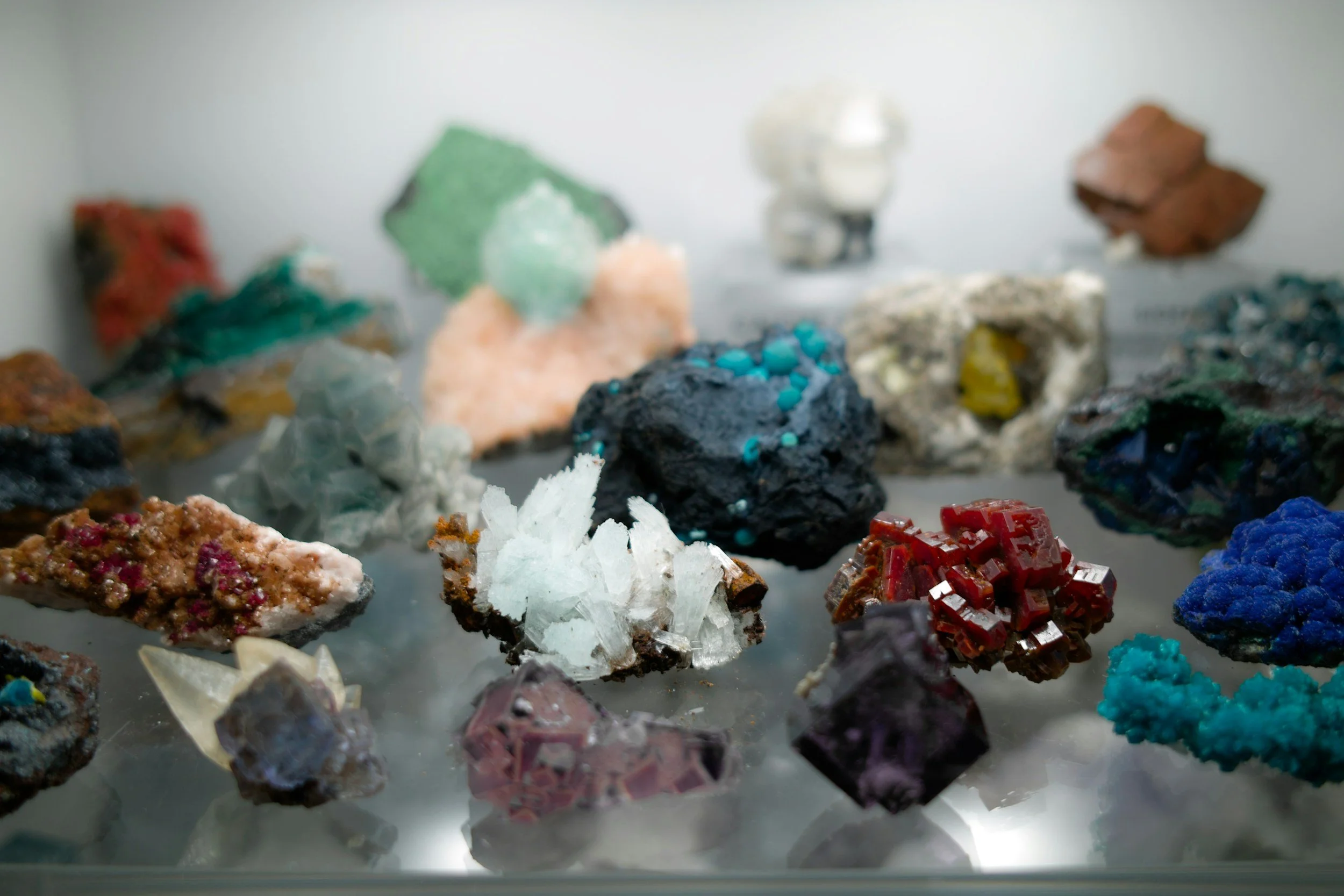
Different critical minerals on display. Africa has been agitating to take more control of the mining industry | Stock image
The context of the Africa Mining Indaba is, therefore, more than ceremonial. It symbolises a negotiation over the future architecture of the global energy economy. Africa is not merely a supplier of inputs; it is a determinant of whether the energy transition reproduces old hierarchies or inaugurates new forms of shared prosperity.
Thankfully, the African Continental Free Trade Area (AfCFTA) provides a platform for regional value chains. Coordinated policies on local content, export restrictions on unprocessed minerals, and regional processing hubs could shift the calculus.
Ultimately, the impact of the World Bank’s 5x minerals investment and pending new minerals strategy on Africa will not be measured by disbursement volumes. It will be measured by whether mineral-rich countries move up global value chains; whether mineral revenues finance diversification into manufacturing, services, and human capital; whether environmental damage is minimised and rehabilitated; and whether mining communities experience dignity rather than dispossession.
The announcement at the Indaba signalled that minerals would define development finance in the decade ahead. For Africa, this is a critical inflection point. The continent can either remain the physical foundation of other regions’ green industrial revolutions, or it can leverage this moment to anchor its own.
Karabo Mokgonyana is the Energy Co-Lead at Power Shift Africa