ANALYSIS: WHAT MAKES AFRICA WATER-POOR?
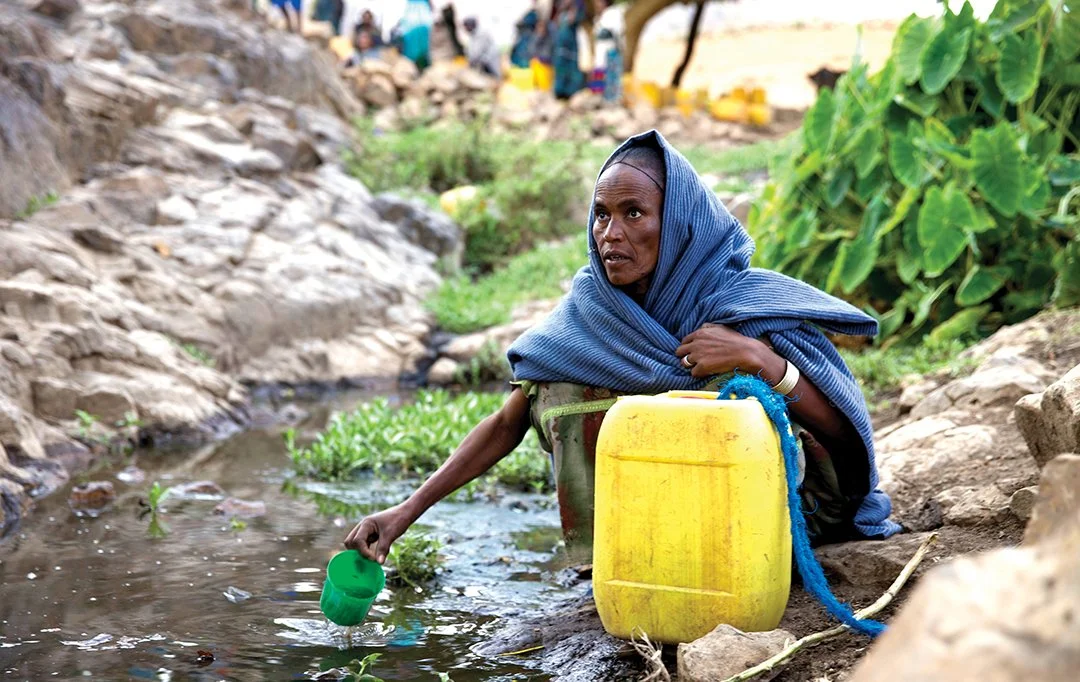
An African woman collecting water from a stream | Afrika Hayat
“The world has entered the era of water bankruptcy. ”
Water bankruptcy is a critical condition where human water usage exceeds renewable supplies and natural replenishment rates to such an extent that the damage to water-related natural capital—including aquifers and lakes—is irreversible or too costly to repair.
According to the UNU, water bankruptcy signifies a permanent, chronic state of water depletion, rather than a temporary crisis or shortage.
The situation is far worse in Africa, home to only 9 percent of the world’s renewable freshwater resources. About 54 percent of all African freshwater resources are located in just six countries, while more than half of the countries on the continent face water poverty.
This uneven distribution, poor water infrastructure, inadequate water governance, and climate change make Africa the most water-insecure continent in the world, with more than 400 million Africans still lacking access to basic, safe drinking water services to date.
This week at the African Union Summit in Addis Ababa, Ethiopia, African leaders will be debating ways to guarantee sustainable water availability and sanitation on the continent.
In this piece, we examine the main factors that make Africa water scarce, water insecure, and water stressed.
Climate Change and Environmental Degradation
“The ongoing global warming is putting more pressure on the hydrological system, as evidenced by longer and more frequent droughts, severe floods, and changing precipitation patterns. ”
At the same time, rising sea levels are also contaminating freshwater sources with salt. A rising sea in the Indian Ocean is responsible for contaminating vital freshwater resources such as Kenya’s Tana River Delta through saltwater intrusion. River Tana is Kenya’s largest river, supplying freshwater for agriculture and domestic use to 9 million Kenyans, including Nairobi’s 6 million residents. Its contamination puts the lives and livelihoods of millions at risk.
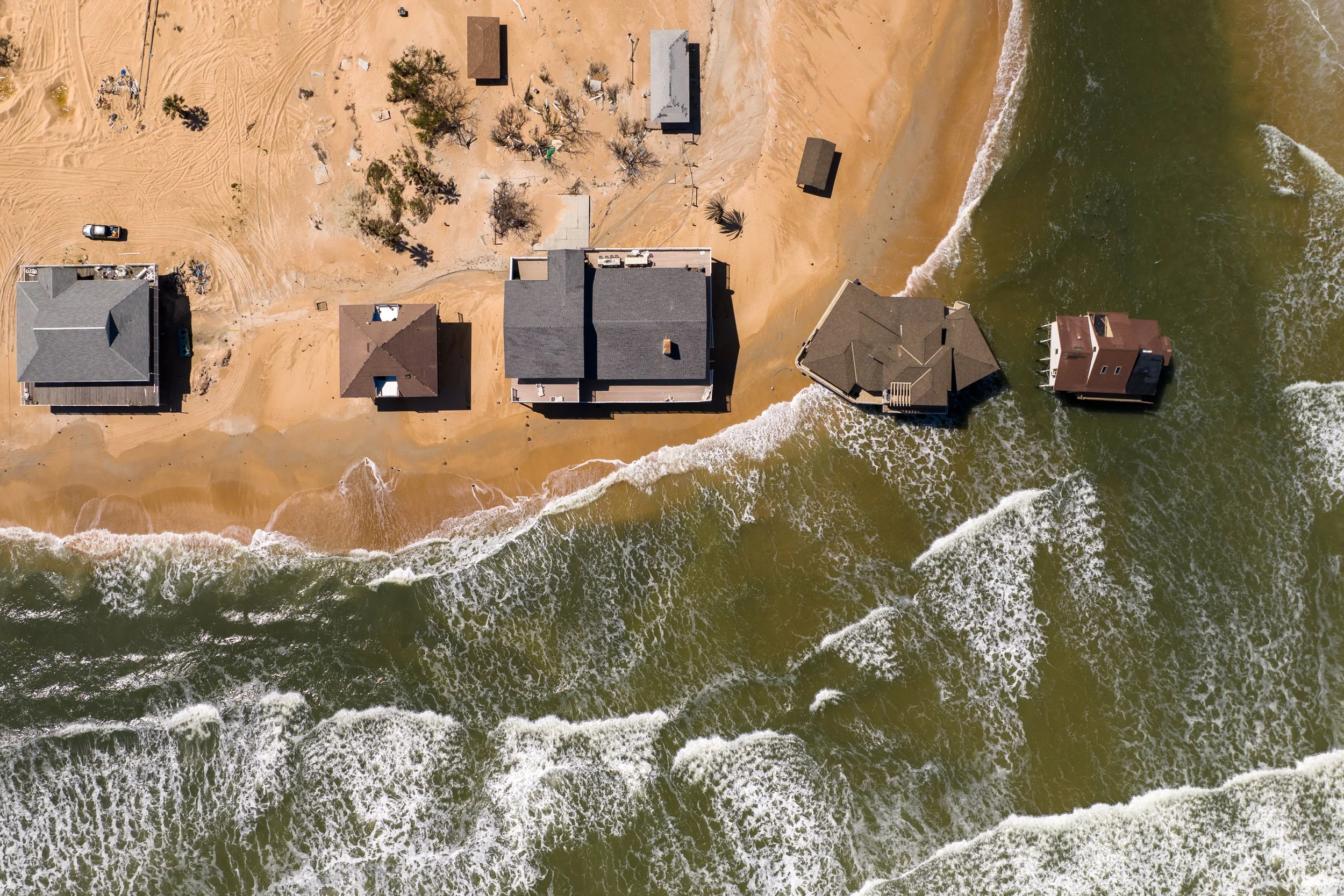
Sea water encroaching on homes.
The degradation of forests and wetland ecosystems has also destroyed Africa’s natural water catchment areas, jeopardising its availability. Studies such as this one by ScienceDirect show that African wetlands are among the most degraded globally. Sub-Saharan Africa has lost about 50 percent of its wetlands in the last five decades alone. The remaining wetland ecosystems are under increasing threat of disappearance, and with them, the water they hold.
READ: How this Johannesburg community restored a degraded river
Water Contamination and Pollution
“Pollution of surface water is a major problem in Sub-Saharan Africa, largely due to rapid urbanisation, poor sanitation, industrial, agricultural, and household waste. In West Africa, illegal mining uses mercury, contributing to high turbidity. ”
READ: Water Turbidity and its Causes
In Kenya’s capital, Nairobi, industrial waste is pumped and dumped into the Nairobi River, rendering its water unusable for domestic purposes. While water is abundant in some African countries, most of it cannot be used due to pollutants.
Nigeria has one of the worst water pollution records in Africa, notably due to oil spills, in addition to other forms of pollution, making it a significant environmental and public health issue in the country.
Less than 10 percent of wastewater in Sub-Saharan Africa is treated, with the rest being discharged back into the environment untreated. The lack of infrastructure to treat wastewater makes the continent the world’s most water-insecure region, but also more susceptible to waterborne diseases such as cholera, dysentery, and typhoid.
Inadequate Infrastructure, Investment
Many regions in Africa do not have the pipes, pumps, and treatment facilities required to transport and manage safe water.
The situation is much worse in rural Africa, where only two in 10 people have access to tap water. Most rural Africans rely on surface and groundwater for their domestic and agricultural needs. This is also the case in low-income neighbourhoods in African urban areas. In many of these neighbourhoods, there are no direct, piped municipal connections, and residents get water from informal, unregulated, and often costly sources, including private water vendors, community water kiosks, communal standpipes, water ATMs, and boreholes.
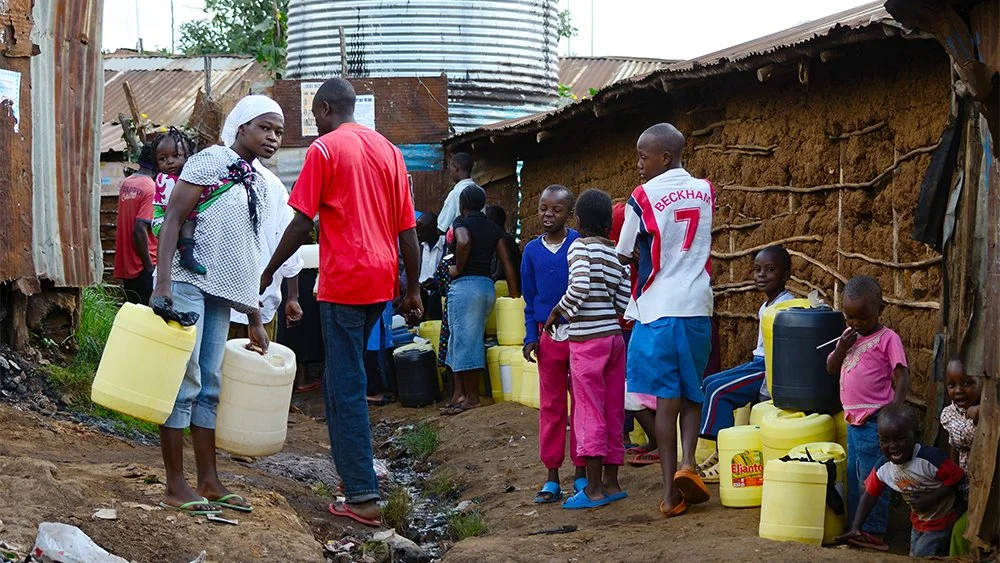
Women and children queuing to buy water at a kiosk in Kibra, Nairobi, Kenya | Shutterstock
Vendors, often controlled by water cartels, retail water at exorbitant rates, making households in these neighbourhoods pay up to five times more for water than their counterparts in middle-class areas where water flows in piped, subsidised infrastructure. As a result, poor households spend more than 20 percent of their income on water, by far surpassing the UN-recommended 3 percent threshold.
READ: Water Access in Kenya’s Informal Settlements
In most cases, marginalised communities in informal settlements, who bear the harshest sting of water scarcity, don’t have a political voice to influence investments in water infrastructure.
Weak Governance and Management
“Water governance in Africa is largely poor, and often characterised by fragmented, inefficient management, aging infrastructure, high rates of water loss, and failure to implement laws on protecting water sources from encroachment and pollution. ”
In many countries, corruption, underinvestment, and weak institutional capacity hinder service delivery, leading to severe water scarcity and inequitable access for millions. This is the case in rural areas and poor urban neighbourhoods where water and sanitation infrastructure are underdeveloped or absent altogether. Where wastewater treatment plants exist, the majority have failed owing to neglect.
After construction, many water projects fail due to poor maintenance, lack of technical skills, and failure to regularly monitor and service them.
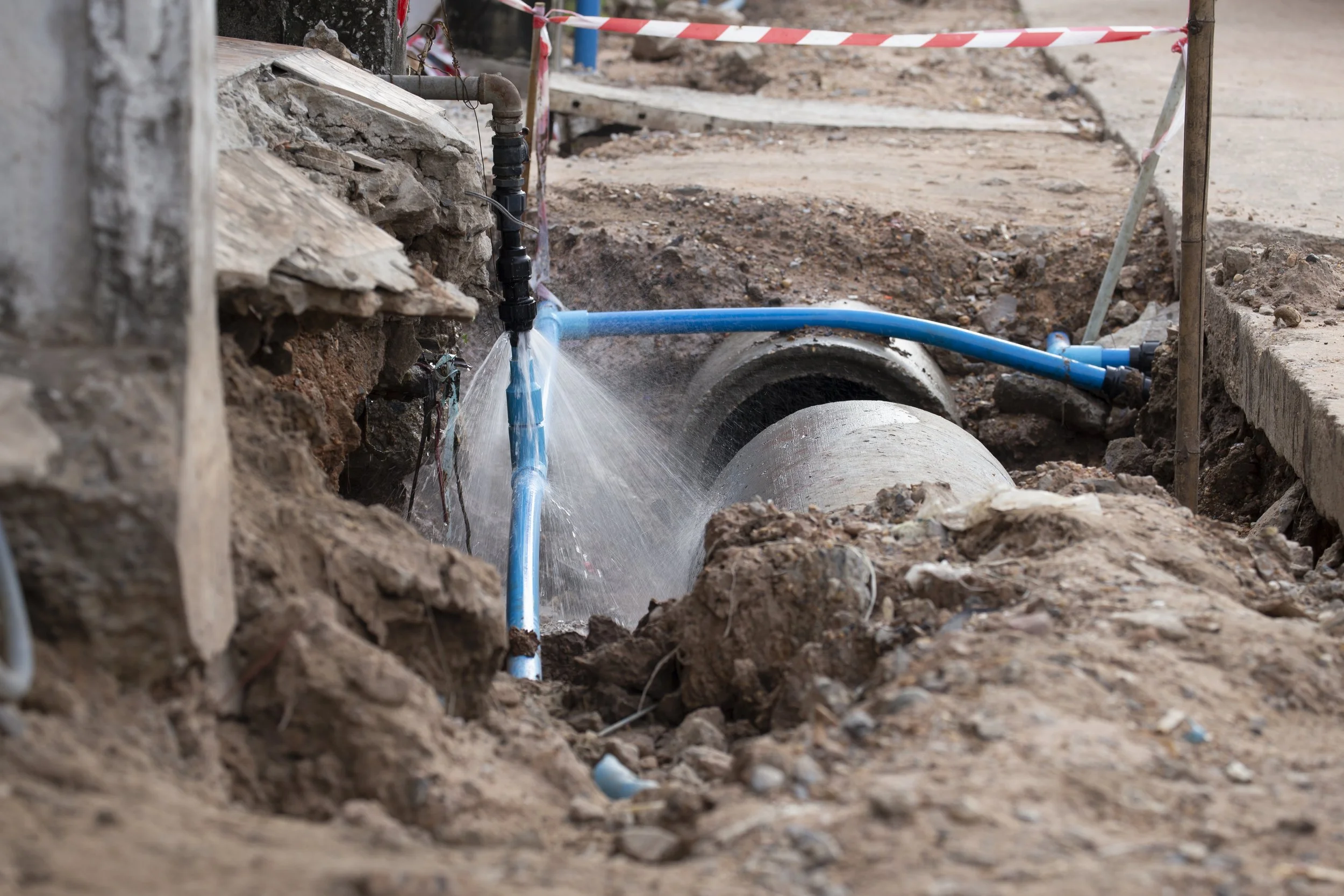
In January 2026, a severe, accelerating water crisis in South Africa left thousands of homes without the commodity, as the authorities battled aging systems, poor maintenance, and governance failures. This has led to 70 percent outages in homes in some towns, with some statistics showing that about 47 percent of all treated water in South Africa is lost to leaks and theft.
Rapid Population Growth and Urbanisation
At 1.5 billion people, Africa accounts for about 19 percent of the world’s population. This is expected to grow by an additional one billion people by 2050, further straining available resources in the most water-insecure continent on the planet.
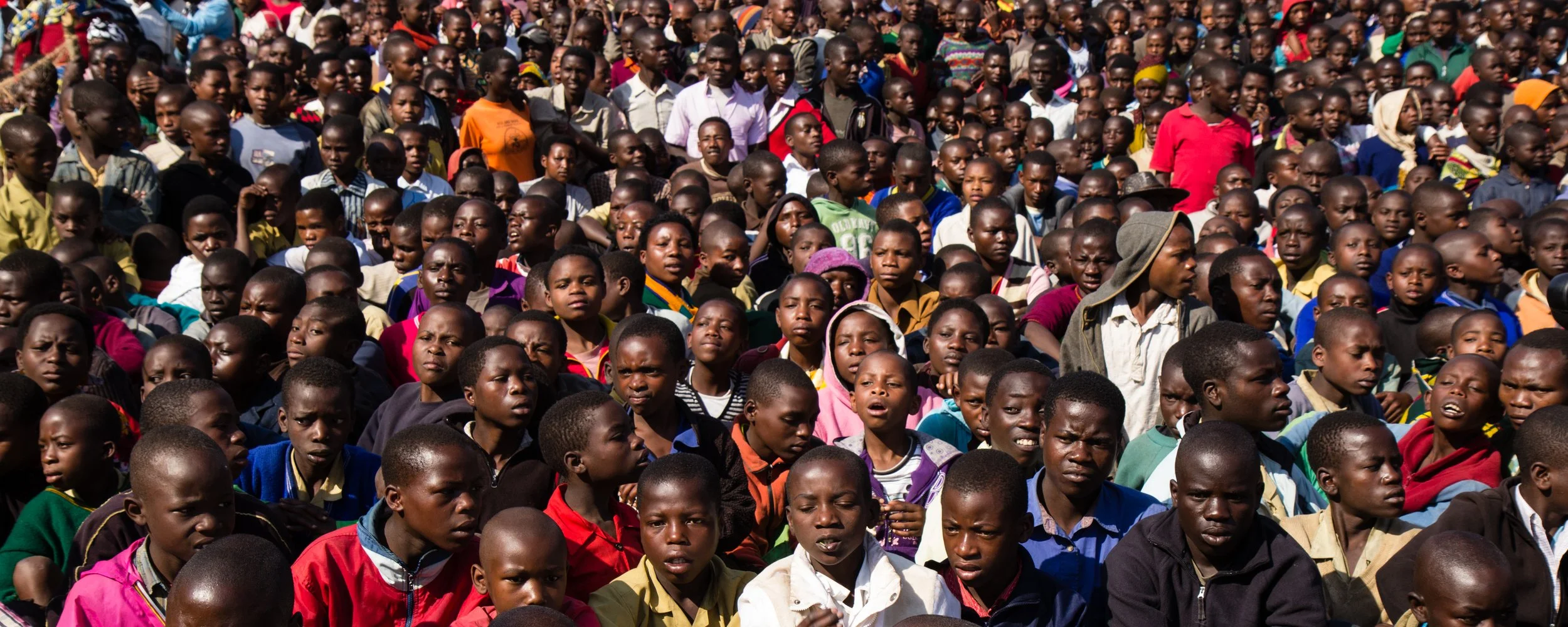
As the population grows, the demand for water in Africa will continue to burgeon, more than doubling by mid-century, and hitting 103 percent of the current consumption rate.
“As the population grows, the demand for water in Africa will continue to burgeon, more than doubling by mid-century, and hitting 103 percent of the current consumption rate.
”
As more people move to cities, they will exert more pressure on the existing water infrastructure. This mismatch between rising demand, limited supply, and aging infrastructure will cause severe water shortages if not addressed early enough.