Davos 2026: 7 Defining Speeches at the World Economic Forum Summit
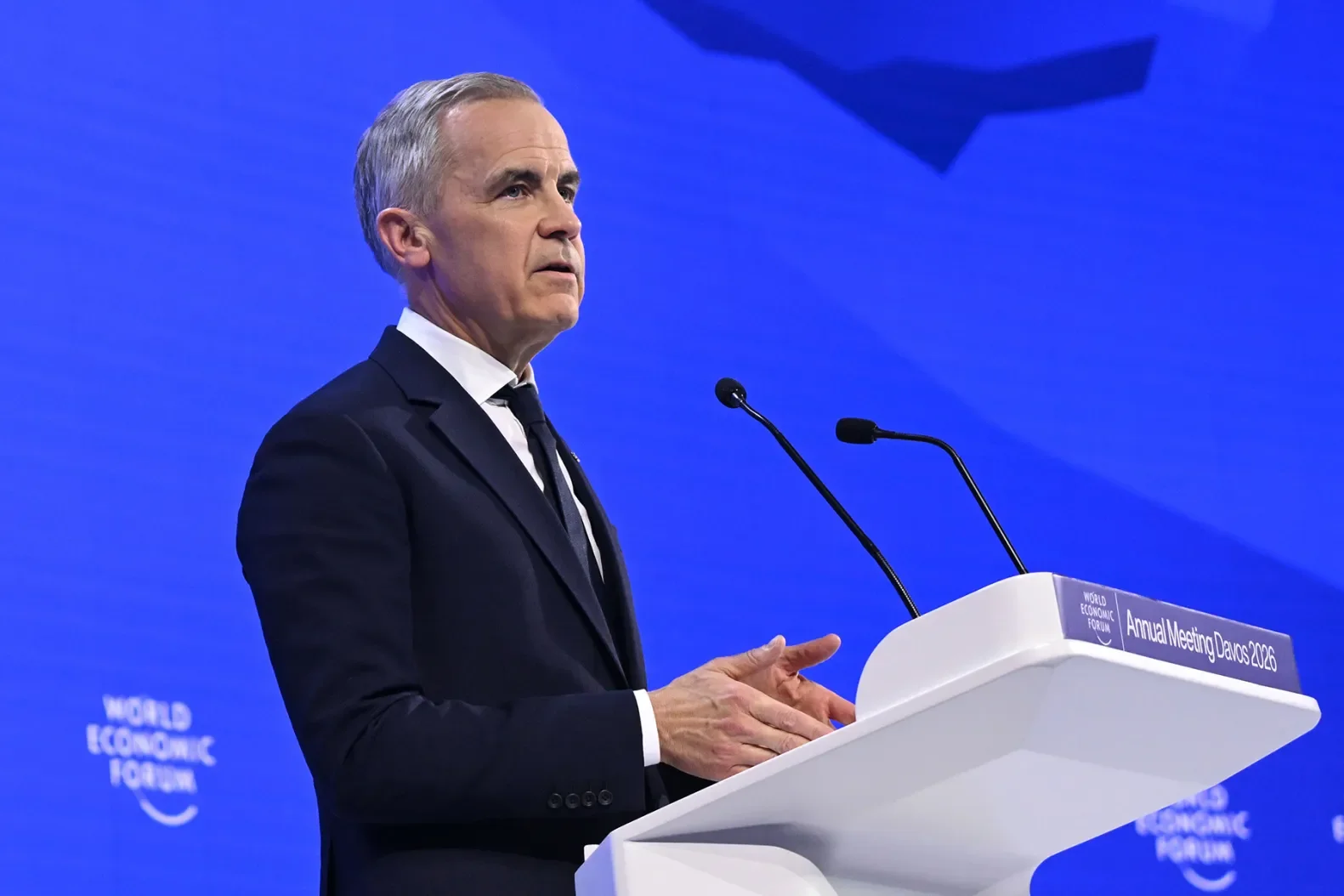
Canadian Prime Minister Mark Carney gives his riveting speech at WEF
When they met in Davos, Switzerland, for the World Economic Forum last week, world leaders had plenty to ponder.
It was their first meeting in 2026, coming hard on the heels of the US’s invasion of Venezuela, President Trump’s threats to take over Greenland, and Washington’s withdrawal from multiple United Nations agencies and other multilateral bodies.
WATCH: Why Mozambique President Daniel Chapo skipped the summit in Davos.
In this piece, we highlight some of the most stirring speeches made in the Swiss Alps and their significance to the current state of the world. There is a sense of unanimity about the collapse of global order as we have known it, but opinion remains divided about what system will or should replace it. Can the world, bruised and battered, rethink and protect the spirit of multilateralism even as a new order emerges? As leaders spoke, one thing became clear: even in the midst of the diplomatic huffing and puffing, nothing trumps the power of a people united by a common desire to work for the good of humanity. And these statements by a selection of global leaders at the Davos summit point us to that universal truth:
Prabowo Subianto – President, Indonesia
I want to cut the chain of poverty. In Global South countries such as Indonesia, countries coming out of hundreds of years of colonialism, usually the son of a poor peasant will be a poor peasant. The son of a garbage collector will be a garbage collector. The son of a street hawker will be a street hawker. The son of a day labourer in the harbour will also be a day labourer in the harbour. This is what we call the cycle of poverty. I am determined to break that cycle. Everyone must be given equal opportunity.
Mark Carney – Prime Minister, Canada
We are in the midst of a rupture, not a transition. Over the past two decades, a series of crises in finance, health, energy, and geopolitics have laid bare the risks of extreme global integration. But more recently, great powers have begun using economic integration as weapons, tariffs as leverage, financial infrastructure as coercion, and supply chains as vulnerabilities to be exploited. You cannot live within the lie of mutual benefit through integration when integration becomes the source of your subordination.
Ursula von der Leyen – President, European Commission
Nostalgia is part of our human story. But nostalgia will not bring back the old order. And playing for time and hoping that things will revert soon will not fix the structural issues that we have. If this change is permanent, then Europe must change permanently, too. It is time to seize this opportunity and build a new independent Europe.
Emmanuel Macron – President, France
It’s clear we are reaching a time of instability, of imbalances, from a security, defence, and economic points of view. Look at the situation we are in: a shift towards autocracy, against democracy. More violence, more than 60 wars in 2024, which is an absolute record. Conflict has become normalised, hybrid, expanding into new demands, space, digital information, cyber, and trade. It is a shift towards a world without rules. Where international law is trampled underfoot and where the only law that matters is that of the strongest. Imperial ambitions are resurfacing. Without collective governance, cooperation gives way to relentless competition.
Abdel Fattah El-Sisi – President, Egypt
Our world today faces monumental challenges on our development path. We are witnessing profound transformation and patterns of international cooperation in addition to the rising role of innovative tools of technological progress, digital transformation, and AI application. This requires us all to consolidate efforts to promote cooperation and joint action, and seize the opportunity for the good and mutual benefits for our nations.
READ: The irony of the Davos Summit
Mohammad Mustafa - Prime Minister, Palestine
85 percent of all infrastructure and houses in Gaza have been destroyed. The most important thing is to keep our borders open to bring as much humanitarian assistance as possible. Our people will wait for the universities to be rebuilt and reopened. They will wait for the full reconstruction. But our people cannot wait for this while sitting in temporary shelters. My plea to everybody: please let’s focus on what matters first. Open the borders. Allow people who have been displaced to build temporary shelters to live decent lives while we deal with the other issues. Let’s move fast on things that matter for our people. Temporary shelter is critical. We need to deal with the security issue, governance, and economic recovery. Then, hopefully, the reunification of Gaza and the West Bank, and hopefully end with one Palestinian state, one governance system, one law, one security system, so that Palestinians can live like everybody else in freedom and peace.
Aziz Akhannouch - Head of Government, Kingdom of Morocco
War is back in Europe. Geopolitical tensions are growing. Climate, health, and social welfare are currently in worse condition. We cannot build a geopolitical future on a fragile society. It all starts with the most basic principles. We first must protect our populations. Economic growth, inflation reduction, and debt reduction indicate resilient economies and societies. By increasing our budgetary allocations for education and health by 20 percent, we have accelerated major reforms in both sectors, modernised and reinforced infrastructure, and personnel. Protecting sectors without transforming them doesn’t make any sense.