
AFRICA FOOD SYSTEMS FORUM: BUILDING RESILIENT AGRIFOOD CORRIDORS
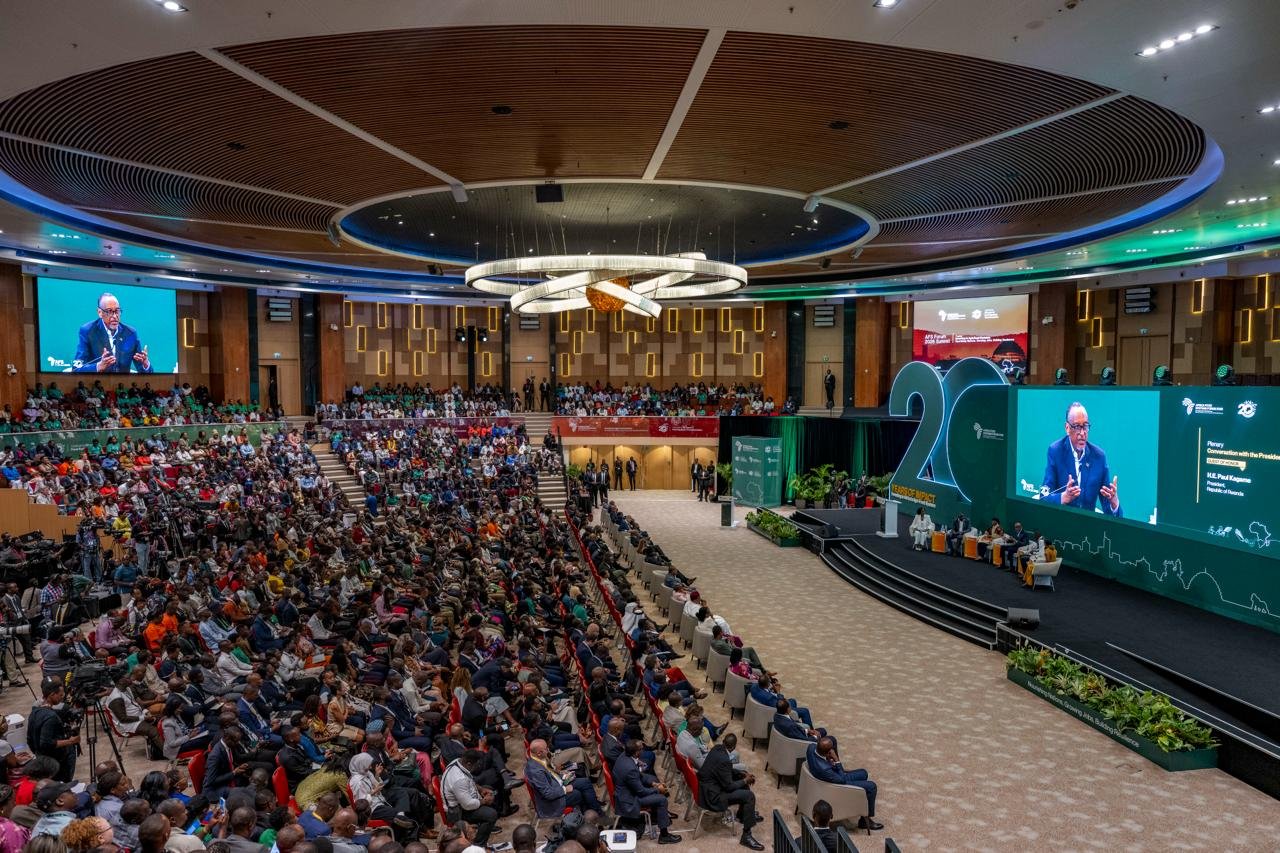
Delegates follow proceedings at the Africa Food Systems Forum in Kigali, Rwanda, in September 2026. | STOCK
BY FREDRICK OTIENO
The 20th edition of the Africa Food Systems Forum concluded last week in Kigali, Rwanda, with an emphasis on several longstanding facts about Africa’s agriculture and food terrain.
Foremost, the AFS Forum 2026 reminded us of the sheer size of our virgin land, youthful population, expansive market, active smallholder farmer base, and abundance of inland freshwater resources to support agriculture.
These are not new realities. Still, it’s important to highlight them.
In discussion rooms, at side events, high-level dialogues such as the Council of the Wise,’’ and at the presidential event hosted by Rwanda’s President Paul Kagame, speakers and panelists underscored the significance of harnessing these resources to unlock Africa’s agricultural potential.
The forum concluded that harnessing this potential is the surest path to delivering stronger, resilient, and sustainable food systems that feed, nourish, and build wealth for Africa.
Inevitably, the Africa Continental Free Trade Agreement (AfCFTA) featured in many discussions. For obvious reasons.
If implemented, this mechanism could consolidate the continental market, enhance intra-African trade, and accelerate commerce and development for our people in tremendous ways.
Its potential is profound. As such, it needs closer examination.
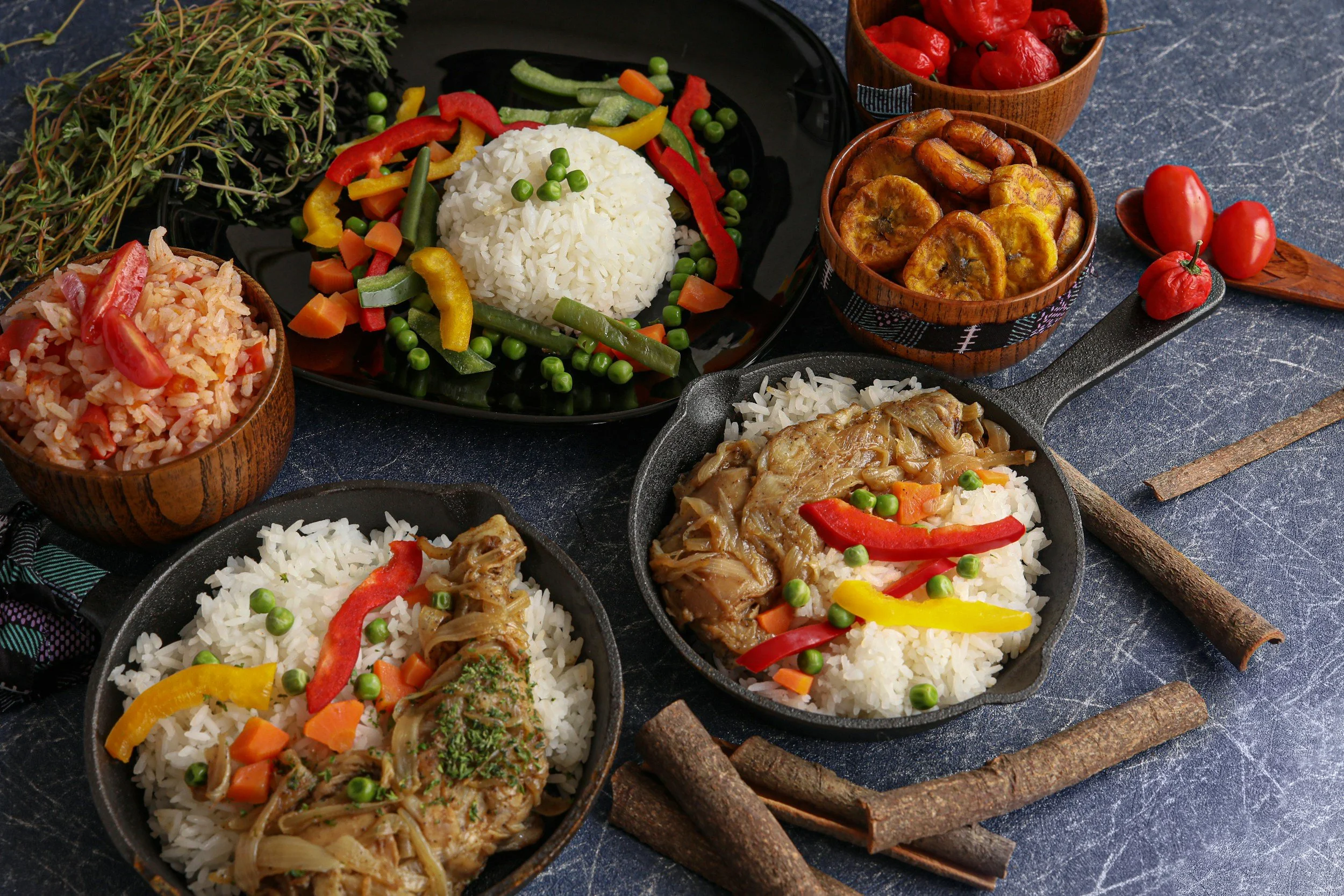
In this photo, diverse African foods are shown. Africa’s foods are as diverse as the people of the continent. | STOCK
Countries on our continent sit within diverse agroecological zones, including arid and desert, semi-arid, savanna, sub-humid and humid zones, and highlands. The soils, climate, and topography of these zones determine the types of crops that grow there, often without the need for irrigation or agrochemicals. Still, introducing soil management practices and organic pest-control methods to counter climate stresses could make these adapted agroecological zones even more viable.
To realise a country’s comparative advantage in agriculture, its ecological zone must be harnessed and strengthened through investments in agro-processing and technology. This is critical to optimise production of certain food crops at a lower cost and allow a country to specialise in foods only it can produce at scale by optimising its resources.
Once countries have assessed and identified their production potential and strengths, the AfCFTA kicks in, helping them to market and sell their commodities across borders with ease. The commodities could range from fresh produce to fruits and vegetables, and raw food entering a country to be processed into high-value products.
Exploiting African countries’ comparative advantage is a game changer on many fronts.
A hot air balloon flies over agriculutural fields. | STOCK
Firstly, it is the pathway out of the continent’s heavy food import bill – which partly contributes to indebtedness. Secondly and crucially, it would strengthen Africa’s bargaining power in the global market. An organised agrifood system means more leverage for African leaders. It translates to a stronger negotiation position for technologies, including renewable energy and food-processing equipment, to standardise food products.
Enhanced intra-continental trade does not stop free global trade. It only positions the continent better and gives it the strategic power to demand better deals while retaining the highest value of its agricultural produce.
More trade in food commodities in Africa will create more African jobs and build more wealth here. If Africa must import food, it must only do so for commodities it genuinely can’t produce at home.
We know why millions of our people are food insecure. We also know what we must do to end this indignity of hunger. We have all the resources to deliver food security and food sovereignty in Africa. We must act now.
The spirit of this year’s AFS Forum must live on.
Fredrick Otieno is a Project Associate at Power Shift Africa