
RENEWABLE ENERGY IN AFRICA: IT’S NOW CHEAPER, BUT IS IT AFFORDABLE?
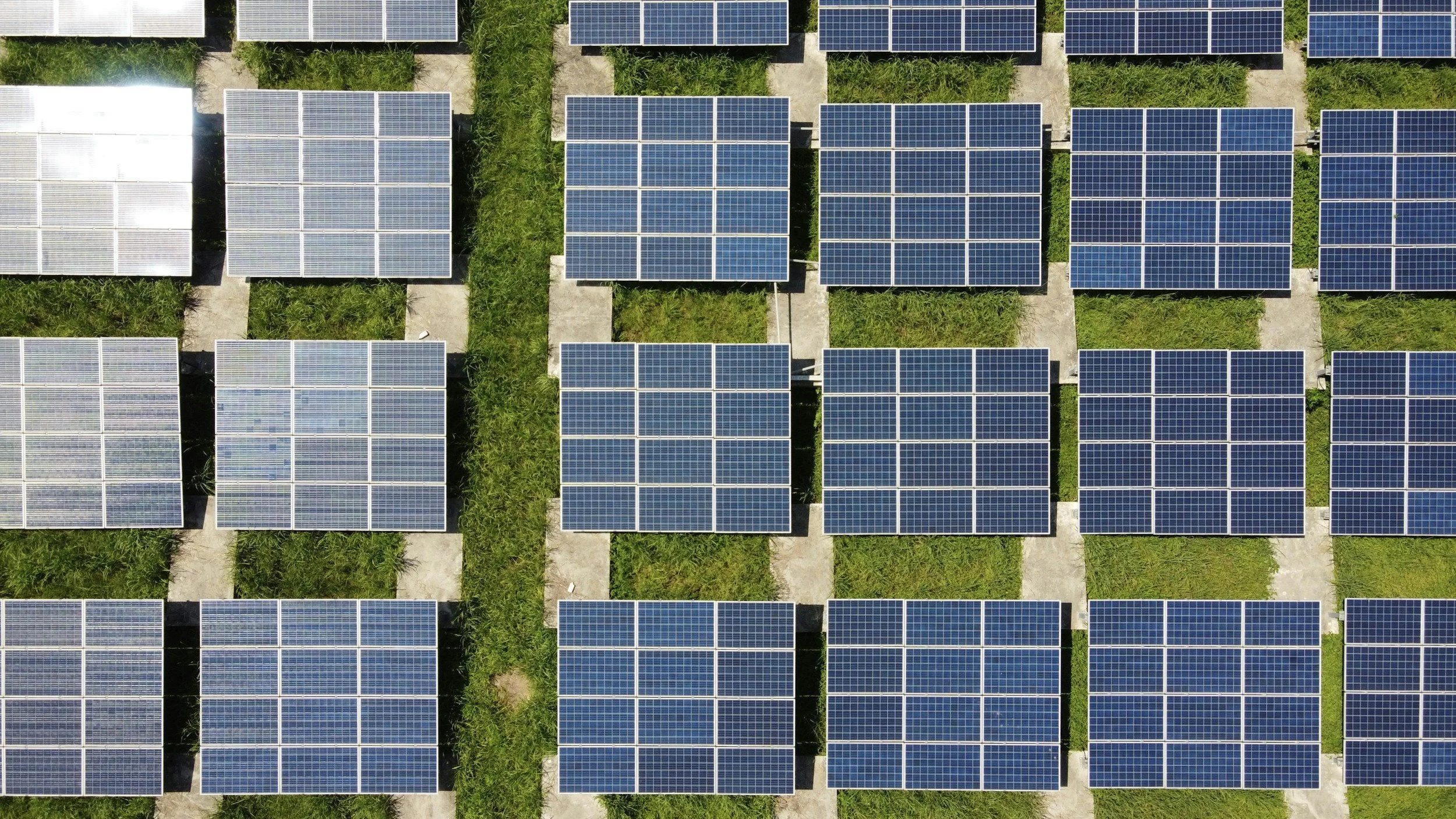
Solar panels are seen at a solar power plant | STOCK
BY KARABO MOKGONYANA
The paradox of Africa’s renewable energy transition is that while the world celebrates solar as the cheapest source of new electricity in history, millions of African households still experience it as an expensive energy investment. This contradiction has become one of the defining blind spots in global energy discourse.
Every year, respected institutions such as the International Renewable Energy Agency (IRENA), the International Energy Agency (IEA) and Ember publish increasingly optimistic findings demonstrating that renewable energy costs continue to fall. They are correct. Utility-scale renewable electricity has become remarkably cheap.
According to IRENA’s latest analysis, 91% of all newly commissioned utility-scale renewable energy projects worldwide now produce electricity at a lower cost than the cheapest new fossil fuel alternative. Utility-scale solar photovoltaic (PV) projects now generate electricity at a global weighted average cost of just USD 0.043 per kilowatt-hour, representing a 90% decline since 2010.
Yet ask a family in Johannesburg, Lagos, Accra, Nairobi or Lusaka whether renewable energy has become ‘‘cheaper’’, and many would disagree. The discrepancy is not because statistics are wrong. Rather, they are answering a fundamentally different question from what African households are asking.
When global institutions declare that solar is now the cheapest source of electricity, they are referring to the Levelised Cost of Electricity (LCOE), the cost of generating one unit of electricity from a utility-scale power plant over its lifetime. It is an internationally recognised metric for comparing power generation technologies. However, as IRENA acknowledges, LCOE measures costs only at the generation plant and excludes many of the expenses incurred beyond the power station, including transmission, distribution and other downstream costs.
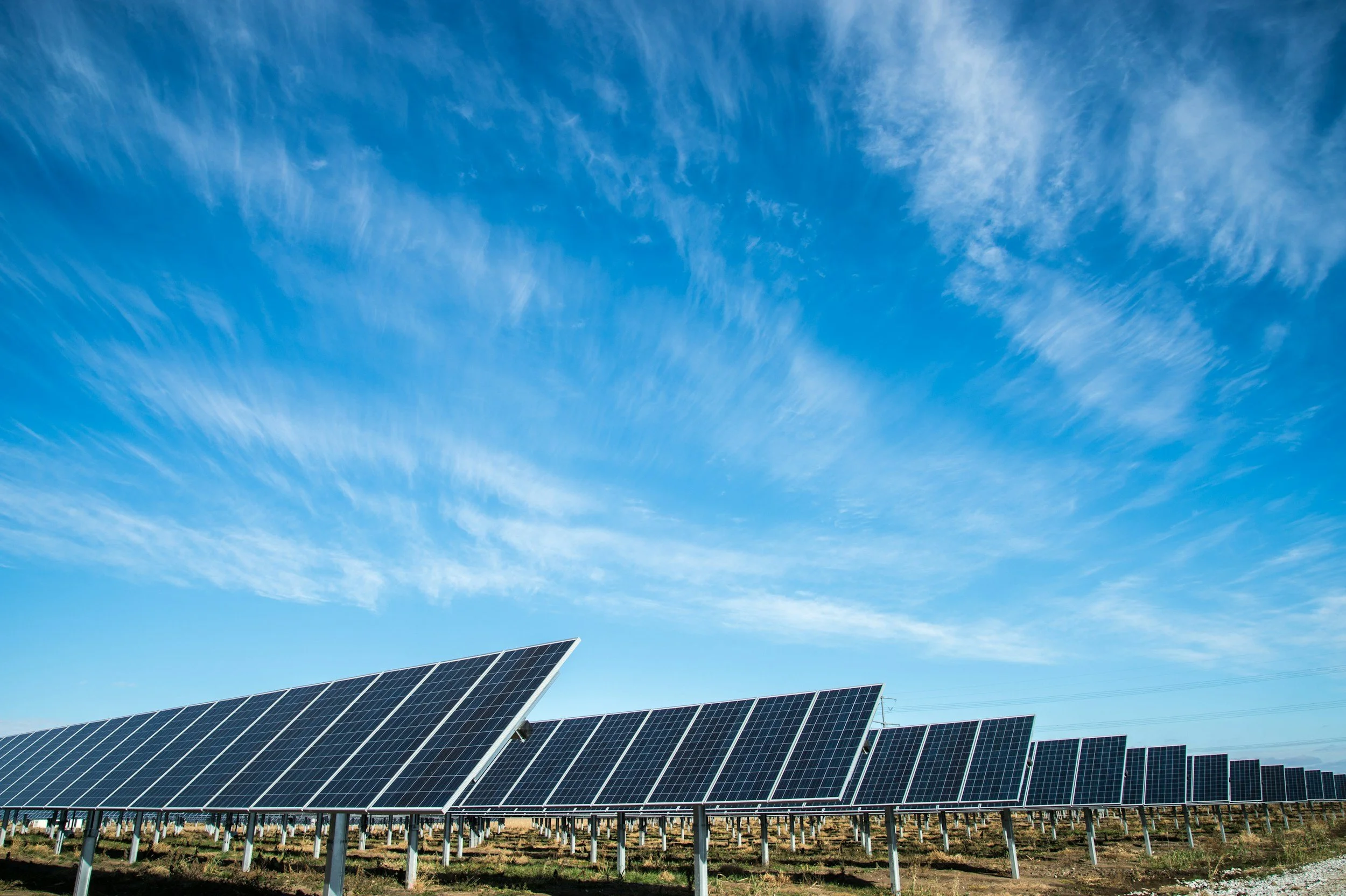
The dramatic fall in global prices for solar panels has not coincided with the fall in the cost of installation. | STOCK
African households, however, do not purchase electricity at the LCOE. They purchase solar panels. They purchase inverters. They purchase lithium-ion batteries because the grid is often unreliable. They pay installation costs, wiring costs, permitting costs where applicable, transport costs, import duties, taxes, maintenance costs and, perhaps most importantly, the cost of financing these systems.
“For many families, the largest barrier is not the lifetime cost of solar electricity, but the upfront investment required to access it.
”
This distinction matters enormously because Africa’s renewable energy challenge is no longer simply about technology costs. It is increasingly about the economics of access.
One of the biggest drivers is the cost of capital. Renewable energy technologies are capital-intensive: much of the expense is incurred upfront, while operating costs remain relatively low over their lifetime. This means financing conditions can make or break affordability.
IRENA estimates that renewable energy projects in Africa face assumed weighted average costs of capital of around 12%, compared with approximately 3.8% in Europe. The technology may be identical, but financing it is dramatically more expensive. The consequences extend well beyond utility-scale projects.
Higher borrowing costs ripple through the entire value chain. Importers pay more to finance inventories, installers face more expensive business loans, and households encounter limited access to affordable consumer credit.
“Even where rooftop solar systems become economically attractive over their lifetime, many families cannot absorb the upfront expenditure or secure affordable financing.
”
Currency volatility compounds these challenges.
Solar panels are traded in global markets, typically priced in United States dollars (USD). A decline in panel prices internationally does not necessarily translate into lower prices for African consumers if local currencies weaken against the dollar. In many African economies, depreciation can erase much of the benefit created by falling global manufacturing costs. A household may discover that solar modules are cheaper than ever even though the final invoice in local currency remains unchanged – or even increases.
Heavy dependence on imported energy technologies by the continent further reinforces this dynamic. Although Africa possesses some of the world’s richest solar resources, much of the equipment required for residential systems, including PV modules, inverters, batteries and advanced electrical components, is still imported.
Shipping costs, insurance, customs procedures, import duties, VAT, distributor margins and installer costs accumulate before the technology reaches the consumer.
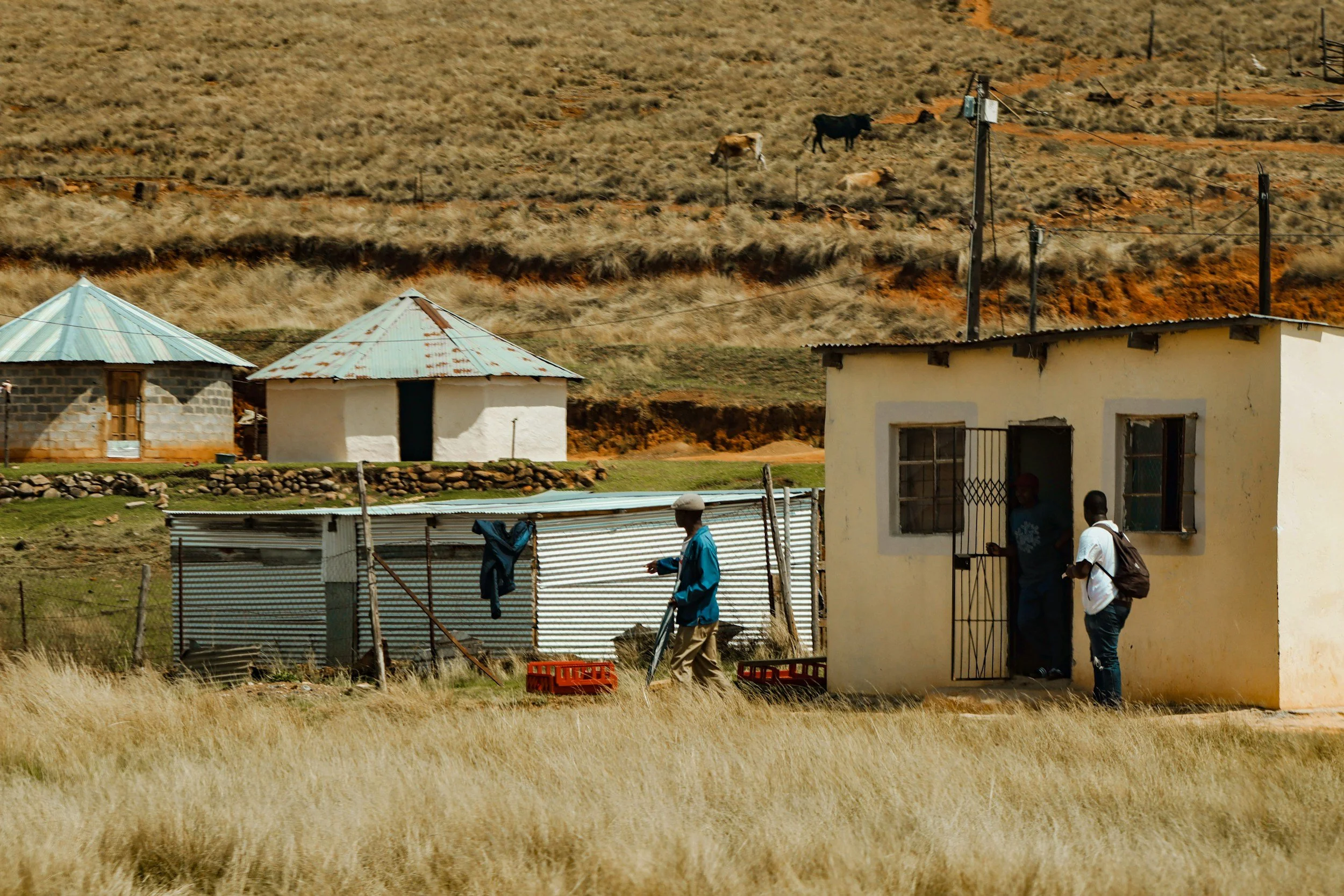
Many African households cannot afford the cost of installing solar power. | STOCK
“A dramatic reduction in factory-gate prices does not automatically produce equally dramatic reductions in household installation costs.”
Storage presents another overlooked reality.
Discussions about the falling cost of solar often focus on panels alone. For many African households, however, panels are only part of the system. In countries experiencing unreliable electricity supply or frequent power outages, batteries are no longer optional; they are essential. Storage significantly increases the total investment required to achieve reliable household electricity. Global statistics celebrating cheaper solar generation rarely capture this lived reality.
South Africa offers a useful illustration. Following years of load shedding, rooftop solar adoption accelerated rapidly among households and businesses seeking energy security. Yet the households most able to make the transition have generally been those with sufficient savings or access to finance, namely middle and upper classes. Lower-income households, despite facing the same electricity insecurity, often remain excluded because the upfront costs are prohibitive.
Similar affordability constraints emerge across other African markets, even where innovative business models such as pay-as-you-go solar have expanded access.
‘‘Financing for renewables has improved accessibility, but affordability challenges persist for millions of African consumers.’’
There is another misconception worth challenging.
Africa’s renewable energy affordability problem is often portrayed as a technology problem. Increasingly, it is an ecosystem problem. The continent has some of the world’s highest solar irradiation levels, abundant wind resources and rapidly declining global equipment costs. What remains expensive are the surrounding conditions: financing, logistics, infrastructure, exchange-rate risk, taxation, weak domestic manufacturing, fragmented supply chains and constrained purchasing power.
Addressing these structural barriers could do more to reduce the cost of renewable energy for African households than waiting for another incremental improvement in solar panel efficiency.
This distinction should reshape how success is measured.
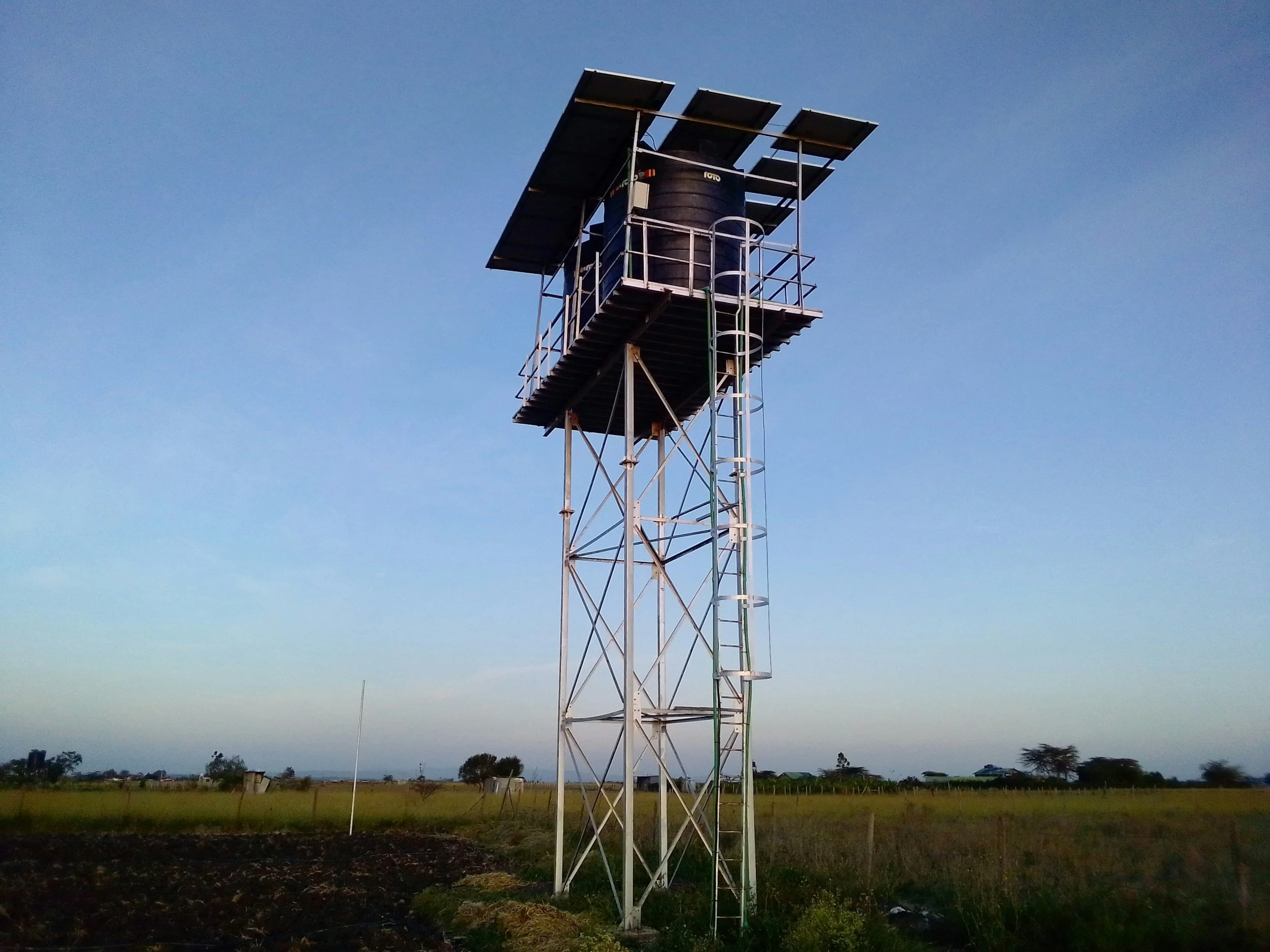
Pumping water from boreholes is one of the most common uses of solar power in many African neighbourhoods. | STOCK
It is encouraging that renewable electricity generation has become dramatically cheaper worldwide. It is equally important to ask whether those savings are reaching the people who need them most.
“A family deciding whether to install rooftop solar does not compare LCOE graphs; they compare monthly income against the cost of a complete energy system.
”
Until those systems become genuinely affordable, declarations that ‘‘renewables are now the cheapest form of energy’’ will continue to ring hollow for millions of Africans.
Africa does not have a renewable energy resource problem. It does not have a technology problem. It has an affordability problem rooted in finance, market structure and unequal global investment conditions.
The next chapter of the energy transition should therefore move beyond celebrating falling global generation costs towards addressing the structural barriers that prevent African households from benefiting from them.
Only then will the global success story of cheaper renewable energy become an African success story too.
Karabo Mokgonyana is the Energy-Co Lead at Power Shift Africa