
WOMEN AND LAND RIGHTS: TAKEAWAYS FROM NAIROBI WORKSHOP
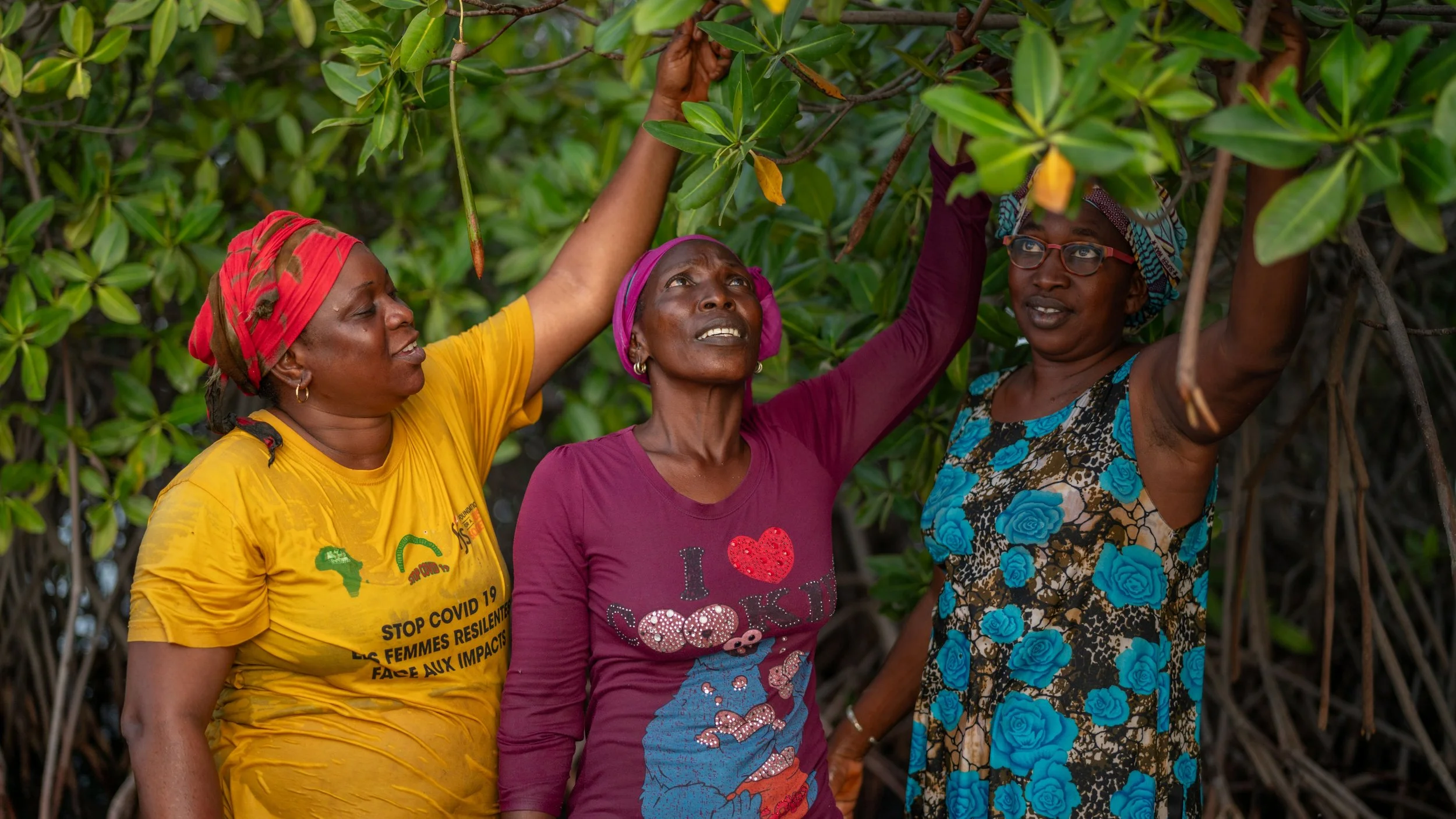
Granting land rights to women is the first step to empowering them. | PSA Media
BY MARY KYANYI
Across centuries, African women have been on the frontline of environmental stewardship. Through agriculture, they have led efforts to conserve biodiversity and combat food insecurity and dersertification.
Today, African women account for more than 70 percent of labour in agriculture and food production. Yet when it comes to women owning land, society draws the line. Women own less than 10 percent of the land.
For generations, discriminatory customary norms, unequal inheritance laws, and systemic marginalisation have kept women from accessing, controlling, and securing land, relegating them to poverty, food insecurity, and exposure to climate shocks.
For Africa to achieve adaptation and food security, granting women land rights is a minimum requirement.
Empowering women through land rights was the subject of deliberations at the Women's Land Rights Initiative (WLRI) global workshop held in Nairobi, Kenya, two weeks ago.
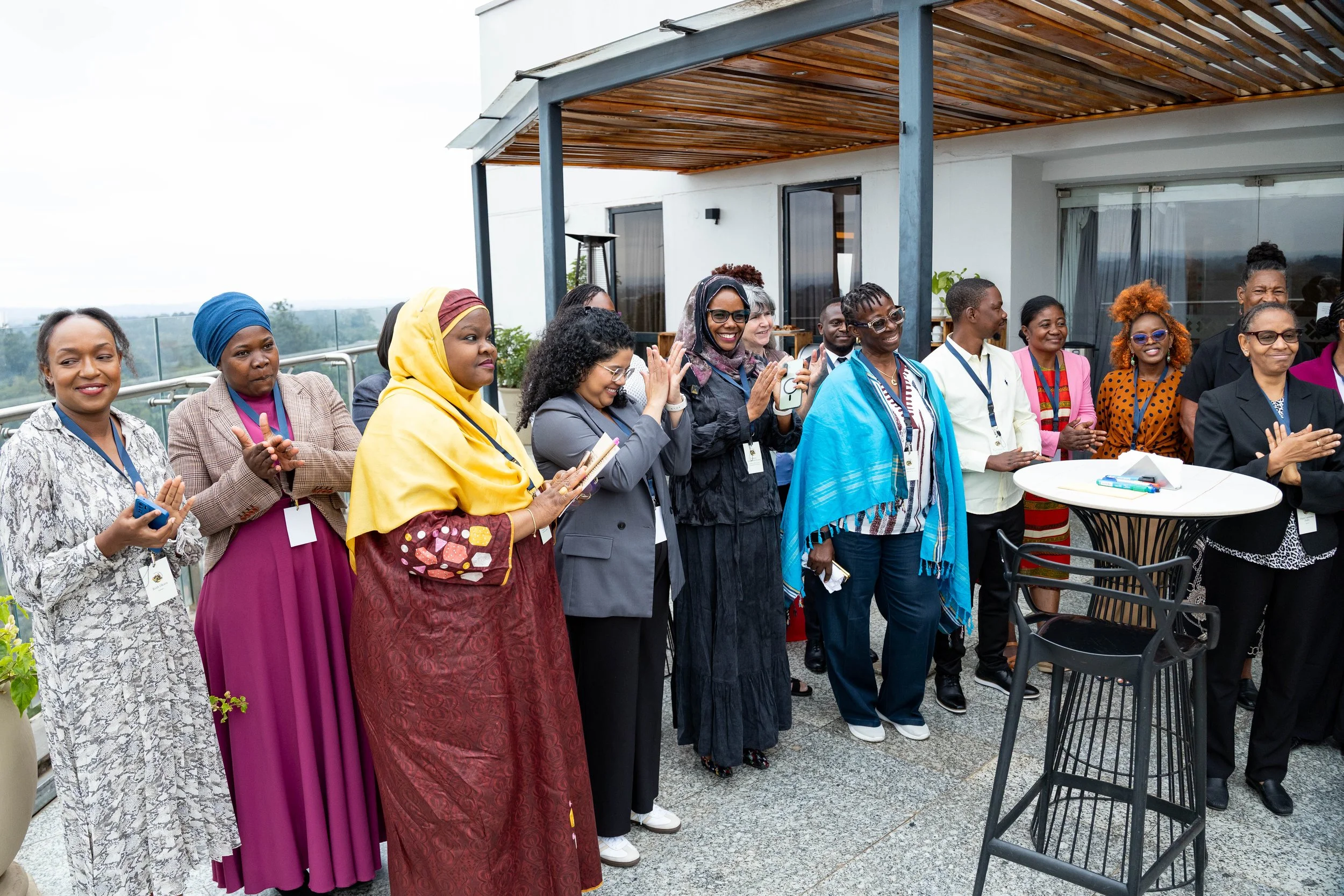
Participants at the Women's Land Rights Initiative (WLRI) global workshop in Nairobi in July 2026. | TMG
Co-hosted by Robert Bosch Stiftung, TMG Think Tank for Sustainability, and Huairou Commission, the convening brought together community leaders, grassroots organisations, international think tanks, and global policymakers to discuss ways to integrate women’s land rights into global climate, biodiversity, and desertification policies.
Integrating women’s land rights across Rio Conventions
Discussions centred on the need to recognise women’s efforts in climate change by integrating their land rights across the Rio Conventions (UNCBD, UNCCD and UNFCCC).
This integration is a great stepping stone towards enhancing agricultural productivity, food security, water security, and resilience for communities.
Land for Adaptive Capacity
Securing land tenure lends communities an opportunity to manage and access resources. It also promotes their ability to fight climate shocks and reduce environmental risks. By integrating women's land rights across the Rio Conventions, the world would protect and manage land better. These rights would enhance the adaptive capacity of African women and strengthen their role in developing and implementing land-based environmental action.

For Africa to achieve adaptation and food security, granting women land rights is a minimum requirement. | TMG
Need to close ranks
Civil spaces have been shrinking globally in recent years. The Nairobi convening was, therefore, an important platform for grassroot communities to engage with focal points from the Rio Conventions and a reminder of their critical role influencing governance structures.
The overriding call to action throughout the workshop was that grassroots communities must work closely with the national government to rebuild public trust that brings local people and marginalised groups to the decision-making table. Ultimately, this will help accelerate the implementation of action plans.
The convening helps build momentum for more deliberations at the local, national, and global levels going forward.
Sharing knowledge that empowers women
Sharing knowledge and best practices is an important pillar of climate action. By providing channels for the integration of women land rights in the 3 Rio conventions, knowledge gaps on land would be addressed better. This will elevate women's understanding of land governance, safeguard their land rights and those of Indigenous Peoples and local communities.
Additionally, this convening was an avenue for grassroot communities to interact with donor representatives and finance experts. Out of these interactions emerged the possibility of future training workshops to enhance technical and finance knowledge for managing and preserving land and indigenous resources among local communities.
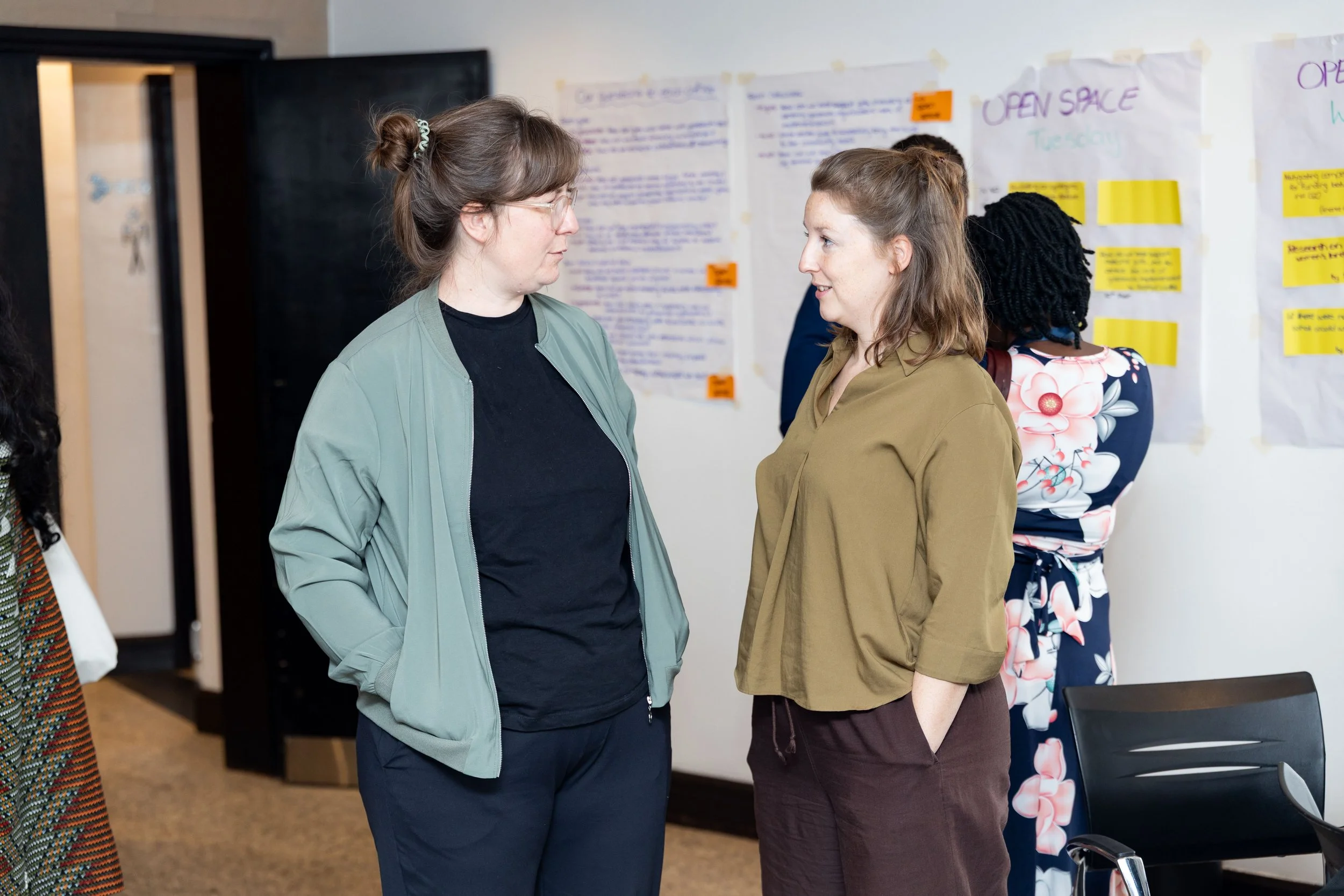
Women-focused interventions deliver benefits across multiple dimensions in society. | TMG
Building Women's capacity for better societies
In negotiations, women caucuses play a crucial role of fighting for women land rights. Providing the spaces for women to work with policy makers to develop gender-sensitive and transformative frameworks, therefore, builds their capacity.
Giving women access to land not only builds their resilience but also their capacity to increase agricultural and land productivity. This productivity enhances their economic, social, and decision-making power, thus contributing to efforts towards gender equality.
Direct funding for direct impact
Despite the significant role women and grassroots communities play in managing land, little direct support gets to them. To be truly transformative, all forms of finance must recognise women as the primary stewards of land resources. Enhancing their access to direct funding is to account for the work they do in communities.
At the Nairobi workshop, participants brainstormed ways to democratise this access by demonstrating how women-focused interventions deliver benefits across multiple dimensions in society.
Enhancing the resilience of women is the first step to building the resilience of communities. When women are resilient, societies become more resilient. In Africa, that journey begins with land rights for women.
Mary Kyanyi is an Adaptation and Resilience Fellow at Power Shift Africa