LOSS AND DAMAGE FUND: A TRICKLE TO FILL UP A POND
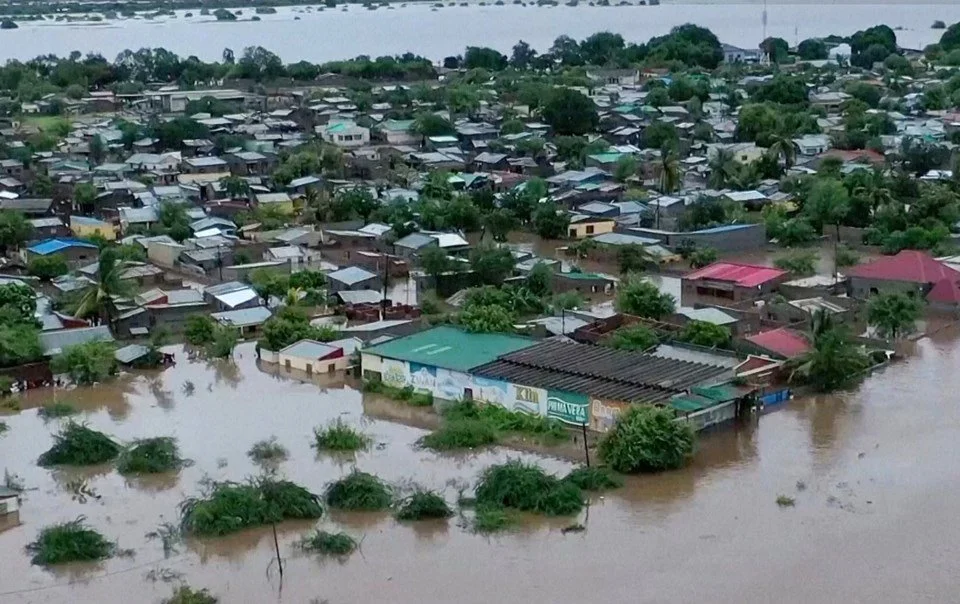
Submerged homes in Northern Mozambique during the January 2026 floods. | STOCK
BY MERCY JOHN AND SAADA MOHAMED
The Board for the Fund for Responding to Loss and Damage finds itself in an acutely difficult place. When it met last week in Manila, Philippines, the main agenda items on the table were to review and approve funding requests submitted by vulnerable countries and develop a strategy to mobilise more resources to meet growing demand.
When it welcomed submissions for the first phase of financing, the Board may not have predicted the sheer scale of requests that would follow. But with the threat of climate risks now higher than ever, it was only a matter of time.
As of June 2026, the Fund had received 198 requests totaling $2.8 billion, 176 of which meet the threshold for funding. Each proposal seeks an average of $15.9 million with an implementation plan spanning about four years.
Therein lies the first hurdle for the Board.
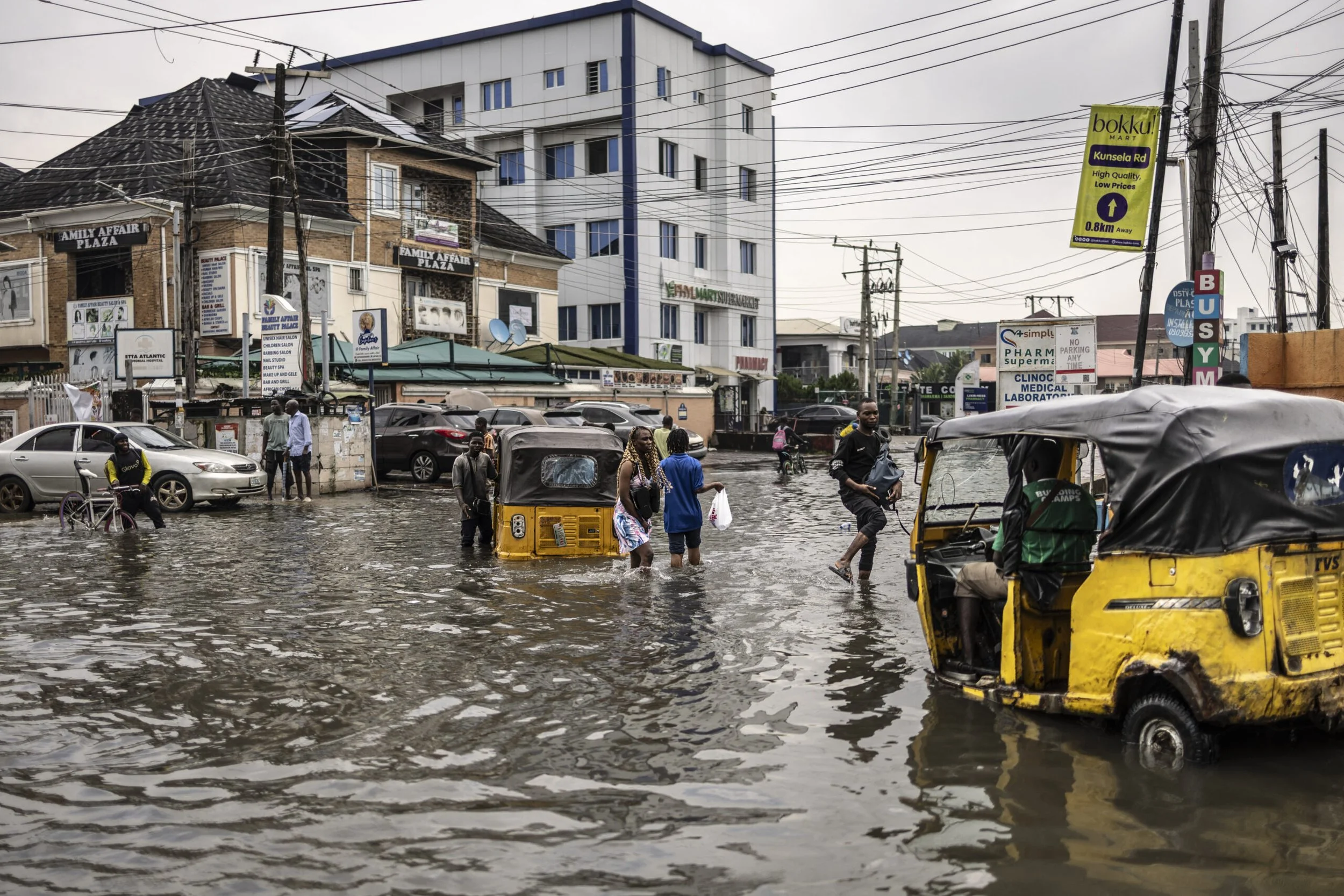
People wade through a flooded street in Nigeria during the June 2026 flash floods. | STOCK
What countries are asking for represents 11 times what is available for the initial phase of financing – $250 million. Moreover, the proposals are six times larger than the $456 million in its trust fund.
Peanuts: Who gets what?
Africa, the most climate-battered continent, accounts for the largest share of requests at $1.4 billion. Asia-Pacific and Latin American countries asked for $751.1 million and $611.6 million respectively.
A $2 billion deficit even before the Fund has disbursed a coin to frontline countries is an indicator of the vulnerability and need in the world as climate impacts soar. It also does raise an important question: who gets what?
At the current deficit, the Fund is like a feeble trickle that’s expected to fill up a dam.
Since its establishment, the Fund has achieved multiple notable milestones. Three years since its operationalisation, the FRLD is now delivering the complex task of financing vulnerable countries. Already, the Fund has developed systems for direct access by countries and set up an independent secretariat for its operations, making it a fully functional pillar in the international finance architecture.
But mobilise more resources the Board must. There is no exit ramp.
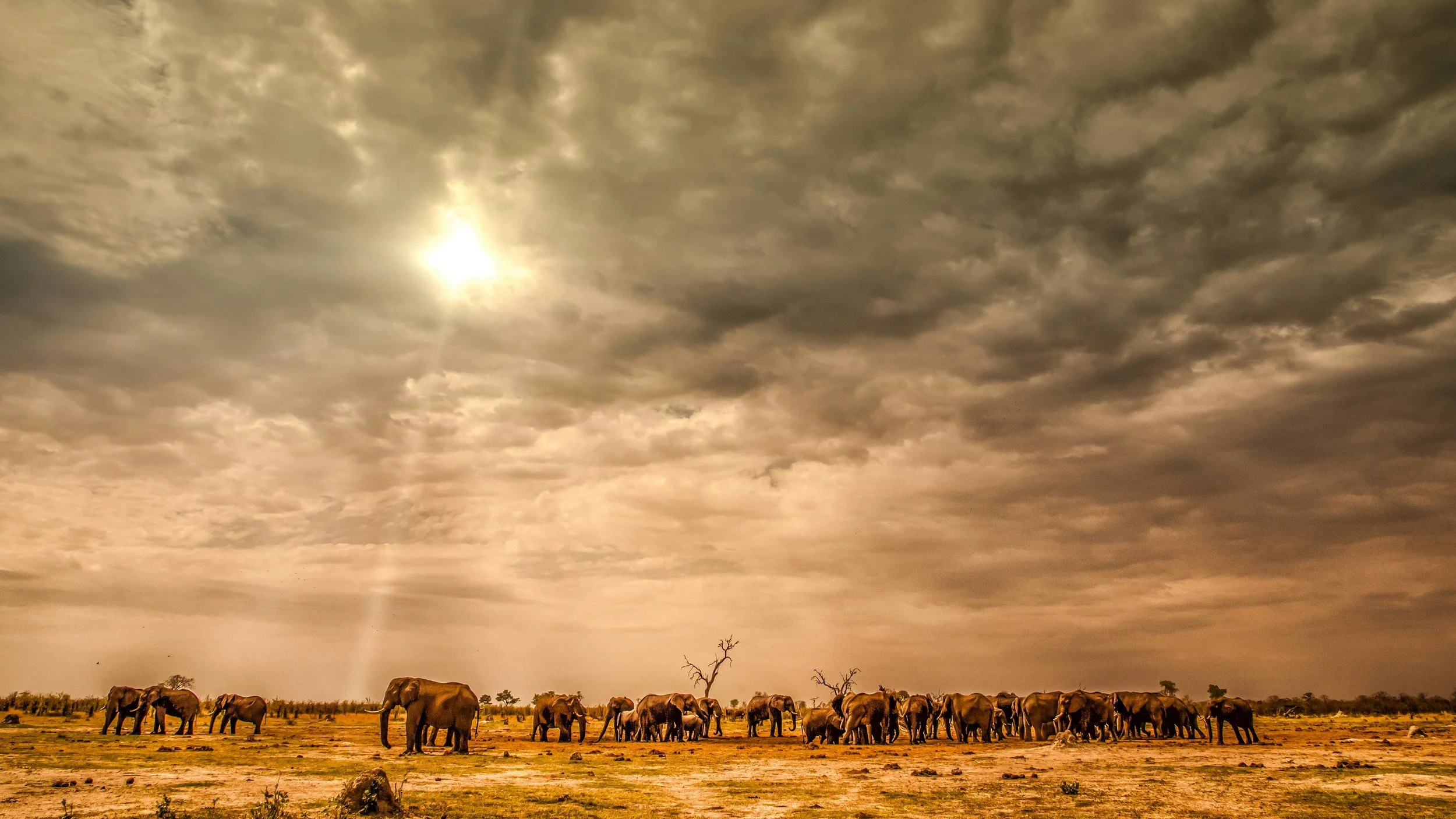
Climate change-induced droughts threaten the food security of both humans and wildlife. | STOCK
That makes the first replenishment process in 2027 a high-stake survival plan. It’s this process that will set the Fund on a path to address the gap between the current modest provisions and what’s needed to respond to climate losses and damages.
During its 9th meeting in Manila, the Board recognised that fact; a long-term fundraising strategy is inevitable.
Low finding amid rising climate impacts
The climate crisis is escalating. Vulnerabilities are worsening. In developing countries globally, losses and damages are growing. In 2024, Storm Daniel killed thousands of people, displaced about 44,000 others in Libya. Cumulatively, the country suffered an estimated USD1.65 billion in economic losses and damages.
Down in Mozambique, the 2024 cyclone season left 313 dead, nearly 2 million others devastated, as homes, health facilities, schools, farmlands, and infrastructure were damaged or destroyed.
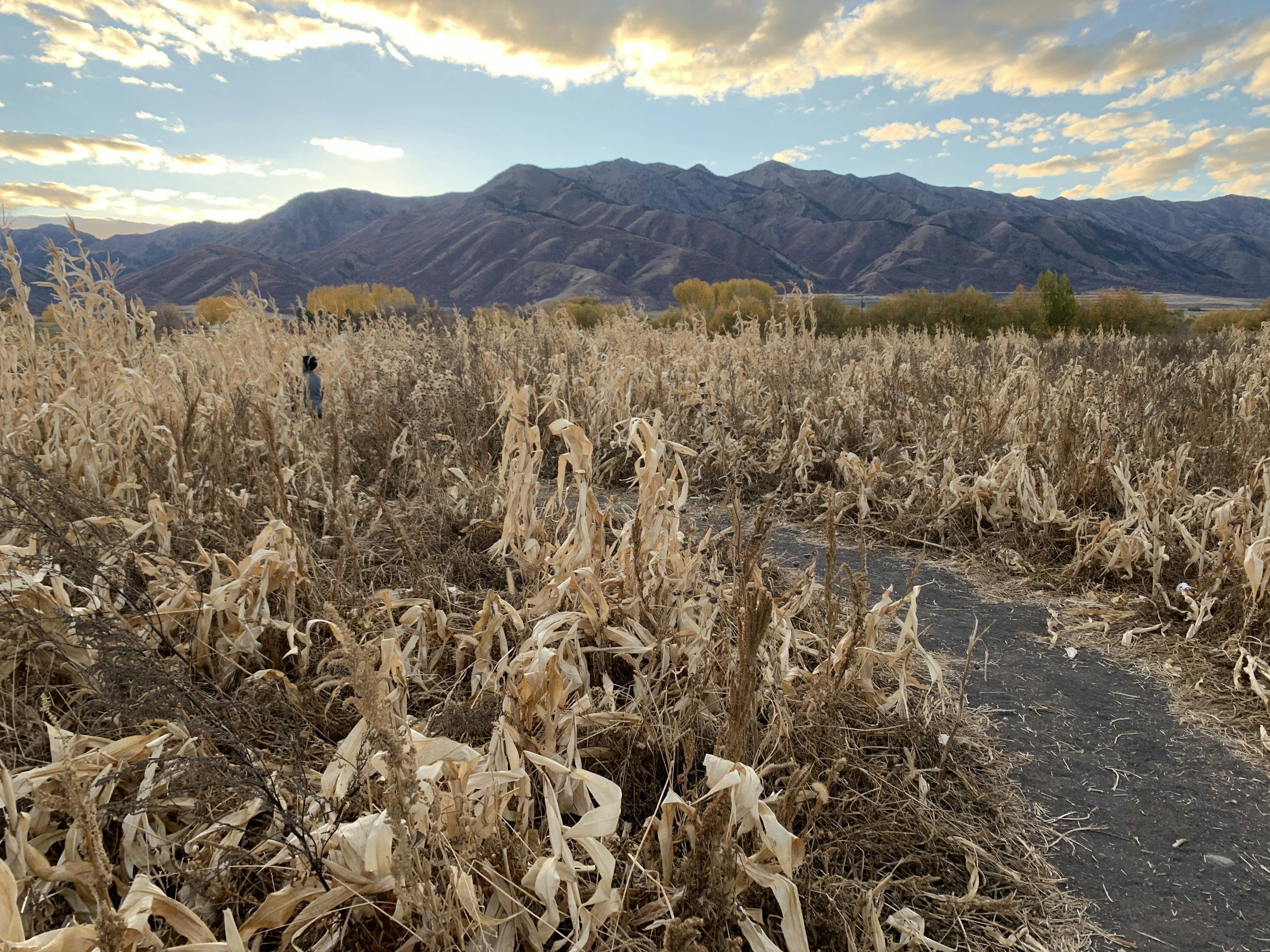
Unpredictable weather affects harvests putting millions in Africa at risk of food insecurity. | STOCK
In West Africa, the 2025 floods in Nigeria affected 290,000 people with 7,100 of them displaced after their homes and farmlands were destroyed. The country suffered extensive economic and human costs.
The list of climate-driven impacts on the continent is inexhaustible. But all prove one fact: vulnerable countries are buckling under the weight of climate-induced losses.
The future looks even bleaker.
By 2050, developing countries could hemorrhage up to $34 trillion in losses and damages annually.
Consequently, the FRLD cannot continue to depend on unpredictable, voluntary pledges if it is to adequately respond to trillions of dollars in climate-related losses. As such, the Fund must evolve from a symbolic entity into a permanent pillar of the global climate finance architecture.
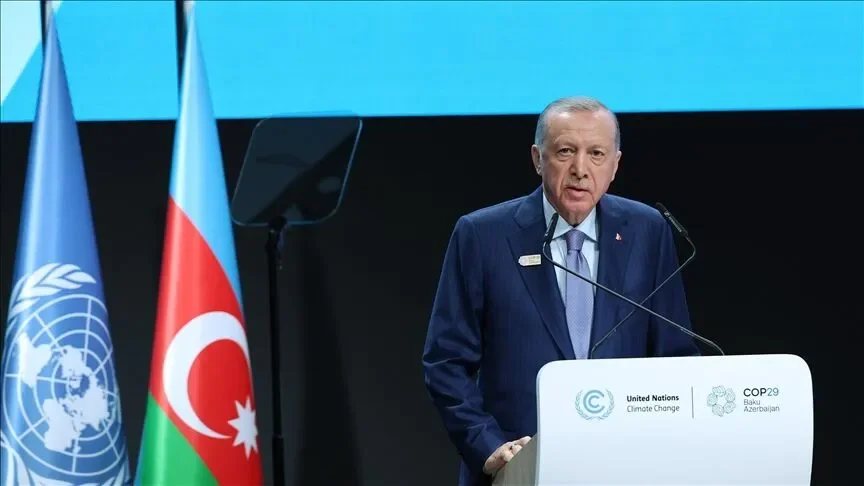
COP31 in Turkey will be an opportunity for world nations to demonstrate cooperation in responding to climate losses and damages. | STOCK
COP31: A critical turning point for the Fund
For this to happen, regular replenishment cycles, broader and more ambitious contributor commitments, and innovative financing sources are necessary to ensure predictable revenue beyond voluntary government pledges. Equally important, institutions such as the World Bank that currently hosts the Fund must be strengthened, and even reformed, to facilitate access.
This makes the road to COP31, where the Board will submit its third report, an important one for the future of the Fund. In Turkey, countries must demonstrate that international cooperation is the best bet to respond effectively to the realities of climate-induced loss and damage.
There’s no more decisive manner to demonstrate that cooperation than by resourcing the fund.
Mercy John is a Climate Finance Fellow at Power Shift Africa
Saada Mohamed is a Climate Finance Advisor at Power Shift Africa