
EXPOSED: How the US Hijacked a UN Climate Report
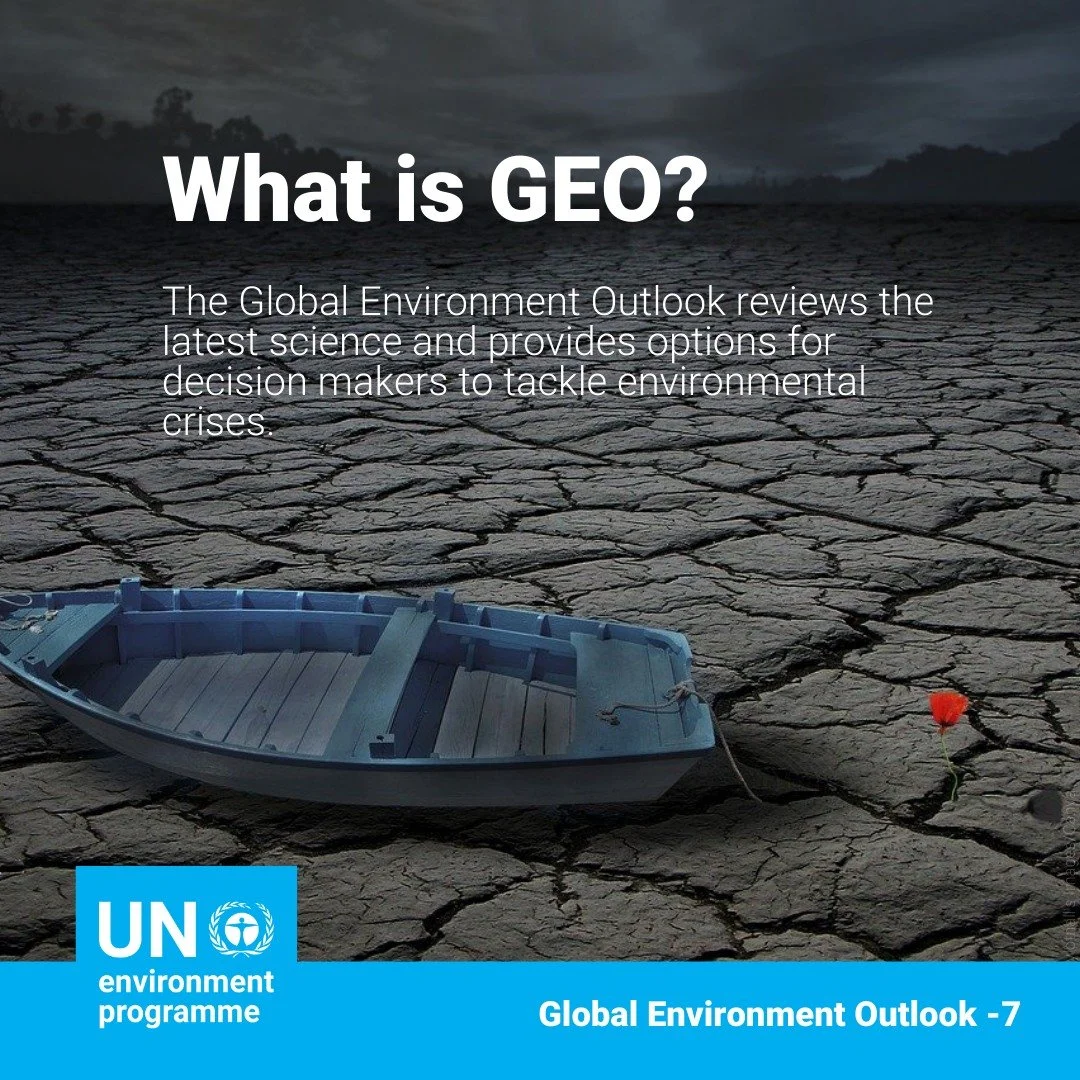
Shocking details have emerged on how the US and allies deliberately scuttled plans to adopt a key UN report on the state of the global environment, citing its ‘‘uncomfortable’’ scientific findings.
The report, titled ‘‘A Future we Choose’’, warns that following current fossil fuel-powered development pathways will bring ‘‘catastrophic climate change’’, devastate nature and biodiversity and ‘‘debilitating land degradation and desertification.’’
The Global Environment Outlook 7 report is a product of six years of work by scientists that connects climate change, nature loss, and pollution to unsustainable consumption by people living in wealthy nations.
Sir Robert Watson, who co-chaired the development of the report, said the US skipped a meeting in Nairobi in October attended by scientists and political representatives for its adoption.
‘‘At the very end, they joined by teleconference and basically made a statement that they could not agree with most of the report,’’ Sir Watson told the BBC, adding, ‘‘This means they didn’t agree with anything we said on climate change, biodiversity, fossil fuels, plastics, and subsidies.’’
But even as the US and allies rejected a summary of its conclusions, scientists stuck to their guns, refusing to ‘‘water down or change their findings’’ in the report the UN has described as the ‘‘most comprehensive assessment of the global environment ever undertaken.’’
It has now been published with neither a summary nor the support of world governments, a departure from practice for such important studies. Analysts are now warning that this move could weaken the report’s impact, particularly coming at a time when scrutiny on climate multilateralism and its ability to mobilise and deliver global action is intensifying.
Familiar American Mischief
Another lead author of the report, Dr David Broadstock, concurs on the US’s mischief. ‘‘We’re still seeing parties wanting to pursue the increasing scale of production of [oil],’’ he says.
Continued extraction and consumption of fossil fuels would also trigger ‘‘lingering deadly pollution’’ with horrendous costs to people, planet, and economies.
Since his return to the White House earlier this year, US President Donald Trump has been categorical about his administration’s intentions to ramp up the production of oil, going against climate science.
“The carbon footprint is a hoax made up by people with evil intentions, and they’re heading down a path of total destruction,” President Trump said during the UN General Assembly in New York in September, dismissing global warming as a con job.
‘‘If you don't get away from the green energy scam, your country is going to fail,’’ Trump said, adding to his abrasive inauguration remarks in January that the US would continue to drill oil.
‘‘We have something that no other manufacturing nation will ever have — the largest amount of oil and gas of any country on earth — and we are going to use it. We’ll use it,’’ said Trump.
The US skipped COP30 climate talks in Belém, Brazil, in November and has begun the process to formally exit the Paris Agreement.
What the Report Recommends
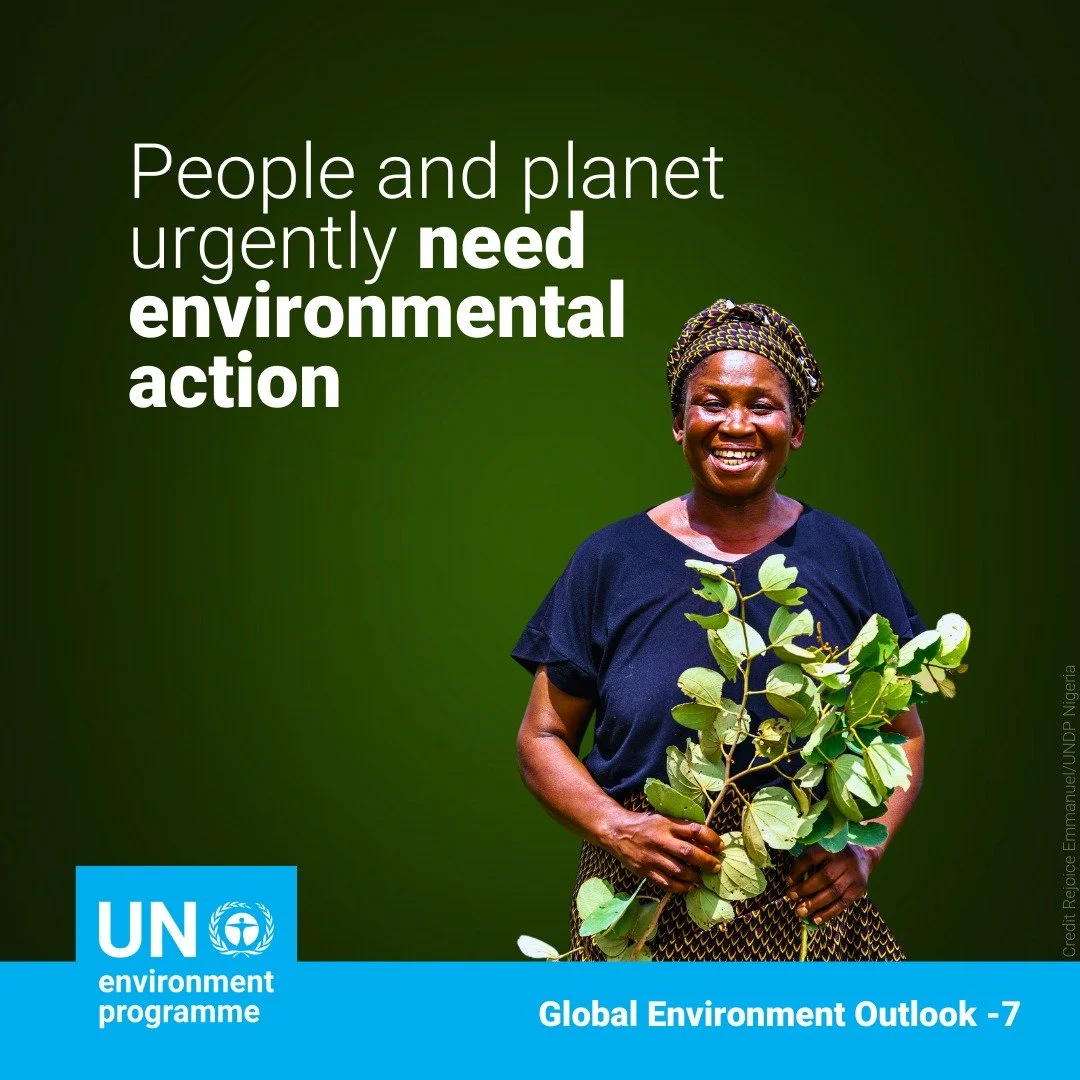
Authored by 300 scientists from around the world, the report finds that ‘‘investing in a stable climate, healthy nature and land, and a pollution-free planet’’ can deliver trillions of dollars each year in additional global GDP. It further says climate-compatible development would help to ‘‘avoid millions of deaths’’ while lifting ‘‘hundreds of millions of people out of hunger and poverty’’ in the future.
It lays out ‘‘another better path’’ of development that involves ‘‘whole-of-society and whole-of-government approaches’’ to transform the systems of economy and finance, materials and waste, energy, food, and the environment.
These approaches, the report says, are backed by behavioural and sociocultural shifts, including respect for Indigenous Knowledge and Local Knowledge. While acknowledging the up-front costs, the report warns that the ‘‘economic cost of inaction is much higher’’ and that the long-term return on investing in transformation is clear.
By 2050, ‘‘the global macroeconomic benefits will start to appear’’ with the world economy growing by US$20 trillion per year in the next 45 years.
To deliver a better future for humanity, the planet, and all life forms, the report calls on world leaders and policymakers to ‘‘acknowledge the urgency of the global environmental crises’’ by accelerating actions and the momentum built in recent years.
Executive director of UNEP Inger Andersen acknowledges that change, especially on the scale required to save the planet, is always difficult. ‘‘But change we must. There are two futures ahead of humanity. Let us choose the right one.’’