
Five Climate Wins That Actually Mattered in 2025
For years, climate politics has been defined by promises that rarely became a reality. In 2025, this began to change.
This was a year when outcomes mattered more than optics. Courts, summits and data points distinguished 2025 as the year when climate action started to take shape. Notably, a landmark legal opinion on climate culpability delivered by the International Court of Justice (ICJ) in July put governments on notice that climate inaction now carries real legal consequences.
Africa showed up and showed out in Addis Ababa for the Africa Climate Summit (ACS2), asserting its leadership on climate. Renewables also quietly overtook coal in popularity, investments, and consumption on the global stage.
Overall, the story of 2025 was not one of perfection but of progress.
In this piece, we highlight some of the most significant wins secured by the climate movement in 2025. These are hard-fought gains that made climate action harder to ignore.
1. Belém Action Mechanism (BAM)
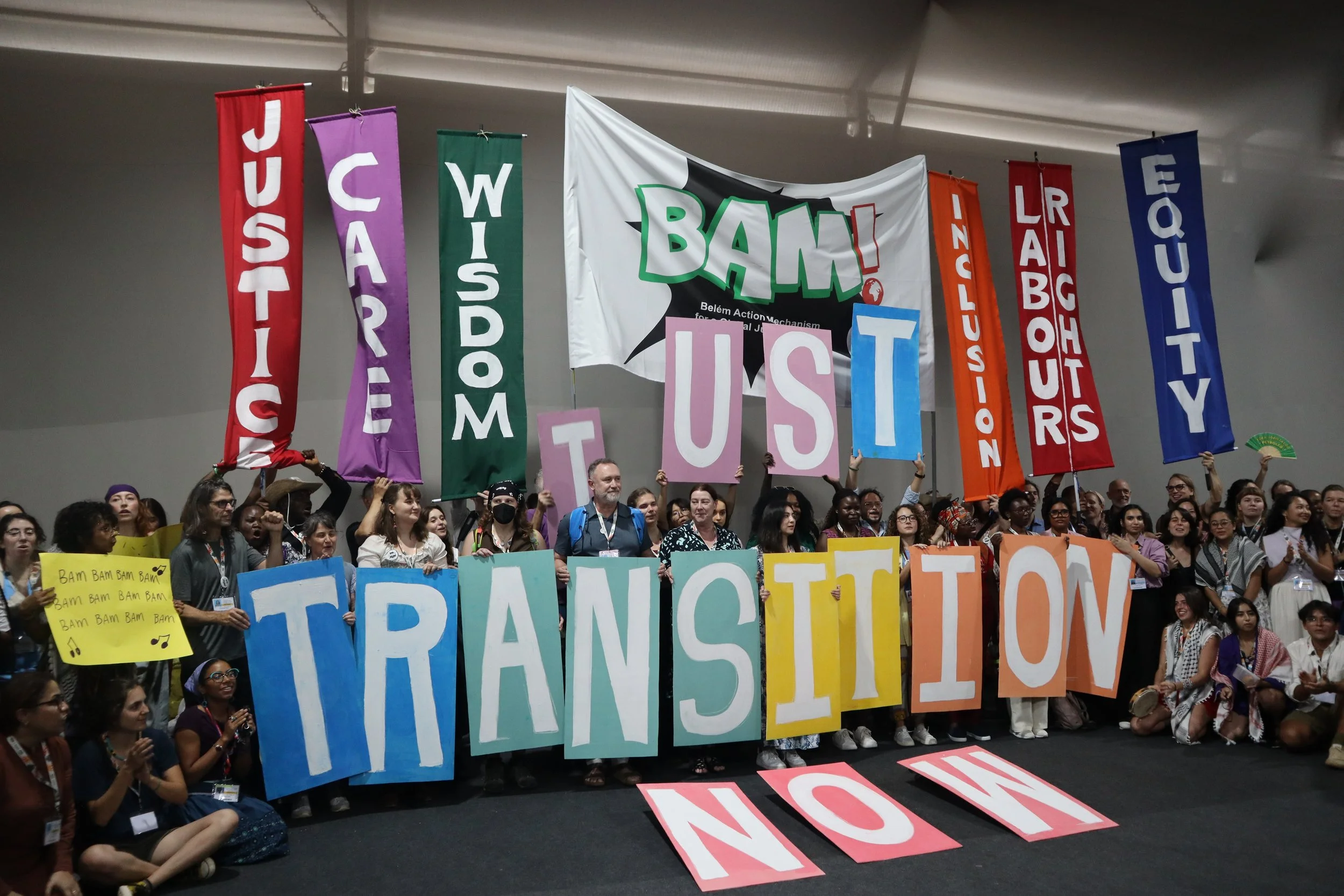
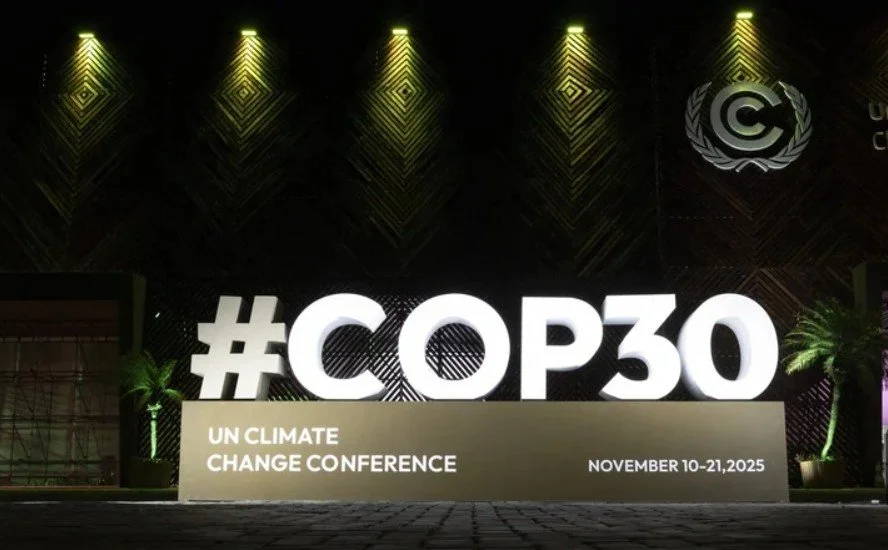
At COP30 in Belém, Brazil, negotiators delivered what many consider the summit’s most successful outcome. The agreement to create a global just transition mechanism under the United Arab Emirates Just Transition Work Programme (JTWP). Also known as the Belém Action Mechanism (BAM), this new framework is intended to strengthen international cooperation around just transition efforts, from technical assistance and capacity-building to practical knowledge-sharing. The mechanism is expected to be operational by COP31 in 2026.
Read how the historic deal was made
The win followed months of a coordinated campaign from civil society groups calling for a formal mechanism that could bring unity to a fragmented just transition landscape. Their push focused on the need for a space that helps countries identify available financial, technical and institutional support, while also enabling lessons from the ground to be shared across regions.
What sets BAM apart from earlier climate outcomes is its clear political framing. The COP decision places inclusion and human rights at its core, recognising that a just transition cannot be limited to workers alone. It affirms the importance of meaningful participation and acknowledges the rights and realities of Indigenous Peoples, local communities, migrants, internally displaced people, people of African descent, women, children and youth, older persons, and people with disabilities.
Still, the hard part lies ahead.
That is turning the BAM from a negotiated text into a functioning mechanism. This comes at a moment when resources are shrinking across the global climate finance architecture more broadly.
2. International Court of Justice (ICJ) Ruling
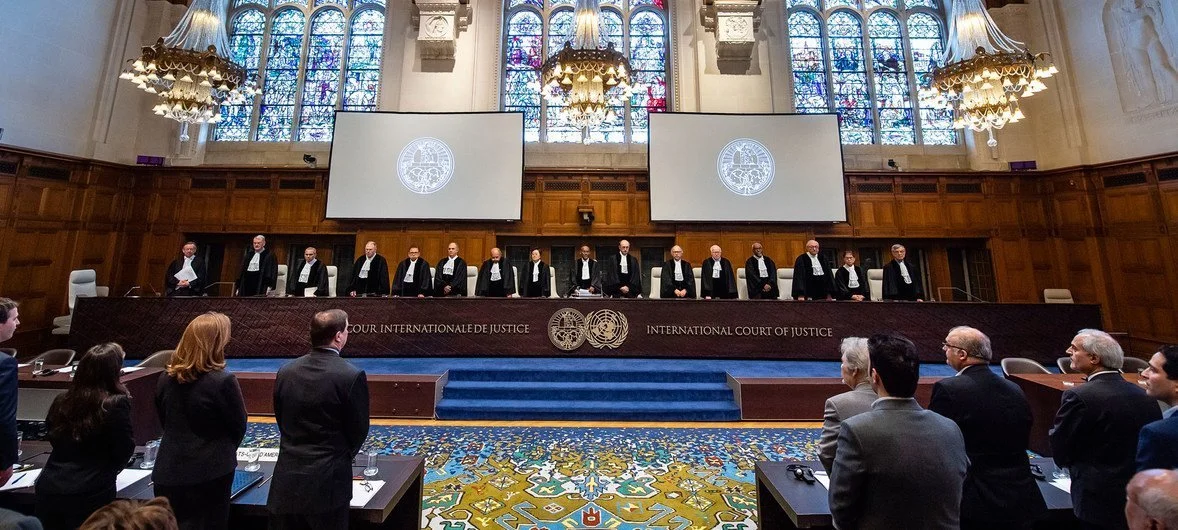
On July 23 this year, the International Court of Justice (ICJ) issued a historic advisory opinion on states’ legal obligations to address climate change, making it one of the most consequential climate rulings to date. The court said that countries already operating within a framework of international law can be held accountable for climate harm, and failure to act carries legal consequences.
The case was triggered by a group of students from the Pacific and was championed by the government of Vanuatu. More than 100 countries globally would support the case by providing inputs to strengthen the arguments in court.
In their ruling, 15 judges of the court said that countries must ‘‘act’’ to prevent ‘‘foreseeable climate harm’’ or face international legal responsibility. While not binding, the opinion carries considerable legal weight and political legitimacy and opened the door for accountability for affected countries.
The advisory further reaffirmed that climate harm can now be scientifically attributed, and any nation has a legal interest to comply.
3. Second Africa Climate Summit (ACS2)
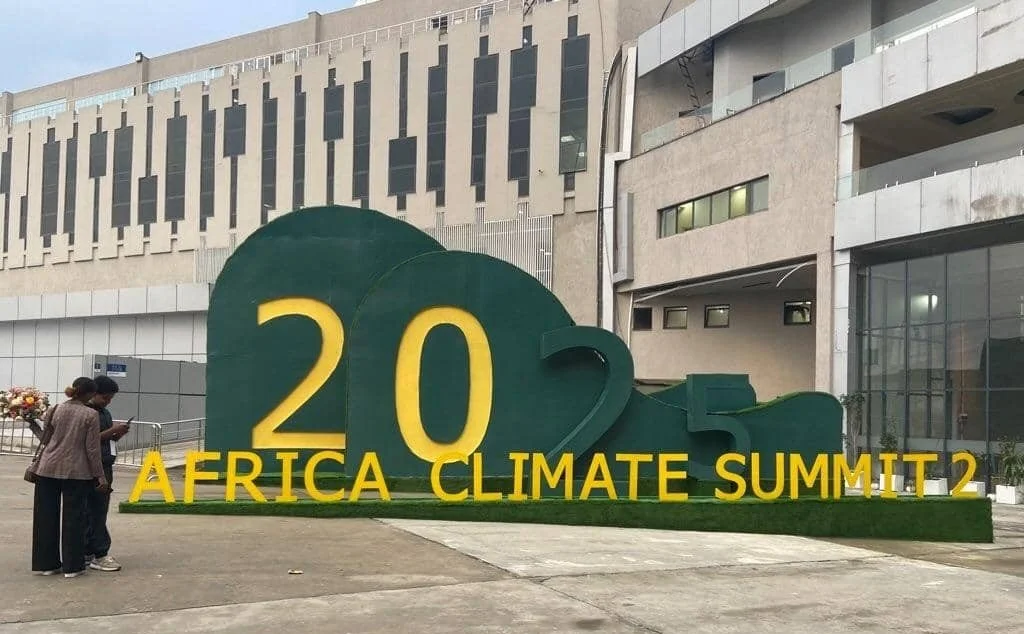
The Second Africa Climate Summit (ACS2) in Addis Ababa was a big success for the African people and for climate diplomacy. The summit reaffirmed that Africa is a powerhouse for climate solutions. Outcomes, such as the Addis Ababa Declaration, the pledge of $50 billion per year through the African Climate Facility, and the Africa Green Industrialisation Initiative (AGII), backed by pledges of up to $100 billion by African financial institutions, showed that the continent is ready to put its money where its mouth is.
Collectively, the outcomes underlined Africa’s intent to secure climate finance, achieve universal energy access and adaptation interventions while strongly pushing for reform of the global financial systems to unlock investment and build a green, stable and sustainable economy.
Mohamed Adow, the Executive Director of Power Shift Africa, summed this African moment up well, stating,
“This summit is a turning point. Africa is claiming its rightful space in the global climate dialogue, not as a continent waiting for solutions, but as one offering them. From green industrialisation to renewable energy and climate resilience, Africa has demonstrated that its future will not be written by others, but will be written on Africa’s terms, with African priorities at the centre.’’
The summit’s successes would see Ethiopia backed by other African nations to host COP32 in 2027. This influential role will allow Ethiopia to shape the agenda and outcomes of the highly anticipated event.
4. Renewables Surpassed Coal Globally
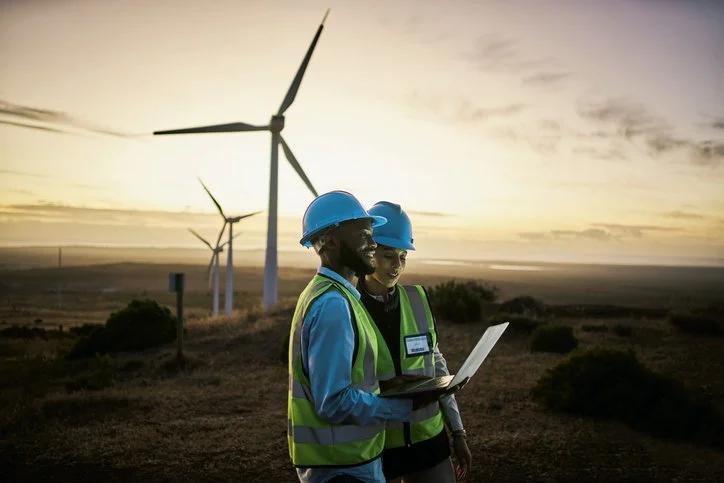
2025 also recorded a big win for renewables. For the first time, renewable energy sources generated more electricity than coal globally in the first half of the year, according to a report by think tank Ember.
The shift to renewables was driven largely by China and India. China is the world's largest electricity consumer, but it reduced fossil-fuel generation by 2% while its solar and wind generation grew by 43% and 16% respectively.
Electricity demand is rapidly growing around the world, but the growth in solar and wind was so strong that it met 100% of the extra electricity demand, even helping drive a slight decline in coal and gas use.
5. TotalEnergies’ Greenwashing Reckoning
While renewables won, fossils took a beating. For years, oil giants have wrapped fossil fuel expansion in the language of climate leadership. In 2025, a Paris court called that bluff.
In a groundbreaking ruling, French judges found that TotalEnergies misled consumers by overstating its climate ambitions and portraying itself as a key ally in the fight against global warming.
The court further ordered the company to remove a series of environmental claims from its website; a decision anti-fossils campaigners say marks the first time a major oil company has been legally sanctioned for greenwashing.
The case was brought in 2022 by Greenpeace France, Friends of the Earth France, and Notre Affaire à Tous, with support from ClientEarth.