Game changer: Green Climate Fund Establishes Regional Offices in Kenya, Côte d’Ivoire
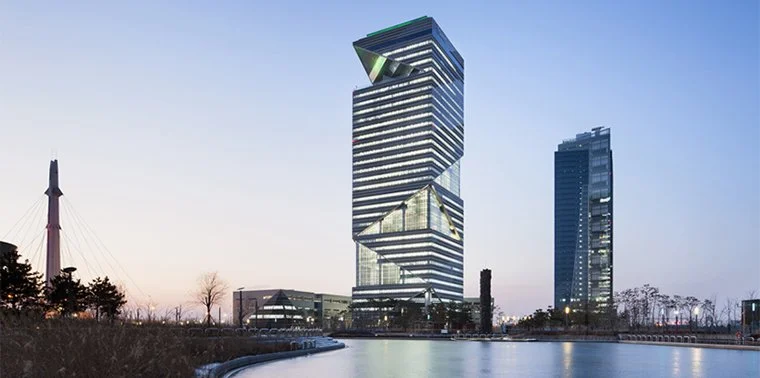
Green Climate Fund Headquarters | STOCK
BY SAADA MOHAMED
Power Shift Africa welcomes the landmark decision by the board of the Green Climate Fund (GCF) to establish its regional presence in Africa.
The board has set up two offices in Nairobi, Kenya, and Abidjan, Côte d’Ivoire, to serve the Anglophone and Francophone regions, respectively.
This move fortifies Africa’s position in global climate governance and as a strategic hub for climate finance access and coordination. At the same time, the multilingual engagement is expected to strengthen accessibility and ensure that operational capacity is aligned with the major working languages of the countries served.
It also represents an important milestone for the continent towards improving climate finance accessibility gaps. Africa requires approximately US$1.3 trillion to achieve both climate and development (SDGs) goals by 2025 and US$280 billion (7% of their GDP) annually in climate financing by 2030.
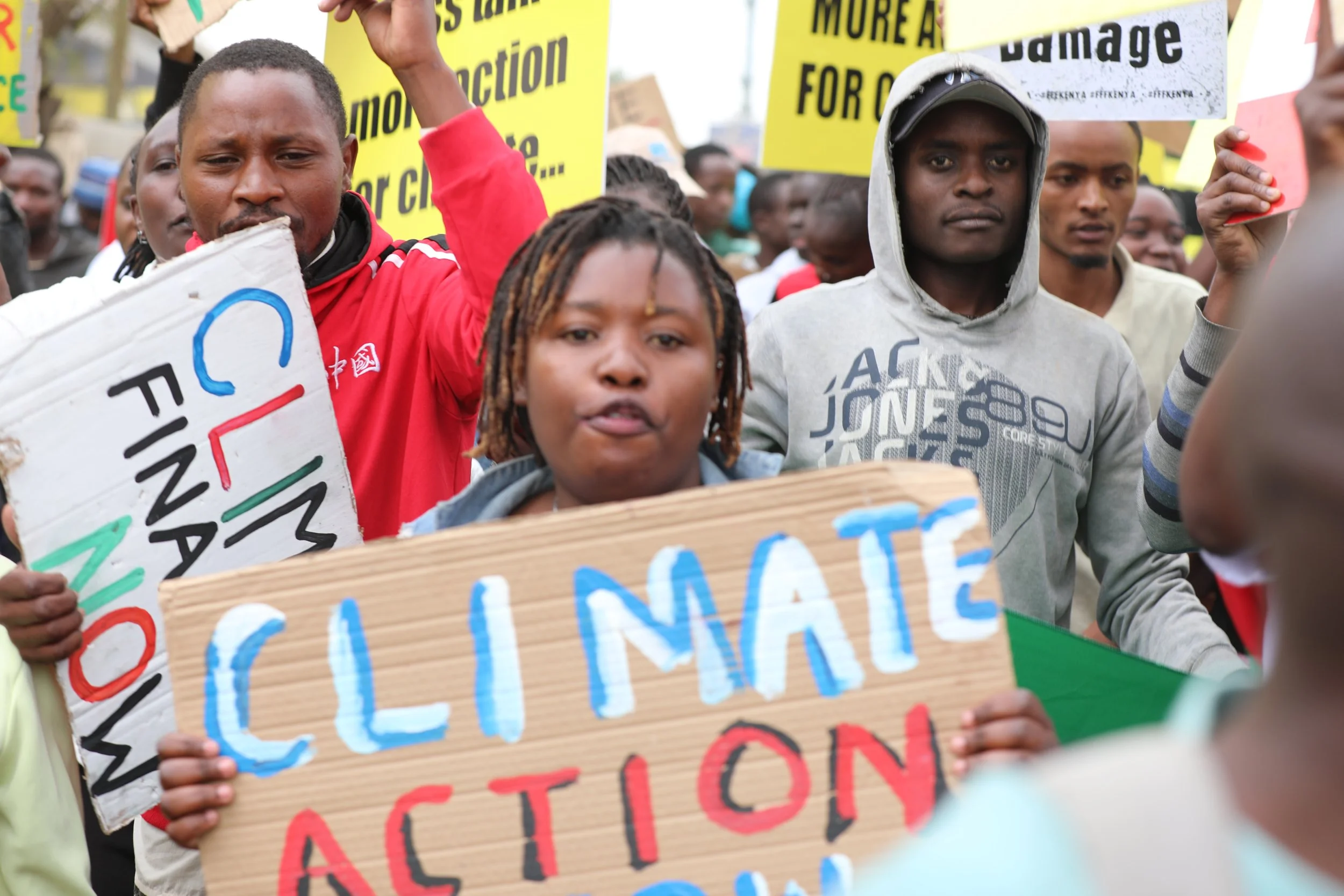
Members of the civil society participate in a march during the First Africa Climate Summit in Nairobi. | PSA Media
Headquartered in Songdo, South Korea, the GCF is the largest global climate facility established to provide developing countries with financial and technical resources to raise ambition towards low-emission and climate-resilient development.
For a decade now, GCF has been mobilising and delivering finance at scale while strengthening institutions to support transformative climate action in vulnerable countries.
A total of $960.3 million in climate finance for new projects spanning mitigation and adaptation actions was approved during the board’s 44th session, raising GCF’s investment portfolio above $20 billion.
Regionalising the fund is considered a critical institutional reform that could directly address the long-standing accessibility concerns raised by the developing countries.
“These reforms are also critical for providing global coverage while maximising proximity to where climate finance is needed the most.
”
Why Africa got Two Offices
Other offices established by the board include one each for Latin America and the Caribbean (Panama City); Eastern Europe, Central Asia, and the Middle East (Jordan).
It also included a specific outpost in the Pacific region, with the headquarters set to serve the East, Southeast, and South Asia regions.
Africa was allocated two offices primarily because it represents the fund’s largest portfolio volume in terms of funding projects and the highest country coverage.
The two-office model is noted to address several strategic and operational needs through the creation of distinct language-specific hubs; easy management of travel demands and workload, and improved service delivery in the vast region.
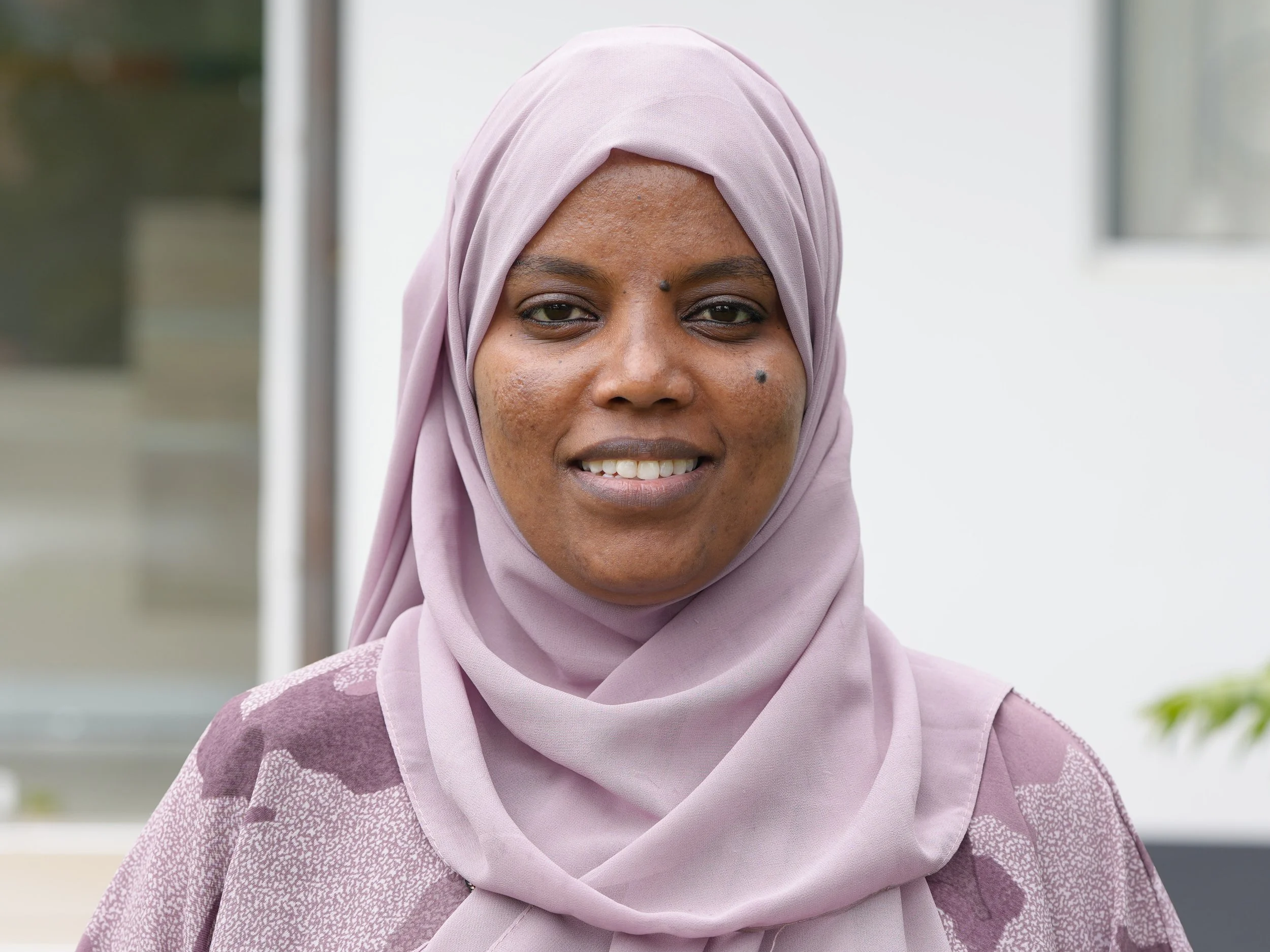
Saada Mohamed is the Climate Finance Advisor at Power Shift Africa | PSA Media
Why Regional Offices Matter
The regional hubs are envisioned to strengthen proximity and engagement with African countries, to improve day-to-day engagement, strengthen country support, and enhance operational efficiency.
By bringing the fund closer to diverse African countries, these offices are expected to foster increased country ownership and lead to positive improvements in processes and communication with local Accredited Entities (AEs); support project pipeline development; enhance portfolio oversight, and support inclusive country engagement across the climate finance ecosystem, including government, regional organisations, civil society, and the private sector.
This decision is also a win for Africa’s civil society. For years, African CSOs have advocated for climate policies and actions anchored on the continent’s needs and priorities.
“These regional offices will serve as a platform for inclusive country engagement and strategic partnerships with diverse stakeholders across the climate finance ecosystem.
”
This is essential to facilitate enhanced access to and utilisation of climate finance for African institutions to implement long-term climate adaptation and just transition interventions amid escalating climate impacts.
Saada Mohamed is a Climate Finance Advisor at Power Shift Africa