SECOND AFRICA URBAN FORUM: BUILDING AFRICAN CITIES OF THE FUTURE
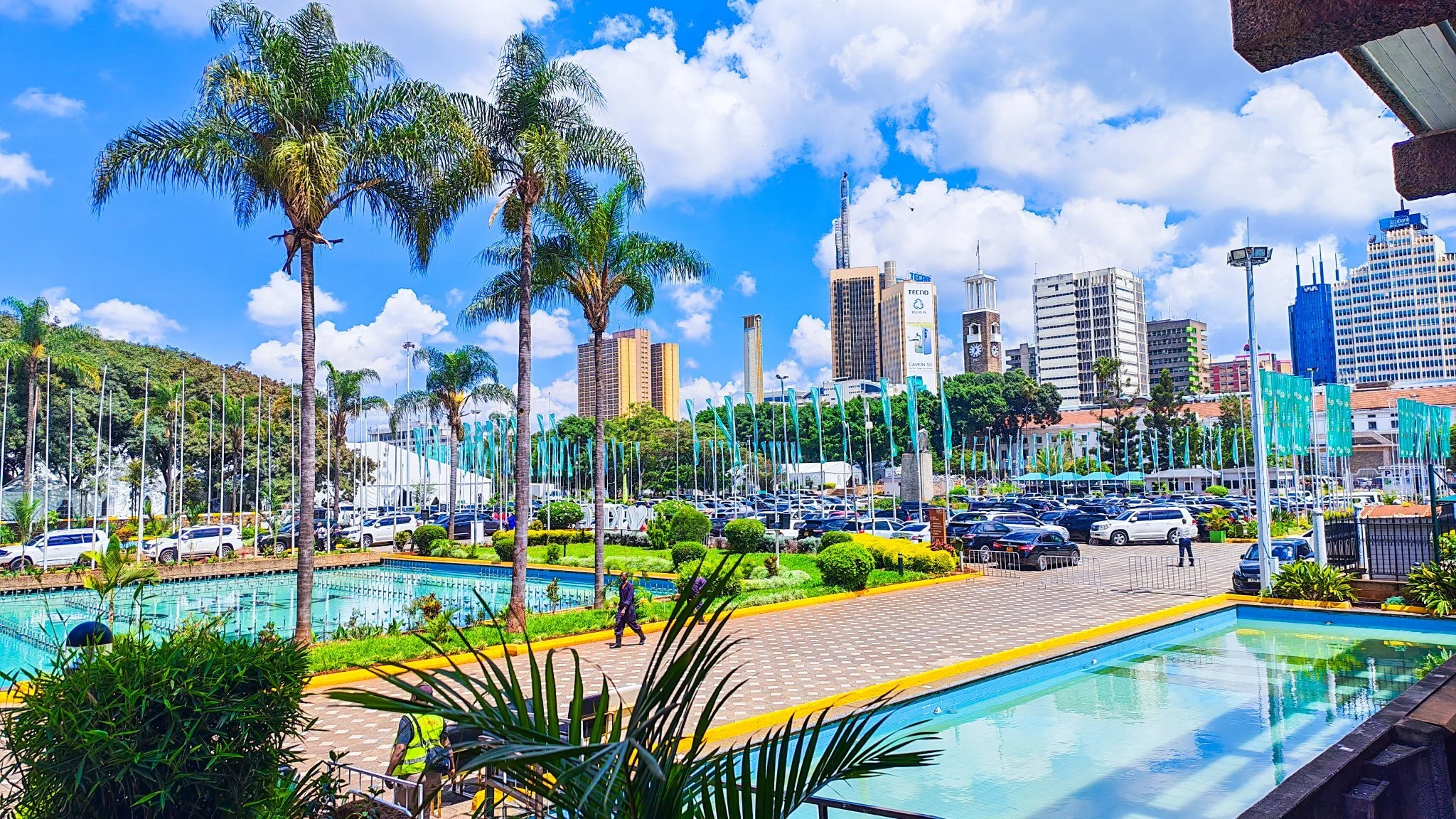
Nairobi is hosting the Second Africa Urban Forum. | Department of Human Settlements, Kenya
BY MARY KYANYI
About 19 percent of the world’s population, or 1.5 billion people, live in Africa. Demographic projections by the United Nation’s Economic Commission for Africa (UNECA) suggest that at least a quarter of humanity will be residing on the continent by 2050.
Even more staggering is that over three-quarters of Africa’s population will be living in cities by mid-century.
Africa’s Urbanization Dynamics report of 2025 shows that Africa’s urban population will double to hit 1.4 billion by 2050, becoming the world’s second-most urbanized continent after Asia.
These statistics are a stark pointer to the timeliness of the second Africa Urban Forum (AUF2), happening in Nairobi this week. The crux of the forum is discussion on gaps in urban settlements and opportunities that Africa can seize to accelerate the provision of adequate housing for all under Agenda 2063.
One of the expected key outcomes is the development of Africa’s Urban positions and priorities which will be mapped in the framework to be adopted during this session.
So, what does this year’s forum mean to a vulnerable continent this season?
Measures of human prosperity, especially the Human Development Index (HDI), show that health, knowledge, and standard of living are key matrix indicators of well-being. Housing is a key determinant of people’s standard of living.
Given the exponential growth of the continent’s urban population, the forum’s focus on adequate and livable housing in urban areas is visionary.
“Recent climate disasters in African cities, including flooding in Nairobi, Maputo, and Kampala, endemic water insecurity in many African cities and heat stress, point to the urgency that the continent must plan its urban settlements better. ”
The urban forum provides an opportunity for countries to address their vulnerable urban ecosystems, informal settlements, combat floods, heatwaves, and restore ecological environments in the cities.
Today, African cities, from Johannesburg to Kampala, Luanda and Lagos, are marked by sprawling informal dwellings, poor access to sanitation services, and inadequate social amenities including recreational spaces and non-motorized ways. Collectively, these inadequacies stand in the way of Sustainable Development Goal 11 (SDG11) on inclusive, safe, resilient, and sustainable cities.
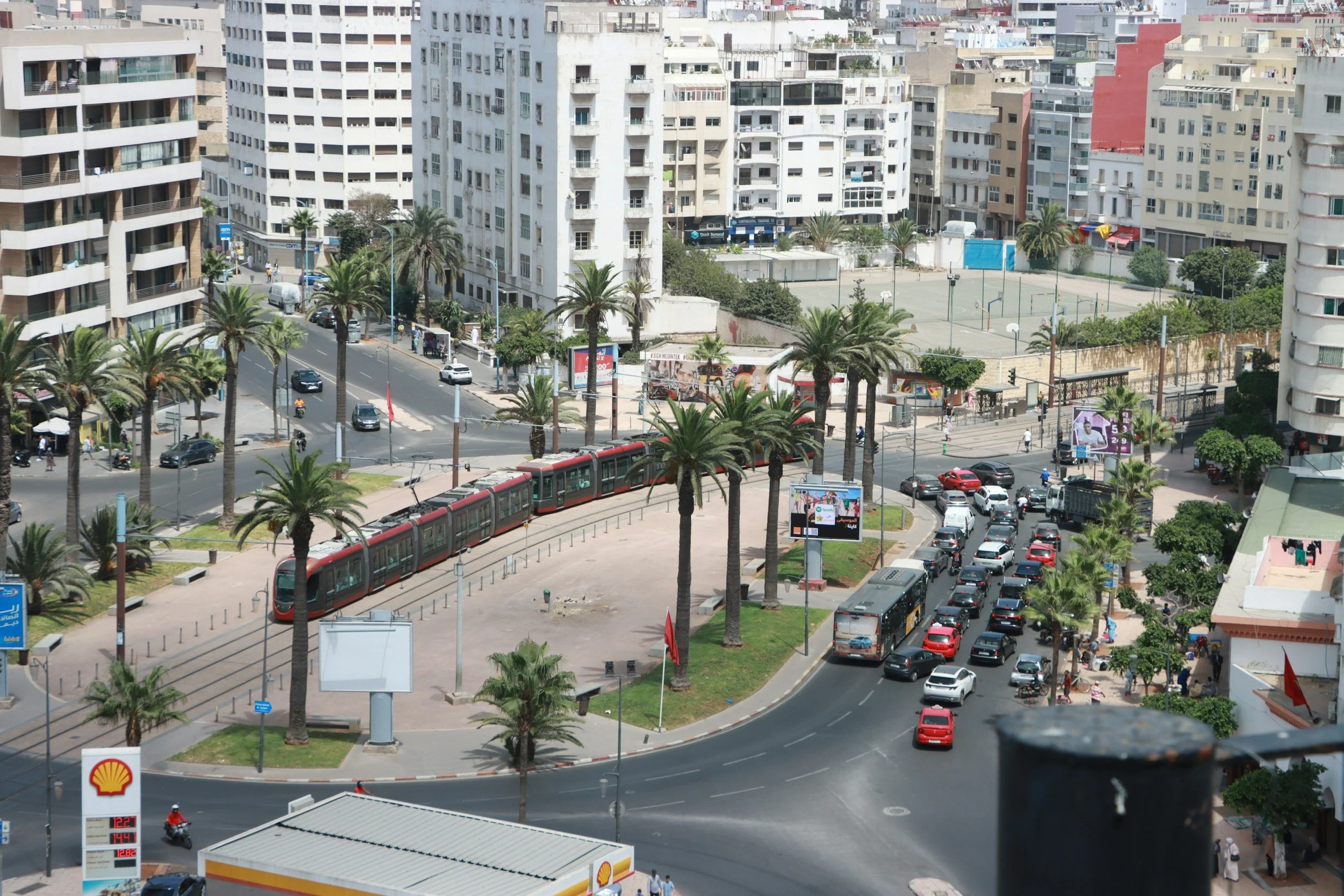
Public transport system in Casablanca, Morocco. | STOCK
African cities of the future should not only be able to accommodate the burgeoning population but also provide adequate sanitation, social amenities, climate-proofed infrastructure and seamless mobility.
“Housing should go beyond providing a roof over people’s heads. It must include essential features and facilities that make a city truly livable.
”
Besides providing proper housing for citizens, it is equally important for African governments to map their populations. Having a reliable address system and knowing who lives where allows authorities to design better for critical amenities such as hospitals, public transport, and schools. Across Africa, the urban population, mostly the young working class, is the heartbeat of a country’s economy. Providing adequately for them sustains their contribution to the Gross Domestic Product (GDP) for a thriving economy.
To be a turning point for Africa’s urbanization, the forum must elevate sustainable and resilient infrastructural development across the continent. Data from the UN-Habitat shows that more than 60 percent of the African population currently lives in informal settlements. This denies citizens access to public services and predisposes them to associated risks, including sanitation-related health complications, urban poverty, and generally low standards of living. Ways to alleviate poverty for the 50 million urban dwellers in Africa should be a key goal of this forum.
For many years, most African informal settlements have been synonymous with underdevelopment. To turn the tide, the forum declaration must provide a pathway for tackling basic infrastructure gaps, especially water, electricity, sanitation, waste collection, and roads.
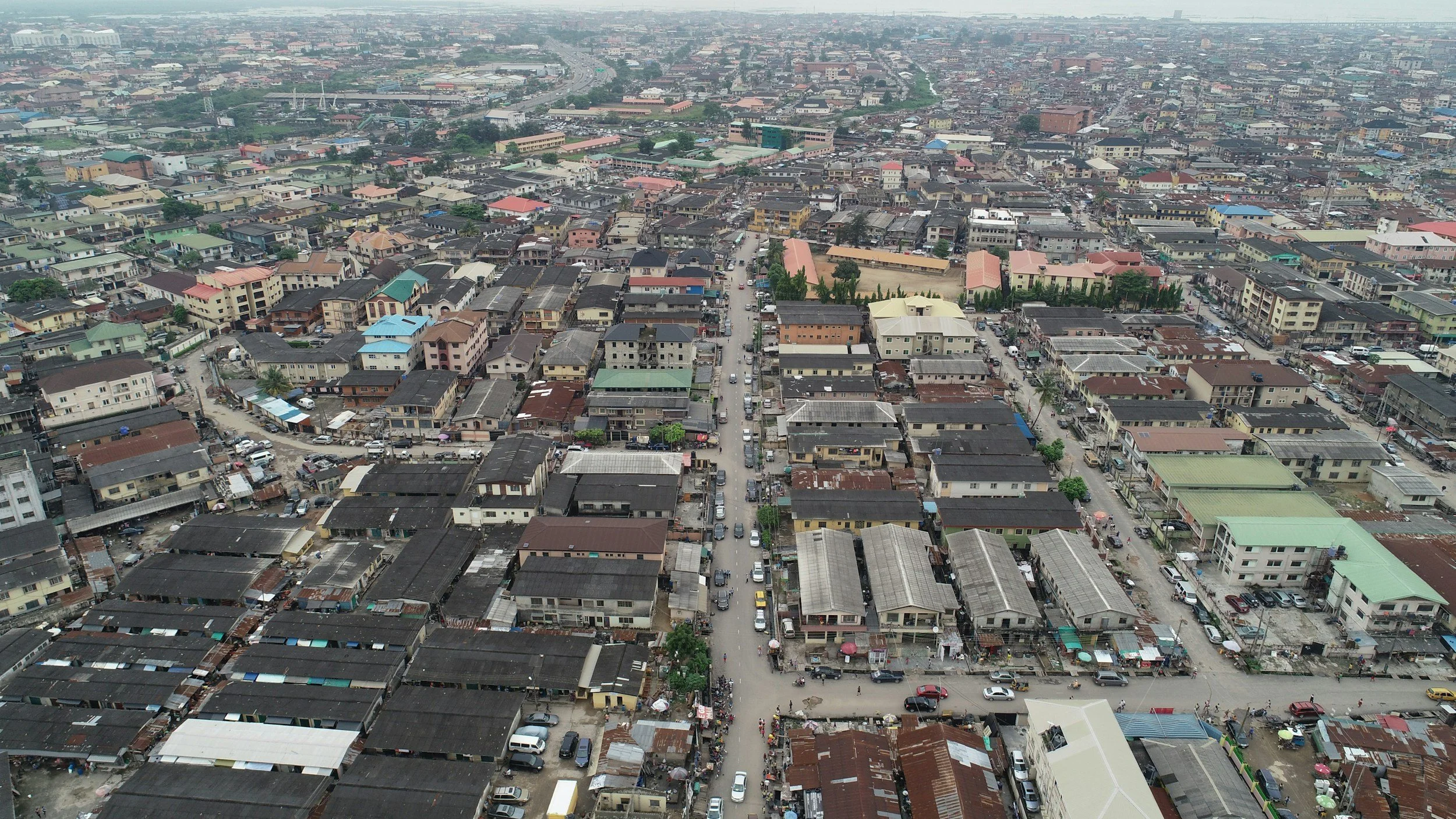
A crowded urban settlement in Lagos, Nigeria. | STOCK
The rainy season is a nightmare for most slum dwellers, as their shacks get washed away. Many of them are too poor and too vulnerable to withstand flooding and other extreme weather events.
Slum upgrade programmes
To help urban populations absorb climate shocks better, African cities must implement and integrate climate resilience strategies into urban planning and development. Installing passive cooling techniques that cut energy costs is critical to lower carbon emissions.
There is a need for Africa to upgrade slums and provide strategies for pro-poor housing. This will not only encourage community action planning but also prepare low-income populations before the onset of climate impacts, especially flooding and heatwaves.
Affordable Housing is a Gamer Changer
Providing affordable housing in Africa in an era of urbanizing rural areas can solve the twin problem of food insecurity and housing deficiency.
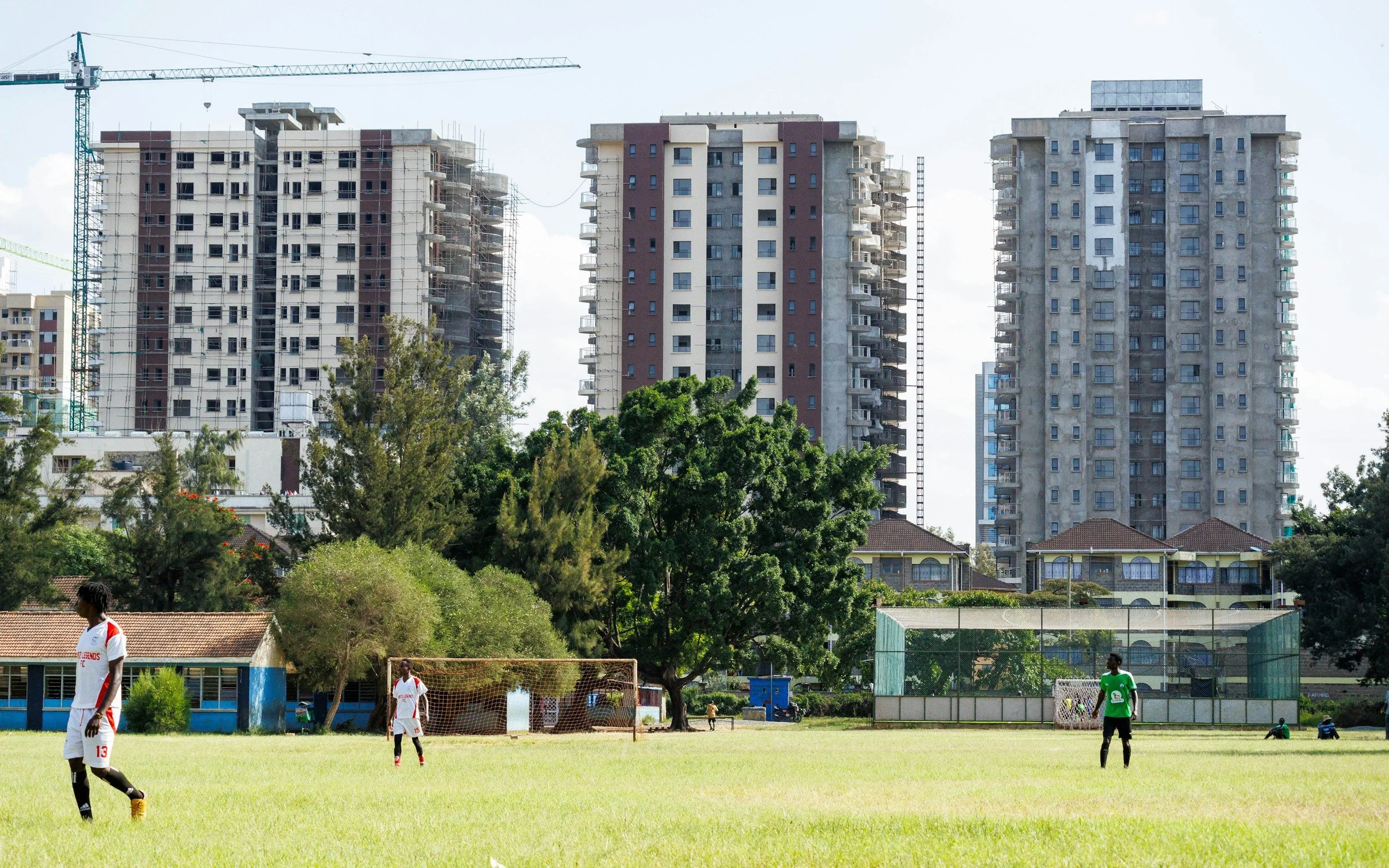
A modern housing project in Nairobi, Kenya. | STOCK
As rural areas turn into towns and cities, immense pressure will be put on land to accommodate settlements and still provide food and nutrition to urban dwellers. Planned affordable housing programmes are essential to prevent excessive pressure on land resources and slow down the growth of urban poverty to ensure people stay within dignified standards of living.
Designing resilient infrastructure and urban systems is important for protecting the people of the continent from climate shocks. To do this, there’s an opportunity for African government to partner with the private sector for synergies and subsidies to help bridge the housing gap, particularly for low-income householders. Likewise, governments must work closely with urban and physical planners and researchers to bring this dream home.
Ecosystem Restoration in cities
Green areas are vital components of city living. Urban forests purify the air, absorb pollutants from vehicles and industrial fumes, allowing people to breathe fresh air.

Karura Forest in Nairobi, Kenya, is an example of green spaces in cities. | STOCK
Even so, encroachment of forests and other green is a major problem in many African cities. Parks and other biodiverse areas are invaded, and houses are built to accommodate the bulging population. This invasion has led to severe loss of biodiversity and destruction of wildlife habitats and ecosystems.
“Investing in biodiversity restoration programs enhances not only urban aesthetics but also improves the resilience of cities against climate impacts.
”
The forum in Nairobi must, therefore, develop a roadmap for restoring and conserving natural habitats and ecosystems as well as upgrading green infrastructure. As we approach 2050, we should work not only towards meeting the demand for housing for 2.5 billion people. We must be deliberate about accommodating them in a manner that is dignifying, sustainable, and climate-proof.
That journey starts this week with the adoption of the AUF2 Nairobi Declaration.
Mary Kyanyi is an Adaptation and Resilience Fellow at Power Shift Africa