SANTA MARTA CONFERENCE: 5 THINGS TO KNOW
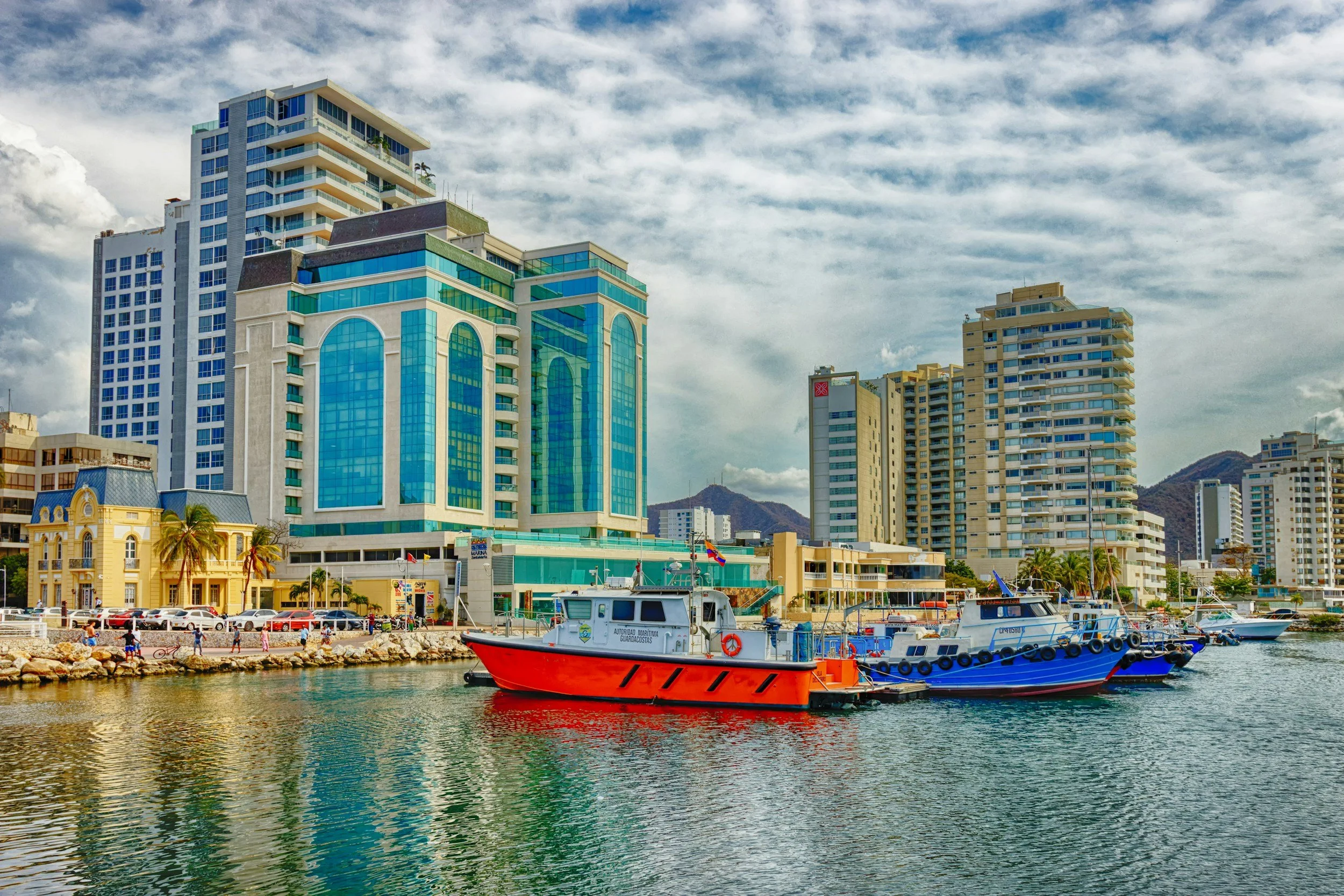
A view of the coastal city of Santa Marta, Colombia, host of the First International Conference on Transitioning Away From Fossil Fuels | STOCK
After months of waiting, the First Conference on Transitioning Away from Fossil Fuels will begin this week in Santa Marta, Colombia.
Announced at the UN General Assembly last year, this conference will initiate a concrete process to identify and advance pathways to move away from fossil fuels.
The event comes at a time of the largest oil supply shock in history, following the closure of the Strait of Hormuz amid the US-Israel war in Iran. The narrow waterway controls 20 percent of the global oil shipments. For many consumers around the world, its closure has meant higher pump prices, soaring commodity prices, and inflation.
Many expect the conference outcome to acknowledge the need for negotiations on a new international treaty to regulate fossil fuels. This will allow willing countries to begin the work of phasing out fossil fuels in parallel to the UN climate process.
Here’s what to know about the conference.
Is this a UNFCCC Event?
Neither is this conference a UN event, nor is the United Nations Framework Convention on Climate Change (UNFCCC) involved in organising it. Three decades after climate negotiations began, many feel that the COP process has failed to deliver a roadmap to end fossil fuel dependence.
Every year, major economies and oil producers block any mention of fossil fuels at the COP. Brazil’s proposal for a roadmap to transition away from fossil fuels failed to get the backing of global powers at COP30. While more than 80 countries supported the proposal, Saudi Arabia, Russia, and the United Arab Emirates blocked it. The word fossil fuels did not feature in the summit’s final text.
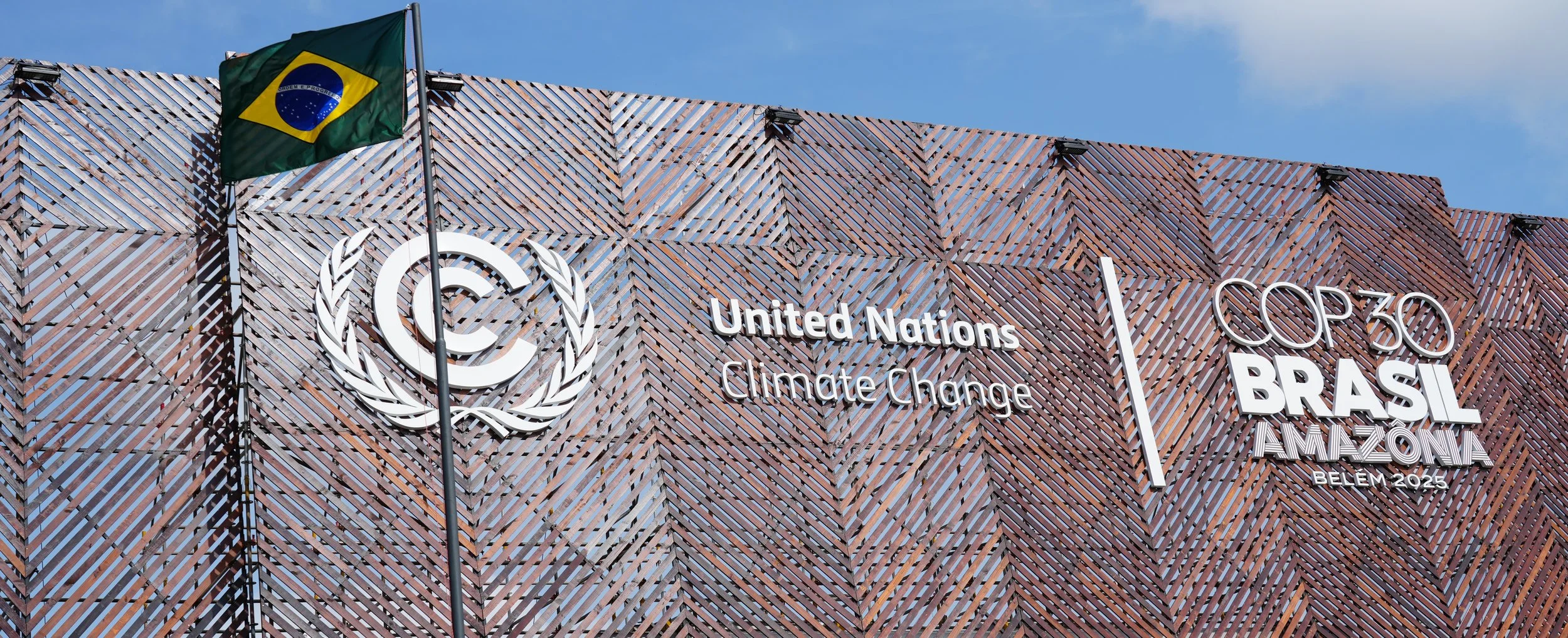
The venue of COP30 in Belem, Brazil. | PSA Media
“The UNFCCC is a consensus-based process and has become deadlocked on the core issue of fossil fuels. Year after year, we’ve seen this deadlock exploited to delay meaningful action on fossil fuel supply,” says Tzeporah Berman, the founder of Fossil Fuel Treaty Initiative.
The Santa Marta conference aims to move beyond voluntary climate promises synonymous with COPs to create a concrete, science-led roadmap for the much-awaited phaseout. This will be done through a ‘‘coalition of the willing’’ to ensure a just, orderly, and equitable global energy transition with practical, actionable solutions.
Why is Colombia hosting the Conference?
The fossil fuel sector is the cornerstone of Colombia’s economy. The country is the largest coal and fourth biggest oil exporter in the Americas. The sector contributes 10 percent of its GDP. However, Colombia has decided to stop issuing licenses for new coal, oil, or gas exploration and shifted its focus to developing other industries, including renewables.
Colombia’s event is the first of a series of diplomatic conferences beginning this year to foster international cooperation for a just transition away from fossil fuels.
‘‘This historic gathering will be a pivotal moment for the Global South to lead the charge in transforming our energy systems and addressing the intertwined crises of climate and justice,’’ said Irene Vélez Torres, Colombia’s Environment Minister.
Who is(n’t) Going to Santa Marta?
By the time of writing this article, 54 countries have confirmed attendance. Wealthy nations like Australia, Canada, Norway, Germany, France, and the UK will attend. Others attending are Angola, Mexico, Brazil, Turkey, and Vietnam.
The world’s biggest polluters are, however, set to miss, with the US, China, India, Saudi Arabia, Russia, and petro states in the Gulf sitting it out.
The conference comes at a critical time in global climate discourse. For some, climate negotiations under the UN regime have lost momentum. For others, this conference is an opportunity to reignite discussions and mobilise international cooperation to end the dependence on fossil fuels.
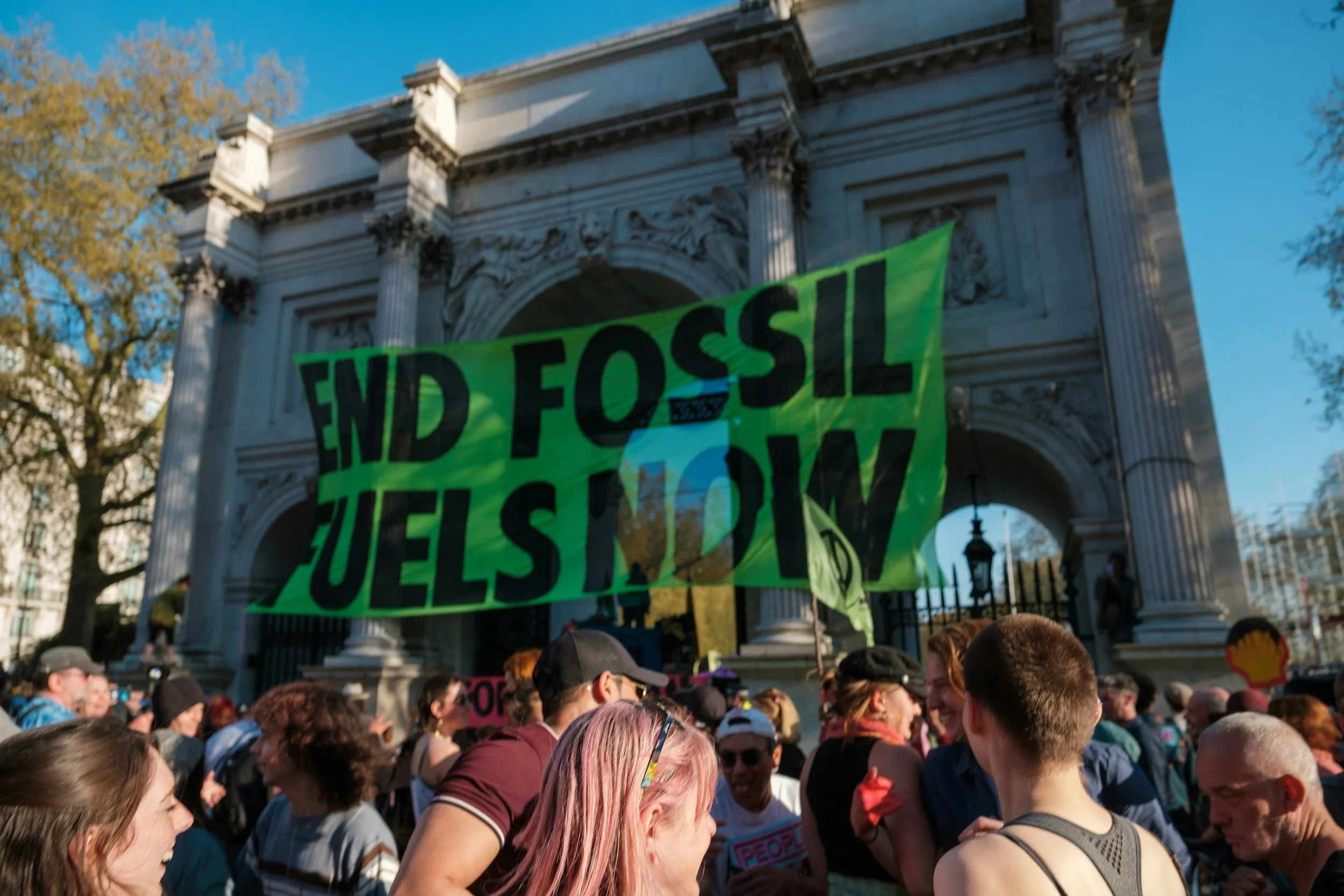
Protesters display a banner calling for the end of fossil fuels. | STOCK
The Fossil Fuel Treaty Initiative calls it ‘‘a historic turning point’’ in climate diplomacy that will bring together committed and high-ambition nations ‘‘to move from incremental pledges to concrete action.’’
During the conference, countries will aim to champion coordinated solutions, including strengthening multilateralism to address the threat of fossil fuel extraction.
Hanging over the conference, though, are concerns about the commitment of major global powers to move away from oil and gas dependence, even as emissions-driven climate impacts continue to escalate, as the State of the Global Climate report shows.
Can we expect a Fossil Fuel Treaty out of Santa Marta?
Not quite. That’s still a long way out.
The conference in Colombia will be the first-ever meeting of countries specifically to discuss a roadmap to end the era of fossil fuels. In Santa Marta, a global coalition of nation-states, subnational governments, Indigenous peoples, scientists, and civil society will set in motion the process to develop a legally binding Fossil Fuel Treaty as a key outcome of the summit.
This event will build the groundwork for a second international conference in Tuvalu next year, where a formal mandate to negotiate a Fossil Fuel Treaty will likely be secured.
While countries agreed under COP28’s UAE Consensus to transition away from fossil fuels, the agreement lacked concrete timelines, legal mechanisms, or a plan for phasing out production. This is where this conference comes in. Once established, the treaty will outline ‘‘binding commitments to halt new exploration, wind down existing production, and manage an equitable, orderly phase-out.’’
‘‘The Santa Marta conference is not a standalone event, but the crucial first step toward formal Fossil Fuel Treaty negotiations,’’ says the Fossil Fuel Treaty.
Why is Just Transition at the Heart of the Conference?
Many developing countries in the Global South depend on revenue from fossil fuels to finance their national budgets. The host, Colombia, and Venezuela in Latin America, and Nigeria and Angola in Africa, are examples of economies that are heavily dependent on oil trade.
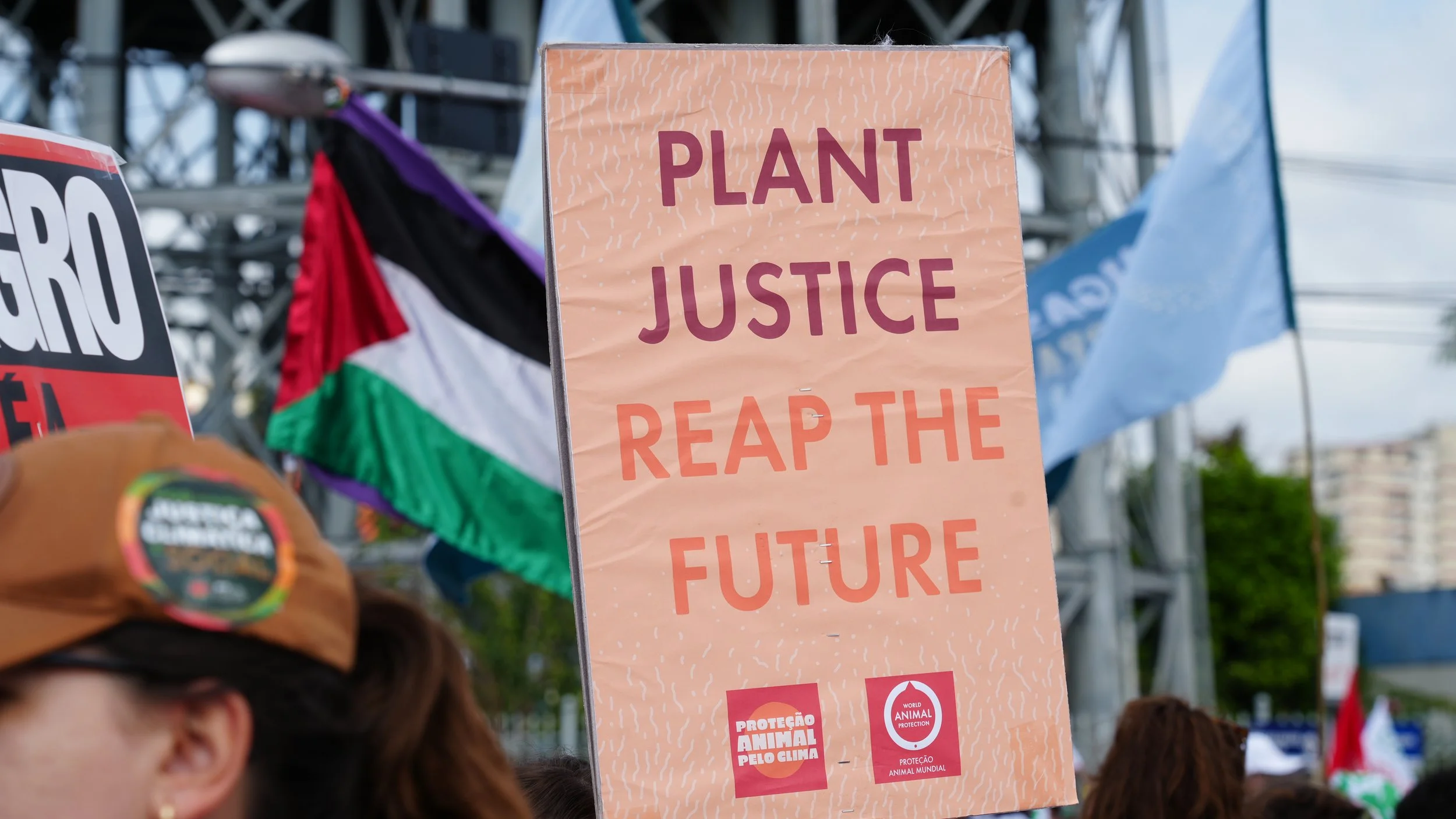
A banner calling for climate justice and the need to protect the planet during a march at COP30. | PSA Media
With calls to stop the extraction and consumption of oil, gas, and coal, as the world transitions to clean energy, this puts revenues and their economies in uncertainty. At the core of discussions during the conference is how to transition to this new economic dispensation in a just and equitable manner.
In Santa Marta, therefore, nations will deliberate on, among other important subjects, debt relief, economic diversification, and financial assistance for developing countries to shift their economies without suffering economic collapse.
One of the proposals made is the creation of a ‘‘Global Just Transition Fund’’ to support workers and communities through the energy shift.