RICH IN RESOURCES, POOR IN POWER: HOW TO ADDRESS AFRICA’S RENEWABLE ENERGY PARADOX
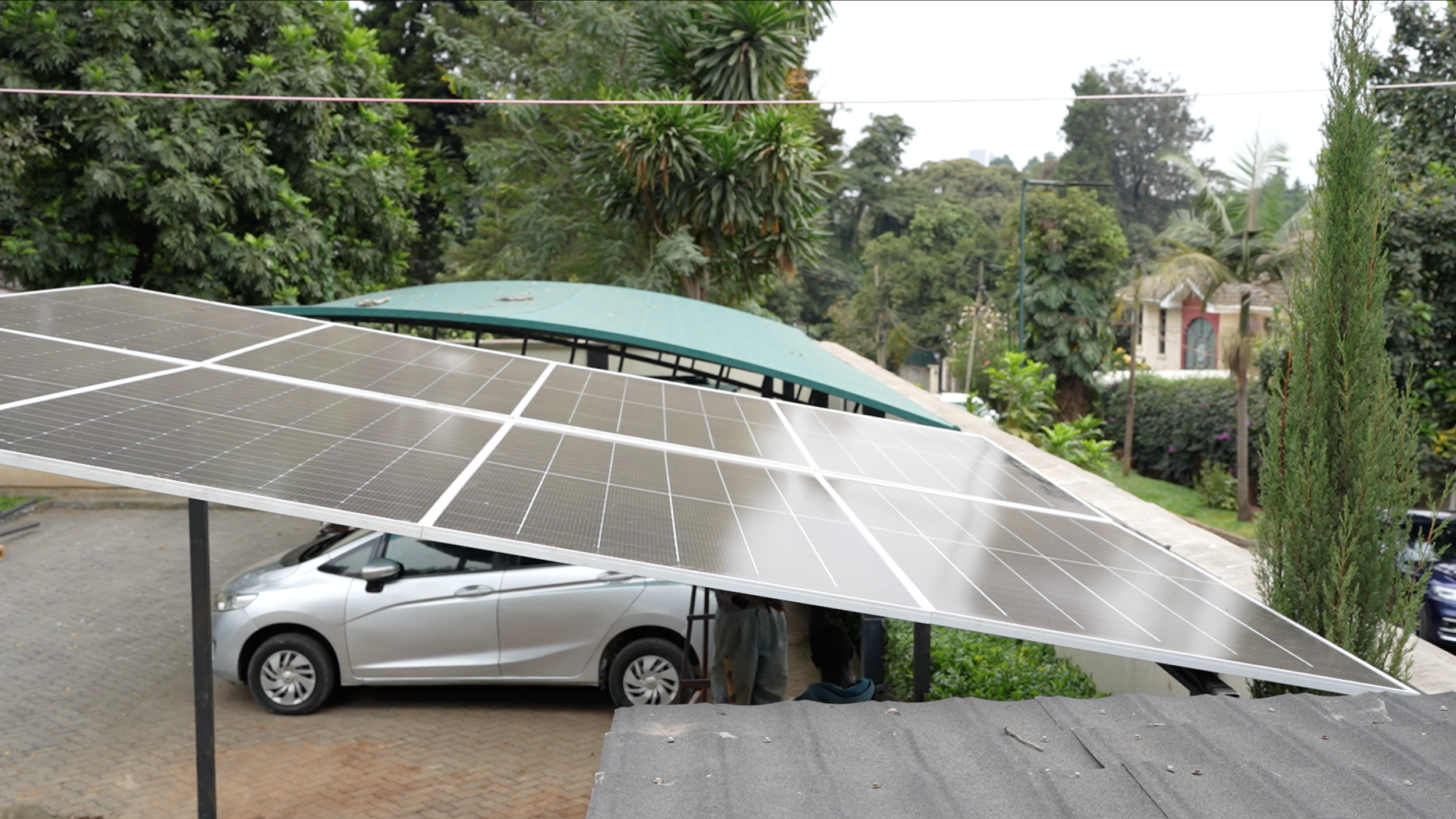
A car park roofed with solar panels at Power Shift Africa Head Office in Nairobi, Kenya. | PSA Media
BY MERCY JOHN
The same sun. The same solar technology. But radically different financing costs. That is the reality of renewable energy in Africa, and one of the most glaring injustices is the ecosystem.
Across the continent, renewable energy capital costs in Africa are three times those in Europe, making clean energy more expensive even before a single panel is installed.
Africa is a continent of profound energy paradoxes. It is home to the world’s vastest untapped renewable potential. From expansive geothermal rifts to year-round solar radiation and high-speed winds, Africa is a renewable energy paradise. Yet nearly 600 million on the continent live in darkness, while 923 million others lack access to affordable clean cooking technology. Even with its enormous potential, Africa accounts for only 4% of global energy consumption.
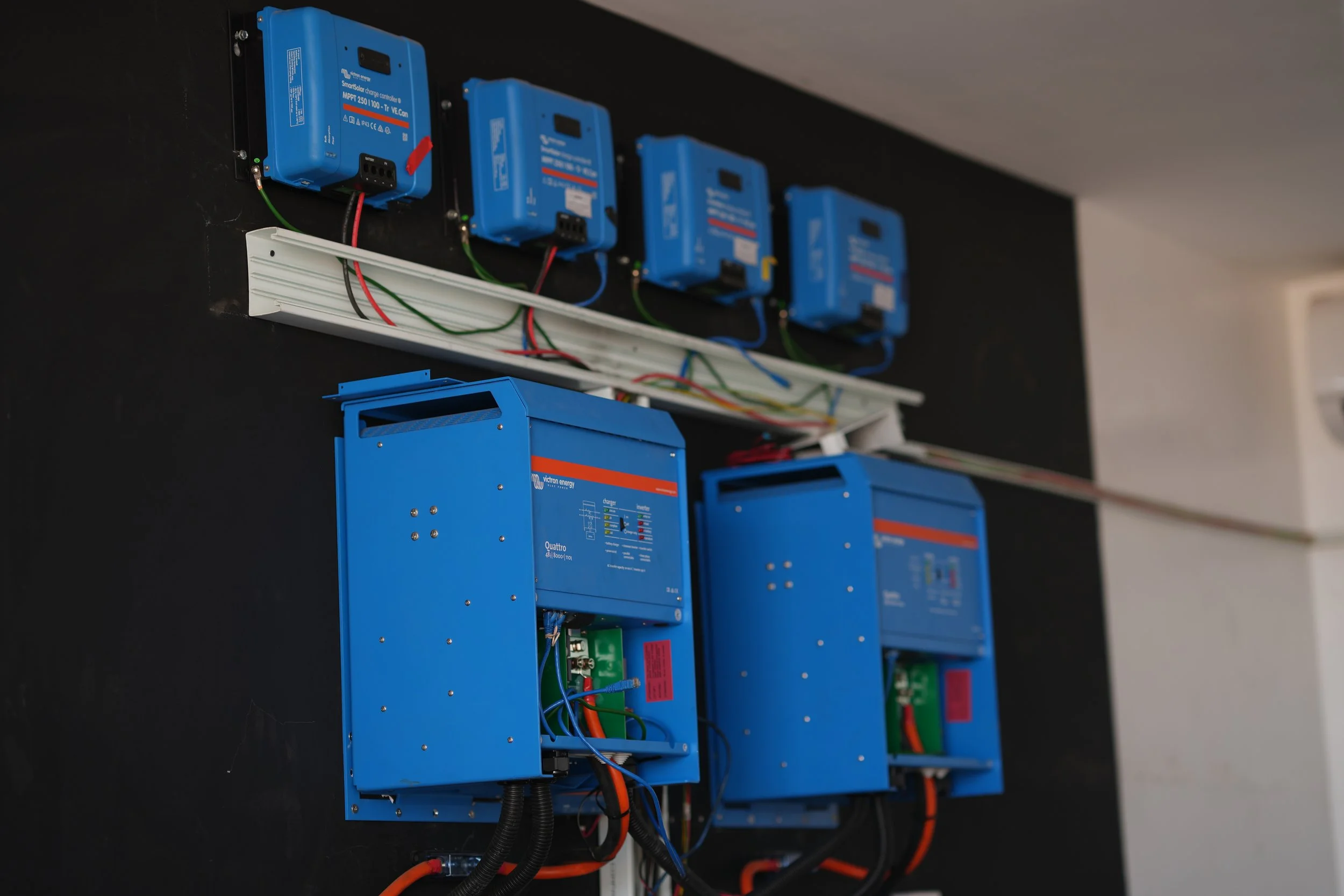
An inverter unit at a solar power project in Northern Kenya. | PSA Media
A Continent of Paradoxes
Clean energy is no longer just the greener option. It is also the cheaper one. The biggest game changer? Technology costs have plummeted. Between 2010 and 2024, the levelized cost of electricity fell by about 90% for solar PV and 93% for battery storage. This means every climate dollar invested today delivers significantly more clean energy than it did just over a decade ago. At the same time, global investment in clean energy grew by 17% in 2024, accounting for around half of all climate mitigation finance.
Africa is home to 20 percent of the world’s population, yet it receives only 2% of renewable energy investment. In 2022, clean energy spending in Africa was about USD 25 billion, representing a small fraction of the investment required to meet energy access needs and climate goals on the continent.
Renewable energy projects in Africa typically face a financing cost of between two and four times that of similar projects in Europe or North America. Kenya, for instance, is endowed with abundant solar radiation, more than Germany.
“In an ideal world, having more renewable potential should give Kenya a comparative advantage over Germany in solar power generation. The reality, though, is different. Germany has far superior solar energy investments than Kenya.
”
The Cost of Perception
This is largely driven by the high cost of financing. The weighted average cost of capital (WACC) for renewable energy investment in Germany and Europe is 3.8%. In Africa, that soars to about 12%. While solar modules cost about $0.11 per watt in Europe, the same module goes for $0.23 per watt in Kenya.
The higher cost in Africa is driven by the perceived risks for investors on the continent and the need to compensate them for potential loss of equity. It isn’t fair to have local market conditions, rather than the manufacturing cost, drive prices.
The irony is difficult to ignore. Africa supplies many of the critical minerals used in the manufacture of renewable energy technology, including 80% of the world’s platinum reserves, 50% of cobalt, and 40% of manganese. These resources are essential in the manufacture of battery components, electric vehicles, and grid infrastructure. As such, Africa powers the global energy transition. Yet it pays the most for these products.
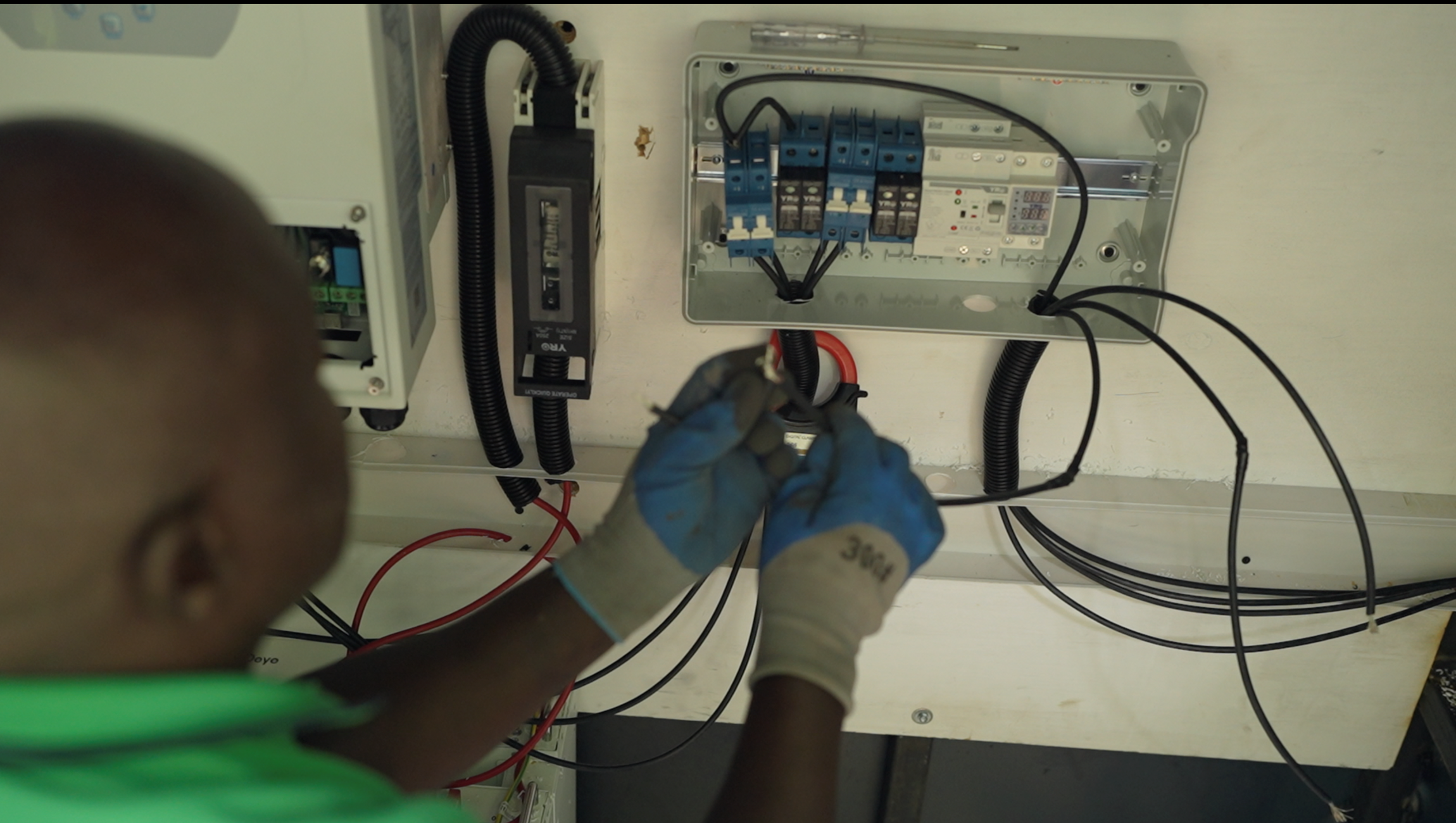
A technician is seen installing a solar energy equipment at an office in Africa. | PSA Media
“The continent relies heavily on external financing because the scale of infrastructure investment needed by far exceeds the amount of long-term capital available within its own financial systems.”
Why Fossil Fuels Continue to Thrive
Generally, renewable energy investments are capital intensive. They require high initial investment, compared to fossil fuel plants, which often have lower upfront costs but with highly volatile operating costs. Compared to advanced economies, the financing architecture in Africa is more difficult to navigate, with steep disparities in access.
This pushes the cost of borrowing between two and three times higher than that of most developed countries. As a result, the fiscal space for African infrastructure has been shrunken. Today, Africa’s debt-to-investment ratio servicing is double the level of clean energy investment. The cost of money outweighs the cost of the technology itself.
Making renewable investment more expensive creates a zero-sum game for fossil fuels. This situation is responsible for the continent’s continuous dependence on expensive and volatile fossil fuel options.
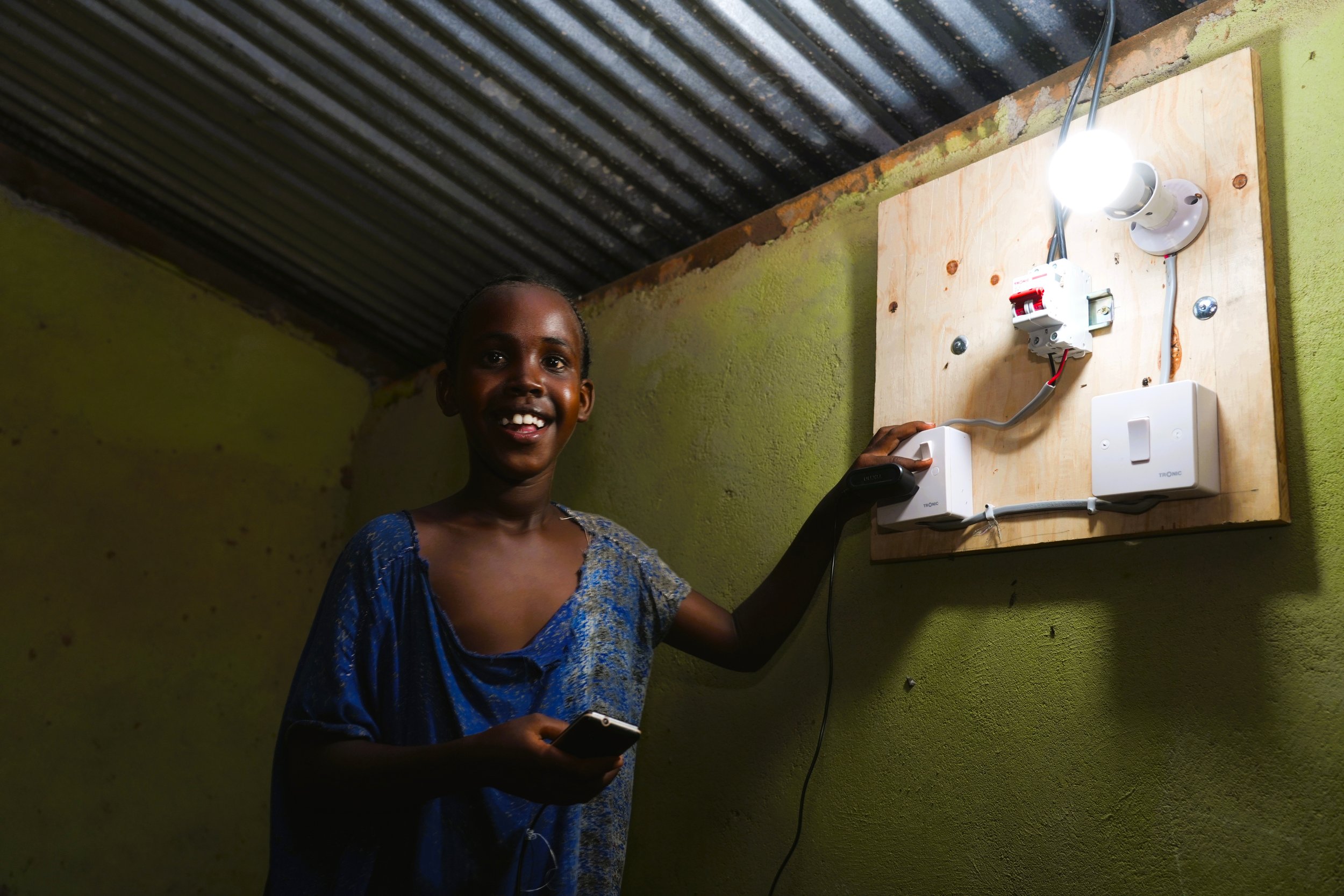
Solar power is helping connect more Africans to renewable energy power. | PSA Media
“Instead of paying a technology premium, Africa is paying a risk premium. As such, the continent needs cheaper finance with stronger institutional safeguards that lower the risk of investments.
”
What Africa Must Do
The solution to this issue may seem straightforward. That is, more public investment in renewable energy and more subsidies for clean energy tech to make it more affordable. But that is not the case. Africa’s renewable energy is a capital challenge. It is not about tech but about finance.
Africa must, therefore, solve this financial paradox to lead the global transition to renewables. But that can only happen through reforms that lower the cost of investment and boost investor confidence. There’s an opportunity for African governments to strengthen their policy and regulatory mechanisms to solve the capital-technology mismatch.
Once this is achieved, nothing will stand in the way of Africa’s leadership in the clean energy value chains.
Mercy John is a Climate Finance Project Officer at Powershift Africa.