Knowledge Justice: Centring African People and Knowledge in Adaptation

Global scientific and policy platforms must revise what counts as valid evidence. It must integrate ILK, lived experience, community generated data, and citizen science into conventional scientific evidence. | STOCK
At its core, knowledge justice asks whose knowledge and identity shape climate science, policy, and practice at all scales.
While it primarily operationalises recognitional and epistemic justice, it permeates all four justice dimensions. Empirical work and transdisciplinary research methods at a community-level adaptation project for water governance in South Africa show that knowledge justice and epistemic justice are built through co-creation rather than extraction.
Both build community ownership and legitimise adaptation interventions by shifting power relations and dominant epistemologies and by empowering communities to assert their knowledge confidently in formal adaptation governance processes. This holistic view positions knowledge justice as a principle and a practice. It requires integrating diverse knowledge systems (epistemological pluralism) into policy and decision-making processes at all levels, and cocreation among communities, policymakers, and researchers, as well as local ownership over how knowledge is valued and used.
International Levers for Knowledge Justice
These include:
The formal and equitable recognition and integration of African knowledge
Reform of international evidence standards
Proportional representation of Africans in scientific bodies
Redirecting funding to African-led research
Publication of indigenous knowledge in indigenous languages
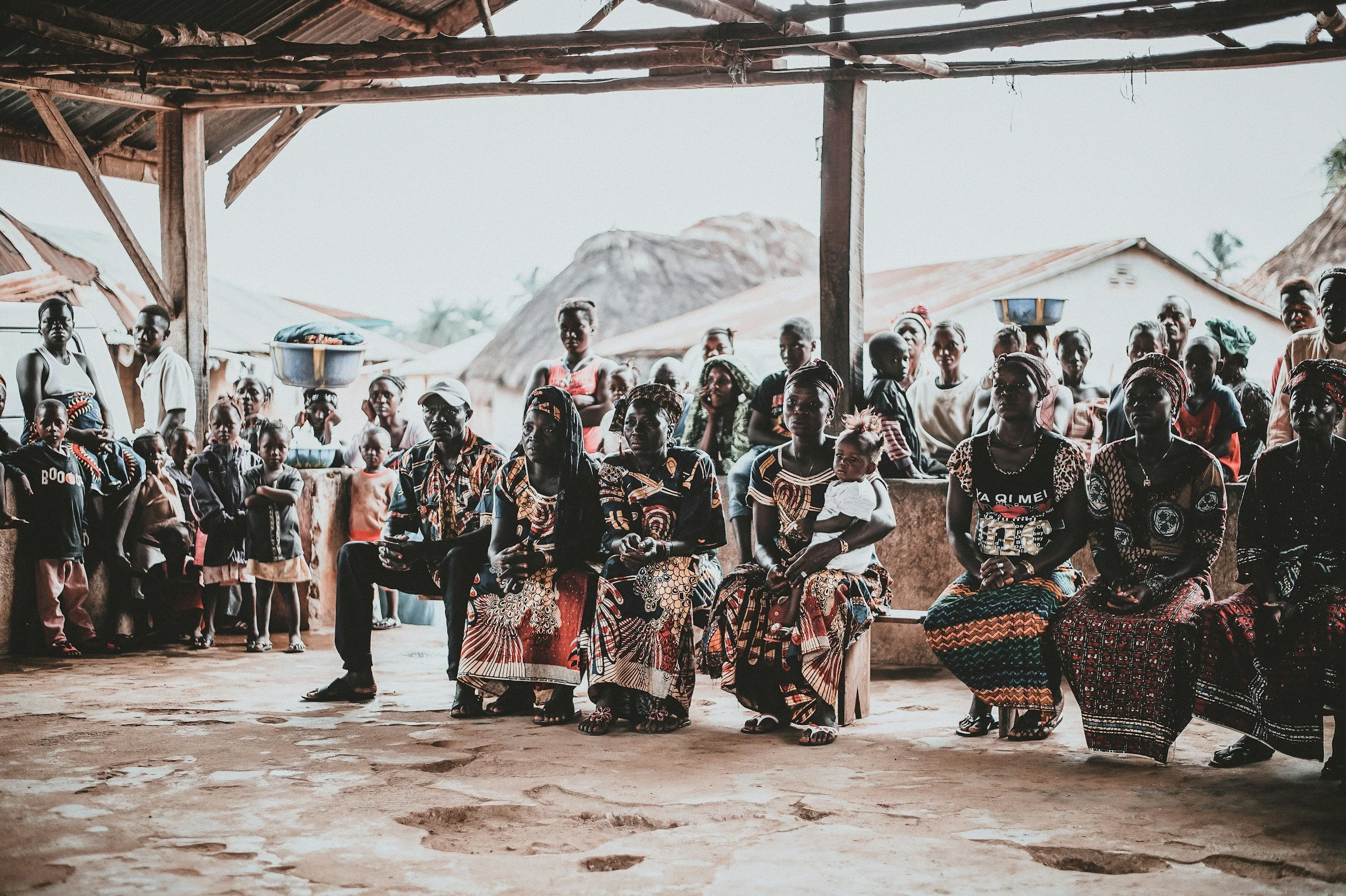
Science must expand assessment methodologies to include oral histories, narratives, visual media, artworks, and other culturally embedded forms of knowledge. | STOCK
The levers are explained below:
Formally and equitably recognise and integrate African ILK systems, and solutions
IK epistemologies and in situ local experiential knowledge must be formally placed on an equal footing with Western epistemologies in all international climate frameworks. Recognition must go beyond symbolic references to ensure that IK systems are meaningfully integrated into UNFCCC and IPCC processes, global assessments, and that they inform adaptation metrics and reporting against indicators under the GGA.
However, as one male adaptation researcher and policy expert in Southern Africa posed, ‘how do you include this knowledge in a meaningful way?’ Lessons from IPBES assessments suggest that ILK holders should be engaged from the outset of adaptation research and assessment processes, with targeted support to underrepresented groups. Trust, respect, and protection of IK holders’ IP rights are integral to their sustainable and ethical use in climate adaptation.
Explainer: Who are Indigenous People?
In practice, this means Western scientific epistemologies and Indigenous epistemologies are integrated to address common problems, such as climate adaptation.
Reform evidence standards in international scientific policy frameworks
Global scientific and policy platforms must revise what counts as valid evidence to integrate ILK, lived experience, community generated data, and citizen science alongside conventional scientific evidence. In incorporating African IK into mainstream science, it must be recognised that much of this knowledge has historically been stored in forms that may not be referenced. Lessons from IPBES assessments suggest that this might entail expanding assessment methodologies to include techniques and methods from IK holders, such as oral histories, narratives, visual media, artworks, and other culturally embedded forms of knowledge.
Inclusion of diverse knowledge sources also encourages systems thinking and an interdisciplinary approach to understanding and addressing complex socio-ecological challenges. Integrating IK into scientific and policy processes must go beyond extraction from Indigenous communities simply as data to be ‘slotted into exogenous Western scientific models.’ IK holders must be equitably represented in research leadership, planning, implementation, review, accountability, and research ownership.
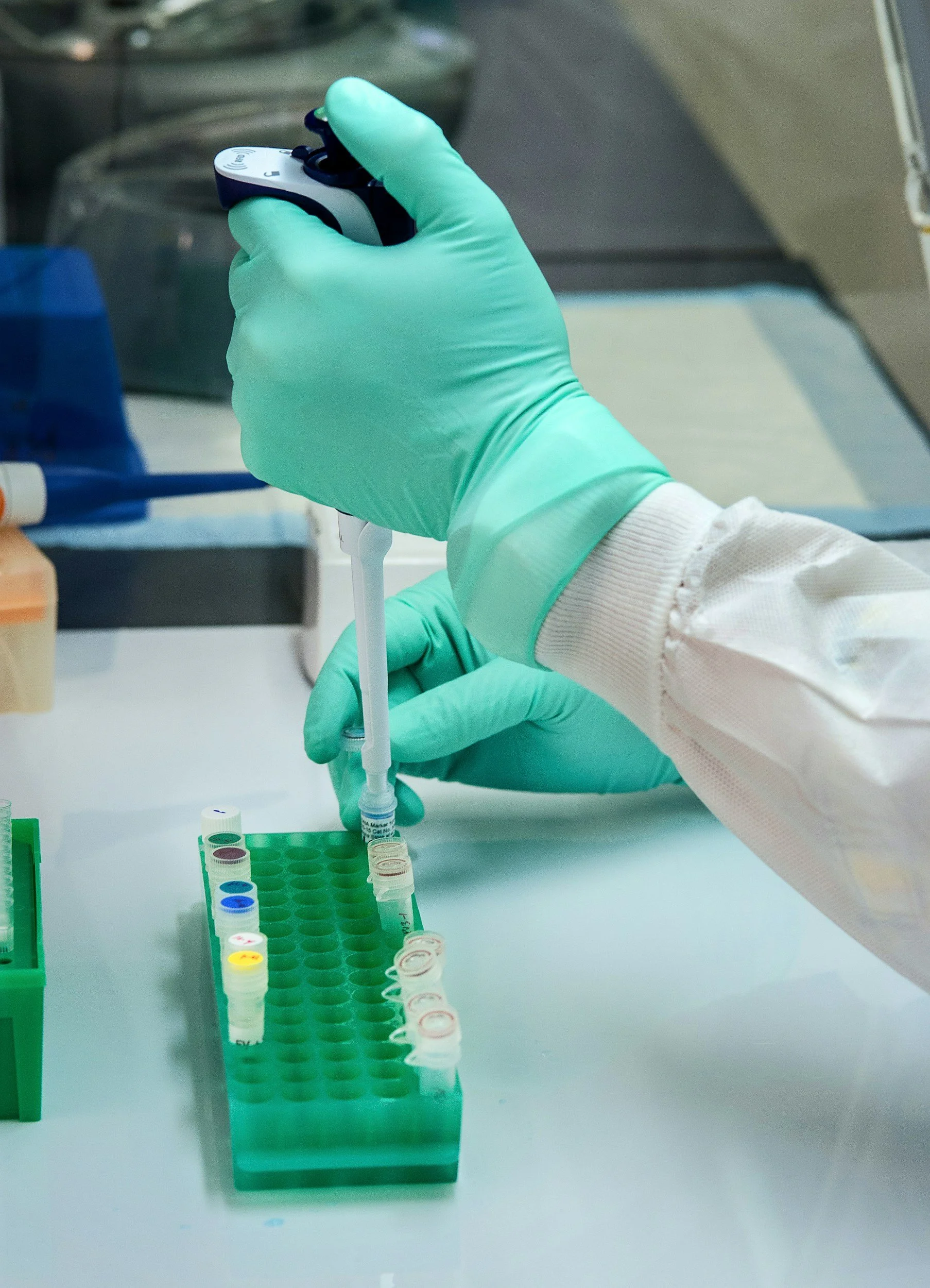
Modern sicience is overwhelmingly dominated by the West. African must equitably take part in science. The integration of indigenous knowledge into scientific and policy processes must also go beyond extraction. | STOCK
This integration also requires continued decolonisation or ‘Indigenising’ of research spaces, such as universities, where Western science should be decentred. The de-centring must, however, extend beyond academia and into government and civil society institutions involved in knowledge gathering and policy development.
Additional lessons from IPBES further demonstrate that meaningful knowledge co-production requires slowing down and allowing sufficient time for dialogue, trust-building, and consensus building, rather than prioritising narrow notions of efficiency. IK should be ‘weaved into’ Western scientific discourses to create forms of hybrid (or blended) knowledge that recognise the unique value that different epistemic discourses bring to climate and adaptation debates.
To support these shifts, international scientific policy frameworks should require co-designed research questions, methodologies, and assessment approaches with affected communities, IK holders, women, youth, and other vulnerable groups.
Ensure proportional African and Indigenous Peoples’ representation in global scientific and research bodies
Climate vulnerabilities, impacts, and needs should determine such representation. Proportional representation, therefore, should extend to IPCC authourship, IPBES assessments, UNFCCC expert bodies, and other international scientific processes. Representation should not only reflect geographical balance but also the continent’s disproportionate vulnerabilities and its position as home to most of the LDCs.
Ensuring that African scientists, IK holders, and local practitioners are not only represented, but also actively shape research priorities and assessment, will rebalance global knowledge production.
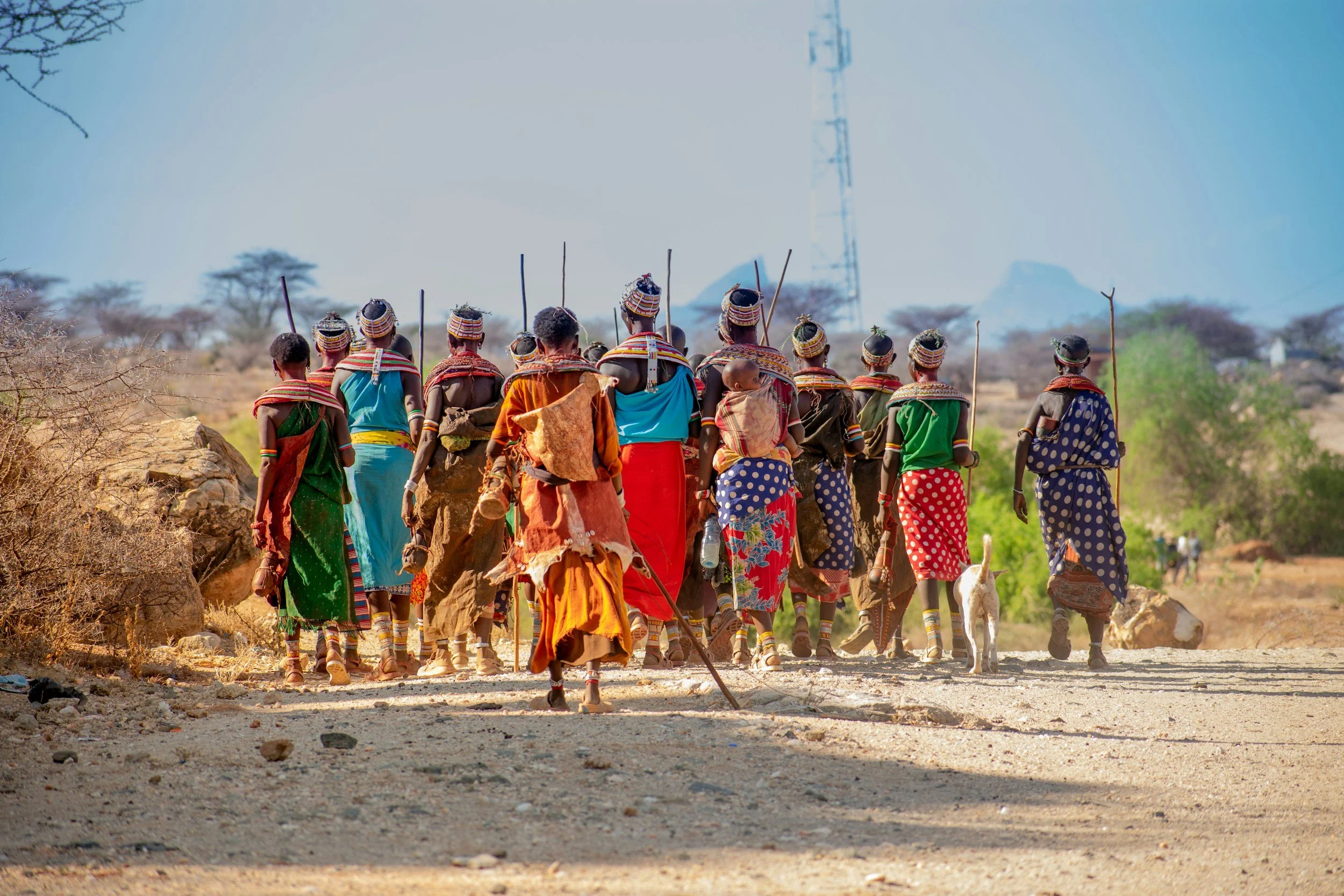
Frontline communities, Indigenous knowledge holders, women, youth, and other vulnerable groups must be represented in scientific research. | STOCK
Redirect climate research funding to African-led research
Evidence in section 6.2 reveals that most (78%) of the funding for climate research on Africa is channelled to Global North institutions, limiting Africa’s ability to define its own research agenda and generate knowledge rooted in local realities. Rebalancing these flows is essential to knowledge sovereignty, enabling African universities, research centres, and communities to determine priorities, generate evidence, invest in younger generations to build more technical capacity, and integrate IK into adaptation science on their own terms.
Collaboration among African and Global South researchers and practitioners through South–South platforms would reduce dependency on Northern institutions, while also expanding Africa’s influence in shaping the global climate and adaptation agenda.
However, redirecting funding alone is insufficient without transforming how knowledge production is funded. Finance for climate research must prioritise transdisciplinary, IK, and locally led knowledge production, moving away from extractive knowledge models.
In practice, donors and funding mechanisms should:
Redirect 78–80% of funding flows from European and North American research institutions toward African-led research centres and South–South-led research platforms.
Fund transdisciplinary, knowledge coproduction methodologies.
Create dedicated funding windows or opportunities for co-produced/IK and community-led research from the global South.
Make co-designed research agendas with African institutions, Indigenous Peoples, and local communities a condition of funding.
Support long-term partnerships and iterative learning processes, rather than one-off projects.
These reforms would shift climate research from extraction to knowledge justice in practice, positioning African and other climate-vulnerable actors as leaders in knowledge production.

Finance for climate research must prioritise transdisciplinary, IK, and locally led knowledge production. | STOCK
Publish Indigenous climate knowledge in Indigenous languages
Climate evidence and knowledge drawn through IK systems should be collated, documented, and formalised, but, moreover, there should be a concerted effort to ensure publication in Indigenous languages. Where Indigenous communities have undertaken research or substantially contributed to research, the findings should first be presented in Indigenous languages before being translated.
This step recognises and supports ownership and local agency, and prevents meanings being lost. In turn, this preserves authenticity and originality while breaking existing cognitive asymmetries and epistemological biases.