
HEATWAVES: IF EUROPE CAN’T COPE, CAN AFRICA SURVIVE?
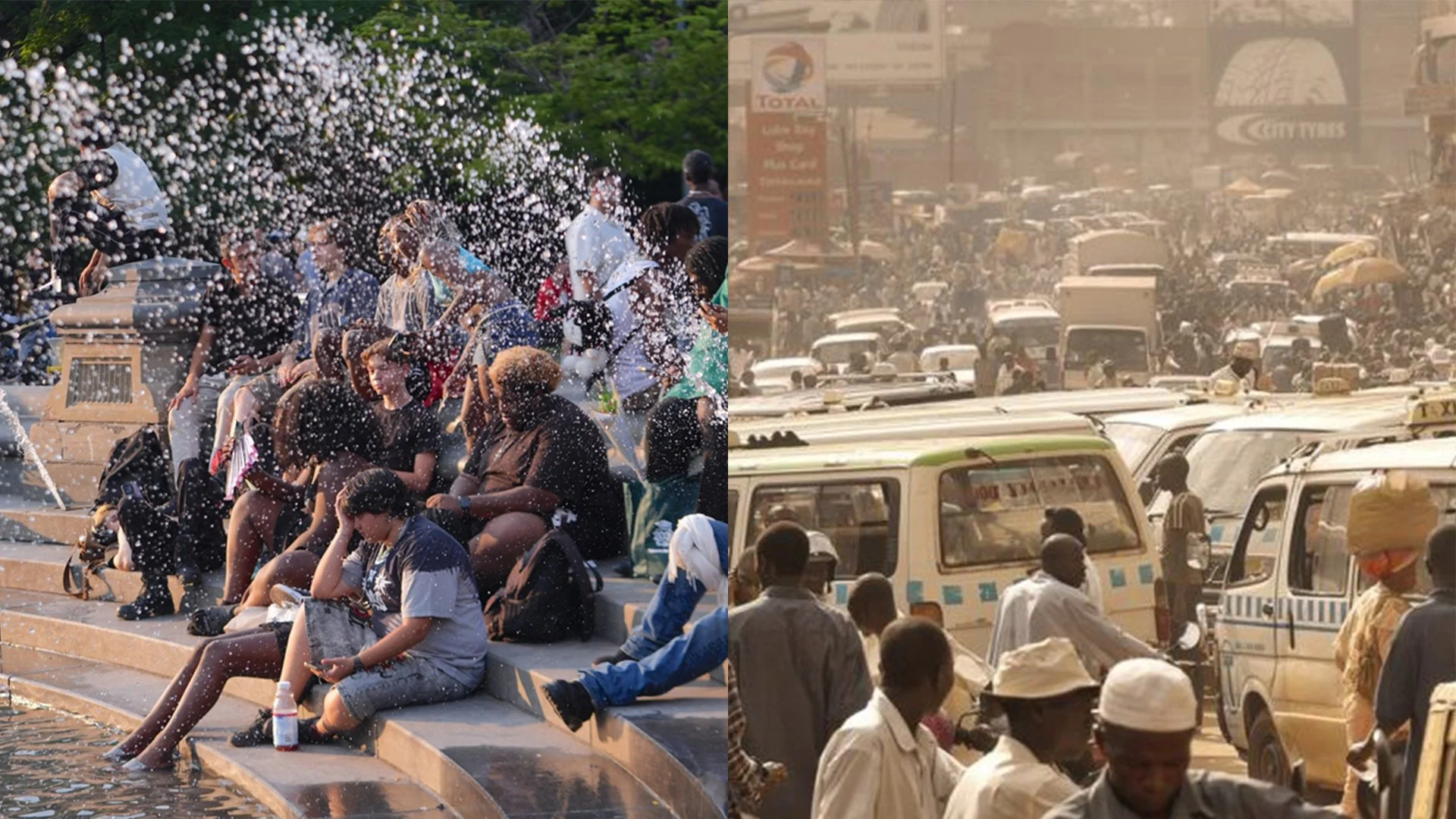
Heat waves have become a common phenomenon in most parts of the world as the climate crisis intensifies. | STOCK
For weeks now, Europe has been experiencing a summer season of record-breaking heat. Temperatures have soared above 40°C in several countries, including Italy, Spain, France, Portugal, Germany, Poland and Turkey.
During this historic and record-breaking heatwave, more than 410 million people endured temperatures of 35°C and hotter, as France, Germany, the UK, and the Netherlands shattered all-time national June records. In some French towns, local temperatures soared over 43°C.
Schools closed. Transport systems buckled. Hospitals came under severe pressure. And governments issued red alerts as millions struggled to cope with conditions once considered rare.
More than 1300 people died, according to the World Health Organisation Director-General, Tedros Ghebreyesus.
To climate experts, this European crisis points to a bigger global concern. For Africa, it raises a more urgent question:
If Europe, with its wealth, advanced infrastructure, and resources, is struggling to cope with extreme heat, what does that mean for Africa? Would the continent survive a full-scale heat wave?
WATCH: Imagine Nairobi at 45°C.
A regular crisis
Heatwaves have always existed. But their occurrence was rare. Not anymore. Their frequency, intensity, and duration have changed. Today, Europe is certain to experience a heat wave in any given year as Africa is to experience floods.
There’s a scientific reason for that.
Since pre-industrial times, Europe has warmed by approximately 2.4°C, making it the fastest-warming continent on Earth. Heatwaves that once occurred once every few decades are becoming regular summer events.
In 2019, France recorded a historic 46°C temperature, with Southern Europe now regularly approaching the 49°C threshold.
The consequences have been staggering and devastating. During the European heatwave of 2003, more than 70,000 people died. Another crushing heat wave in 2022 claimed 61,000 lives.
These events are no longer statistical anomalies. Scientists increasingly describe them as the new normal as the planet continues to warm up.
Africa’s Invisible Heat Emergency
While Europe’s heatwaves dominate international headlines, Africa’s extreme heat events often receive far less attention. The reality is that Africa is not waiting for a future heat crisis. It is already experiencing one.
Scientists have also found that over the past 45 years, Africa has experienced significant increases in heatwave frequency, duration, and intensity, particularly in Southern, Eastern, and Northern Africa. The Southern African region now experiences some of the highest heatwave frequencies on the continent, while North Africa experiences some of the most intense and prolonged events.
Africa, too, has a heat crisis
Between 1950 and 2017, much of the continent experienced an increase in cumulative heat of approximately 50 percent per decade. Studies, including this one published in the journal ‘‘Environmental Research Letters’’, highlight the continent’s growing exposure to extreme heat risks.
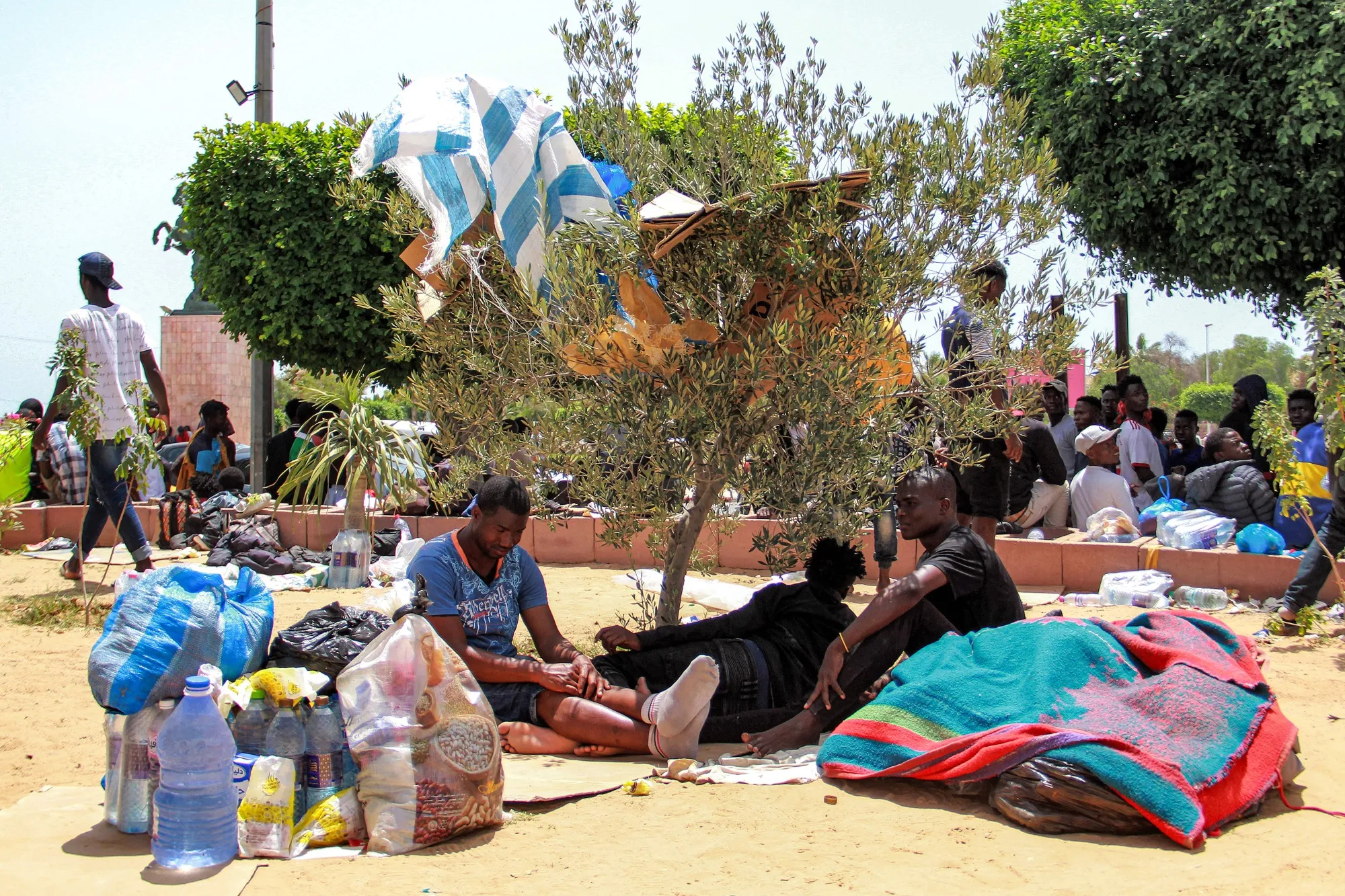
Africans take shade under trees during hot weather. | STOCK
Reporting Gap
Meanwhile, researchers at the University of Oxford warn that extreme heat events across sub-Saharan Africa are often missing from international disaster databases, despite causing serious impacts on health, livelihoods, and local economies.
According to the researchers, this reporting gap is driven by a combination of limited meteorological monitoring, weak disaster reporting systems, insufficient institutional resources, and the fact that heat-related deaths and illnesses are often difficult to attribute directly to heat. As a result, many heatwaves go undocumented.
When people think about heatwaves, they often think about discomfort. The reality is far more serious and widespread. Extreme heat affects virtually every sector of society and economy, namely:
Food Security. Agriculture is the backbone of many African economies. Higher temperatures reduce crop yields, increase water stress, damage livestock productivity, and worsen drought conditions. For smallholder farmers, a prolonged heatwave can mean the difference between a successful harvest and financial ruin. For consumers, it often translates into higher food prices and increased food insecurity.
Public Health. Extreme heat is one of the deadliest climate hazards globally. Heat exhaustion, heatstroke, dehydration, cardiovascular stress, and respiratory illnesses all increase during prolonged heat events. The most vulnerable populations, including children, older people, outdoor workers, and people living in informal settlements, often bear the greatest burden.
Many African health systems are already under strain. Rising temperatures would add yet another layer of pressure.
Cities Under Stress. Africa is urbanising faster than any other region in the world. Many of its cities were, however, not designed for a hotter climate. Concrete surfaces absorb and retain heat. Limited green spaces reduce natural cooling. Informal settlements often lack adequate ventilation, electricity, and access to cooling solutions. As temperatures rise, urban heat islands will make many cities significantly hotter, and therefore unlivable, than surrounding rural areas.
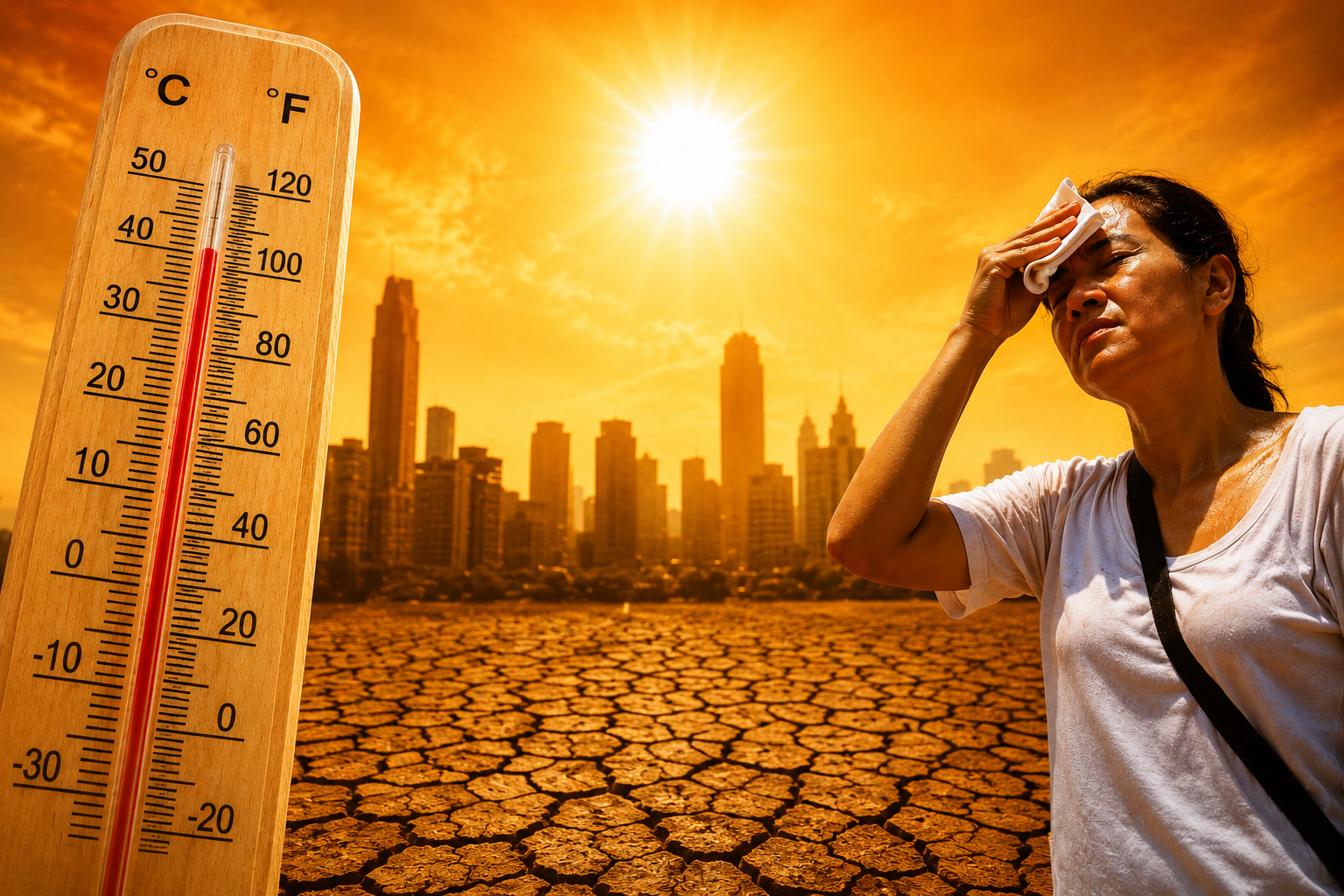
Global average temperatures have been rising as the climate crisis escalates. | STOCK
“Housing should go beyond providing a roof over people’s heads. It must include essential features and facilities that make a city truly livable. ”
Economic Productivity. Extreme heat directly affects economic performance. Construction workers, agricultural labourers, transport operators, and informal workers often experience reduced productivity during heatwaves.
According to the International Labour Organisation (ILO), approximately 2.4 billion workers globally are exposed to excessive heat at work every year. Africa is among the most affected regions, with 92.9 percent of the workforce exposed to excessive heat and accounting for the highest share of occupational injuries linked to heat stress worldwide.
During heat waves, businesses face higher cooling costs, infrastructure deteriorates faster, and power systems face increasing demand.
The economic consequences are measured not only in lost lives but also in opportunities lost and infrastructure damaged. Recent heat waves in Europe disrupted rail services in Germany, France, and Belgium as extreme temperatures damaged tracks and overhead power lines, demonstrating the vulnerability of critical infrastructure to rising heat.
Climate Justice
For more than two centuries, industrial growth in Europe and other developed economies was powered largely by coal, oil, and gas. Those emissions accumulated in the atmosphere and continue to drive global warming today. Yet many African countries, despite contributing far less to historical emissions, face some of the most severe climate risks.
So, if countries with advanced economies are struggling to adapt to a hotter world, how can nations with fewer resources shoulder this burden? More importantly, how can they do this without the means to implement adaptation actions?
The answer lies in climate finance. Funding for climate adaptation and investments in resilience cannot remain promises on paper. This support must be provided to help build the adaptive capacity of climate-vulnerable countries and communities. Climate justice and the provision of this support must be the front and centre of global climate negotiations.
In 2025, extreme climate events affected over 13 million people in Africa and caused more than 3,000 deaths. The future of the continent cannot be built around reacting to heatwaves and other extreme weather events after they occur. Africa must invest in building its long-term resilience.
What resilience looks like
That means expanding heat early-warning systems. Findings of a new report by the World Meteorological Organisation reveal that less than 40 percent of African countries have operational Multi-Hazard Early Warning Systems (MHEWS). The continent, however, supports the UN-backed Early Warnings for All initiative to protect its vulnerable populations.
Strengthening public health preparedness
Extreme heat is a growing public health threat that requires proactive planning. Governments must strengthen health systems by training healthcare workers to identify and treat heat-related illnesses, improving emergency response mechanisms, and establishing heat action plans.
Public awareness campaigns and early warning systems can also help communities prepare for dangerous temperature spikes and reduce preventable deaths.
Designing cooler, greener cities
As Africa’s urban population continues to grow, cities must be designed to withstand rising temperatures. Expanding green spaces, planting more trees, protecting urban wetlands, and promoting climate-responsive building designs can help reduce the urban heat island effect. Investing in cooler and greener cities will not only improve public health but also make urban areas more livable and resilient.
“African cities of the future should not only be able to accommodate the burgeoning population but also provide adequate sanitation, social amenities, climate-proofed infrastructure and seamless mobility.
”
READ: Building African Cities of the Future
Protecting workers from dangerous temperatures
Millions of Africans work outdoors in sectors such as agriculture, construction, transport, and informal trade, making them especially vulnerable to extreme heat. Governments and employers should implement heat protection measures, including access to clean drinking water, shaded rest areas, flexible working hours, and occupational safety standards that recognize heat stress as a serious workplace risk.
Investing in climate-smart agriculture
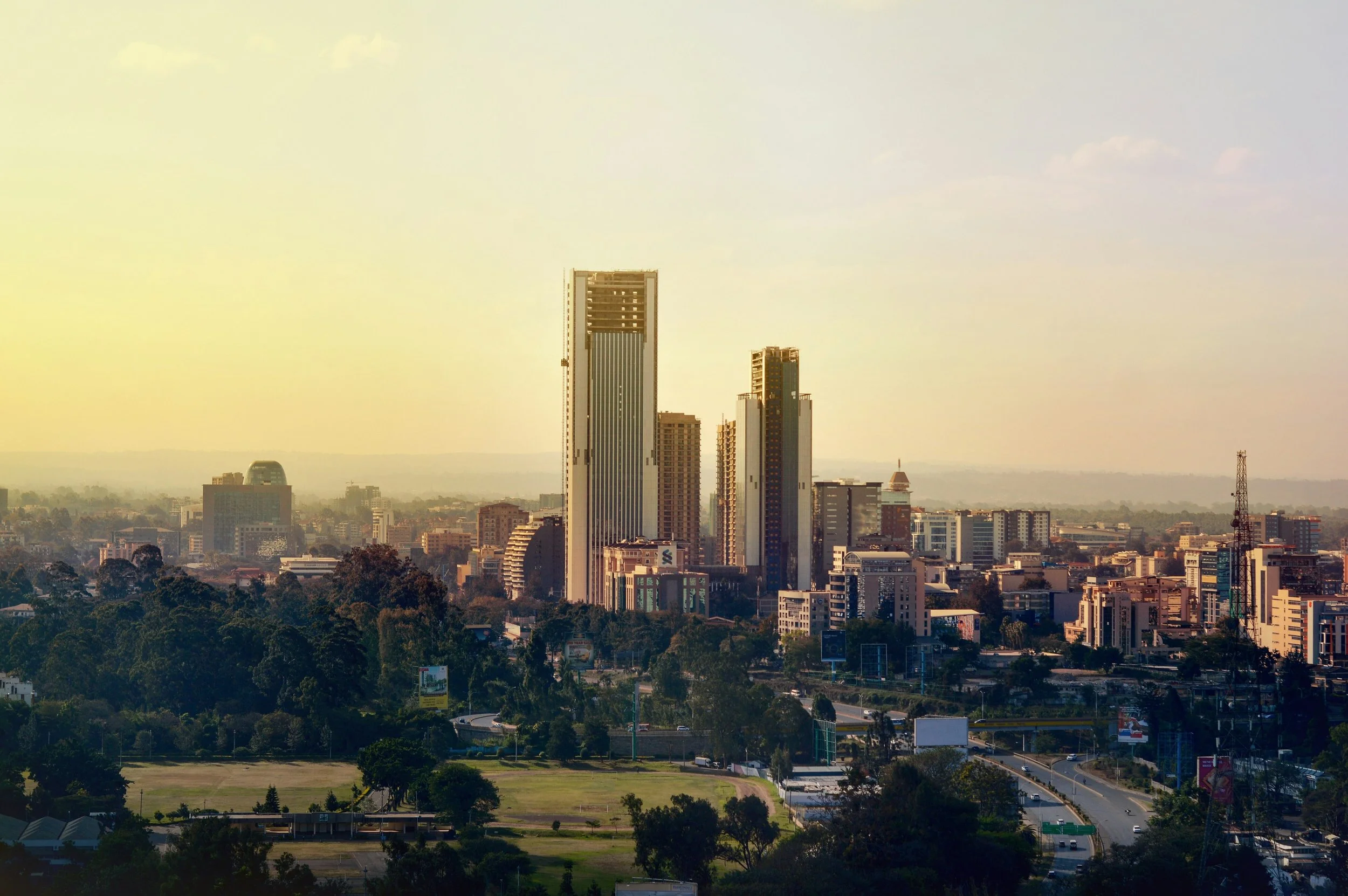
Greener cities are more resilient to climate impacts. | STOCK
Agriculture remains the backbone of many African economies, yet it is highly vulnerable to rising temperatures and changing weather patterns. Investing in drought-resistant crops, improved irrigation systems, climate-resilient farming practices, and better weather information services can help farmers adapt to increasing heat while protecting food security and rural livelihoods.
Improving water management systems
Rising temperatures increase evaporation rates and place additional pressure on already stressed water resources. Strengthening water storage infrastructure, improving irrigation efficiency, reducing water losses, and promoting sustainable water use will be critical to ensuring reliable access to water for households, agriculture, and industry in a warmer future.
Accelerating access to clean and affordable energy
Access to reliable and affordable energy is becoming increasingly important as temperatures rise and demand for cooling grows. Expanding renewable energy solutions such as solar and wind power can help meet growing energy needs while reducing greenhouse gas emissions responsible for triggering heat waves. Clean energy investments can also improve resilience, create jobs, and support sustainable economic development across the continent.
Adaptation is no longer optional
It is essential. The reality of a warming world means adaptation can no longer be treated as a future priority. Every investment made today in resilience, preparedness, and climate-smart development can reduce future losses and protect lives and livelihoods. From stronger health systems and resilient infrastructure to sustainable agriculture and clean energy, adaptation is now a necessity for Africa’s long-term prosperity and security.
“Recent climate disasters in African cities point to the urgency that the continent must plan its urban settlements better.
”
The European heatwave offers a glimpse into the realities of a warming planet. For Africa, the lesson couldn’t be clearer. Extreme heat is no longer a future threat but a present challenge. If some of the world’s richest countries are struggling to cope, Africa cannot afford to wait. The time to prepare for a hotter future is now.
Africans must adapt to live.