Women in the Climate Crisis: My Childbirth Experience at a Displacement Camp
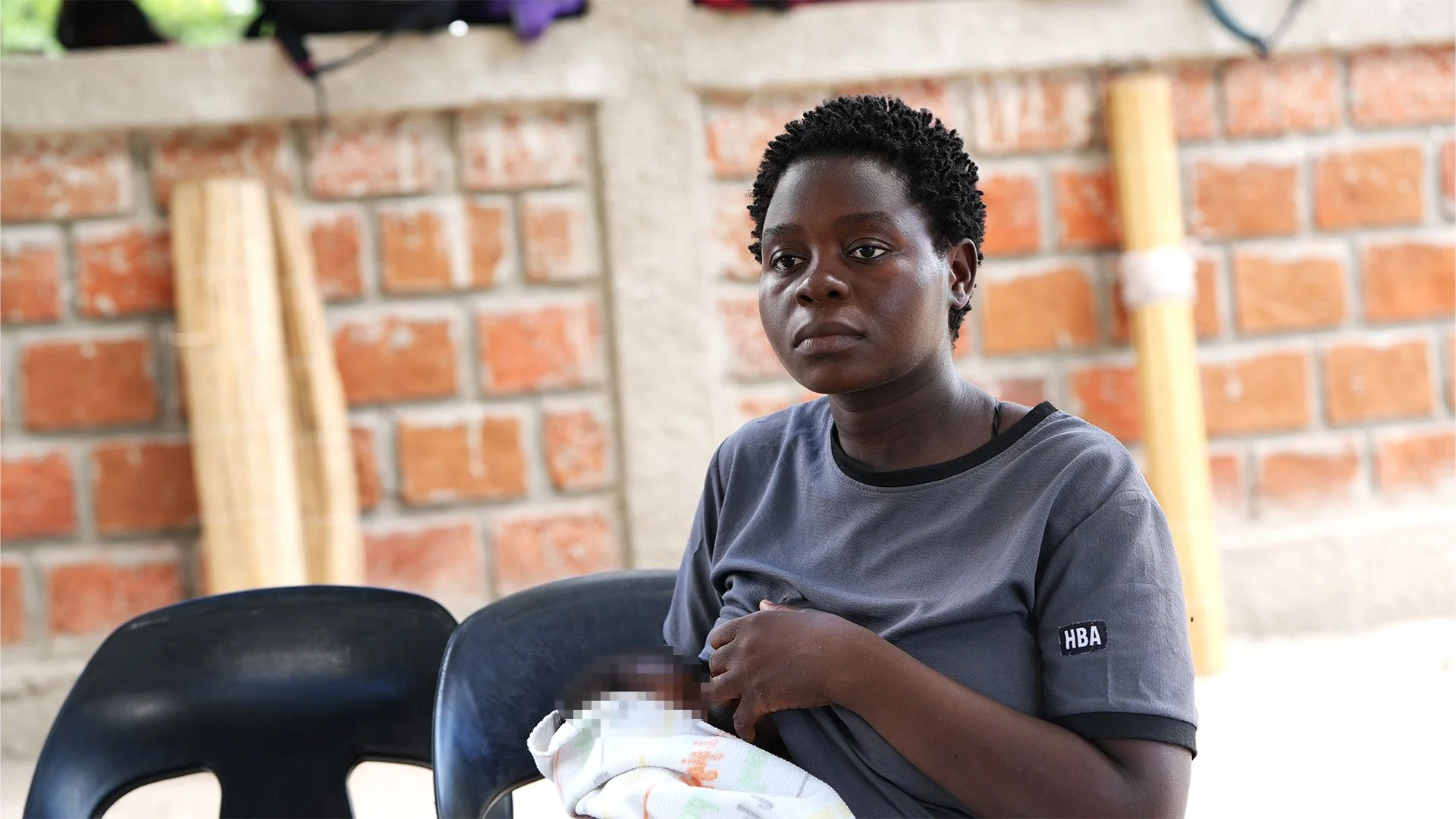
Estefânia Tomaz Julião nursing her baby outside her temporary shelter in Chaquelane, Mozambique, following the recent floods. | PSA
Estefânia spreads a thin sheet on the stiff concrete floor and lays her newborn son carefully next to his sister. There are neither blankets nor covers to tuck them into. As she gently positions herself next to her children, her two-week-old son purrs, the movement having interrupted his asleep. Estefânia turns off her small flashlight, resigning herself to her present destitute fate.
Next to them in this small church in the middle of a maize field in Chaquelane in Northern Mozambique, a group of women and their children huddle together, trying to generate elusive warmth amid the vexing buzz of mosquitoes. The night outside has fallen into a shrill, unnerving quietness. It’s the end of another exhausting day at this camp.
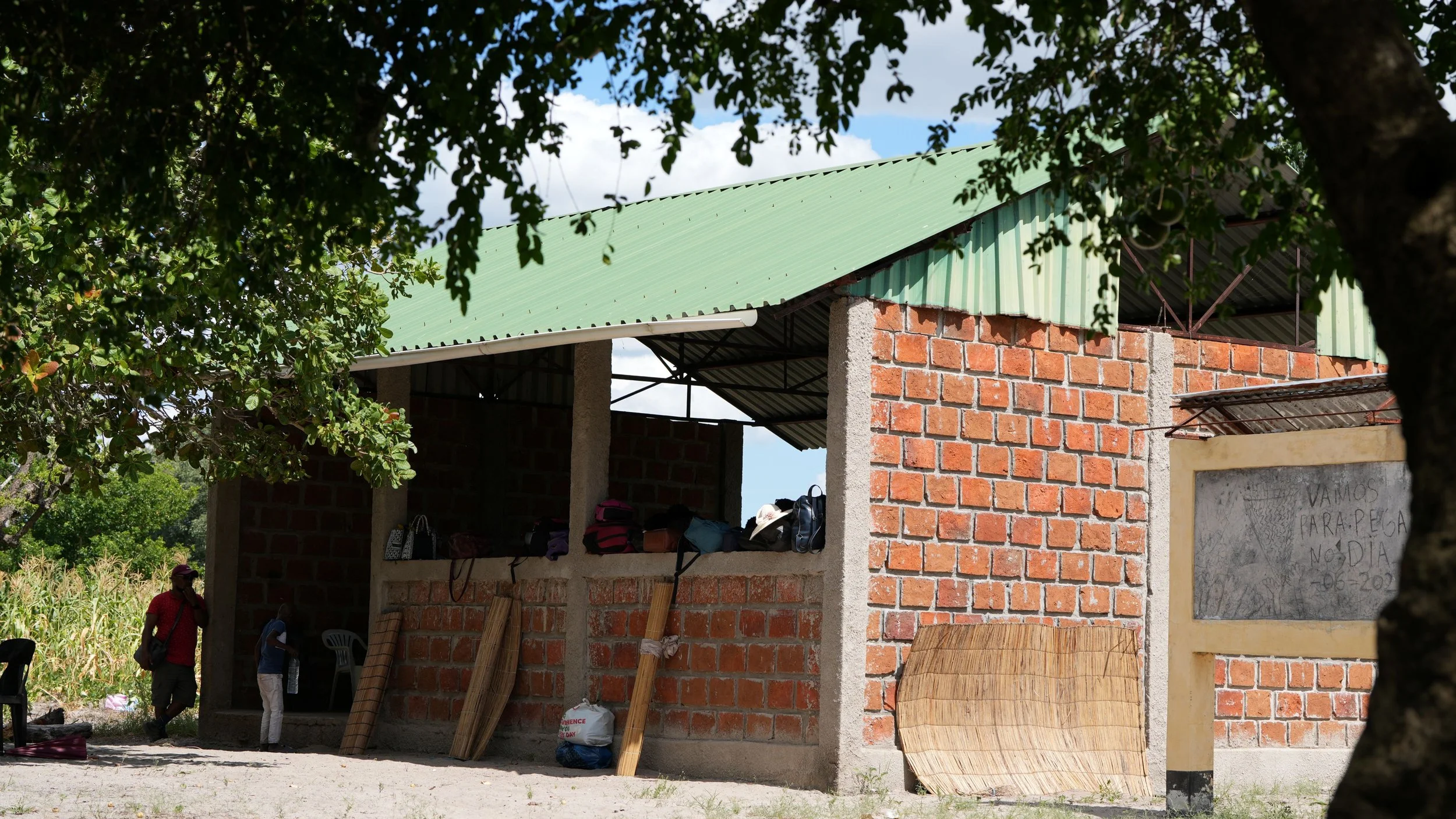
The small church in Chaquelane, Mozambique where Estefânia sheltered during the floods. | POWER SHIFT AFRICA
Chaos every which way
A few kilometres from here, chaos reigns. There are washed-up farmlands, submerged homes, wrecked roads and bridges, and an unending sea of floodwaters whichever way you look. The expanse of this small town in Gaza Province is defaced with debris, helplessness, and grief, the aftermath of the recent flood disaster that killed 150 people and displaced nearly 1 million others. Estefânia is one of these internally displaced people (IDPs).
For the young mother, living in a temporary shelter away from home was the last thing on her mind when the year started. With her baby three weeks away, the family was carrying over the festivities into the new year. Then one night, tragedy struck.
Heavy rain had been pounding the country since December. Floods were raging. By mid-January, the government ordered the evacuation of villages. Her two-year-old daughter in tow, Estefânia and tens of other villagers were ferried to their temporary shelter in a truck.
She recounts: ‘‘I was heavily pregnant and traumatised when we arrived at the camp.’’
The camp, a local primary school, was crowded and chaotic. Here, dozens of families from different villages across the district shared a refuge away from their destroyed homes and livelihoods. Women, children, and the elderly.
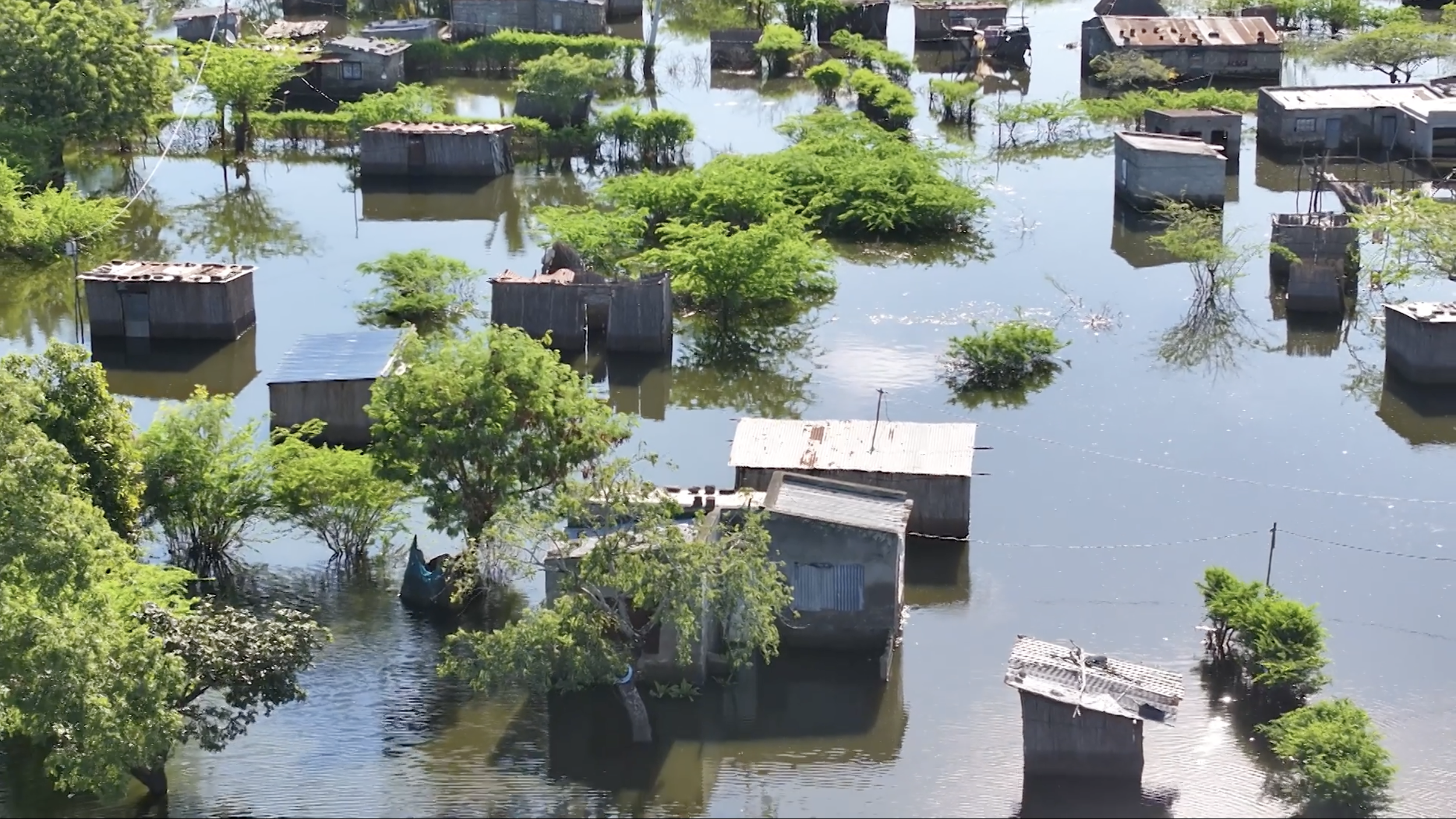
A flooded village in Gaza Province in Mozambique | POWER SHIFT AFRICA
‘‘My husband wanted us to leave the camp,’’ she recalls. Except there was nowhere else to shelter. ‘‘We had to stay at the camp until it was safe to return home.’’ But the rains weren’t showing signs of abating. Their home in Chokwe, 30 kilometres away, was still submerged in floodwaters. They, like everyone in this sprawling camp, lost nearly everything: crops, livestock, and businesses.
Ten days later, her baby arrived. For Estefânia, the joy of her newborn baby quickly turned into agonising battle for survival. For a woman who was comfortably fending for her family and living in her own home, the turn of fortunes was drastic as Estefânia became a beggar and refugee overnight. Her world had changed.
‘‘It isn’t the start I had in mind for the new year. It’s not how I wanted to bring my son to the world,’’ she says, her face contorting with nostalgia.
At the camp, she, like hundreds of other families, would queue for rations, her condition notwithstanding. The meals, mostly rice and white porridge, are part of the relief food from the government and the World Food Programme (WFP). Sometimes, the portions are too small for a lactating mother.
Nursing a newborn at a displacement camp
Nursing a newborn baby in a camp of nearly 2,000 other IDPs was distressing. The hygiene was poor, the food insufficient and the commotion of camp life unbearable for both baby and mother. Her husband found a small church in the neighbourhood and moved them there.
Walking two kilometres between the church and the camp became a daily routine. ‘‘I come here every day for food and to spend the day with other mothers. In the evening, I return to the church to rest.’’
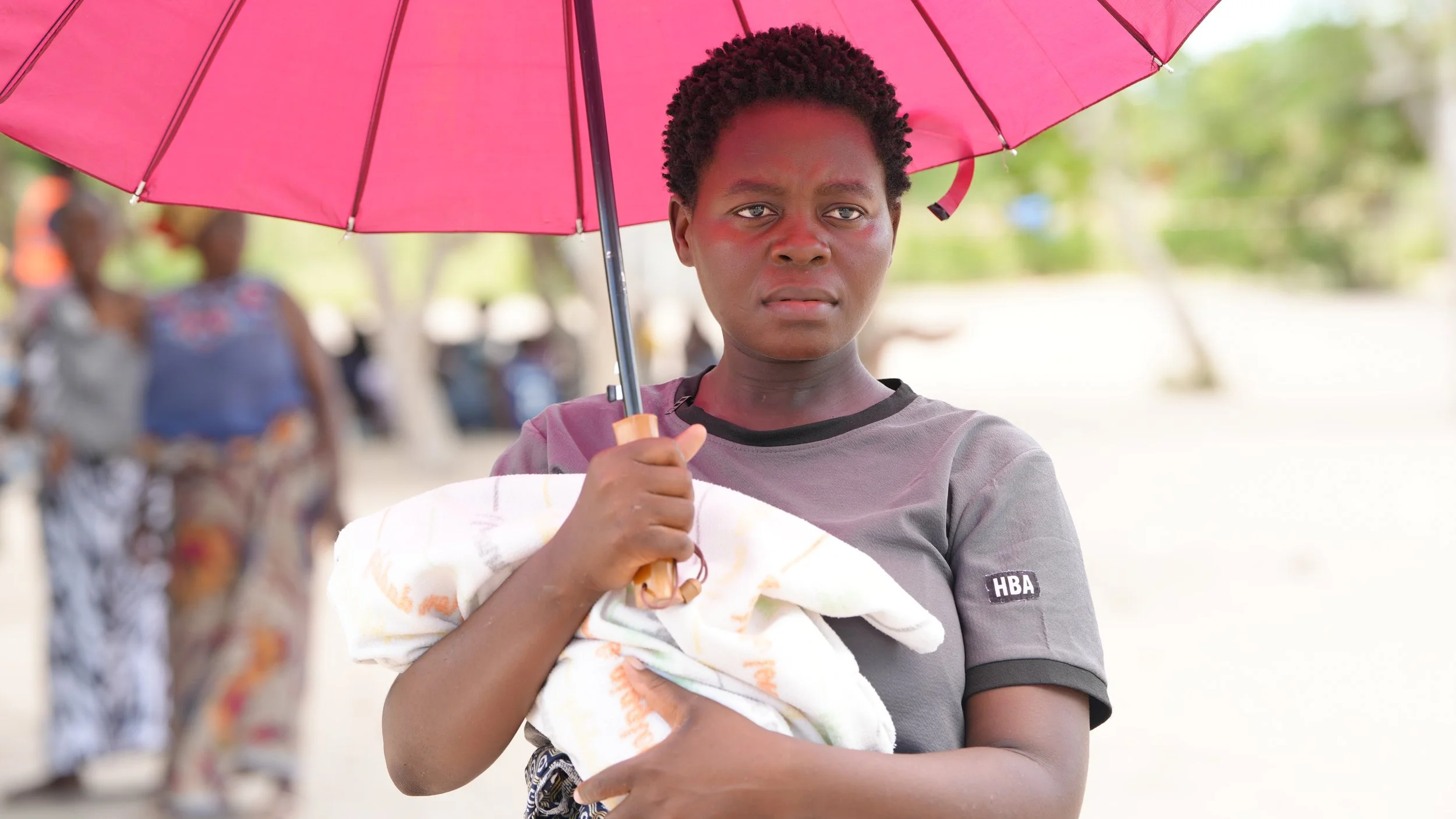
Estefânia Tomaz Julião at the IDPs camp in Chaquelane in Mozambique.
Estefânia represents millions of African women who find themselves caught in the crosshairs of a climate crisis they did nothing to cause. But when nature erupts in cyclones, drought or floods, they suffer the harshest consequences.
Women’s vulnerability to climate impacts
There are about 33 million women smallholder farmers in Sub-Saharan Africa. These form the bulk of Africa’s agricultural workforce, from which they draw a livelihood while ensuring the continent is food secure. When extreme weather events destroy croplands, their means of survival is lost. When their homes are swept away, they become refugees in their own country. The cycle doesn’t change. It only gets worse.
UN Women warns that by 2030, climate change will disproportionately impact women and girls, worsening gender inequalities, poverty, food insecurity, and health risks. By enduring childbirth while fleeing a flooded home, these experiences are not an impending threat but a current reality for Estefânia.
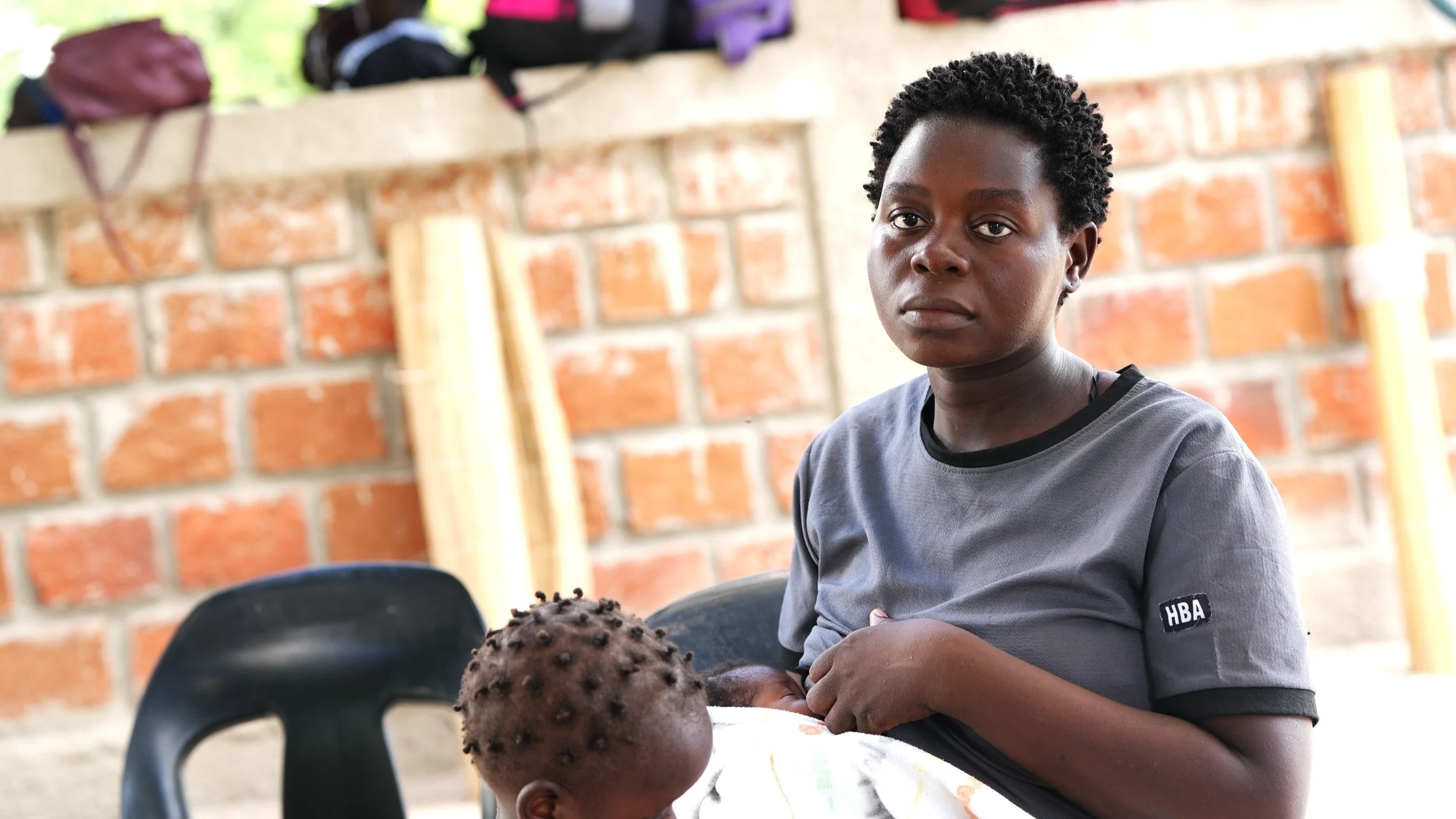
Estefânia Tomaz Julião nursing her baby outside her temporary shelter in Chaquelane in Mozambique | POWER SHIFT AFRICA
For this stranded mother, imagining life after the floods – however uncertain that future maybe – is a distant concern. For her, the safety of her baby and toddler and her own wellbeing are her immediate worry.
This year’s International Women’s Day (IWD 2026) called for action to dismantle the structural barriers to equal justice. For Estefânia and millions of African women on the climate frontline, delayed climate justice means prolonged suffering. It means loss of a home, livelihood and future.