That sinking feeling: Why Mozambique is one of the world’s most climate-vulnerable nations
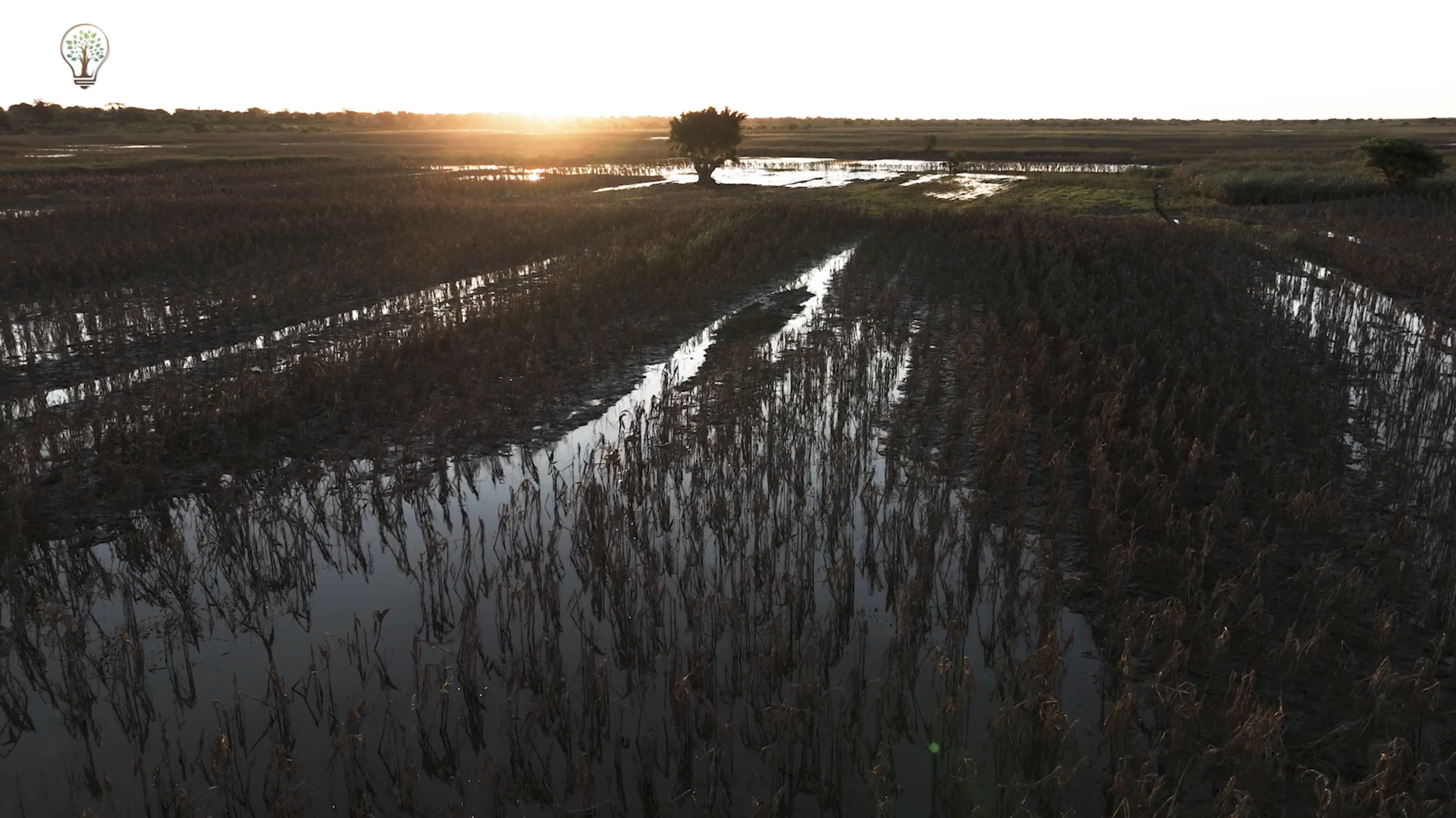
For millions of Mozambicans, survival depends heavily on the unpredictable rhythms of nature. In a country where agriculture, fisheries and informal livelihoods dominate the economy, rainfall patterns and river levels are not abstract meteorological indicators, but forces that determine whether families will harvest crops, rebuild homes or flee rising waters.
Mozambique, a nation of roughly 30 million people stretching along the southwestern edge of the Indian Ocean, sits at the intersection of several environmental and socioeconomic fault lines. Its geography is defined by an extensive coastline and a dense network of rivers, including the Limpopo, Zambezi, Save and Incomati, that descend from inland southern Africa before draining into the ocean. These natural systems historically sustained fertile floodplains and coastal fisheries, yet they also expose the country to some of the most destructive climate hazards in the region.
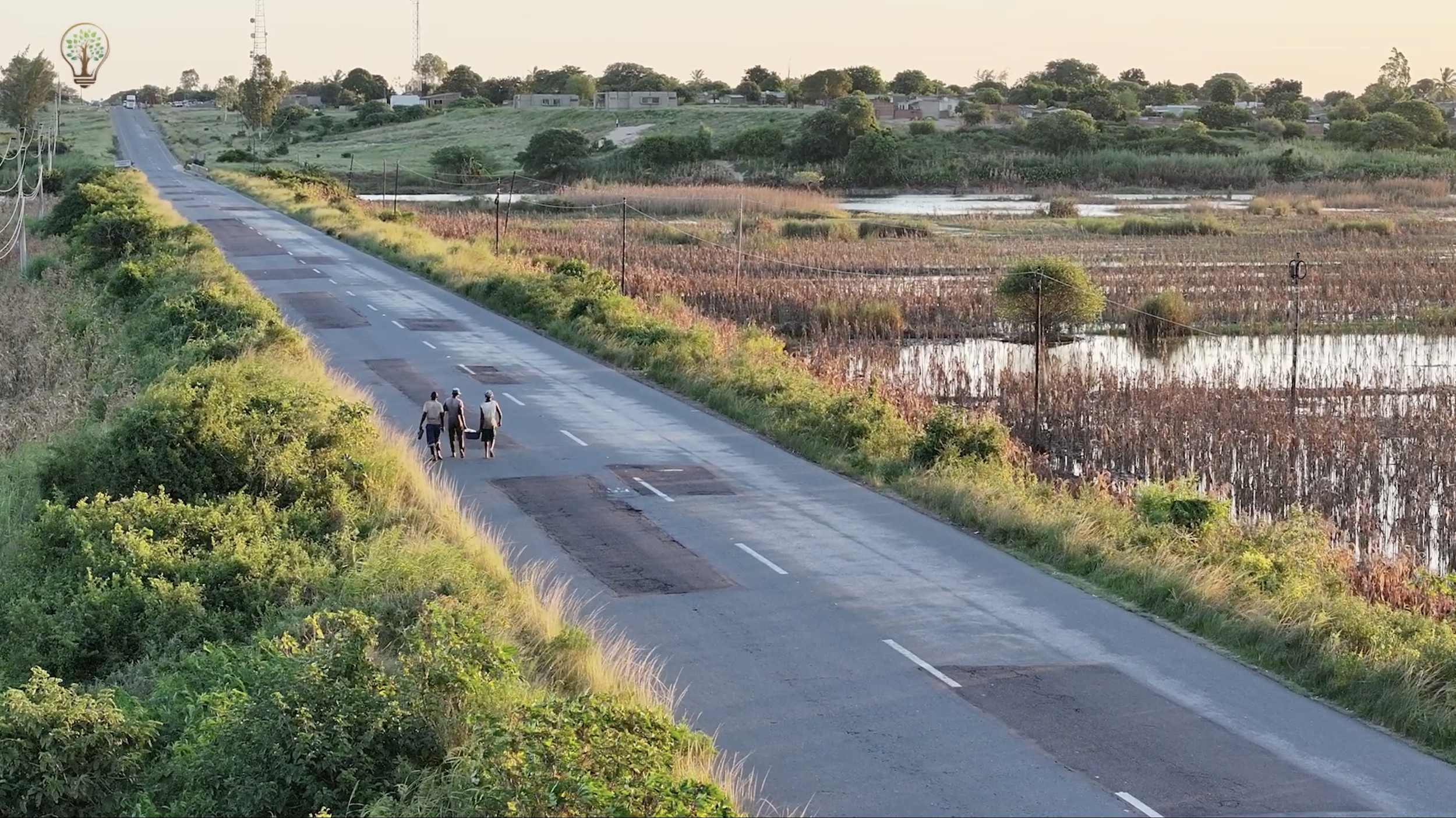
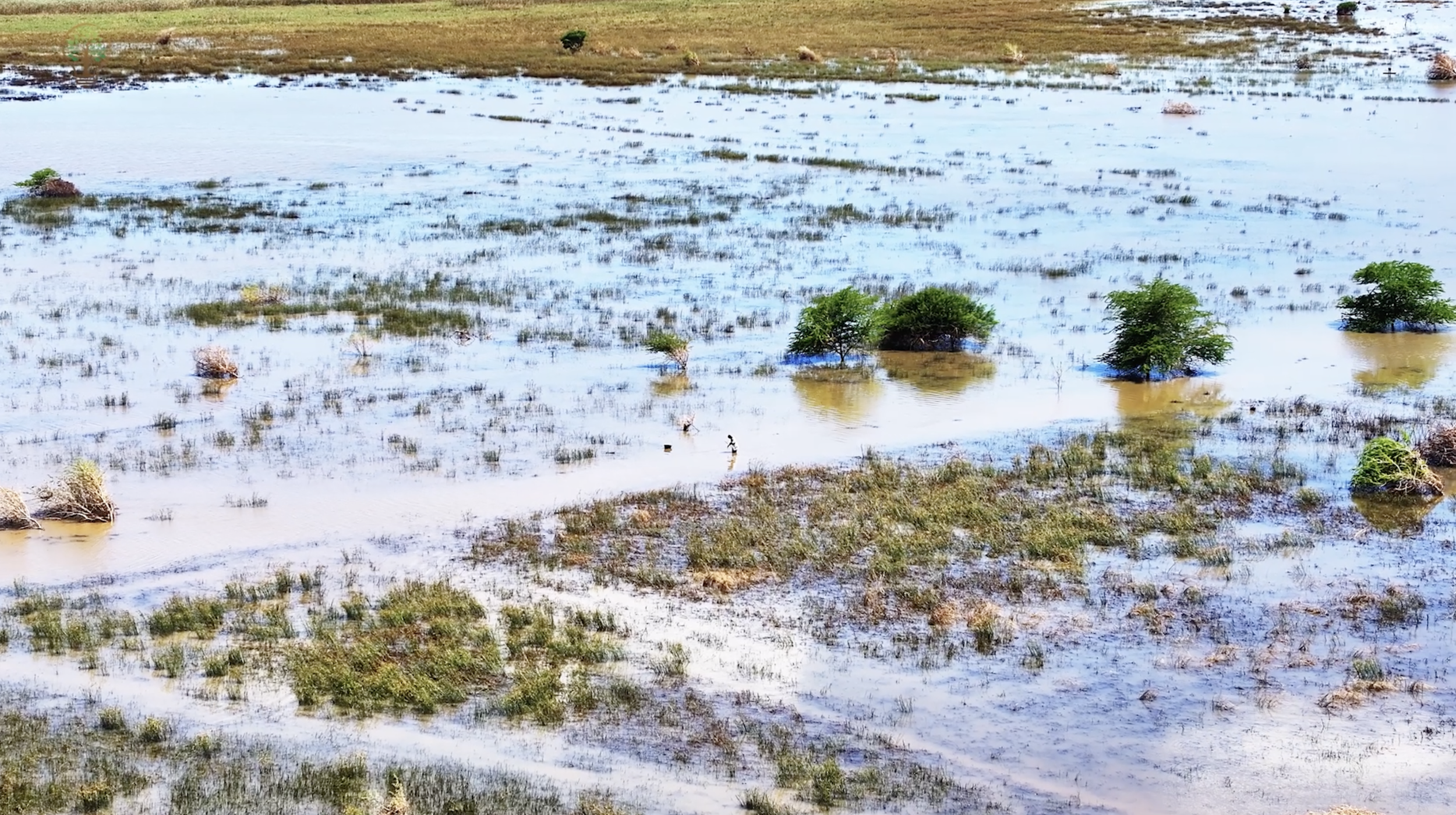
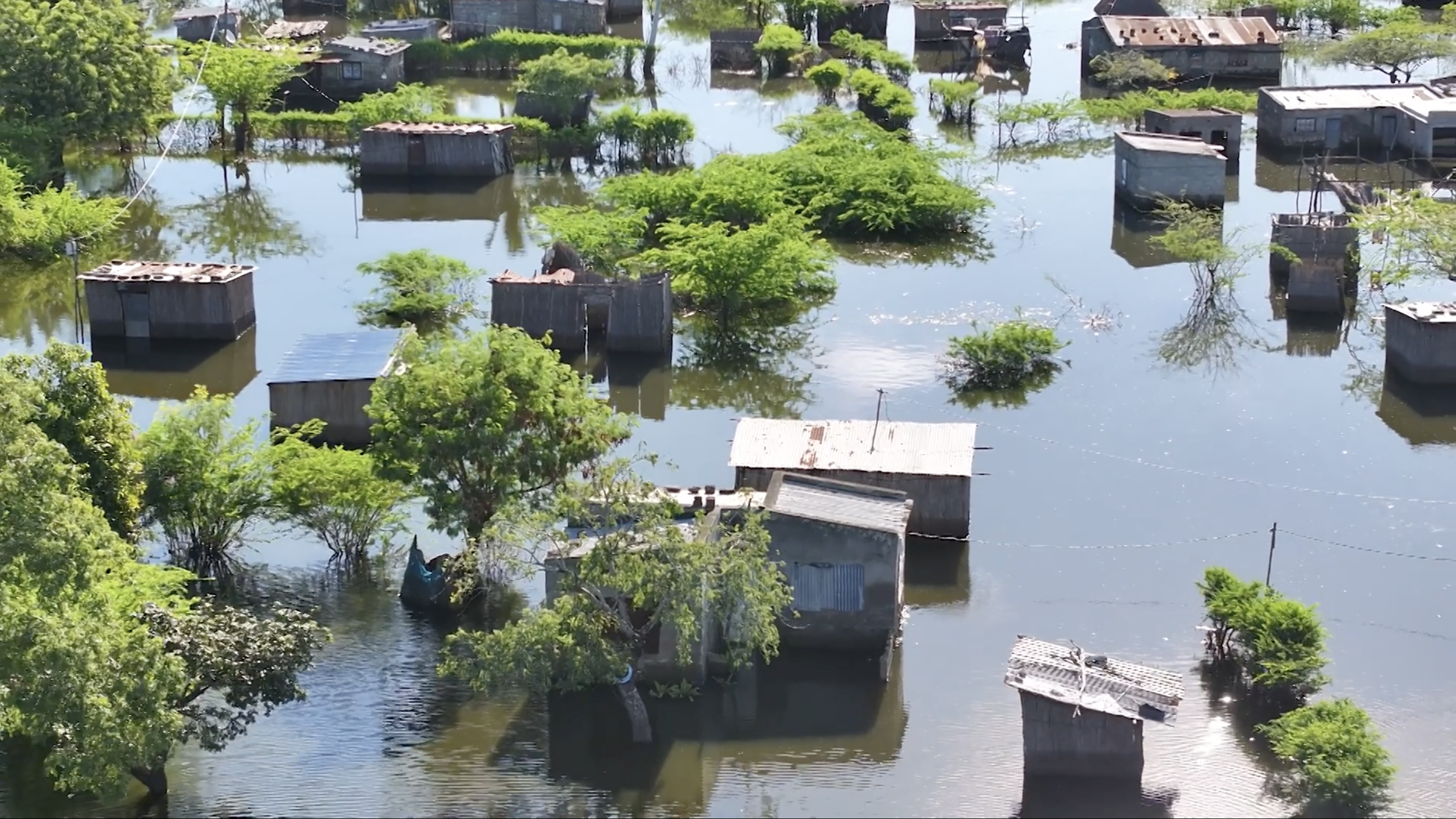
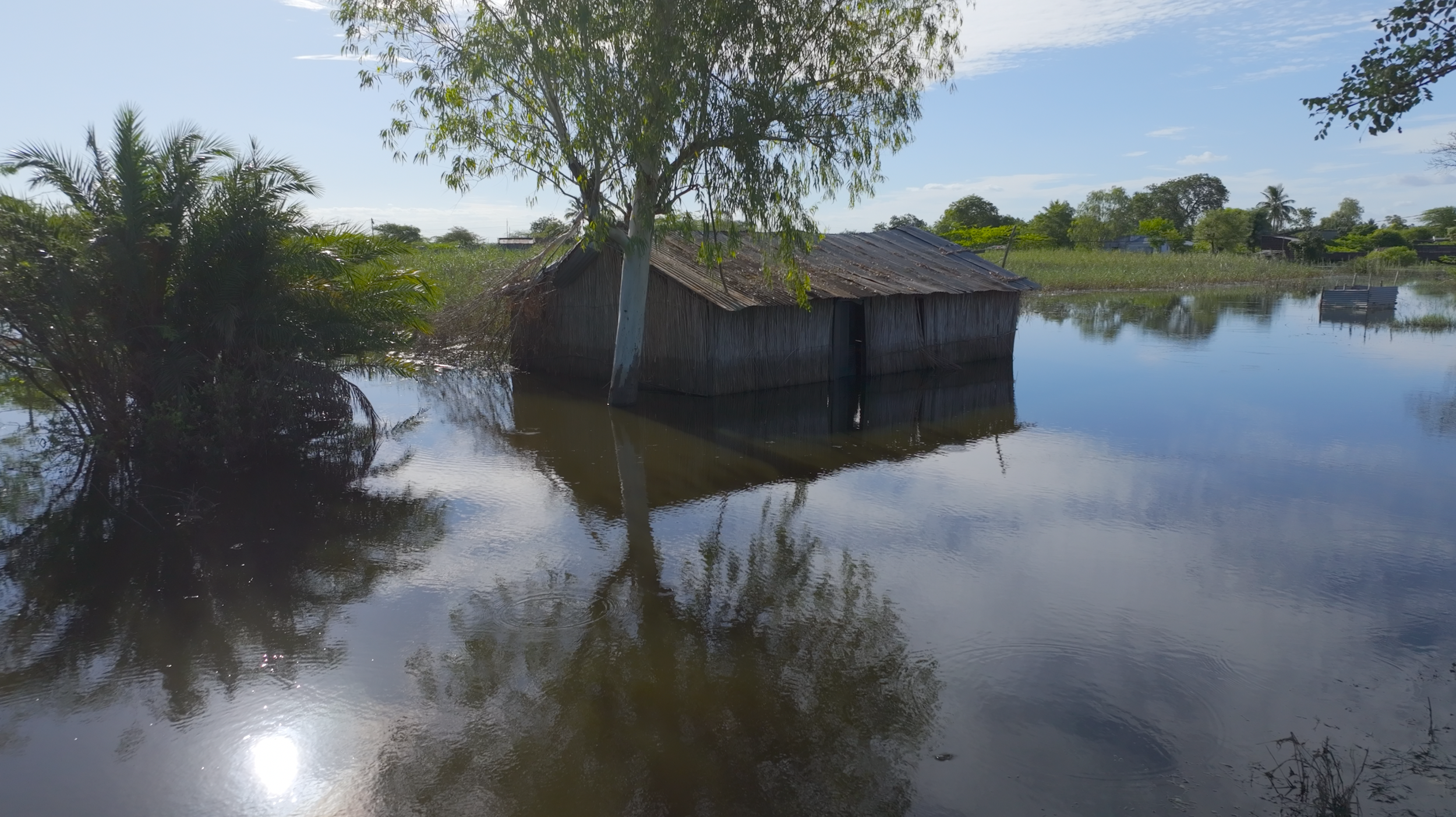
In recent years those hazards have intensified dramatically. Severe floods, such as the one that recently displaced nearly one million people along the Limpopo basin, alternate with prolonged droughts that devastate rain-fed agriculture. Cyclones regularly sweep in from the Indian Ocean with increasing intensity, destroying homes, infrastructure and crops.
According to international climate risk assessments, Mozambique ranks among the most climate-vulnerable countries in the world, and understanding this vulnerability requires looking beyond the storms to the deeper geographic, economic and political dynamics shaping the country.
Mozambique ranks among the most climate vulnerable countries in the world.
Geography: Caught between the ocean and the rivers
Mozambique’s geography alone would present formidable challenges even for a wealthy nation. Its coastline stretches for more than 2,400 kilometres along the Indian Ocean, one of the longest shorelines in Africa. This vast coastal exposure places the country directly in the path of tropical cyclones that form in the southwest Indian Ocean and move westward toward the African mainland.
More than 60 percent of Mozambique’s population lives in low-lying coastal areas or river valleys, including the southern provinces of Maputo and Gaza, the central provinces of Sofala and Zambezia, and the northern provinces of Nampula and Cabo Delgado.
These densely populated zones are also among the country’s most economically important regions, hosting major ports, agricultural hubs and urban centres.
Such geography makes Mozambique exceptionally vulnerable to storm surges, coastal flooding and sea-level rise. Cyclones that make landfall here often trigger a cascading sequence of disasters as powerful winds destroy homes, heavy rainfall causes rivers to overflow, and saturated soils trigger landslides or prolonged flooding.
The cyclone season typically runs from November to April, and during these months Mozambique experiences some of the most destructive weather systems in the Southern Hemisphere. Cyclone Freddy in February and March 2023 illustrated the scale of the threat. It became the longest-lasting tropical cyclone ever recorded globally and generated the second-highest accumulated cyclone energy measured in the Southern Hemisphere. Across Mozambique the storm killed more than 600 people and left over one million residents in need of humanitarian assistance.
Freddy joined a growing list of devastating storms that have battered the country in recent decades, including Cyclones Idai, Kenneth, Eline and Huddah. Cyclone Idai in 2019 remains one of the worst natural disasters in southern African history, killing more than 1,000 people across the region and destroying much of the port city of Beira.
Yet the ocean is only one part of Mozambique’s environmental vulnerability. The country also lies at the downstream end of several major transboundary river systems whose headwaters originate in neighbouring states such as South Africa, Zimbabwe, Botswana and Zambia. Rivers including the Limpopo, Crocodile and Sabie carry enormous volumes of water across these borders before emptying into Mozambique’s coastal plains.
When heavy rainfall occurs upstream, the effects are quickly felt downstream. Intense storms over South Africa’s interior or in areas such as the Kruger National Park cause river levels to rise dramatically as water flows toward Mozambique’s low-lying floodplains. By the time those surges reach Mozambican territory, communities often have little time or capacity to respond.
This hydrological interconnectedness means Mozambique’s climate risks are partly determined by weather systems far beyond its borders, complicating disaster management and pointing us to the importance of regional cooperation in river monitoring and early warning systems.
Socioeconomic vulnerability: Poverty and climate exposure
Geography alone does not explain Mozambique’s vulnerability. The country’s socioeconomic conditions significantly magnify the impact of climate shocks as it remains one of the poorest nations in the world.
According to the United Nations Development Programme’s Human Development Index, it ranks among the lowest globally, reflecting persistent challenges in income levels, health outcomes and access to education.
Per capita income remains just above $700 annually, meaning that the average Mozambican household possesses very limited savings or financial buffers to withstand economic shocks.
When floods destroy crops or cyclones damage homes, most families lack the resources needed to rebuild quickly. Insurance systems are largely absent, and government safety nets remain limited due to fiscal constraints.
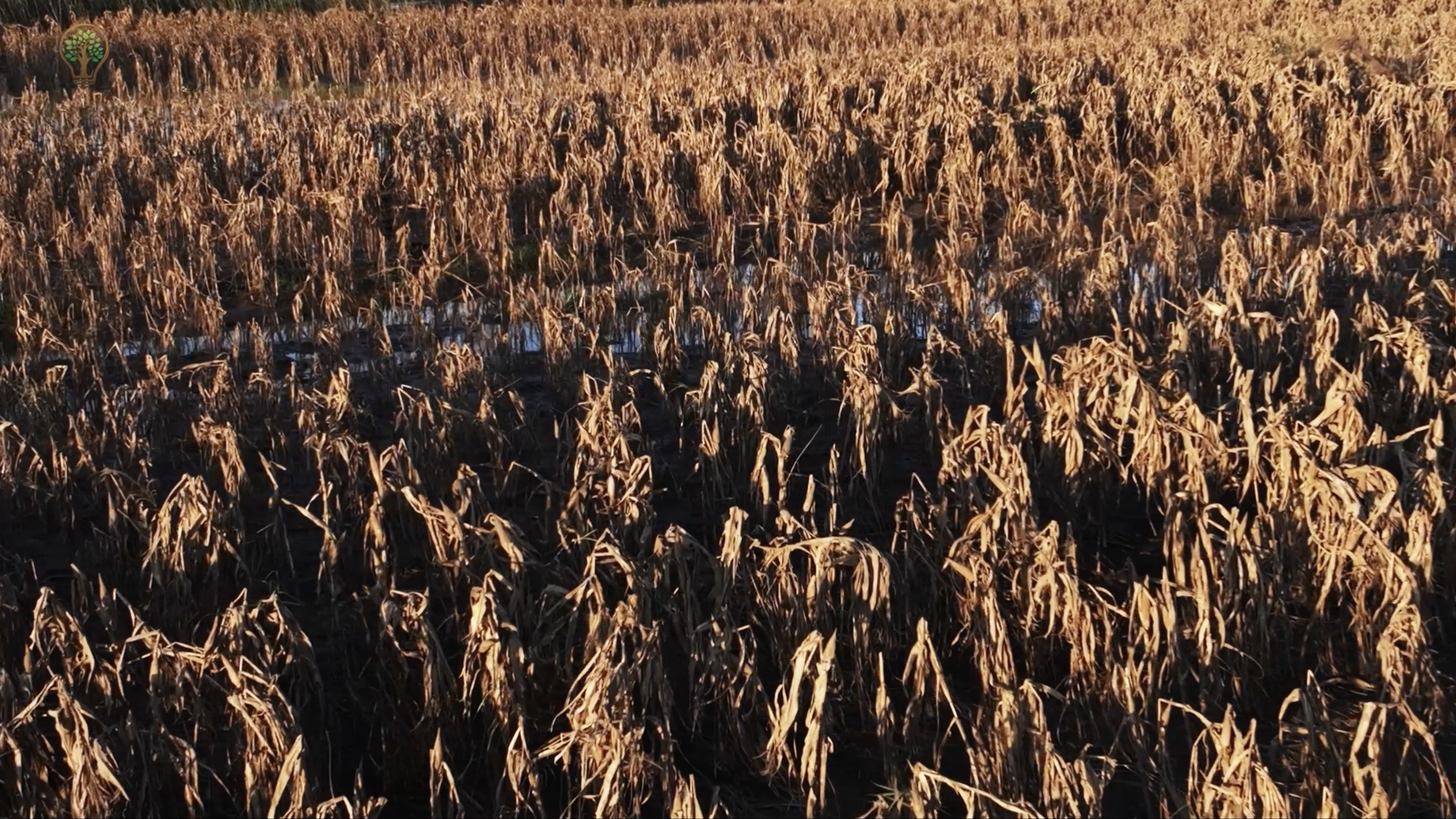
These vulnerabilities are particularly acute because the country’s economy depends heavily on climate-sensitive sectors. Agriculture employs more than 70 percent of Mozambique’s population, with most farmers relying on rain-fed cultivation rather than irrigated systems. Crops such as maize, cassava and rice depend on seasonal rainfall patterns that are increasingly disrupted by climate variability.
Fisheries also play a major role in rural livelihoods, supporting roughly half a million Mozambicans along the country’s long coastline and river systems. While these sectors provide employment for millions, they are inherently exposed to extreme weather events that can wipe out crops, destroy fishing infrastructure or disrupt supply chains overnight.
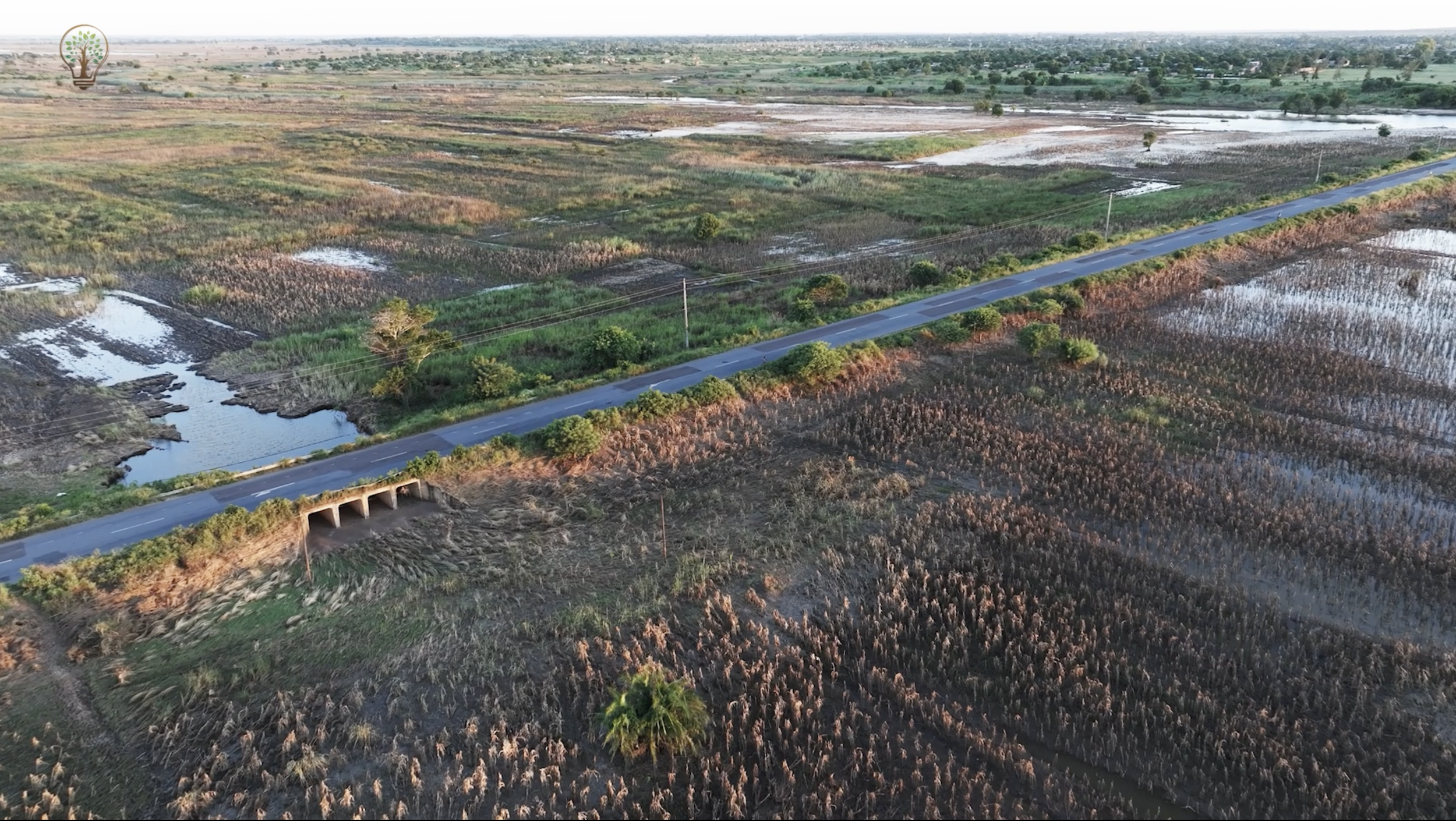
Infrastructure limitations further compound these risks. Mozambique’s main north-south highway, the National Road N1, stretches roughly 2,500 kilometres and serves as the backbone of national transport. However, connectivity between east-west corridors remains limited, and many rural roads are unpaved and difficult to navigate even in normal conditions.
Flooding frequently washes away bridges, culverts and sections of road, isolating communities and disrupting the delivery of humanitarian aid.
During the recent floods alone, more than 1,500 kilometres of roads were reportedly damaged or destroyed, severely complicating relief operations.
Electricity access remains limited in many rural regions, while water and sanitation systems often lack the resilience required to withstand extreme weather. When disasters strike, the damage therefore extends far beyond individual households to affect entire networks of services.
Curse of the cities: Rapid urbanisation and exposure
Urbanisation presents another dimension of Mozambique’s vulnerability. Cities such as Beira, Maputo, Xai-Xai and Nampula have expanded rapidly in recent decades as people migrate from rural areas seeking economic opportunities. Yet much of this urban growth has occurred without comprehensive planning or adequate infrastructure investment.
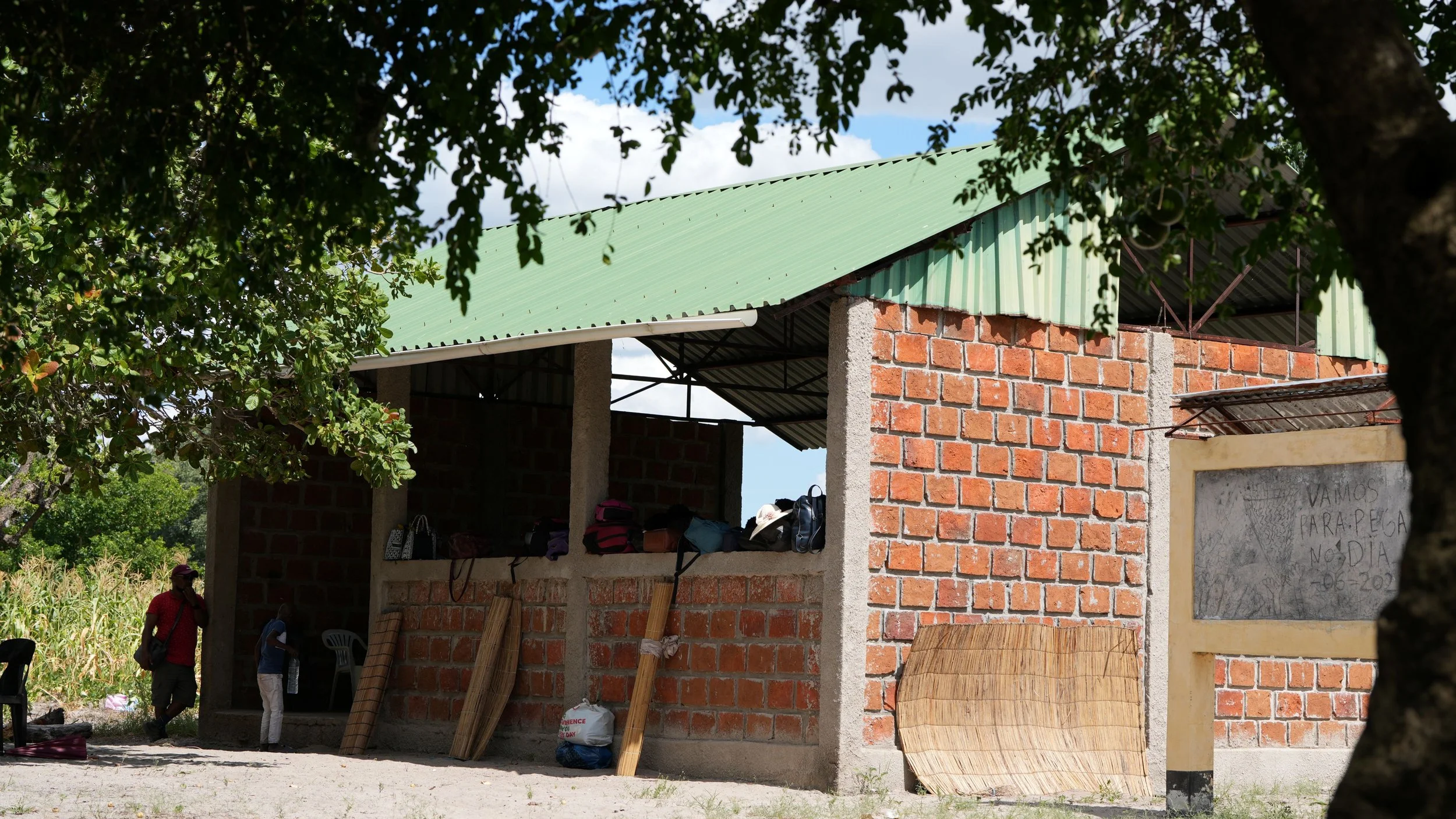
As a result, large numbers of residents live in informal settlements constructed in flood-prone areas or along riverbanks where land is cheaper but risks are significantly higher. Houses are often built from temporary materials that cannot withstand strong winds or prolonged flooding. When cyclones strike, these neighbourhoods suffer disproportionate damage.
Recognising the risks, Mozambican authorities have periodically attempted to relocate communities from low-lying areas to higher ground. Following the recent floods along the Limpopo River, one government official told Power Shift Africa that there were plans to clear settlements in vulnerable floodplains.
“Our people should not live close to the river,” said Abdul Issufo, the national commander of Mozambique’s fire service, while describing efforts to relocate residents from riparian zones.
Authorities also plan to improve drainage systems and clear river channels in order to reduce the impact of future floods.
However, relocation efforts often face social and economic challenges because many families rely on proximity to rivers for farming, fishing or trade.
Wars and tensions: Conflict is creating instability
Mozambique’s vulnerability to climate disasters is further complicated by conflict and political tensions that strain state capacity. Since 2017 the northern province of Cabo Delgado has been the epicentre of a violent insurgency linked to extremist groups. The conflict has displaced more than 1.3 million people, creating one of Africa’s largest internal displacement crises.
Although regional forces from Rwanda and the Southern African Development Community have assisted Mozambican troops in counterinsurgency operations, sporadic attacks continue to target villages, schools and health facilities. The violence has disrupted development programmes and complicated humanitarian operations in areas already vulnerable to climate shocks.
Political tensions have also intensified in recent years. Disputed elections in October 2024 triggered widespread protests after opposition parties accused the ruling party, FRELIMO, of electoral fraud. The government’s response included a heavy security crackdown that led to numerous casualties and further displacement.
Such instability diverts resources away from disaster preparedness and weakens governance structures needed to manage climate risks effectively.
Curse of oil: Natural resources and a “climate bomb”
Ironically, Mozambique also sits atop enormous reserves of natural gas that could potentially transform its economy. According to the Oil and Gas Journal, the country holds more than 100 trillion cubic feet of proven gas reserves, making it one of Africa’s largest holders of the resource.
Large-scale liquefied natural gas projects are under development in Cabo Delgado Province, attracting billions of dollars in international investment. However, the expansion of gas infrastructure has also generated controversy because it involves community displacement, environmental concerns and heightened security tensions.
Critics argue that the rapid development of fossil fuel projects in a country already highly vulnerable to climate change raises difficult questions about environmental sustainability and equitable development.
Aaaand… there, you have it
Taken together, these overlapping pressures of geographic exposure, widespread poverty, fragile infrastructure, conflict and rapid urbanisation create what development economists describe as a “compound risk environment.” In such settings a single climate event can trigger cascading crises that affect agriculture, infrastructure, public health and national finances simultaneously.
According to the African Development Bank, repeated climate disasters have forced Mozambique into a cycle of reconstruction that places enormous strain on government budgets. Each cyclone or flood requires emergency spending to repair roads, rebuild homes and provide humanitarian support to affected communities.
Those expenditures limit the government’s fiscal space for long-term investments in climate adaptation, infrastructure resilience and economic diversification. The result is a structural vulnerability in which the country is repeatedly forced to rebuild after each disaster rather than invest sufficiently in preventing the next one.
As climate change intensifies extreme weather patterns across the Indian Ocean basin, the stakes of that cycle are becoming increasingly alarming. Without stronger adaptation measures and sustained international support, Mozambique’s exposure to environmental shocks may continue to deepen, leaving millions of its citizens dependent on the same unpredictable forces of nature that have shaped the country’s history for generations.