On adaptation, language matters, and the words coming from Bonn are not encouraging
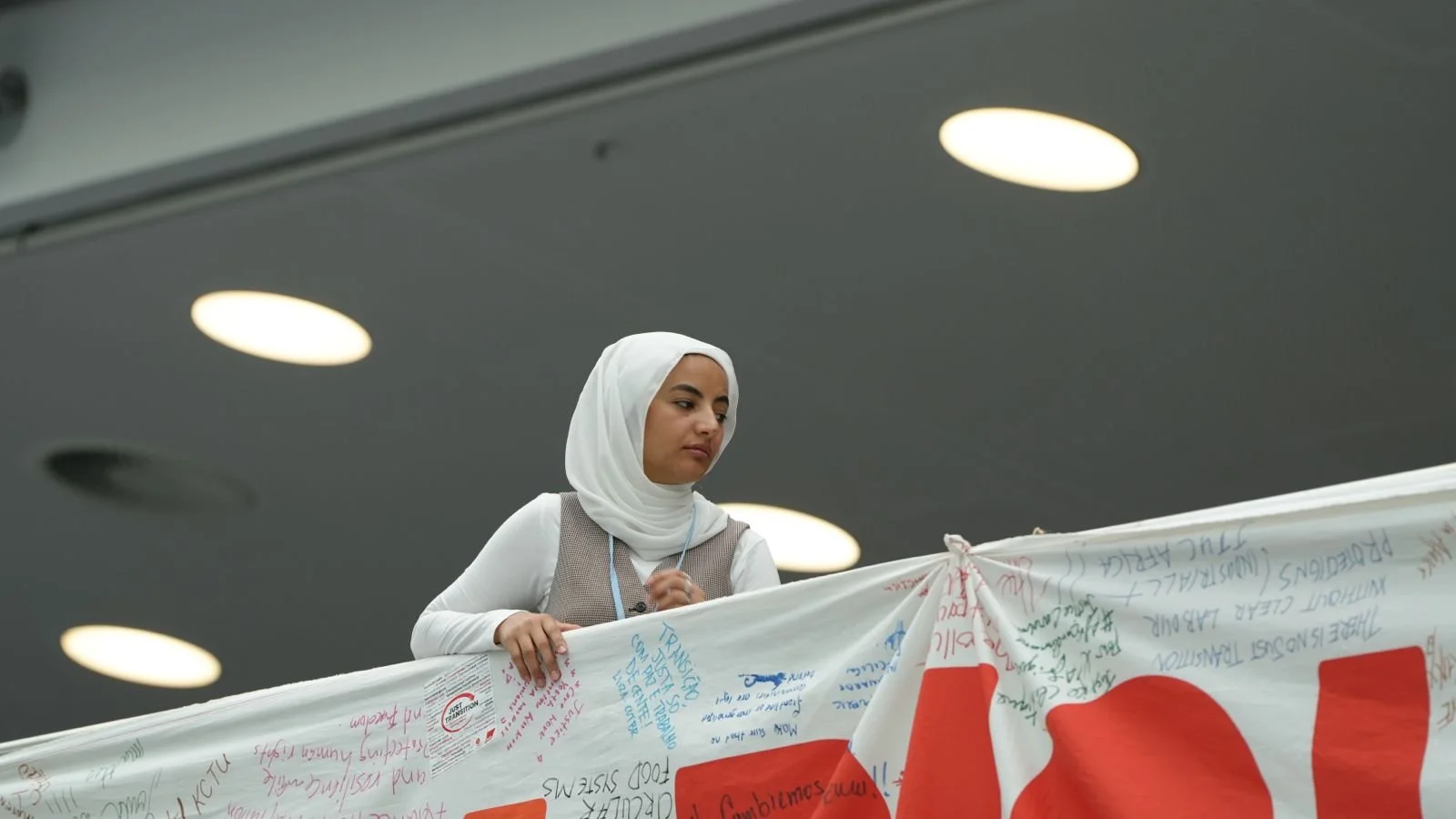
A delegate stands next to a signed civil society campaign banner at the Bonn Climate Conference on June 15, 2026. | PSA Media
BY FREDRICK OTIENO
Negotiations on the Global Goal on Adaptation (GGA) entered the second week in Bonn yesterday, with Parties noting the need for discussions to move from process to implementation.
However, the question of the supply of means of implementation for adaptation, including finance, technology, and capacity support, persists.
Parties adopted the Belem Adaptation Indicators with the overarching objective of helping the global community measure adaptation implementation. Logically, this objective does not stop at just measuring adaptation implementation.
Instead, the process and outcome of measuring the implementation should catalyse more support necessary for the achievement of targets set out in the UAE Framework for Global Climate Resilience.
From a process-based perspective, achieving progress requires deliberate alignment of inputs (means of implementation) and processes (real interventions) to achieve the desired change (adaptation targets). Looking at the 59 adaptation indicators as currently crafted, they cannot cause change.
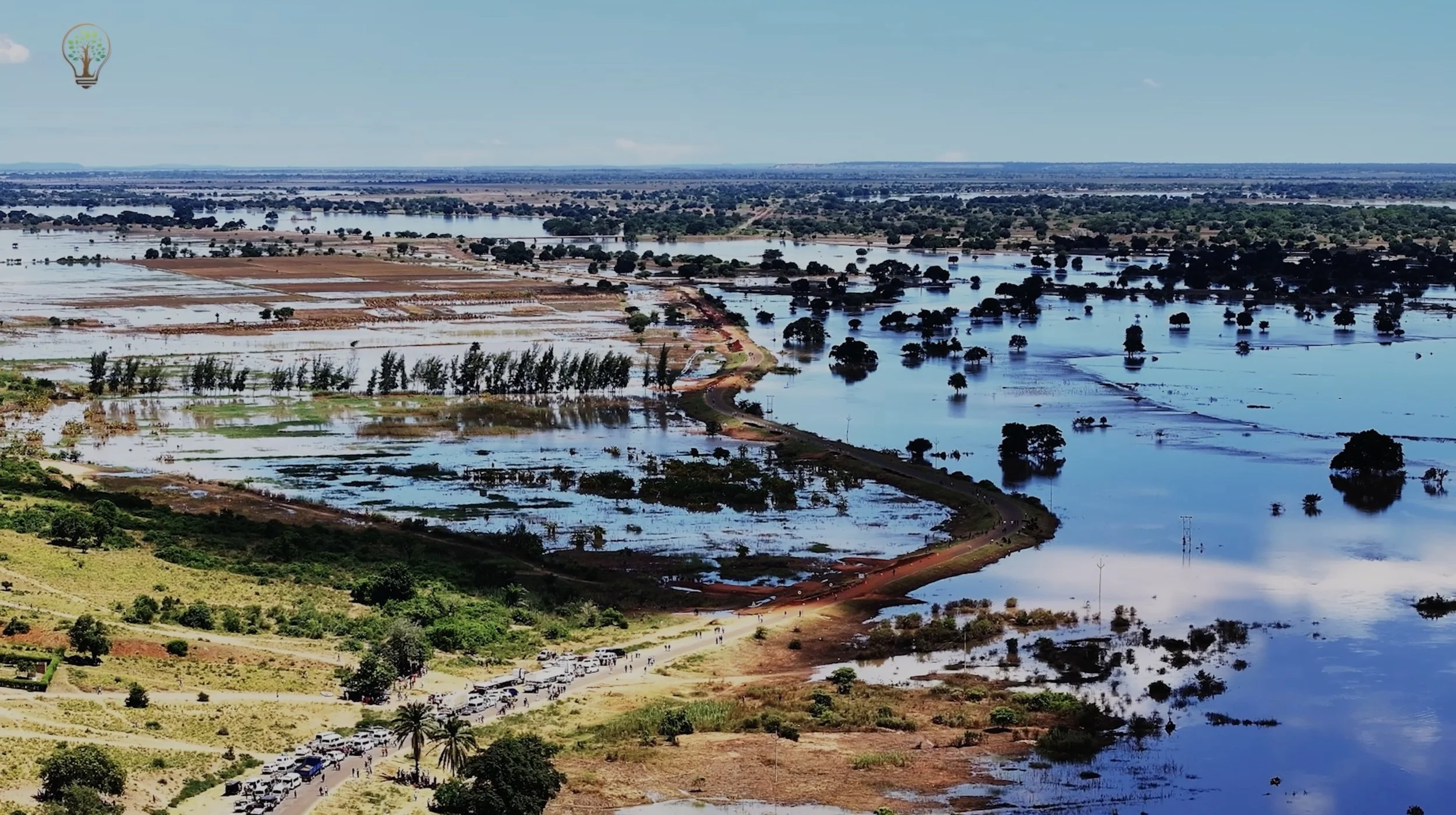
A flooded plain in Gaza Province in Mozambique in February 2026. | PSA Media
Unless the Belém adaptation indicators help to periodically identify gaps between adaptation needs and implementation support, coupled with driving more support for bridging such gaps, they become just another reporting line. This flies in the face of the responsibility that developed countries owe developing ones to provide support for transformative interventions that result in prosperity. The indicators must be backed up with adequate and predictable support.
It is only such support that would secure just transition in food and agriculture, infrastructure, health, human settlements, biodiversity and ecosystems and more. Sheer measuring of adaptation progress is not what humanity needs.
As Parties engage in further negotiations on the Global Goal on Adaptation in Bonn, it is instructive that they show clarity on how the Belem adaptation indicators will support communities already suffering the impacts of climate change and need to adapt to live.
Decision 12 of CMA 7 paragraphs seven, eight and nine curiously sets a caveat on what the indicators should and should not do. While some of the language in these paragraphs might have been, as always, typed in to accommodate the differing interests of parties, it might turn out to be counterproductive.
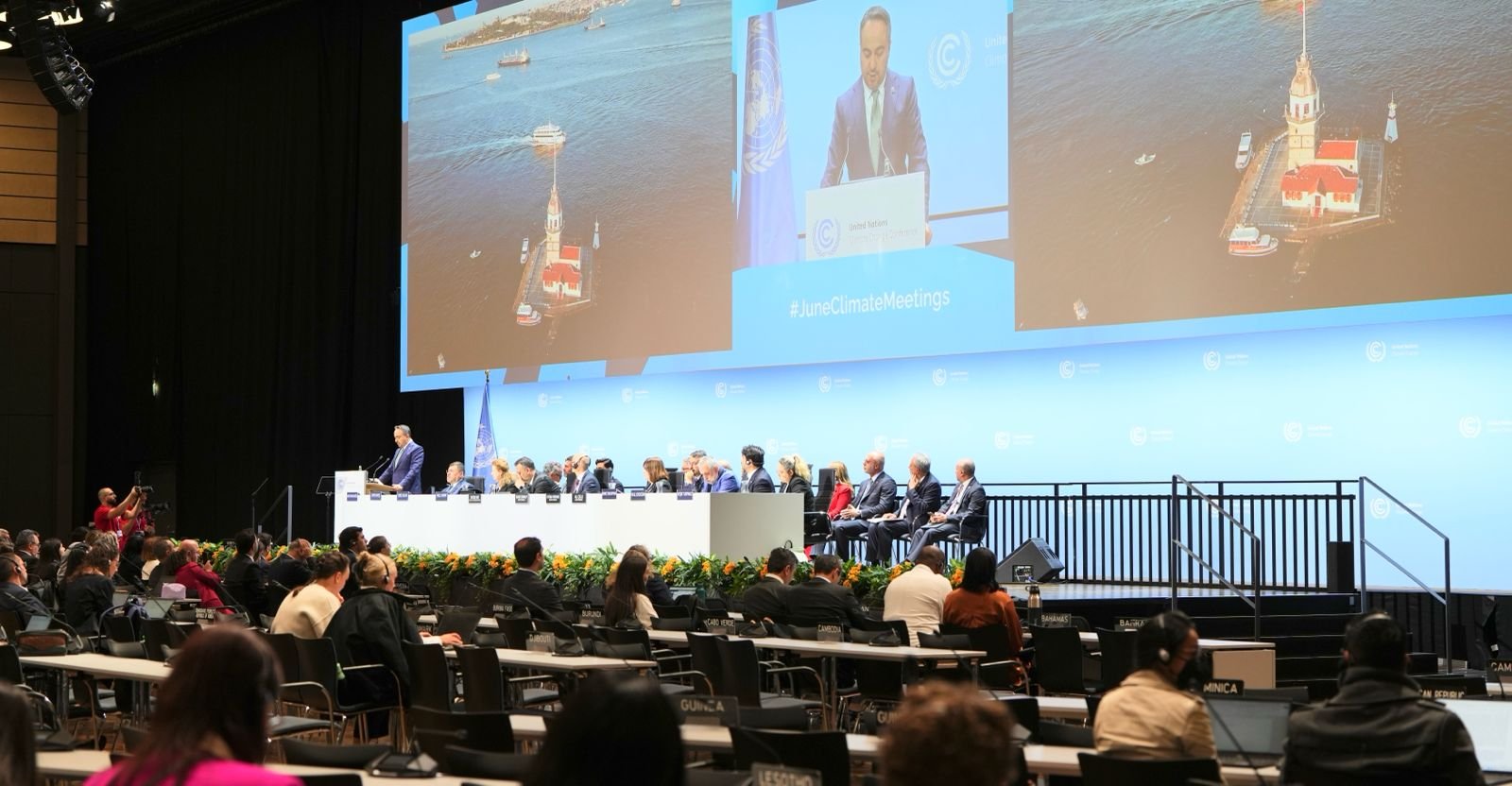
Delegates attending the launch of COP31 priorities during the Bonn Climate Conference on Saturday, June 13, 2026. | aPSA Media
Paragraph 8 of the GGA COP 30 decision particularly states, “...Belém Adaptation Indicators do not create new financial obligations or commitments, nor liability or compensation.” Parties need to unpack what exactly such language portends for advancing adaptation progress.
As parties try to find a perfect home and language for the tripling of adaptation finance, it is also instructive to see how this push corrects the tone set in Paragraph 8 of Decision 12/CMA7.
Knowing that negotiations under the UNFCCC happen in perpetuity, the decision that indicators should not create new financial obligations or commitments would be inconsistent with the need to achieve tripling of adaptation finance within the context of Belém adaptation indicator implementation.
Fredrick Otieno is a Project Associate at Power Shift Africa