ADAPTATION: RICH IN PLANS, POOR IN FINANCE
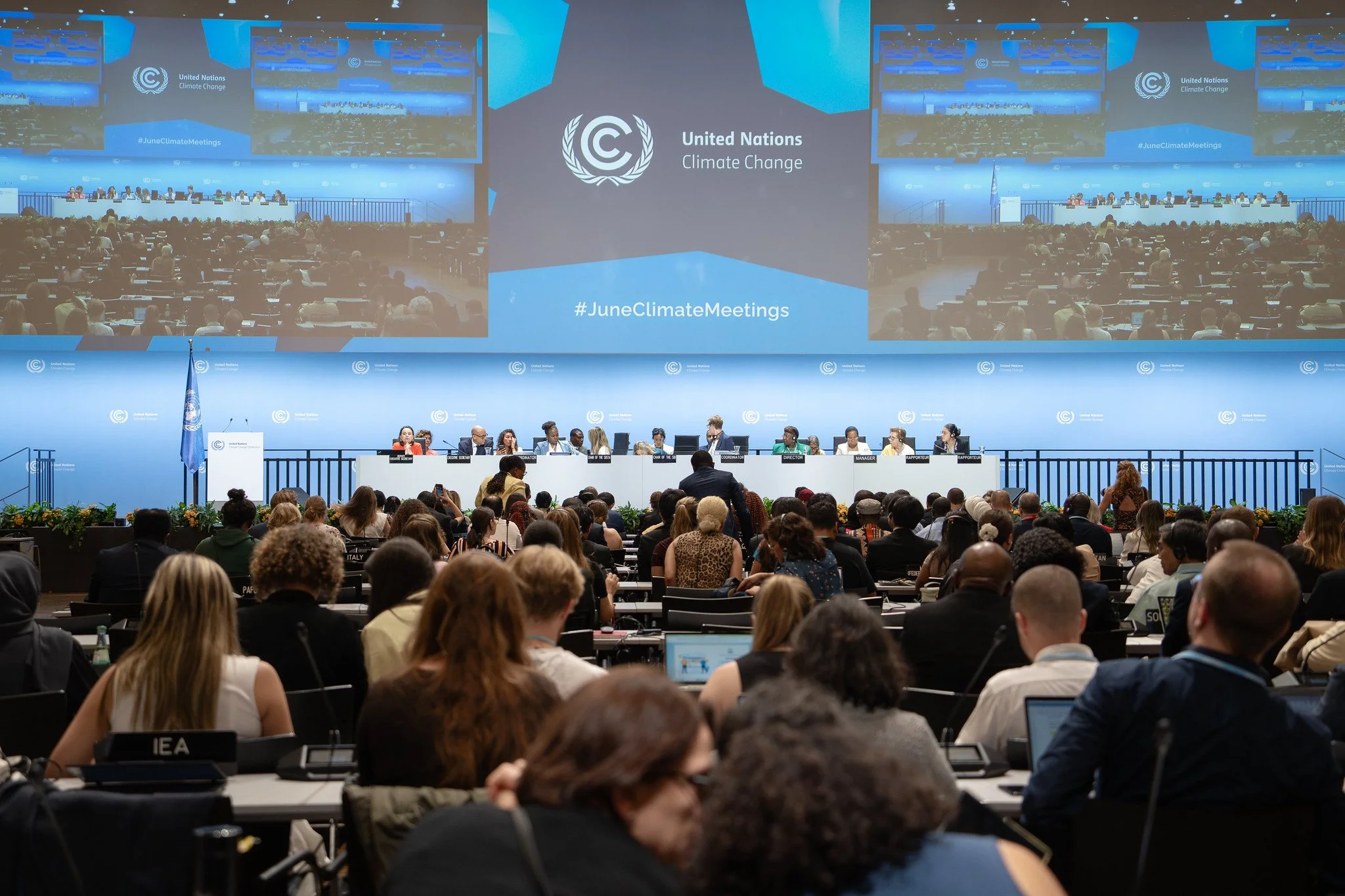
Negotiations on the Global Goal on Adaptation (GGA) were some of the most divisive at SB64 in Bonn, Germany, in June 2026. | PSA Media
BY FREDRICK OTIENO, MARY KYANYI AND PATIENCE AGYEKUM
At SB64 in Bonn, the delegation of the Dominican Republic delivered a striking intervention that reverberated throughout the negotiation halls. Their submission captured the dismal reality of climate adaptation finance.
“The adaptation architecture has material specifically on the planning side. But the guidance on how to plan far outpaces the support to implement.”
In a nutshell, the Caribbean nation exposed a fundamental truth about negotiations on the Global Goal on Adaptation (GGA): they are futile if they fail to reinforce Articles 9, 10, and 11 of the Paris Agreement.
This warning is particularly critical for African nations given the continent’s special circumstances and extreme vulnerability to climate impacts. Frontline countries urgently require global support to build resilience through finance, capacity-building, and technology transfer. Consequently, the ultimate gridlock over finance at the Bonn Climate Conference puts developing nations on the edge.
At the Baku Adaptation Roadmap (BAR) workshop and GGA negotiations, Parties acknowledged the urgent need for implementation. Yet, they clashed over what constitutes implementation, how it should occur, and how to deliver the necessary means.
The main goal of adaptation is to protect lives and livelihoods and strengthen resilience. | PSA Media
Frameworks without resources
For Africa, implementation is a practical exercise rather than a theoretical one. It means translating plans, ideas, and commitments into concrete action. That requires resources to execute projects that enhance communities’ adaptive capacity, strengthen their resilience, and reduce their vulnerability.
The 2026 National Adaptation Plan (NAP) assessment reveals that many developing countries have successfully formulated and submitted their NAPs to the UNFCCC. In Africa and across the Global South, governments are actively working to domesticate GGA indicators within these plans. What is missing is the money to turn these plans into reality. Without finance, the Belém adaptation indicators are just that: metrics devoid of transformative power.
Salvaging the GGA
To establish a firm foundation for implementation in upcoming negotiations, Parties must hold developed countries accountable to their obligations. That is to provide adequate financial support to their developing counterparts. Crucially, adaptation finance must come from public grants, not debt-inducing private financial instruments.

Predictable public funding yields tangible results. It enables African farmers to access year-round irrigation systems, allows cities to upgrade drainage systems, empowers governments to climate-proof transport infrastructure, and helps finance schools, hospitals, and other facilities made for extreme weather.
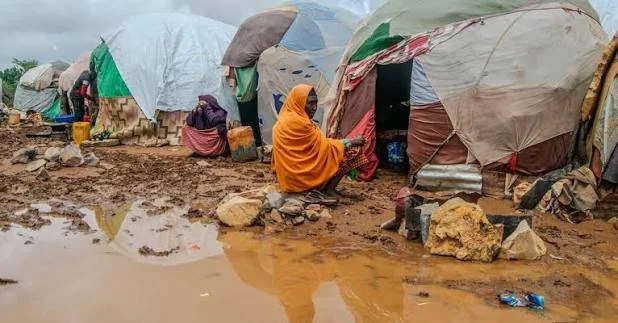
The main goal of adaptation is to protect lives and livelihoods and strengthen resilience. Not to finance liabilities or generate financial returns. Around the world, especially in Africa, the cost of delayed or underfunded adaptation is evident through declining Gross Domestic Product, deaths, lost livelihoods, climate mobility, degraded ecosystems, and loss of biodiversity.
To salvage the GGA, parties must forge a common understanding of adaptation implementation. The true measure of this is when communities thrive even under frequent and intensifying climate impacts.
Tripling Adaptation Finance
For years, developed countries have insisted that finance discussions remain strictly confined to Finance tracks. But isolating finance strips adaptation negotiations of their substance, reducing the GGA to a hollow, process-driven exercise. Indicators alone cannot build resilience; they must be linked to real funding.
Despite the Glasgow pledge to double adaptation finance by 2025, resources remain severely constrained. OECD data shows adaptation finance stood at just under $35 billion in 2024. This means developed countries needed to ramp that up by 20 percent by 2025 to meet the doubling target.
Rejecting the language on tripling adaptation finance within current GGA discussions is a breach of trust by developed countries and a setback to global solidarity. | STOCK
While not perfect, the $300 billion New Collective Quantified Goal (NCQG) by 2035 provides a framework for delivery, with Paragraph 16 explicitly calling for tripling outflows from the Financial Mechanism’s operating entities. Building on this, the COP30 GGA decision directly linked this tripling target to the NCQG.
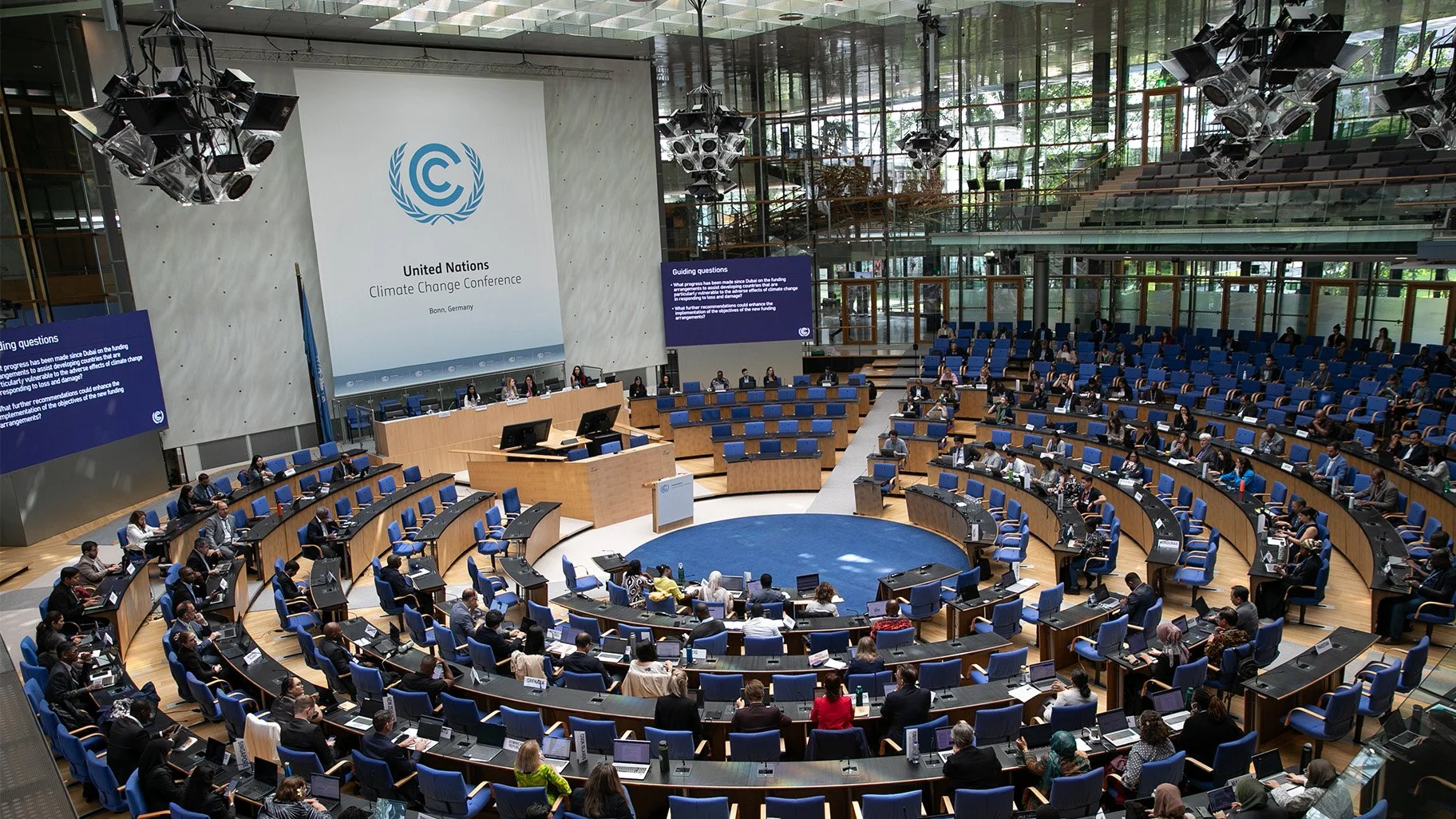
Rejecting tripling language within current GGA discussions, therefore, is a breach of trust by developed countries and a setback to global solidarity. Climate negotiations are cumulative; new decisions build upon past agreements. Linking current talks to agreed-upon finance targets is essential for the integrity of the Paris Agreement.
Parties must recognise that reaffirming the target to triple adaptation finance creates no new obligations. It simply enforces existing commitments. Embedding this target within the Baku Adaptation Roadmap provides the political pressure and accountability needed to ensure developed nations finally deliver.
We must raise this BAR.
Fredrick Otieno is a Project Officer at Power Shift Africa
Mary Kyanyi is an Adaptation and Resilience Fellow at Power Shift Africa
Patience Agyekum is the Adaptation Campaigner at Power Shift Africa