
WORLD BANK’S CLIMATE STRATEGY RESET SHOULDN’T BE A RETREAT FROM ACCOUNTABILITY
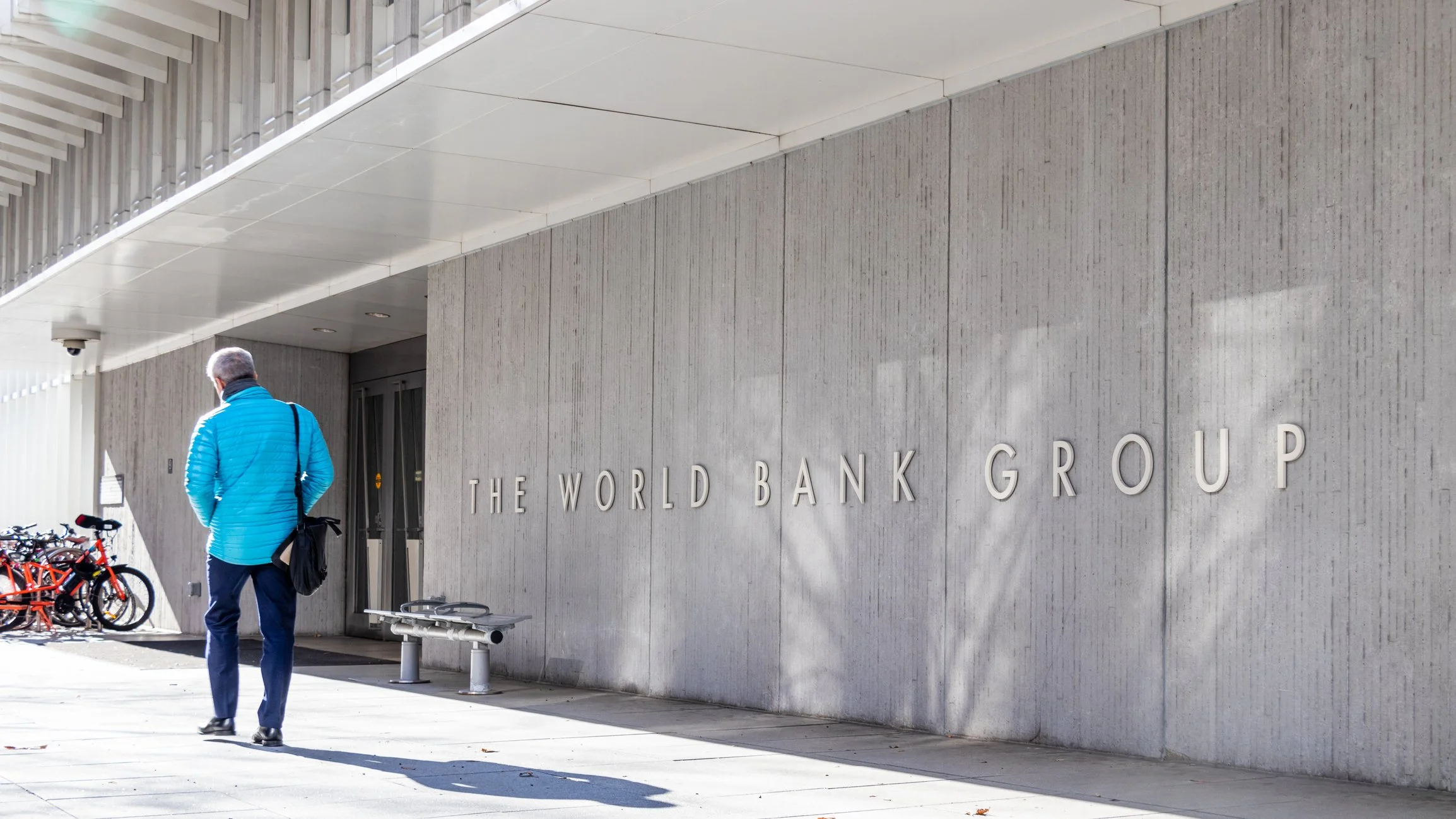
The World Bank Group insists that climate finance should be judged by results rather than spending alone. | STOCK
BY MERCY JOHN
In a promising move in June 2026, the World Bank announced the extension of its Climate Change Action Plan (CCAP) as the institution moves to evolve its climate agenda.
The bank further announced the removal of its climate finance co-benefits targets, stating that it intends to shift from measuring inputs to measuring real-world outcomes. To date, the bank has measured its climate ambition by how much its lending supports climate action.
Under CCAP, WBG committed that a 35 percent target share of its annual financing would contribute to tackling climate change. It later increased the provision to 45 percent, meaning that 45 cents of every dollar lent by the bank goes to supporting climate action.
The bank’s climate co-benefits rose from 36 percent in 2022 to 43 percent in 2023 and 44 percent in 2024. These targets have been used as benchmarks for predictable and measurable commitments against which stakeholders can hold multilateral institutions accountable.
Climate finance, the bank argues, shouldn’t be about the quantity but about efficiency in reducing emissions and improving people’s resilience. That’s a logical argument. However, the scope of transformation is fully dependent on the resources provided. Withdrawing financing commitments reduces the WB’s accountability.
Yet, the shift couldn’t have been timelier.
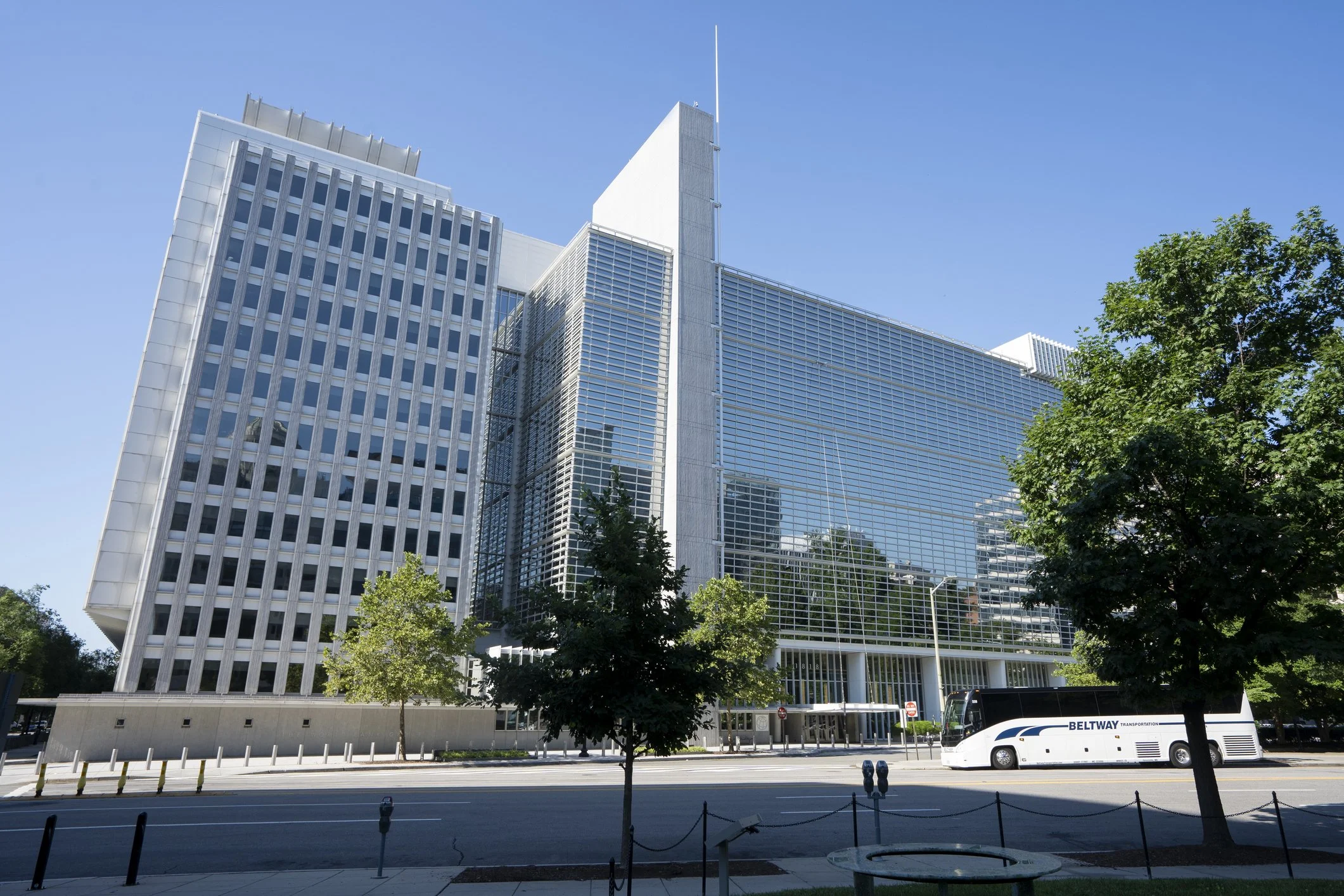
The World Bank must build a comprehensive accountability framework by maintaining clear financing commitments and strengthening the measurement of the impact of the finance provided. | STOCK
Findings of a survey by Climate Policy Initiative (CPI) reveal that global climate finance reached USD 2.1 trillion in 2023. While that amount may water mouths, it is still far below the estimated USD 6 trillion needed to implement the Paris Agreement.
Given this context, the WB’s move exposes the broader erosion of the climate finance architecture where multilateral development banks are scaling back their climate portfolio targets under political pressure. The WB is the world’s largest climate finance institution. The recent decision raises questions about its transparency and accountability.
At a time when developing countries are grappling with extreme climate impacts, geopolitical tensions and shrinking Official Development Assistance (ODA), this trend unmasks a direct and dangerous threat to the predictability and adequacy of public climate finance.
Phasing out measurable financing provisions risks weakening a mechanism that made it possible for stakeholders to audit the WBG’s climate commitments. Climate action outcomes do not happen by accident; they require sustained financial commitments. Measuring impact is essential, but without clear commitments on finance, the world risks celebrating results that may never be adequately funded.
Climate finance is always the elephant in the room in international climate negotiations, owing to its highly political nature. For years as a result, developing countries have been struggling with enormous financing shortfalls while facing escalating climate impacts. Today, the magnitude of climate impacts far outweighs the support provided.
It's for this reason that countries must advocate for stronger commitments from the WBG, including greater concessional finance with clear targets, while prioritising domestic transformation. These objectives are mutually reinforcing - lasting impacts largely depend on the availability of predictable, affordable and scaled finance.
Without sufficient concessional resources many developing countries will be unable to deliver transformations that are needed to achieve a resilient and low emission development pathway.
Climate finance is always the elephant in the room in international climate negotiations, owing to its highly political nature. | STOCK
While MDBs have a responsibility to provide and scale quality and predictable climate finance, beneficiaries have the responsibility to create conditions for impact to facilitate lasting transformation. Climate finance is not just about emission reduction. It is also about building the resilience of communities worldwide. The credibility of climate finance outcomes, therefore, rests on transformation and a sustained institutional focus on that transformation.
The WBG is correct in its position that climate finance should ultimately be judged by results rather than spending alone. However, abandoning financing commitments without introducing equally robust accountability mechanisms risks creating a vacuum. Although the bank may move beyond volume-based targets, it should retain measurable commitments that demonstrate accountability. The focus on impact should not come at the expense of ambition; it should ensure commitments are translated to measurable climate results.
Climate impacts are intensifying. They will continue to grow as will the demand for development finance. To this end, the bank should build a comprehensive accountability framework by maintaining clear financing commitments and strengthening impact measurement of the finance provided. Doing so better reflects the scale and urgency of today’s climate crisis.
In the end, the credibility of MDBs in the world will heavily depend not merely on how they define success, but on whether the lives of the world’s climate-vulnerable communities are transformed.
Mercy John is a Climate Finance Fellow at Power Shift Africa