SANTA MARTA FOSSIL FUEL TALKS EXPOSE DEEP POLITICAL DIVIDES OVER PHASE-OUT PACE
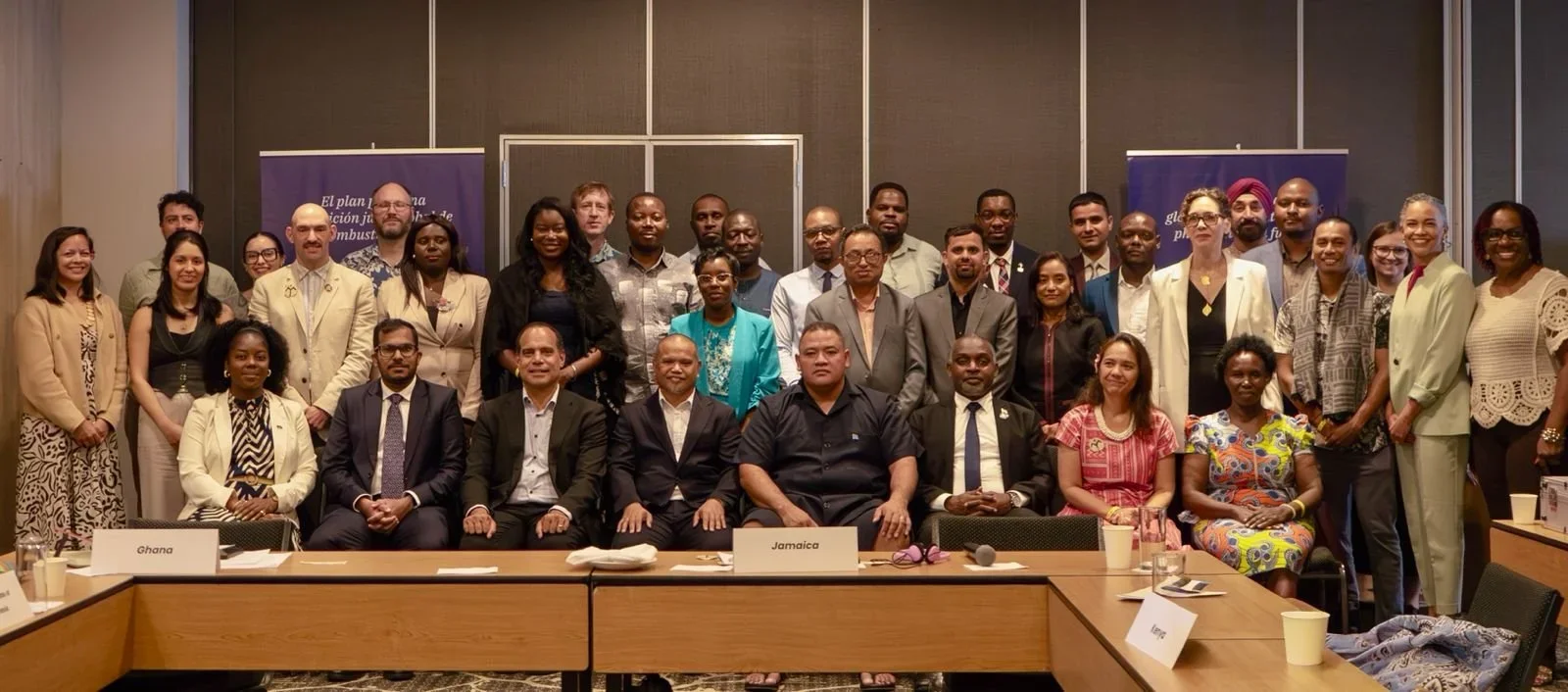
Senior Officials and Ministers at the Fossils fuel Phase Out Conference in Santa Marta | Fossil Fuel Treaty Initiative
The high-level gathering on fossil fuels in Santa Marta, Colombia, ended without a unified outcome, exposing widening political and ideological divisions over how, and how fast, the world should move away from oil, gas, and coal.
The meeting brought together government representatives, multilateral actors, and civil society groups aligned with efforts such as the Fossil Fuel Non-Proliferation Treaty Initiative. Discussions focused on the feasibility of a global fossil fuel phase-out, equity in the transition, and accountability for historical emissions.
A core fault line ran between governments advocating a gradual transition and civil society actors demanding a binding and immediate phase-out. Several state representatives argued that fossil fuels remain embedded in national development strategies and supported language around “phasing down” emissions and expanding low-carbon alternatives, but stopped short of endorsing a full and rapid fossil fuel phase-out.
In contrast, civil society organisations and frontline communities pushed for explicit commitments to halt all new fossil fuel exploration and expansion, establish a clear timeline for a global phase-out, and provide financial and technical support to affected communities
These demands were formalised in a People’s Declaration circulated during the meeting, which frames fossil fuel extraction as a driver of inequality and climate harm, and calls for reparative justice measures.
Negotiations were marked by disagreements over terminology, particularly the distinction between “phase-down” and “phase-out.” While seemingly technical, the language reflects deeper political positions on responsibility and urgency. Civil society groups argued that ambiguous terms risk delaying meaningful action, but government delegates signalled that stricter language could limit policy flexibility and face domestic political resistance.
There were also tensions around accountability. Activist groups called for stronger mechanisms to hold both governments and fossil fuel companies responsible for emissions and environmental damage. Some state actors resisted binding commitments, citing sovereignty concerns.
The meeting did not produce a binding agreement or joint declaration endorsed by all parties. Instead, outcomes were limited to continued dialogue on fossil fuel transition frameworks, increased visibility for civil society demands, and informal alignment among a subset of governments and organisations. Observers noted that while the talks advanced discussion, they did not significantly narrow differences between key stakeholders.
So, was this a successful outing or another stalemate? In our view, whether the Santa Marta meeting constitutes a success depends on the metric applied. From a diplomatic perspective, the absence of a unified position shows ongoing fragmentation in global climate politics, particularly on fossil fuels. For instance, the gap between incremental transition strategies and calls for rapid phase-out remains unresolved. However, the meeting amplified pressure from civil society and reinforced the framing of fossil fuels as a central issue in climate negotiations, rather than a peripheral one. Also, the prominence of the People’s Declaration signals a continued effort to shift the debate toward equity, historical responsibility, and legally binding commitments.
Either way, the Santa Marta discussions reflected the broader global trend of increasing convergence on the need to reduce fossil fuel dependence, even with the persistent disagreements on timelines, responsibility, and enforcement. As climate impacts intensify, these unresolved tensions are likely to shape future negotiations, and Santa Marta showed us that while the direction of travel is widely acknowledged, the speed, and the terms, remain contested.