Tackling Methane Emissions: A case for Climate Adaptation
BY FREDRICK OTIENO
Did you know that, despite being the most common cause of global warming, carbon dioxide is not even the most lethal greenhouse gas?
Methane, responsible for an estimated 20% to 30% of the earth's warming, is almost thirty times more dangerous than carbon dioxide. The Intergovernmental Panel on Climate Change (IPCC) says methane is responsible for approximately a third of the earth’s warming today.
But dangerous as it is, this gas hardly gets as much press as carbon dioxide.
Many Kenyans, for instance, only heard about methane and its links with global warming in 2024. The circumstances were hilarious and sobering in equal measure. In November of that year, the Government of Kenya had announced mass vaccination of millions of livestock over a period of three years to control foot and mouth disease.
What followed was widespread backlash by farmers over the proposed vaccination, with misinformation at the heart of it. Farmers were misled that the drive was aimed at cutting methane emissions from animal belches and farts.
In the end, the exercise was abandoned under a cloud of controversy.
Why Methane Remains Peripheral
Part of the reason methane hasn’t attracted much attention is its relatively short stay in the atmosphere – between 7 and 12 years – compared to the staggering lifespan of carbon dioxide, which can stretch for several thousand years. Now African Group of Negotiators (AGN) has identified the reduction of methane emissions as one of its priority areas this year, complete with experts from the continent specializing on it. Additionally, the AGN is committed to the Global Methane Pledge to cut 30 percent of all human-driven methane emissions by 2030.
While this is a step in the right direction, the framing must go beyond the mitigation angle to focus on the adaptation of co-benefits and impact on areas such as resilience in agriculture, waste management, and energy. These resonate more with African realities.
Major Methane Emitting Sectors in Africa.
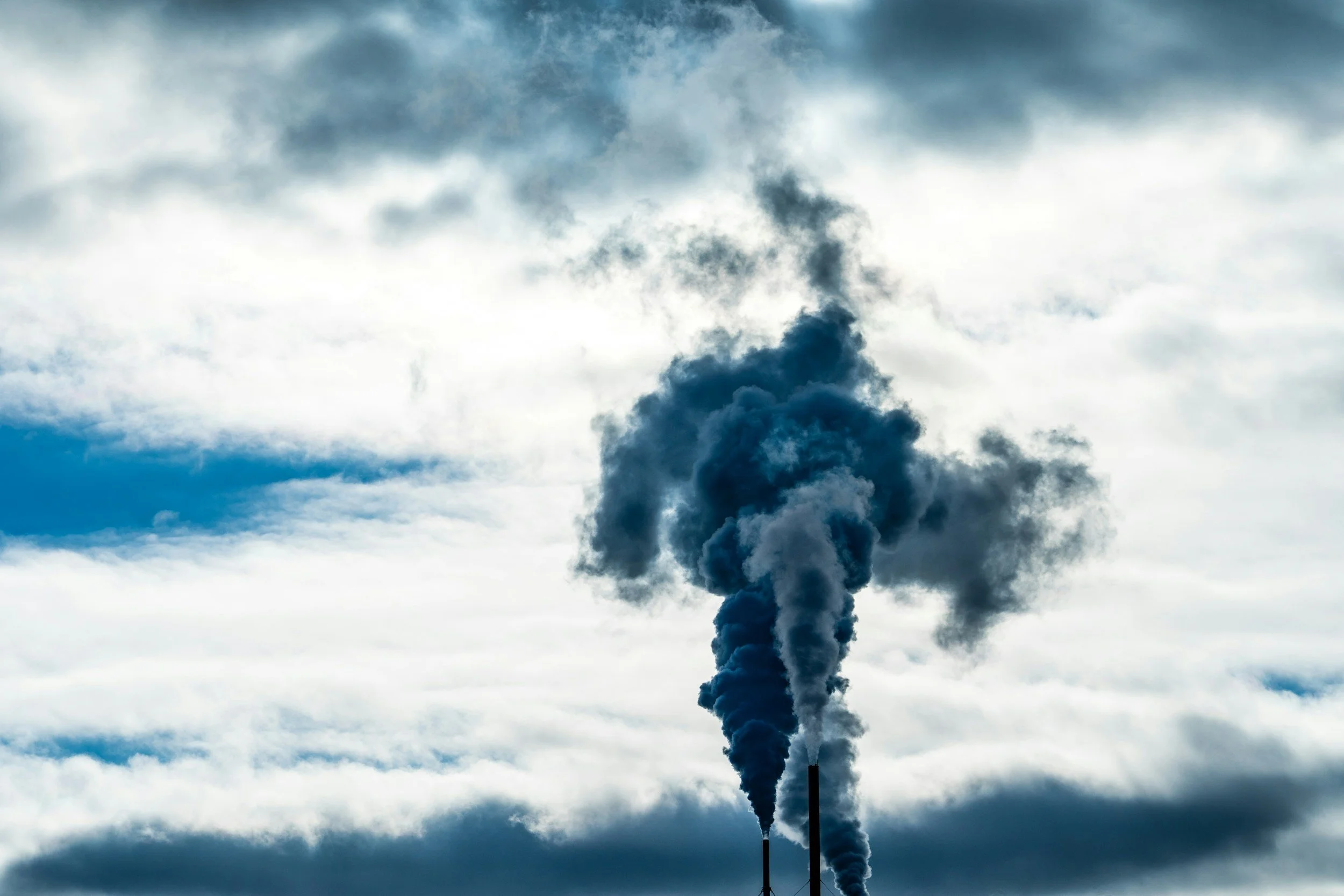
The physical and chemical properties of methane make it one of the most notorious greenhouse gases. It is odorless, colorless, and lighter than air, properties that make it rise above ambient air. The gas is easily destroyed by oxidation and people often mistake ammonia for methane.
In Africa, the bulk of methane emissions come from oil and gas, decomposition of municipal solid waste, and wastewater. In the agriculture sector, much of the emissions come from livestock production and rice cultivation. These sectors are key pillars of climate change adaptation. This makes a strong case for addressing emissions in these sectors through better water management in rice production, improved livestock feed, and conversion of waste –to energy. By doing this, Africa would enhance food security, improve soil health, and promote energy access.
Decomposed and degraded municipal effluent emits methane. Establishing sanitary landfills and connecting to piped gas systems to supply methane for clean cooking could also deliver a much-needed economical energy solution to African homes. By managing municipal waste properly, we make our cities more livable, improve air quality, and enhance urban aesthetics.
Addressing methane can also solve climate-induced water stress, which often results in frequent sanitation lapses and public health crises. By integrating effective wastewater treatment strategies in municipal operations, authorities can convert effluents to clean and safe water for domestic use, thereby enhancing water-use efficiency. This process could also generate electricity through the use of microbial fuel cells. This electricity could help power neighborhoods.
In rice production, methane emissions come from decomposing organic matter in the flooded paddies. Building paddies is less water-efficient while individual paddies compete for the resource with other users. This often leads to the diversion of streams by farmers, which endangers other riverine biodiversity.
Adopting alternate wetting and drying practices, draining paddies mid-season, and direct-seeded rice production would not only reduce competition for water but methane emissions as well. This could also be combined with proper straw management and application of biochar on rice fields, to increase aeration to further reduce emissions.
There is no shortage of climate adaptation strategies that Africa could deploy to address methane emissions. Focusing on these emissions as a mitigation measure only makes it an unnecessary burden. If done correctly, Africa can deliver emission reduction and strengthen adaptation and resilience for its communities.
Recognizing this as a priority area is a good starting point for the continent.
Fredrick Otieno is a Project Associate at Power Shift Africa.