WE HAVE CROSSED THE 1.5°C RED LINE. BUT THE FIGHT IS NOT OVER
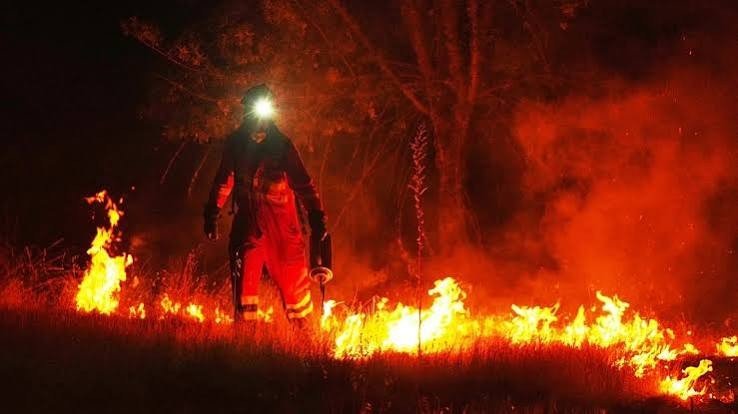
As climate changes, heat waves and wildfires are increasing in frequency and intensity. | STOCK
For years, the 1.5°C threshold has been a red line for the planet. Now that threshold is about to be breached. Permanently. That could happen within the next few years, according to the United Nations.
In Limiting Overshoot, the UN says that exceeding 1.5°C is now widely considered unavoidable. The report identifies an ‘overshoot, peak, and decline’ pathway as the best remaining option to minimise the magnitude and duration of this overshoot.
According to the report, the ‘most optimistic’ scenario puts the temperature rise peak at 1.8°C above pre-industrial levels, well above the goal of limiting warming to 1.5°C, set in 2015 by the Paris Agreement.
Other scenarios in the report predict higher peaks.
Inger Andersen warns that there are ‘‘no good outcomes’’ if we remain above 1.5°C. The Executive Director of UNEP says that above this threshold, climate impacts will strike faster, hit harder, and last longer.
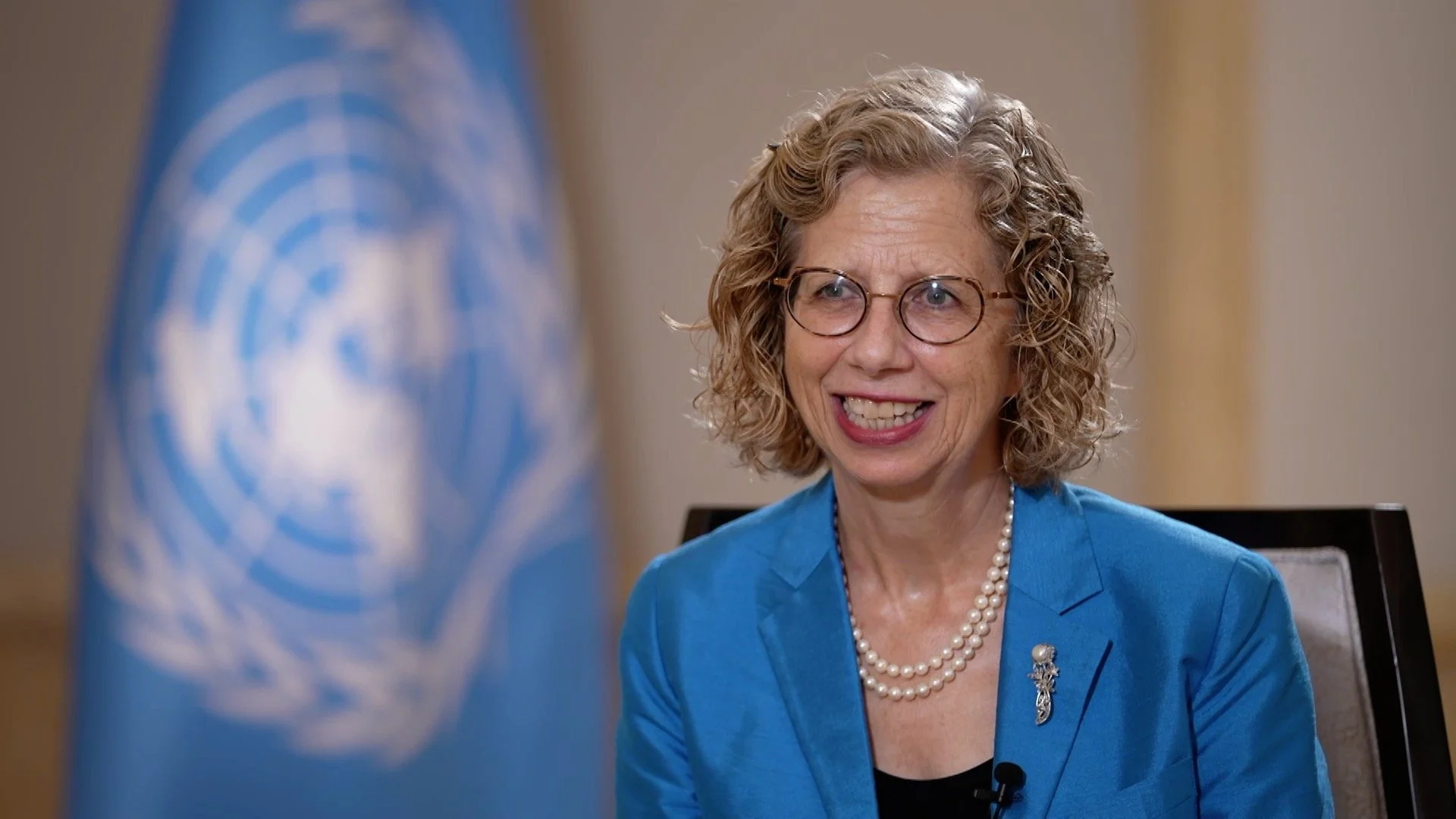
Inger Andersen is the Executive Director of the United Nations Environment Programme (UNEP). | STOCK
“Now is the time we must double down on climate action. We can, and must, get on the right path,’’ she adds.
The question, suddenly, is how far above it humanity will go and whether we can eventually bring temperatures back down.
A warmer world, even by a fraction of a degree, portends unthinkable danger for the planet. It means more frequent and intense droughts and floods, harsher heat waves, worsening wildfires, and fast-rising seas. For Africa, these changes are already happening, altering lives and livelihoods, and upending economies.
There’s worse still. Infrastructure will come under greater pressure and ecosystems could experience potentially irreversible damage.
In Mozambique earlier this year, unprecedented floods destroyed thousands of hectares of cropland, permanently damaged homes, and destroyed the livelihoods of millions in Gaza, Sofala, and Maputo provinces. Across Africa, climate change is putting water supplies under pressure like never before, leaving more than 400 million Africans water insecure and health systems stressed.
Today, major African cities, including Mombasa, Douala, Accra, and Lagos, are facing the threat of being submerged as waters of the Indian and Atlantic oceans, respectively, rise fast.
The damage isn’t just in Africa.
In June and July, Europe and North America experienced some of the worst heat waves of the century, with cities such as Seville, Athens, and Paris registering record temperatures of up to 44°C. More than 35000 people were killed.
Yet when climate disasters strike, Africa, which contributed far less to global warming, is hit the hardest.
While it’s a deeply troubling moment, humanity must not surrender. The stakes have only become higher. The UN says the best remaining path is to keep the temperature rise as low and as short-lived as possible, then work to bring global temperatures back below 1.5°C.
Experts agree.
“We now need to work hard to limit the damage.”
—Richard Betts, climate scientist, University of Exeter.
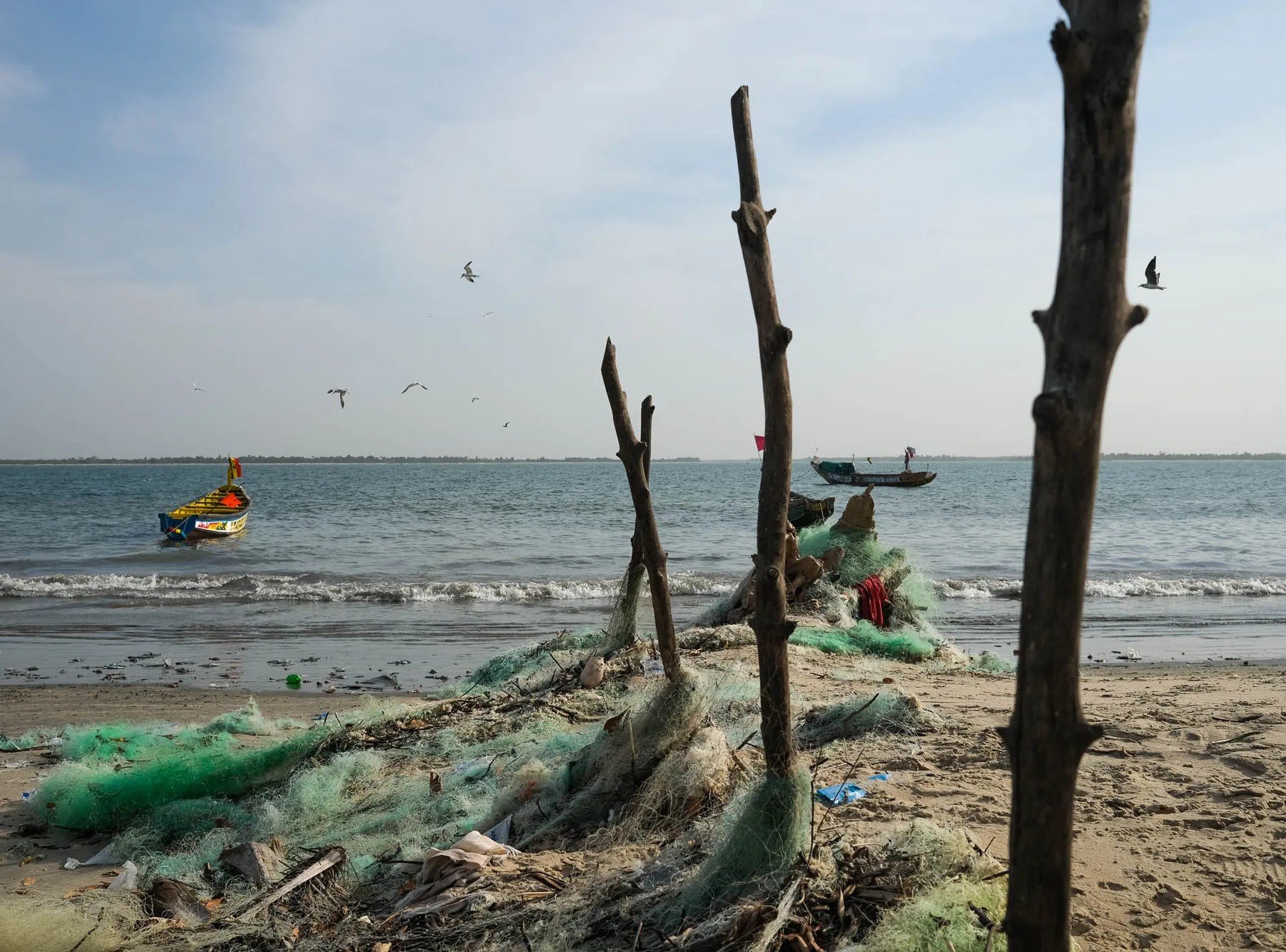
Many coastal cities in Africa are facing the danger of being submerged as seas rise rapidly. | STOCK
Betts argues that countries must strengthen their ability to cope with climate impacts while working to drive emissions down.
That will require much faster cuts in greenhouse-gas emissions, a rapid shift away from fossil fuels, greater investment in clean energy and serious preparation for impacts that can no longer be avoided.
That means adapting to climate impacts. In recent years, adaptation has become more visible in the climate discourse. Yet, visibility alone isn’t enough.
‘‘Greater visibility for adaptation must mean more than recognising its urgency. It must translate into political choices, resources and international cooperation at the scale required.’’
—Mohamed Adow, Director, Power Shift Africa
The report identifies strong political will and multilateralism, effective policies, inclusive governance, and finance as enabling conditions for climate action. All responses, it says, must be underpinned by equity and justice.
In this effort, rich countries have a particular responsibility. After all, they produced most of the historical emissions that caused climate change and must, therefore, carry the greatest burden.
Wealthy nations must provide climate finance, clean energy investment, and adaptation support to vulnerable, developing countries.
This is what makes the steep reduction in development aid and climate finance by wealthy nations particularly concerning. Over the last few years, European countries and the United States have cut climate funding while inflating the support they publicly report. The UK alone has reduced its climate finance budget for poorer nations by more than a fifth.
Even more worryingly, nearly two-thirds of all climate finance is delivered as loans rather than grants, forcing poor nations to pay high interest rates, worsening their debt burden.
“We must make the overshoot above 1.5 degrees as small and short as possible. That demands an overshoot of ambition.”
—Antonio Guterres, Secretary-General, UN.
The window to limit a drastic temperature rise may have narrowed, but it hasn’t entirely shut. While the world can’t practically change the warming already locked in, it can control how much more warming it allows in the years to come.
For millions in Africa and the Global South, this is about protecting food systems, water resources, homes, livelihoods, infrastructure, economies, and lives. The future of life on the planet depends on limiting further temperature escalation.