In the news

Kenya’s Landmark Seed Ruling: Why it Matters and What It Means for Seed and Food Sovereignty
The High Court in Kenya has declared sections of the country’s Seed and Plant Varieties Act unconstitutional. This section of the law criminalised farmers for saving, sharing or exchanging unregistered seeds.
In 2016, amendments to the Seed and Plant Varieties Act introduced costly registration requirements and imposed penalties of up to KES 1,000,000 or jail terms for anyone handling uncertified seed. This effectively made the informal seed systems used for generations by the majority of Kenyan farmers, particularly smallholders who sustained Kenya’s agriculture and food security, illegal.
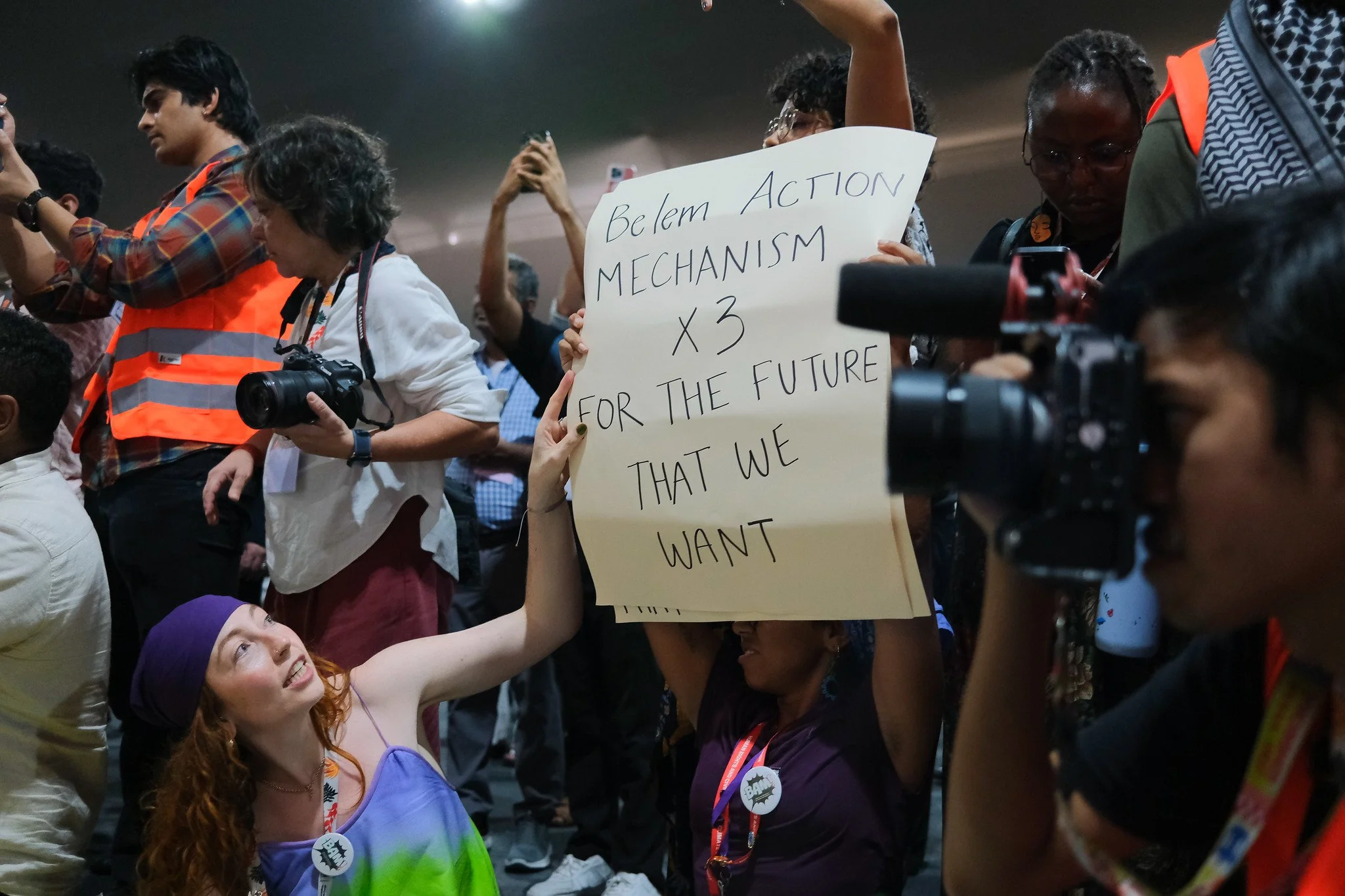
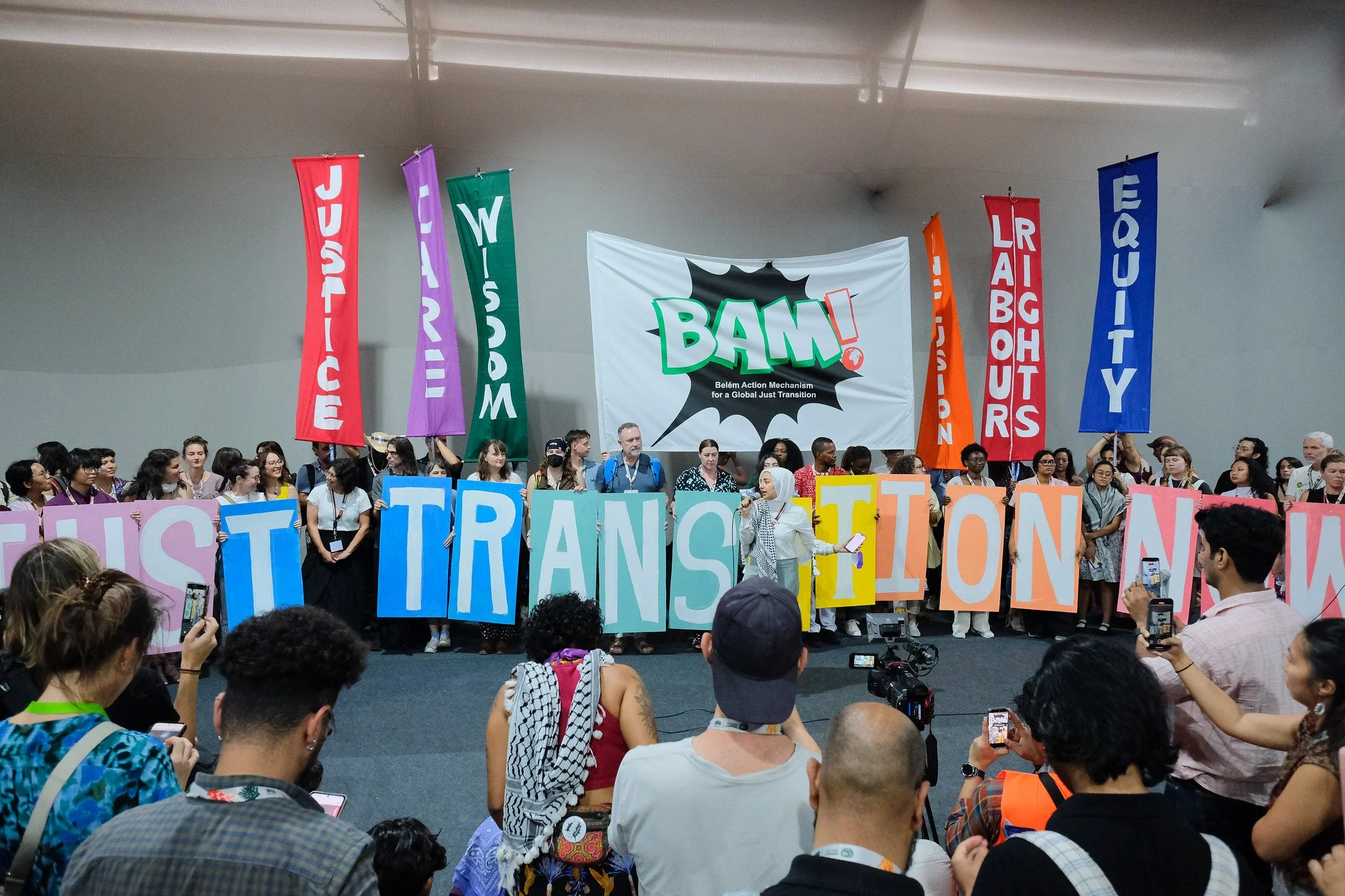
Just Transition Mechanism and The Making of a Historic Deal
Established at the UN climate talks in Belem, Brazil, the Just Transition Mechanism is the first major win for workers, communities and for climate, as the global transition from dirty fuels accelerates into the future.
5 Unforgettable moments At COP30
COP30 may be over, but these 5 unforgettable moments from Belém will live on—etched in the memories of those who spoke up for a livable planet.

REVEALED: Inside the Clash at COP30’s Closing Plenary
From the beginning, GGA negotiations were expected to be one of the fiercest battlegrounds at COP30 in Belem, Brazil. In the end, this came to pass at the closing plenary, and more.
COP30 OUTCOMES: BABY STEPS IN THE RIGHT DIRECTION, FAILURE TO RISE TO THE OCCASION
What stood out about this COP? What were the hits, the misses, and the lessons? In this blog, we analyse what climate justice experts from around the world said about the COP30 outcomes.
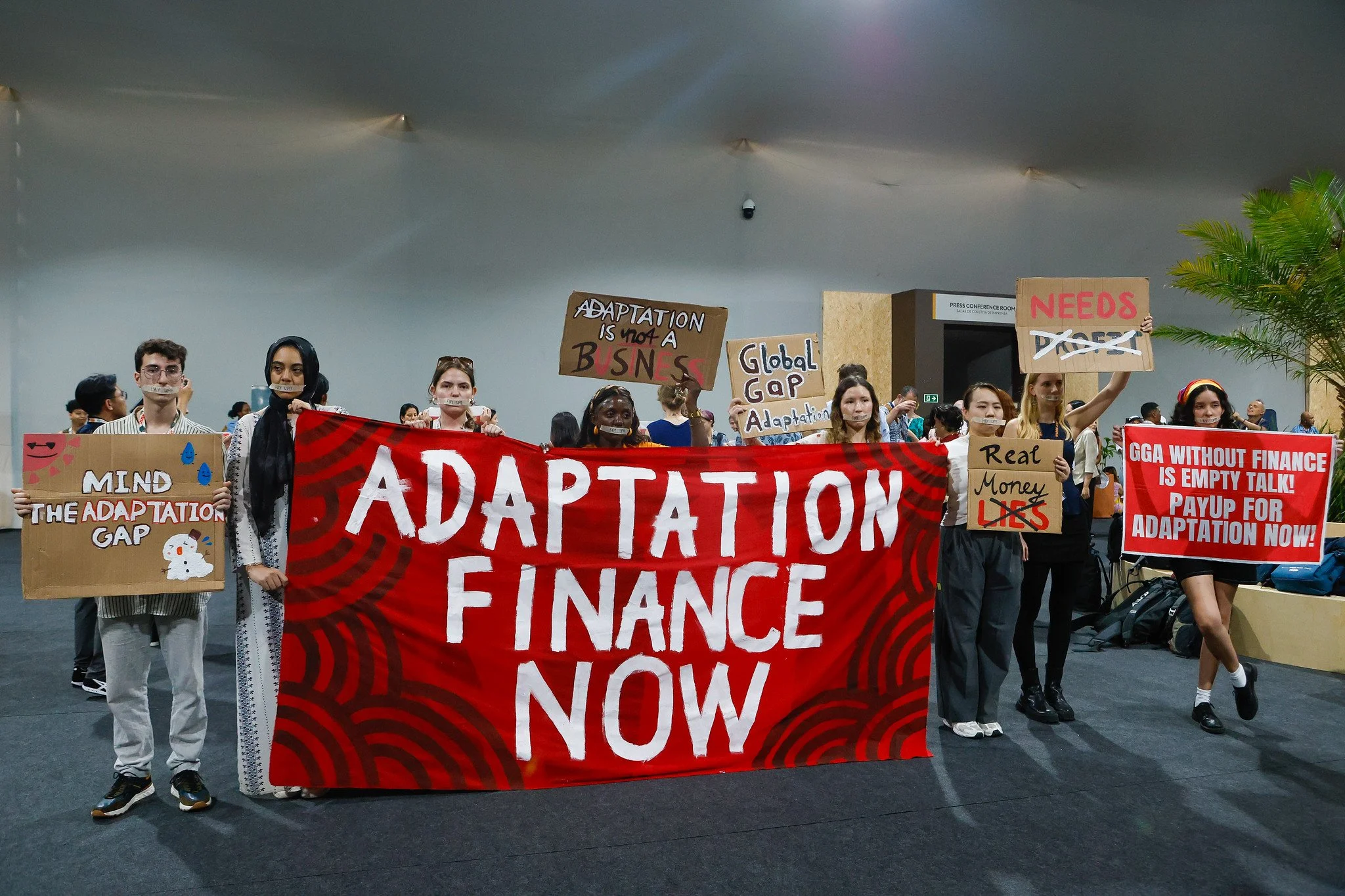
COP30 Triples Troubles for Adaptation Finance
The political elevation and early wins for adaptation at COP30 were short-lived. They failed to translate to a strong COP outcome.

TURKEY: THE MIXED CLIMATE CREDENTIALS OF COP31 HOST
When Turkey prevailed over Australia to become the host of next year’s COP31, it was a reward for the Turks’ unbending intent and resolve, but also a test of resilience for their Pacific fellow contenders.

Why the Means of Implementation Matter to GGA
COP30 is meant to be the moment when the world finally put the Global Goal on Adaptation (GGA) to work. But as negotiations enter their final moments, Parties must move beyond just technical progress on adaptation to find political courage to secure a comprehensive and ambitious adaptation package.

BREAKING: COP30 PRESIDENCY MOVES TO FAST-TRACK BELÉM CLIMATE DEAL, WITH POLITICAL PACKAGE DEAL EXPECTED WEDNESDAY
By fast-tracking the political package the COP30 Presidency is preparing to take control of the process, compress timelines and drive ministers toward a landing zone, whether or not negotiators feel the deal is fully baked.

Party Poopers: Invasion of COP30 by Big Agriculture Lobbyists
Shocking findings by publications DeSmog and The Guardian reveal that more than 300 industrial agriculture lobbyists are participating in events at COP30 in Belém, Brazil.
A DUMMY’S GUIDE TO CLIMATE FINANCE AT COP30
Climate finance is that part of climate negotiations that makes most people’s eyes glaze over. It sounds abstract but it’s actually the beating heart of whether the global climate response works or collapses under its own hypocrisy. Here is a dummy’s guide to climate finance at COP30.

IN PUSH FOR TROPICAL FORESTS FACILITY, BRAZIL BARKS UP THE WRONG TREE
The Tropical Forests Forever Facility, launched as the country’s flagship initiative ahead of COP30 in Belém, is being sold as a game-changing idea and a permanent financing mechanism for countries that protect tropical forests.

Recognised at Last: COP30 Flags Risks of Extracting Transition Minerals
In a novel decision at COP30, a draft negotiating text from the just transitions debate recognised the role of energy transition minerals in the just transition.

SPECIAL ANALYSIS: TIME IS NIGH FOR RECOGNITION OF AFRICA’S SPECIAL NEEDS WITHIN THE UNITED NATIONS CLIMATE REGIME
For Africa, the political symbolism of recognition would be significant. It would signal that the international community understands that climate justice cannot be achieved through generic frameworks alone and reaffirm that the climate regime is not blind to the particularities of geography, history, and structural inequality. And, most importantly, it would show that multilateralism can still deliver fairness in an increasingly fragmented global order.

COP30: Why Ecosystem-Based and Locally Led Adaptation Matters
As negotiations continue at COP30 in Belem, Brazil, they offer an opportunity to showcase the critical contribution of ecosystems in addressing the impacts of climate change.
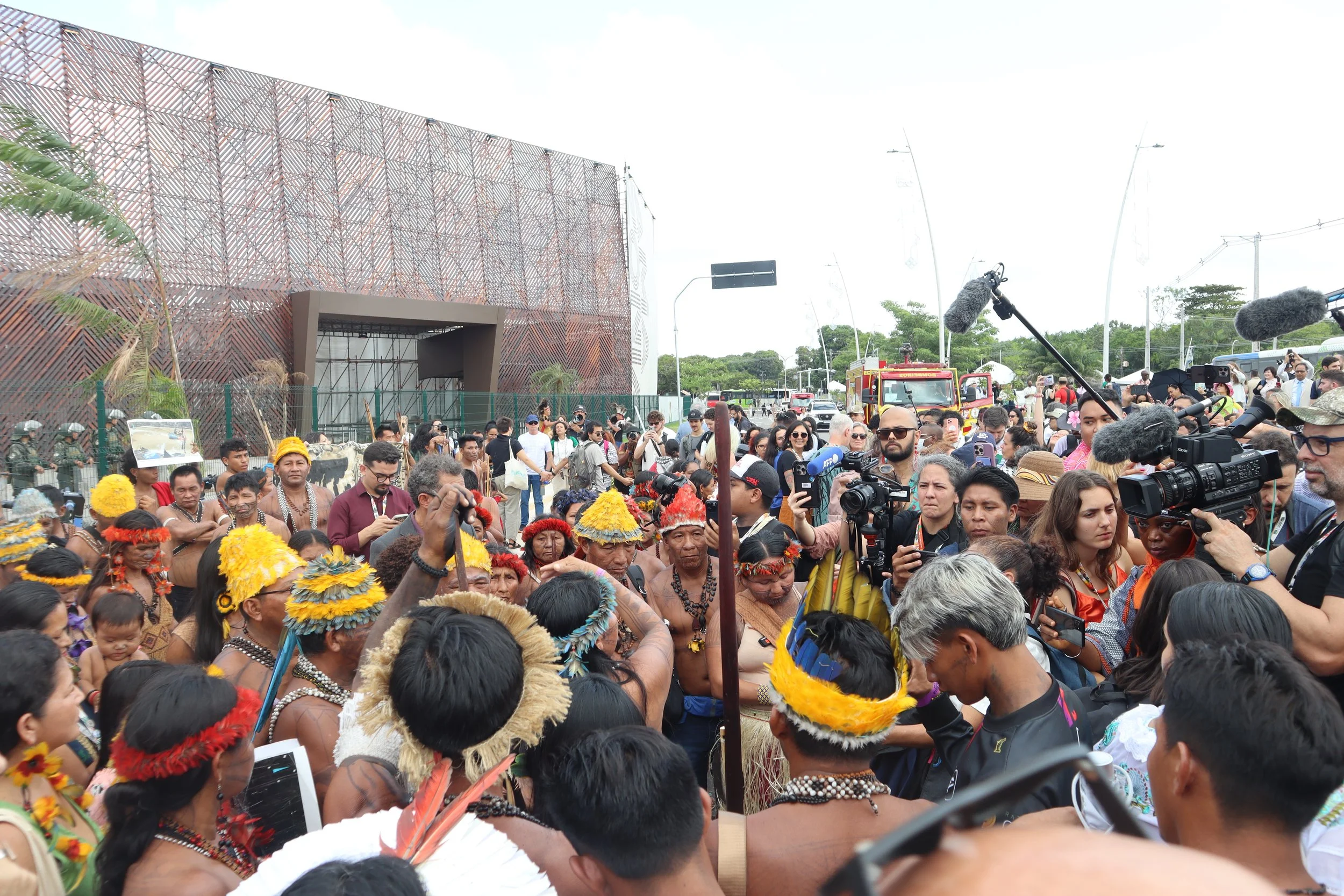
We want a seat at the high table, say Indigenous people as they block COP30 summit
Negotiations at COP30 were thrown into disarray early Friday morning after protesters from the Brazilian Amazon blocked the main entrance, disprupting entry and causing scheduling chaos in discussion rooms and pavilions.

Information Integrity: Why rights groups at COP30 are demanding ‘‘truth’’
More than 200 civil society organisations from around the world, Indigenous Peoples, governors, mayors, faith leaders, agencies and companies have urged national government delegations to ‘‘champion a strong, ambitious, and mandatory decision at COP30 to uphold information integrity on climate change.

Why Purple Took Over Day 2 of COP30
On the second day of COP30, the summit venue turned purple as members of civil society, politicians, negotiators, and the business community donned purple to show solidarity with women.

RAY OF HOPE AS COP30 NEGOTIATORS MOVE FORWARD ON NATIONAL ADAPTATION PLANS AMID LINGERING DIVIDES
On the third day of COP30 negotiations, countries took a cautious but significant step forward in talks on National Adaptation Plans (NAPs), agreeing to use the informal notes from COP29 as the basis for this year’s discussions.